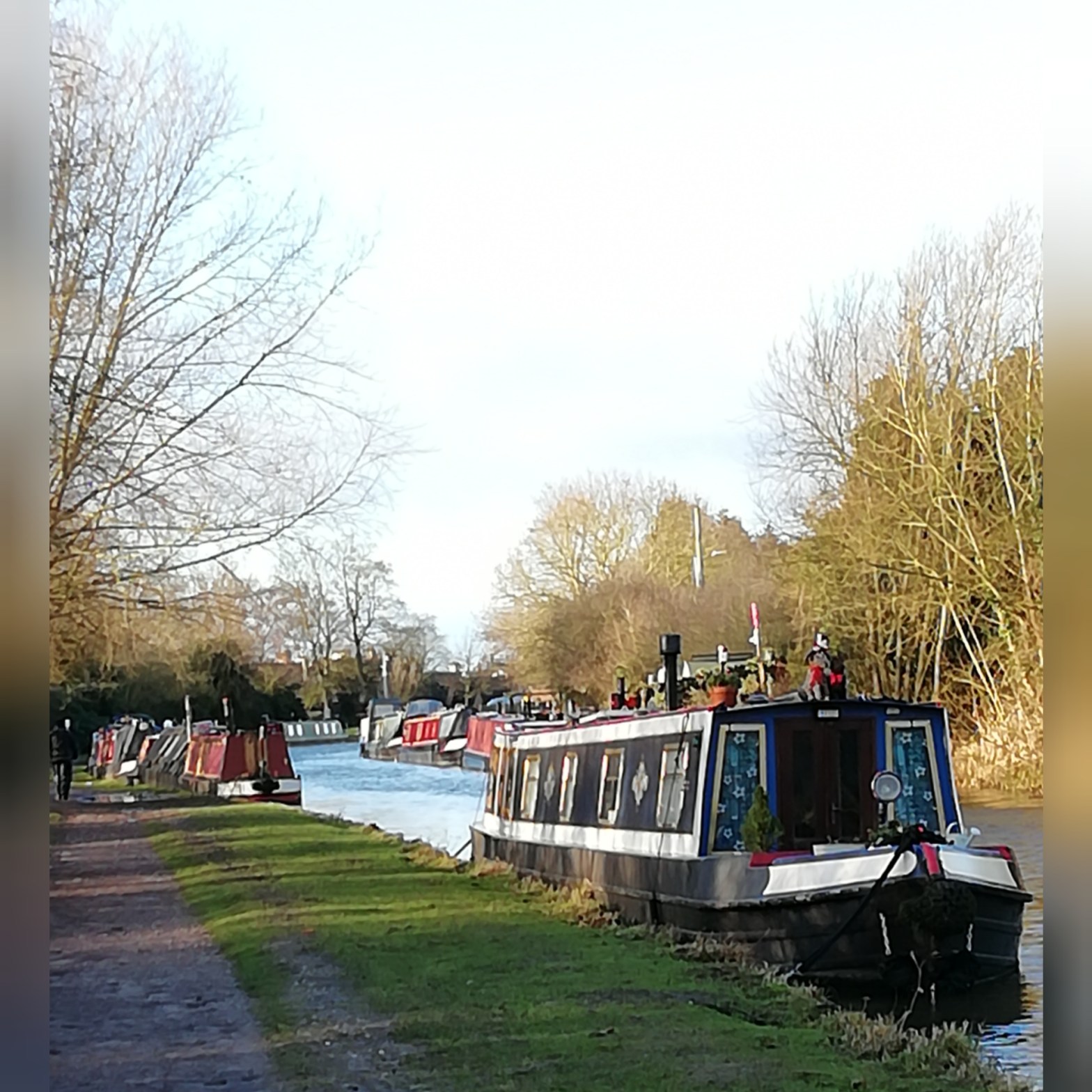
Hunkering down on a canal can, we’ve recognised, be a good place to be during a storm as water levels are managed in a way that’s difficult (if not impossible) on a river. We sat listening to Storm Christoph winds howling (and stealing a piece of fake grass off our roof which was protecting the metal under the coal baskets). Sitting on the same sofa we shouted conversations over the thundering rain hammering on our metal roof. We have been lucky,having heard of narrowboats being evacuated from the River Weaver in Cheshire, sinking on the River Soar in Leicestershire, and of one on the Grand Union Canal being hit by a falling tree at Linslade in Bedfordshire.
The main impacts of the storm here have been an increase in the depth and spread of mud on the towpath (our doorstep) and we have seen many more boats gathering at this convenient spot close to waste disposal and water taps. Due to the pandemic there’s little chance to get to know people but I’ve managed to do some shopping for an elderly couple on a nearby boat. She’s been unwell with a kidney infection and they had to have one of their beloved terriers put down on Thursday so it’s been a terrible week for them, and we’re trying to help at a distance.
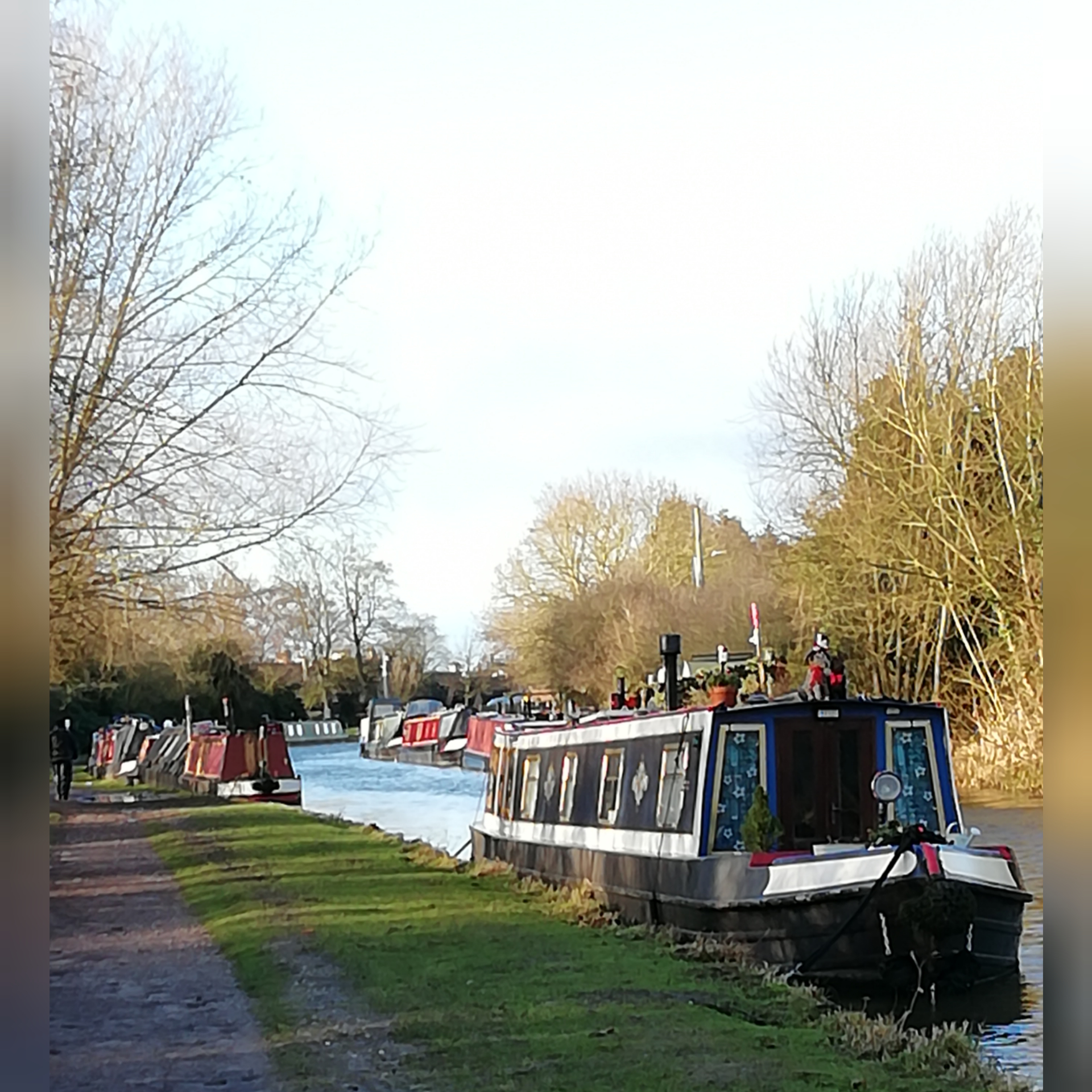
In part boats are having to gather here on the Trent and Mersey because we are effectively trapped by the rising flood waters of the River Trent which bounds the canal ahead and behind us. Ahead of us to get into the Staffordshire village of Alrewas we need to cross a section of the River Trent – currently closed to navigation because it’s in flood. Behind us there’s a block on navigation from Aston on Trent and flood gates have been closed to stop the flood waters from the River Trent adversely affecting the canal.

The Trent sweeps round the opposite side of the village from the canal, so we’ve been marginally affected by a reduction in the walks we can take. Sodden footpaths and fields have turned into rivers and lakes with even small rises in the river levels. The musty smell of mud and damp has come aboard thanks to a regular pervading aroma of wet dog which follows every walk until he dries off. Watching the significant environmental impact which a tiny change can make has been food for thought. It has made me reflect that improving the world around us by reducing our own impact on the earth doesn’t have to be down to major gestures – small pebbles can make big ripples.
We have made a dramatic change to the way we live, and if you’re going to make such a change it’s obvious that going to be because you expect it to be for the better for yourself – I mean why would you make a change for the worse? It seems to me though, having met and heard from many people who have made much bigger upheavals for themselves and their families, that there is often a greater desire to make life better not only for themselves but for the world around them. In my case it’s about selfishly wanting to enjoy the life we have together but also about trying to leave the world a better place for my daughters, grandson and future generations I have yet to meet, as well as those I will never meet.
There are small things we do, like patrolling the canal bank collecting rubbish and cruising along with a fishing net (thanks for the advice Kevan Howarth) to catch waste as we make our ways along rivers and canals. (On that note – it’s astonishing how many footballs I’ve managed to hook out around Leicester, and how many cans and bottles I collect every time we go near Nuneaton.) These clear up activities incidentally support the Canal and Rivers Trust Plastics Challenge which you don’t have to be a boater to support.
For us it’s about cleaning up, not creating so much waste, and reducing the negative impact of how we live. That’s something you don’t have to dramatically change your way of living to achieve. It appears in small ways like “Bye bye shower gel and shampoo in plastic containers” and “Hello soap and shampoo bars. All bought wherever possible directly unwrapped from artisan makers ideally within walking distance.
Moving to live on a narrowboat and being continuous cruisers – dwellers permanently on the move on their boat – means living off grid. It also demands a change to how we live, how we shop and cook, and how we consume. There have been unexpected consequences of this dramatic change which make for greater satisfaction too. It’s become fascinating to see the ripple effects of a small change.
Theoretically I believe all this should mean that we are significantly reducing our impact on the environment too but are we? How on earth can we evaluate our success of low impact living? Casting around it seems there are multiple evaluation methods so it’s a question of selecting a feasible way to measure impact, recognising that not everything is going to be covered.
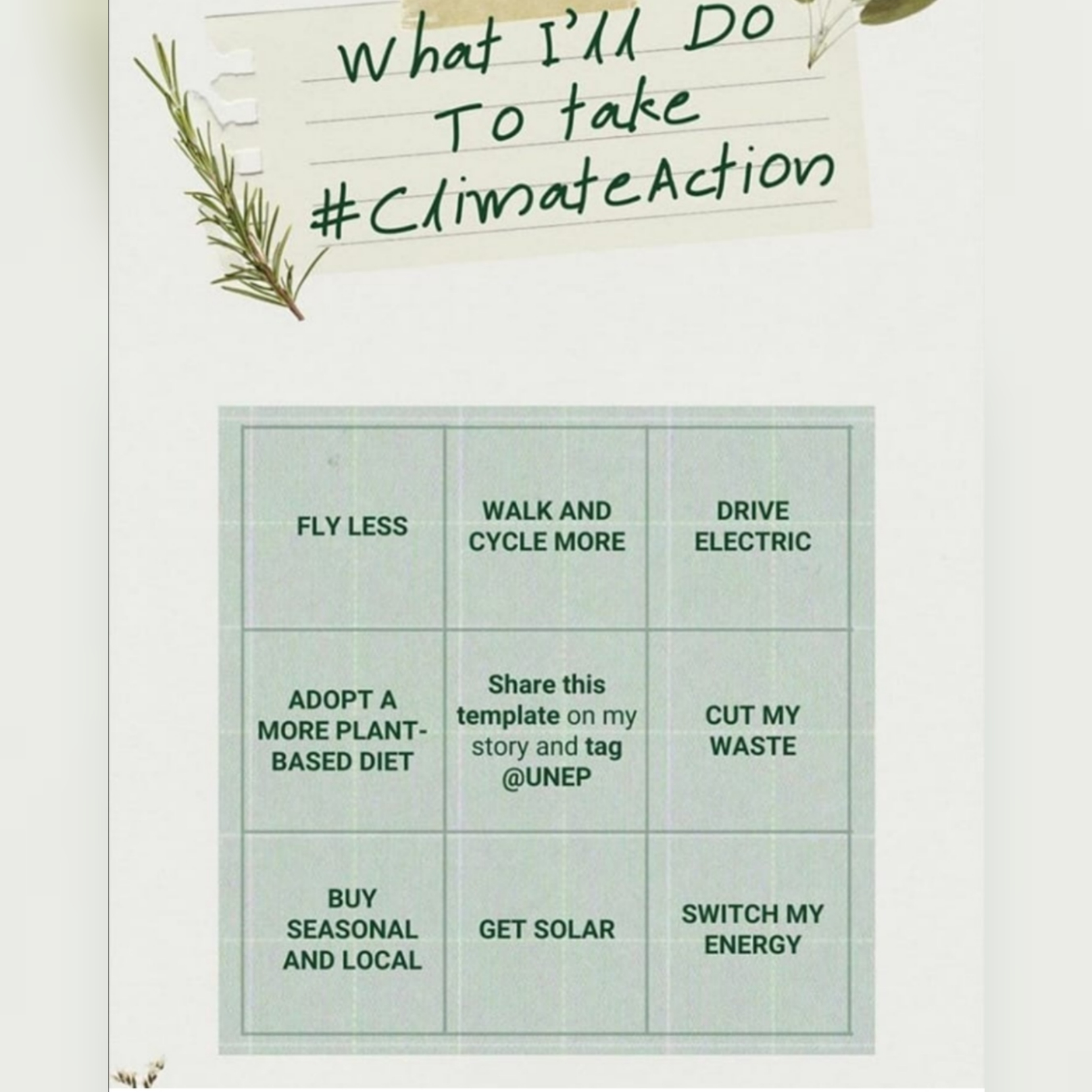
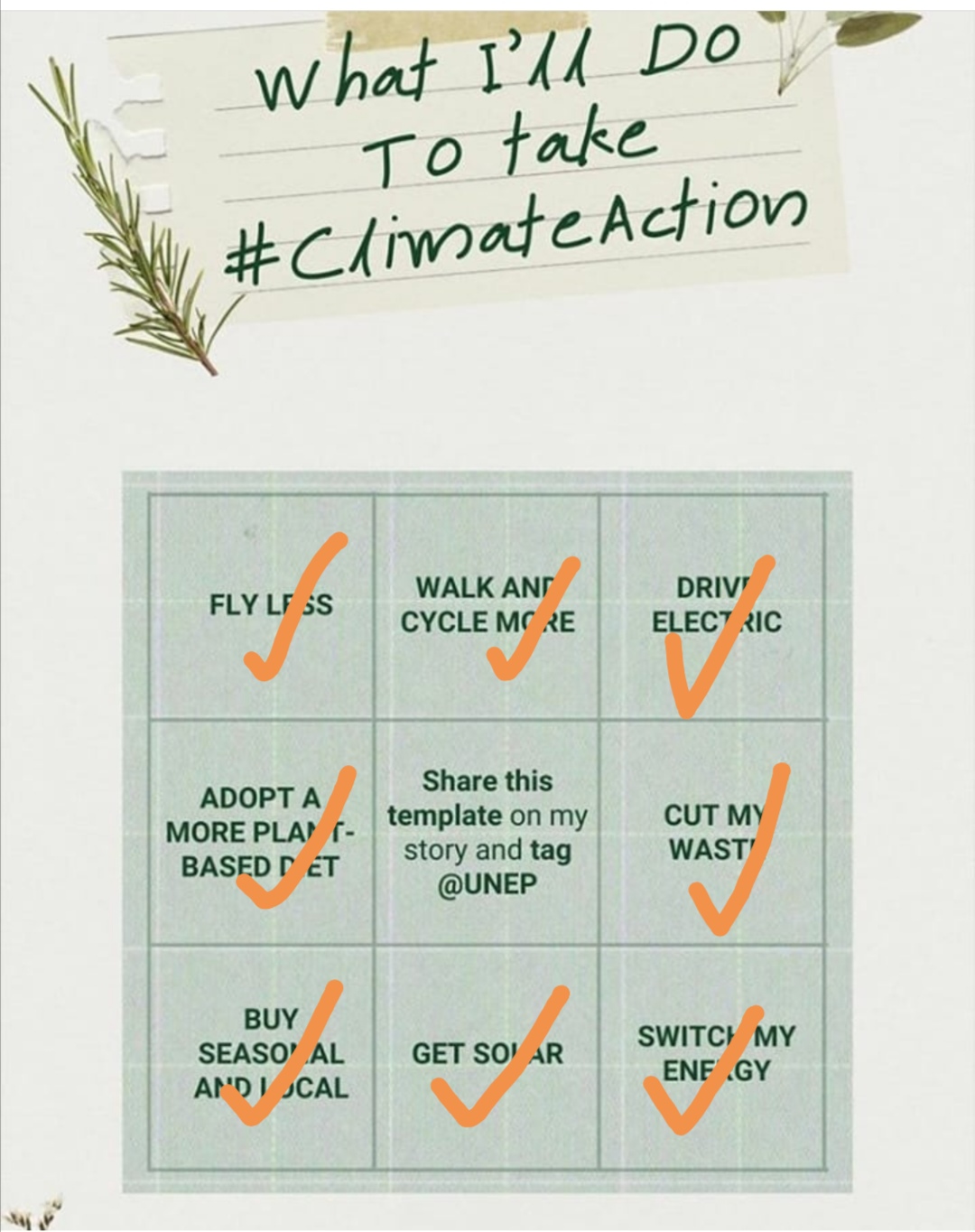
I was struck by a very clear climate action post from UNEP, the United Nations Environment Programme which was shared by inspirational yachtswoman and ecological campaigner Dee Caffari. Since 2017 Dee’s spearheading of Turn the Tide on Plastics has raised awareness of the impact of plastics on our oceans, waterways and lives.
As flood waters are rising, the impact on people’s lives of our changing climate is brutally apparent, so we began looking at the UNEP climate action table. There is something in here for all of us to consider for our own and future generations.
So how do we square up today?
Fly Less – thanks to the pandemic neither of us have flown since I went to speak at a conference in Riga in May 2019. Having constant (out of lockdown) changes of scene from the boat makes us realise just how much of England we have yet to explore – it’ll take us a lifetime! That makes flights in the near future highly unlikely, but if we do travel I’d be happy to take a train. If I’m honest we’ve been lucky to already see many places we have wanted to. By not flying more now, maybe we can offset opportunities for younger generations to explore the wider world. It may be a way of inspiring them to recognise the need for protecting it.
Walk and Cycle more – we have to if we want to shop or move around although for us this connects to Drive Electric. My small but petrol-using car which was used for commuting and leisure use has gone. We have kept Steve’s electric car for now. Our annual mileage is a quarter of what it was, and our pollution per mile is significantly less, we calculate somewhere around a 40th of our previous pollution. As the driven mileage goes down my walked mileage for #Red January and #Walk1000miles is rising well (100 miles so far in January). We have our bikes on board and only use the car for support duties or work.
Adopt a more plant-based diet – we had already done this, and Steve was mainly vegetarian. Now our combined diet is 95% plant based, because we enjoy it. I don’t have to worry about storing meat or it going off, or shopping daily for meat either which saves money and creates less waste. When we can, we buy from farmers’ markets or farms directly. That means when I do buy meat I directly support the producer and reduce food miles. This and our change of diet has led to us being able to tick Cut My Waste. I found this week that I can’t run a wormery on board to support this year’s roof gardening because we don’t have enough vegetable waste to keep even a small wormery going!
Most of our waste is recyclable (packaging etc) and what is not we are trying to reduce. If we can buy food without packaging we do. If we can buy direct from producers without packaging we will. But it is hard, as I’m sure you’ve found. Buying without packaging often puts the cost up and we are seeking to live on a tight budget. There are shops and markets which sell loose goods but to reach these often that means having to travel by car which seems counter intuitive. If we can use them though, we try to.
So to the last (and most significant) final two ways to reduce our impact on our climate – Get Solar and Switch my Energy. We have installed solar panels in the family house which we have let. We are saving to put 2 x 175w solar panels on the boat in the Spring (when Steve’s built up the courage to drill holes in our roof!). These will reduce the amount of diesel we use in powering the batteries that power our water and shower pumps, run our lights and charge our electronic devices.
We have moved away completely from the mainstream energy providers – they don’t supply continuous cruising towpath customers! Energy consumption is our main area we seek to cut, but we have significantly reduced the amount of energy we use – heating a 50ft narrowboat is very different from heating a 4-bed house!
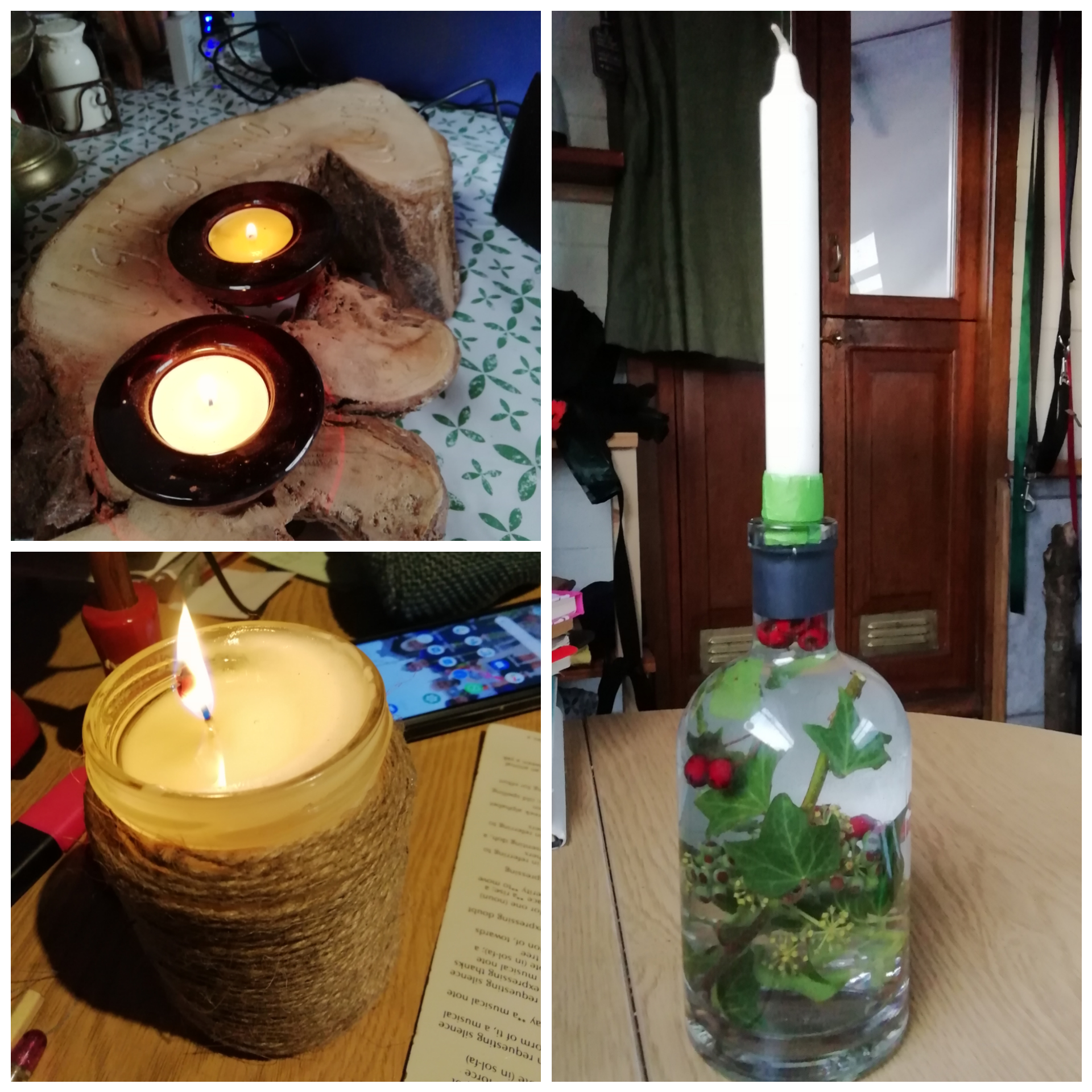
Our energy currently (roll on the solar) comes from four main sources – wood, coal, diesel and gas. Foraged wood is mostly seasoned; we buy smokeless coal which is, I appreciate smokeless and not smoke free; LPG gas and red diesel. Some boats run heating and cooking on diesel or LPG but for us diesel is just for running the engine to move the boat and recharge the batteries whilst gas powers only our 4-burner hob. We do enjoy using candles for evening light – not just Hygge but at the moment I’m also using them to heat natural oils to offset the aroma of wet dog!
The multifuel stove is our sole form of heating and clothes drying. We also use it for cooking – it makes great baked potatoes, stews, soups, curries etc.
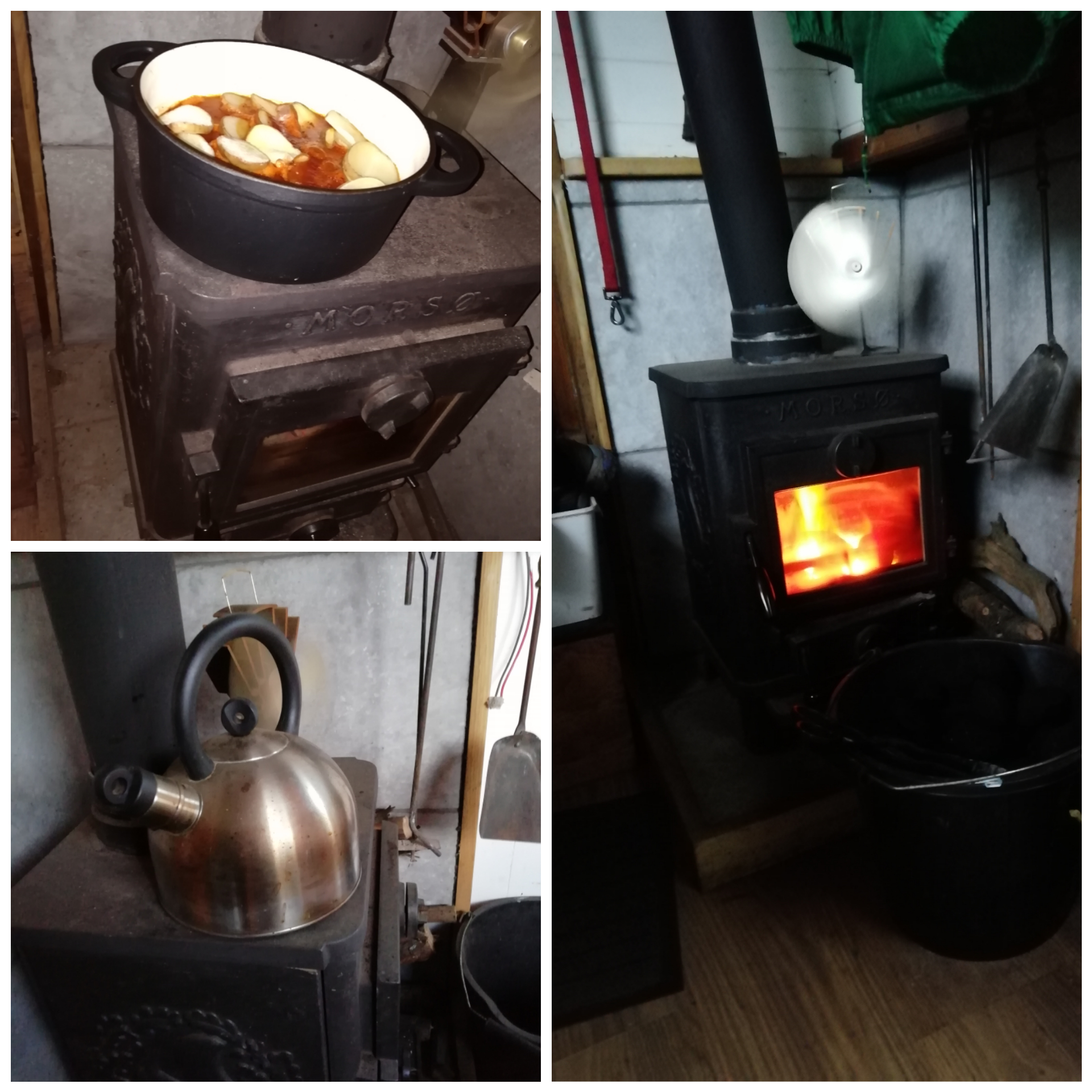
Foraged twigs are fire starters and when we are cruising I am inclined to throw on a log or two as I love the smell of woodsmoke, but generally we burn smokeless fuels. These have to give off less than 5grams of smoke in an hour’s burning. Compared to normal house coal they can release up to 20% less carbon dioxide. Made from anthracite they’re bound into lumps (or what the marketing people call ovals) with various smokeless binding ingredients like starch. We’ve recently been burning something the coal boat merchant advised was more eco-friendly having been bound with molasses and it certainly had a different, somewhat sweeter smell to it.
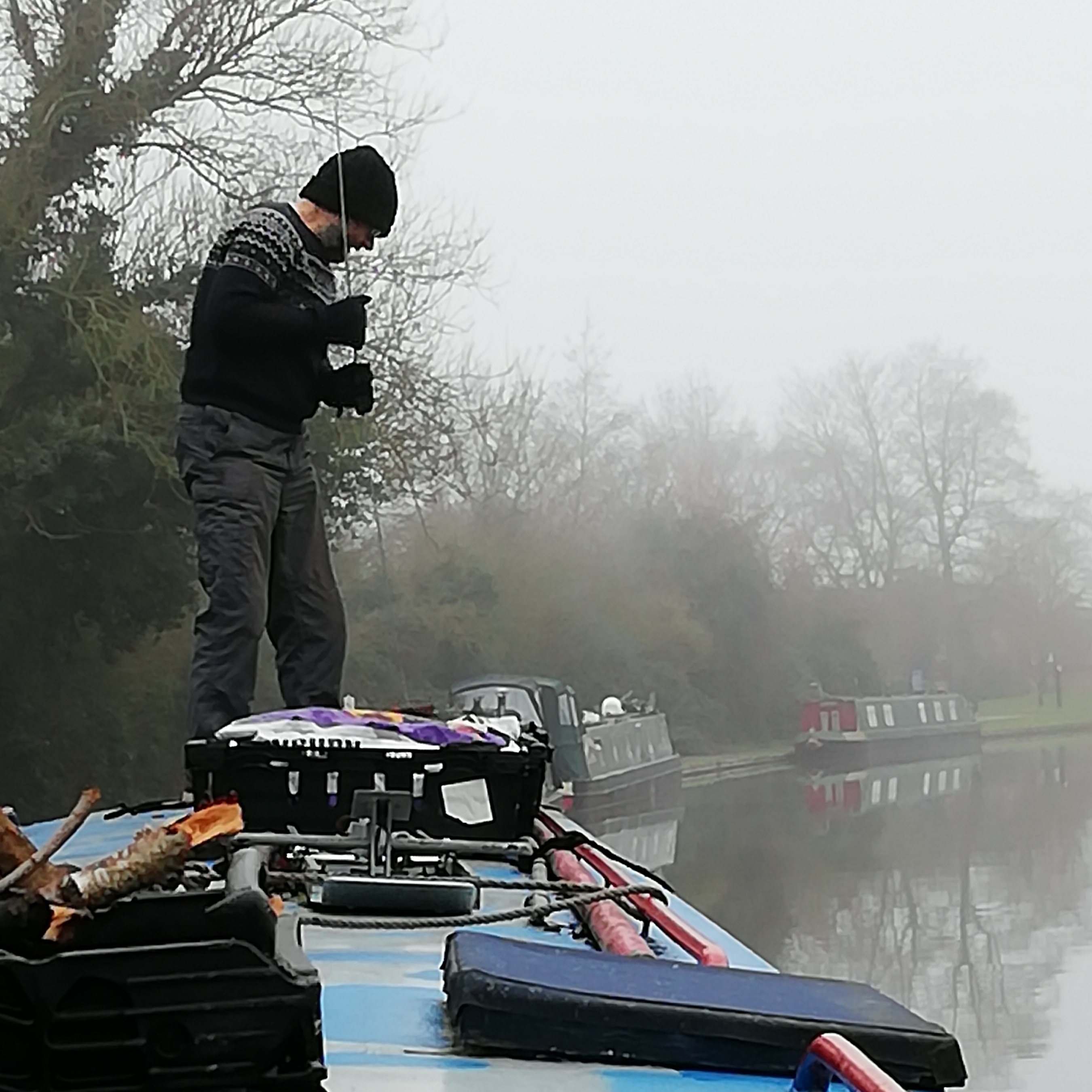
On the one not wet, windy or icy day this week we shut down the stove and cleaned the flue to maintain efficiency. As you can imagine keeping the stove working well is essential. Steve did the job with a long flue brush made for the job although people say you can do it with a bunch of holly leaves tied together on a mop or broom handle. It’s important to do it on a day without ice, partly from the reason of needing to shut down the stove but also for safety. Climbing on the metal roof on what is the water side of the boat the way we are moored, to then enthusiastically shove a long brush in and out of the chimney is not ideal if the roof and sides of the boat are slippery. Balance is essential and we could do without one of us getting drenched without the means to dry out! The stove hasn’t been drawing brilliantly for few days and we know some people clean their chimneys every fortnight in the winter….we’ve been running it almost 24/7 since November and this will be was its first clean since then!
Red diesel is dyed for identification because it currently has a lesser duty to pay on it (although this is thought to be stopping). The domestic element is what incurs the lesser duty and for agricultural vehicles and boats. Diesel engines are an issue because their operation produces nitrous oxides. They are saying that within 20 years we need to stop using diesel engines on narrowboats – so it’s likely that we will need to go hybrid, hydrogen, or electric. We need to start saving for it! It would be lovely if we could move to that option sooner – whatever it may be.
Overall we’ve significantly reduced the amount we spend on energy, mainly by getting rid of a car and commuting. Throughout the Autumn and so far into Winter we’ve averaged a weekly spend of £2 on gas, £15 on coal and £10 on diesel.
Whilst not related to our ecological impact but because we’ve had lots of queries from people interested in the costs of running our boat, here’s a quick run through the other costs. We don’t pay council taxes but we do pay a CRT (Canal and Rivers Trust) annual licence to give us access to travel on canals and some rivers, waste disposal and water supplies. It is based on the length and width of the boat. It was just over £900 last year and will no doubt be higher this year.
On top of that we have generic boat insurance and breakdown cover, plus servicing and maintenance costs. It amounts to about £5000 a year to run the boat, our home, in total. We then need food (gin appears as a very welcome gift), going out, Christmas, birthdays, clothes (I am an enthusiastic secondhand shopper), vets bills, unforeseen extras and running the car. We don’t save money by living this way but it is the most expensive time of the year in terms of fuel.
In all these ways: reducing our consumption, cleaning up and reducing waste, and seeking to consume more thoughtfully we are seeking to lower our negative impact and increase our positive impact on the environment around us. The ticks look as if we’re on the right track but we recognise there’s more to do, as well as keeping up what we are doing.
Next week – a tongue in cheek induction into the language of narrow boating to get you ready for hiring a narrowboat as a brilliant summer staycation
 Pickingupducks