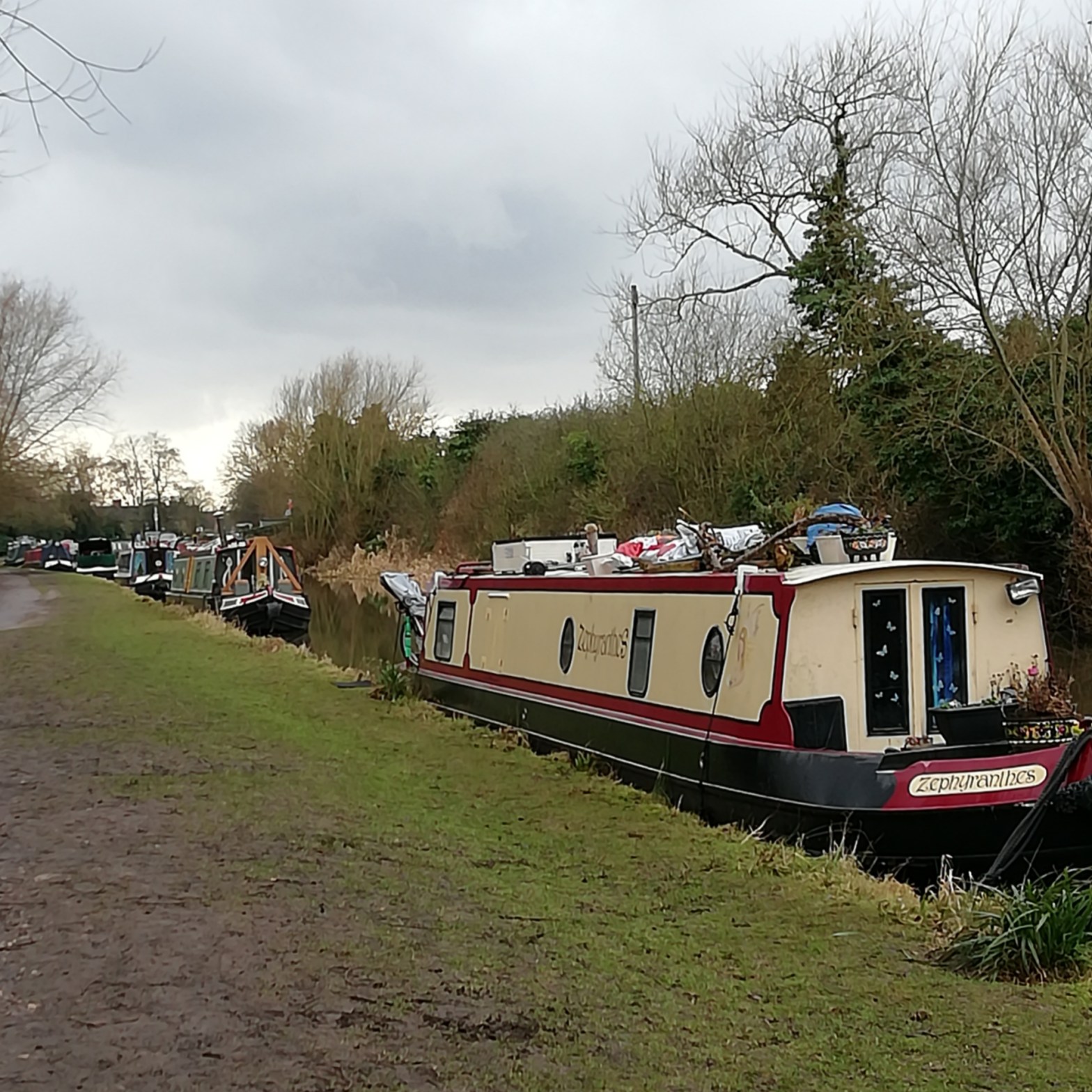
I’ve been struck this week by the ways in which this pandemic has created, strengthened and developed communities – it is a genuine Covid positive. It’s something I hope we don’t lose as we head out of this initial crisis, but from which I hope we learn. Environments of both home and work will need strong communities to support individuals as we move into whatever the next phase will be. Coming out of this pandemic could be much harder than it was going into it.
Whatever our ages and our situations we are going to face another period of significant upheaval, and this is where strong communities can help with genuine, practical, uncritical support. We may all be in the same storm of a pandemic or its aftermath, but we are not all in the same boat. We are all facing different pressures and will continue to do so. It won’t all just go back to “normal” whatever that is and strong, supportive communities are going to be vital for our survival whether in person or online. I think there is going to be a particular need for this in the new work environments particularly as that is where people often feel unable or discouraged to be honest about the stresses and strains they are facing. A supportive workplace community can be a productive one.
Community has always been important to me as an individual – sense of responsibility, belonging, public spirit (Latin: Communitas) and common purpose. I wondered how it would be replicated, or indeed if it could be replicated if you were part of an itinerant, travelling community as a boat dweller.
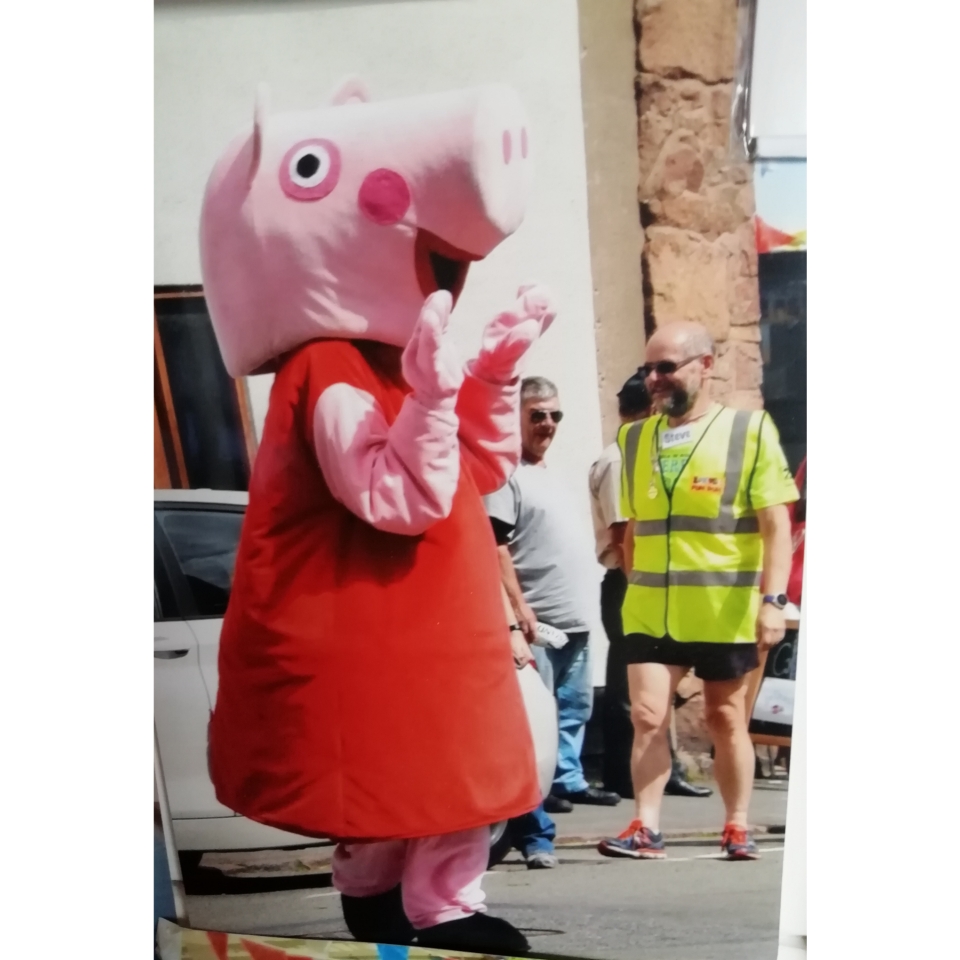
We moved onto our boat as full-time continuous cruisers (cc) during the hiatus between Lockdowns 1 and 2. We came from a village where the pandemic had resulted in significant development of an existing sense of community. Wherever we’ve lived we have been an active part of community groups. In our village we have supported wherever we could annual community events like a major summer festival, Remembrance Sunday, and a Pancake Race.
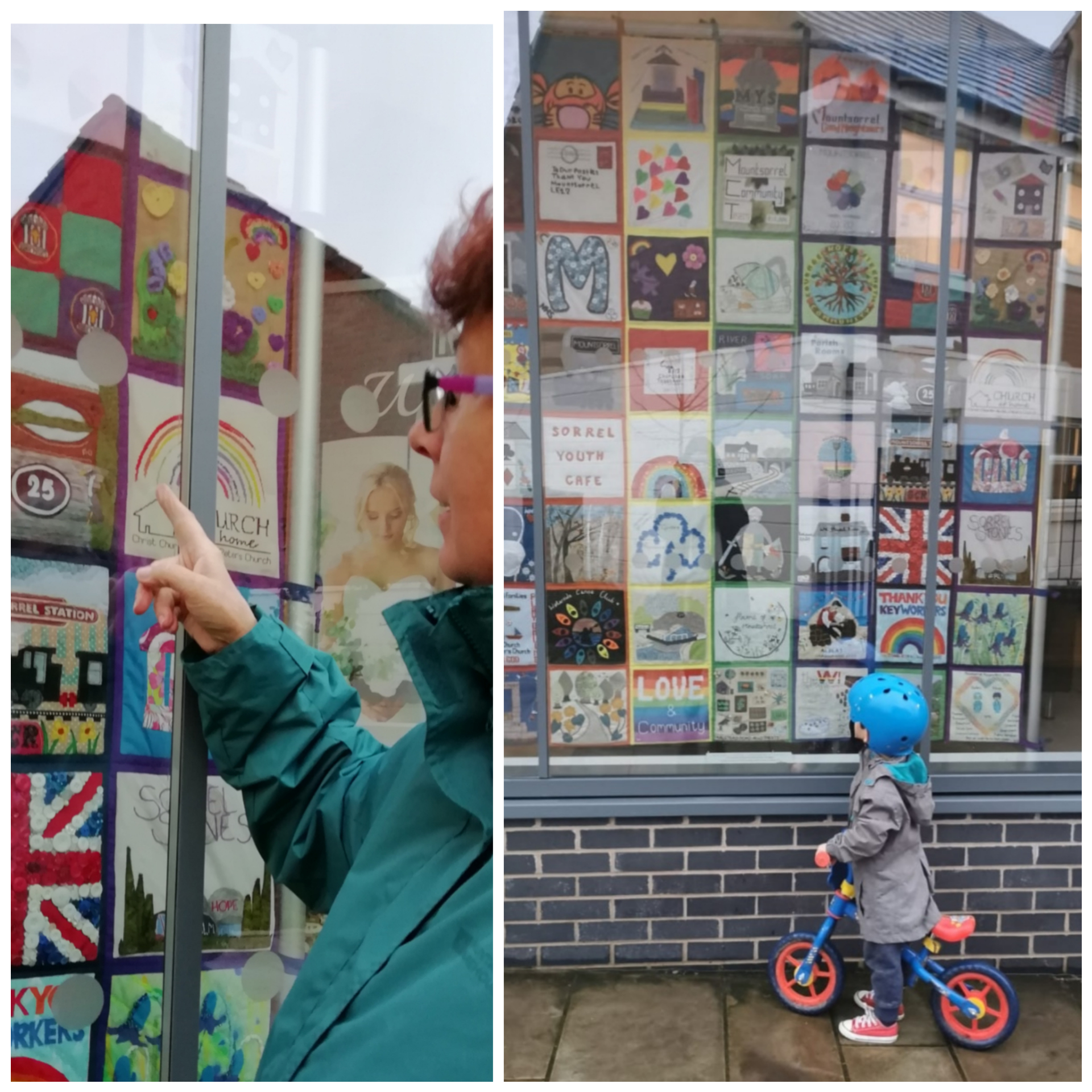
During the pandemic other community efforts began in the village, and we had been glad to become part of a scheme operated via Facebook to help and support neighbours in need in a variety of ways, with shopping, collecting prescriptions, telephoning to provide conversation etc. I learned new skills and encountered new people (remotely of course) through a community craft project during Lockdown 1 which has resulted in a splendid rainbow quilt of stitched 12inch square images of our community – geographic in terms of location landmarks; emotional in terms of people and feelings particularly centred round the pandemic; and identity based providing perspectives from the many sub-groups within the village to which people belonged. That shared endeavour has creating an ongoing crafting community. Members mutually support each other not in some face to face sewing bee as our mothers and grandmothers had experienced in wartime, but via online communities. We recognised a need to be doing something, and the initial quilt creation was something which would share our stories, celebrate the things we held dear and be a physical testament to the way in which the community pulled together in what we naively imaged was “The Lockdown”… little did we imagine it was to be the first of many…
To move from this hive of community spirit onto a boat felt odd to me. In one sense as if we were being selfish and cutting ourselves off from everyone, in another way quite liberating – no responsibilities for anyone else (apart from family of course although Covid meant we were still having to distance from them too!). The pandemic though had shown us how capable they all are, and indeed made us so proud of their independence, liberating us perhaps from the feeling that we couldn’t take off on the boat to live and work from there because we were needed! We might be wanted (which is lovely) but we recognised that we weren’t really needed, and on the odd occasion we might be, we could be there. So we took to our own little bubble floating about on the cut in what felt initially like glorious isolation. Communication with family, friends and work was safely conducted via diverse technological means but physically we were isolated.
Gradually over the months it became apparent that most boaters we met were doing their best to maintain social distancing, keeping their distance, and thus reducing their contact with others. We all still helped each other through locks but socially distanced from opposite sides of the canal! Conversations were short and there was no shared space – no opportunity to share a pint at a canalside pub or onboard each others boats.
I notice online communities within social media for continuous cruisers (of whom here are over 5,500 registered in the UK), but none appear particularly vibrant unless among the London cc community who have specific issues that draw them together – lack of space, need to remain within working distances etc. whilst trying to maintain Canal and Rivers Trust’s (CRT) 14-day maximum stay rule.
Lockdown 2 found us in a marina for a month. A different type of community – location based, and clearly organisational based community. It demonstrated a hierarchy, a clearly defined structure.
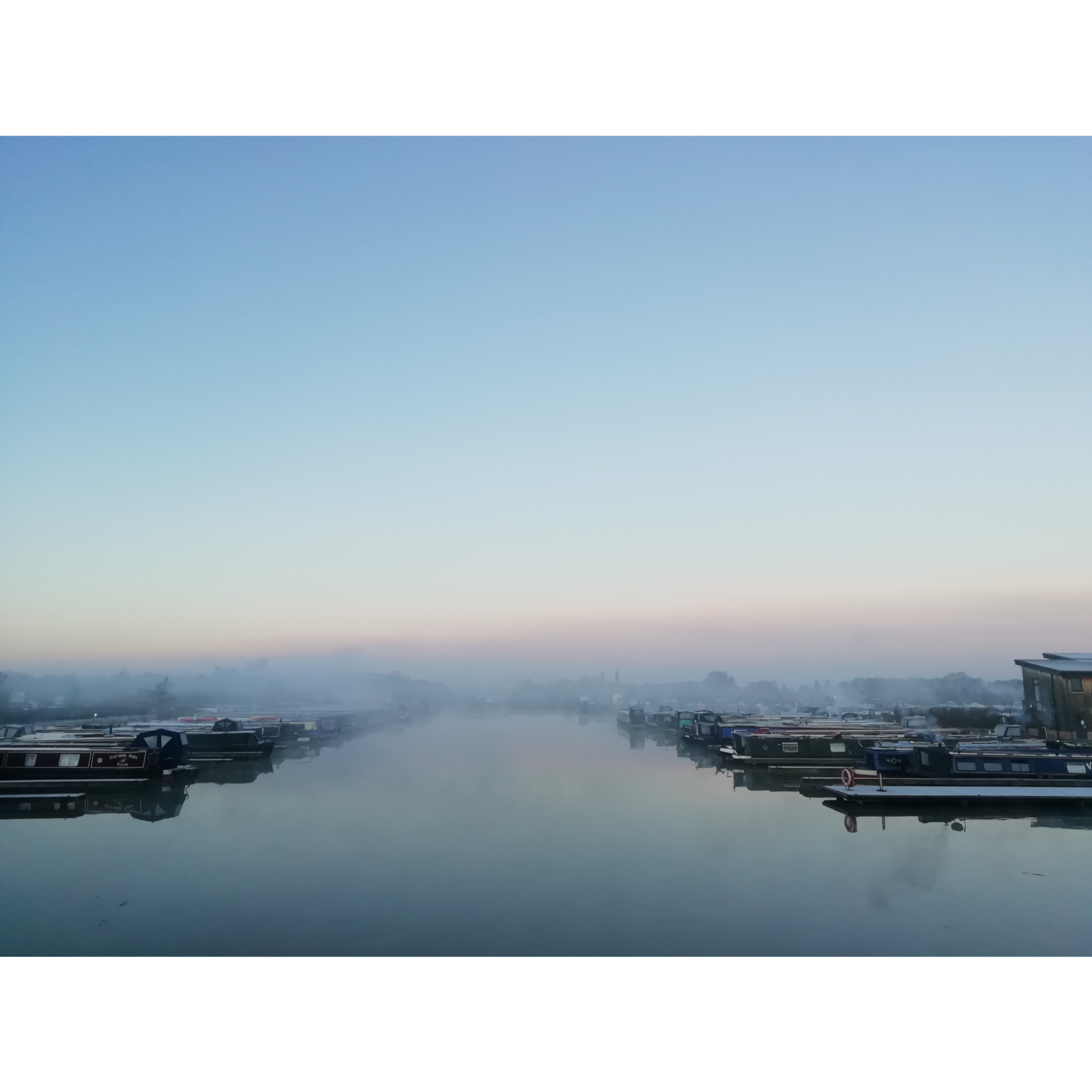
Within minutes we were visited by the lady who had been moored there longest, to tell us how things operated… in addition to the marina operators there was a clear code of conduct among moorers. The community was able to offer help and advice – when the butcher called, where the best shops were, when and where to find community markets and the best fishing or dog walking etc. People kept themselves to themselves although regular cliques were apparent.
Fast forward to Lockdown 3 – and we, along with an increasing number of continuous cruisers are in a village, moored along a busy towpath . It’s the best of all worlds if you can’t move – not far away we have a water point, disposal services, a marina for diesel and parts, local shops, a post office and country walks.
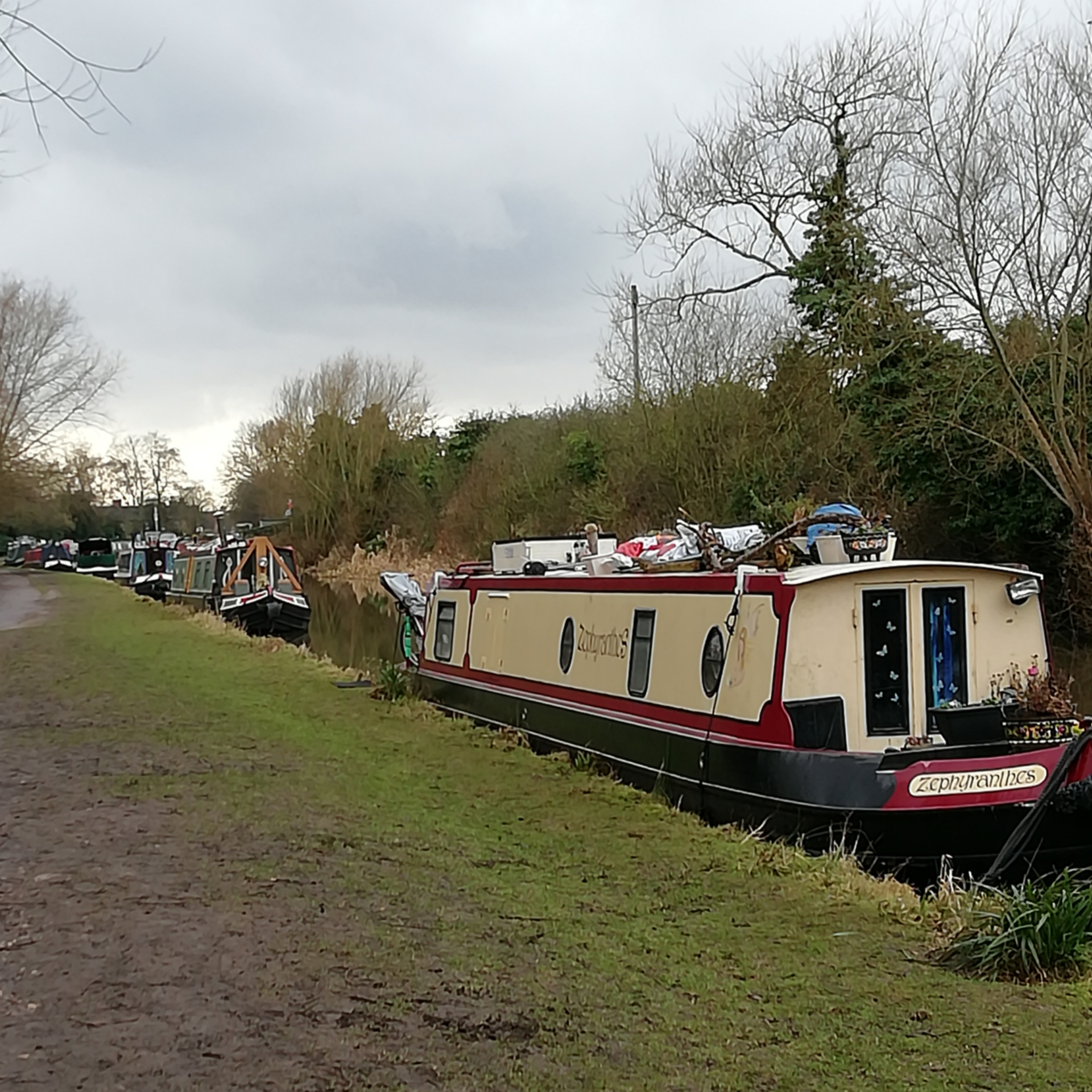
I have been struck over the months since we began lockdown how vibrant the community has become – still socially distanced, but evident. It’s not just among the boaters, but we have experienced a sense of growing community between ourselves and the local community. That seems apparently at odds with some of the cc Facebook groups who portray themselves as online spaces designed to support an “often vilified” group of boaters.
Covid appears, in this instance, to have had a positive impact in developing a united community between the itinerant floating travellers and the fixed residential boaters and bricks and mortar dwellers. It’s got me thinking about how communities develop, and considering what it is that each of us can do to maintain the good things about them as we move out of the pandemic.
Strong communities whether in person or online stem from shared interests and needs. This may be around a place, a purpose or a platform. We’ve seen communities pull together against common threats – development, a desire to preserve a specific environment, and most recently to fight the Covid pandemic. People have volunteered locally to man vaccination centres, test centres, to give out information and alongside the towpath there has been a very clear development of a positive community spirit.
Every boat is its own bubble. Some contain single boaters, some families, some couples, friends or siblings. We are all individuals, with a common shared interest – living afloat. Our reasons for doing so are as diverse as we ourselves. For some its the only way of affording a home of their own, for others a deliberately chosen way of living, some have bricks and mortar homes they let, some work from their boats, some are retired. Everyone is different but the pandemic has brought us together. Before the pandemic continuous cruisers under CRT licences would have to move on at least every 14-days unless there was a particular reason – illness, ice, flooding etc. In the case of one of our boating neighbours here, CRT supported an extended stay when their cat went missing. The cat fortunately was found, albeit in a very sorry state, but then significant resulting veterinary treatment resulted in a further stay which then ran into lockdown so they have become a very familiar feature here! Locals rallied round to hunt for the missing cat, and were delighted by its eventual return. Pets do bring people together, not only in lockdown, and dogs get us all out walking.
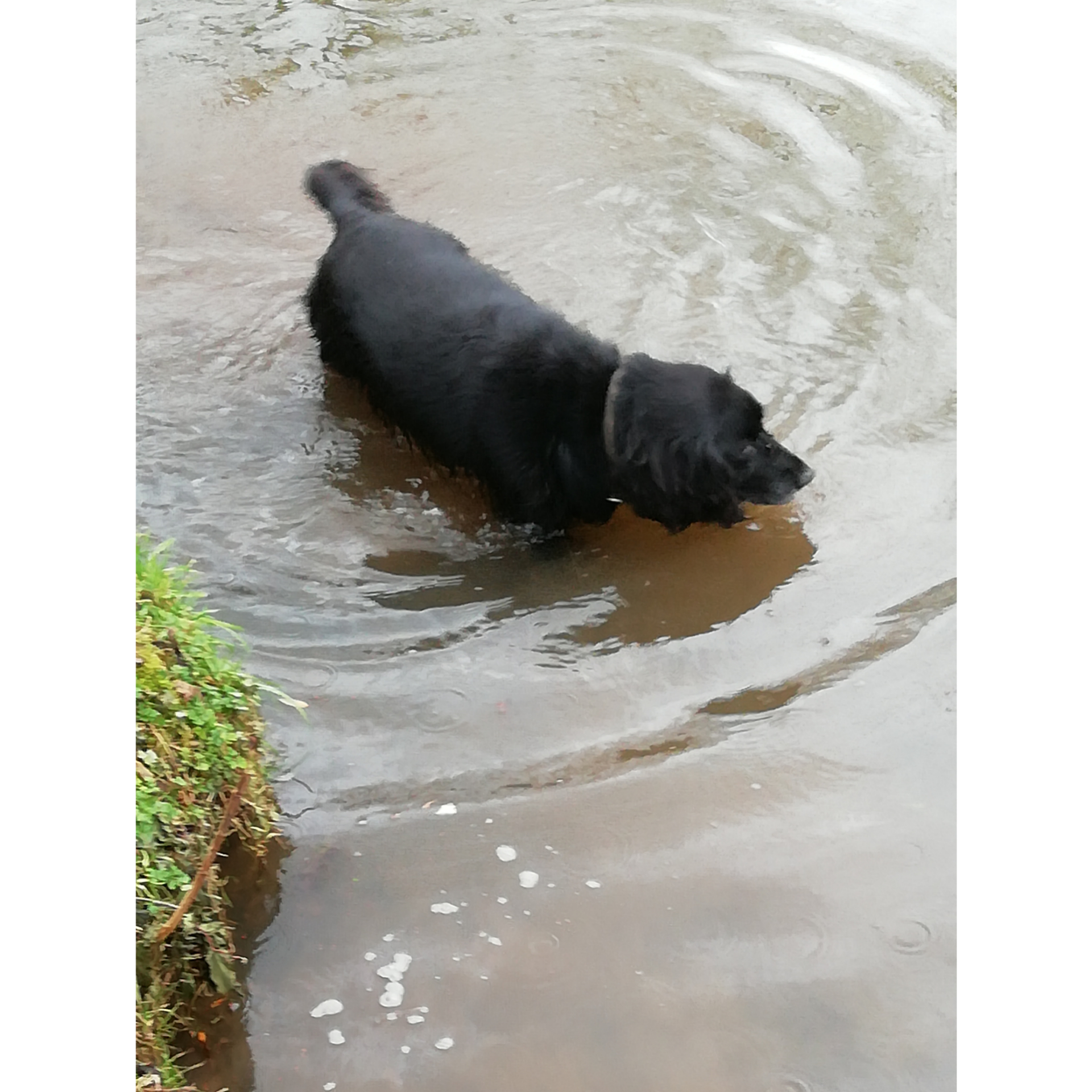
The local accent took us a bit to adjust to – our introduction was when a local lady walking her dog pointed at ours and said “Harold?” (or so we thought). “No, Cola”, we replied, slightly puzzled, only to discover she’d said, “Har old?” as in “How old?”! Now we know and are attuned!
Perhaps it is because this is an established canal hub with services that makes local people supportive and accepting of the normally itinerant floating community. Perhaps it is that the pandemic with its enforced requirement for us to stay here has provided an opportunity for us to see and appreciate the local community, as well as get to know our floating neighbours. People chat (at a distance). We can tell you the ages of most people we talk to – a direct result of Covid vaccination bands. We support with deliveries of fuel, carry rubbish bags to the disposal point and do shopping for those less able. Maybe this would happen anyway but often it takes a few days for the English reserve to be breached, and the lockdown which puts us all in the same metaphorical boat means we have a shared experience, a shared need to communicate and seek to support each other in a situation which is very different from the independent, itinerant norm.
I hope we meet these individuals again on our travels. I feel sure it will be a reunion with some warmth as we will hopefully be able to share a brew or a drink together reminiscing over our collective lengthy winter lockdown. What I hope I remember as we all move on is the small ways which I can contribute to building and supporting communities wherever they may be – floating or fixed. It’s about unquestioning respect each other but also seeing who may find it useful to have rubbish carried for them, shopping done, dogs walked and what a difference a cheery wave or friendly chat can make. Positive communities in which we can play a part make us and others feel good – and we all need that. The onus is on each of us to make the change we wish to see in our communities at home or work, however long lasting or transitory they may be.
“Change will not come if we wait for some other person, or if we wait for some other time. We are the ones we’ve been waiting for. We are the change that we seek.”
Barack Obama
 Pickingupducks