Just as in business, education and let’s be honest any relationship – it’s not all plain sailing on the canals, and communication, or rather miscommunication, is at the heart of most issues.
This working week has been a sorting week for us – getting on with jobs that have been outstanding, prepping the boat for winter and preparing for exciting new projects (more in due course on this!). We’ve not cruised much apart from an early Sunday morning short move from one mooring point to another which turned out to be a slightly longer move than anticipated due to a fishing match. The fishermen were taking up the mooring spaces we were heading to so we continued until we found somewhere suitable and unoccupied!
It’s given me time for thought this week, and I’ve found myself going back to a thought-provoking TED-x talk by round-the-world yachtswoman Dee Caffari. If you haven’t heard it – do take time to do so. It seems so relevant if you are a boss, a leader, a team member, a parent, grandparent, wife, husband, partner, friend, colleague, teacher, lecturer, or let’s be honest – any human being who has any interaction with another.
On a narrowboat we don’t face the big seas and waves but we do have winds and we have bridges, blind bends, in some cases areas where one of the crew has to walk ahead to makes sure the navigation is clear unless you’re singlehanded when you can either push on and hope for the best, or walk ahead and run back to get the boat once you’ve established it’s clear!
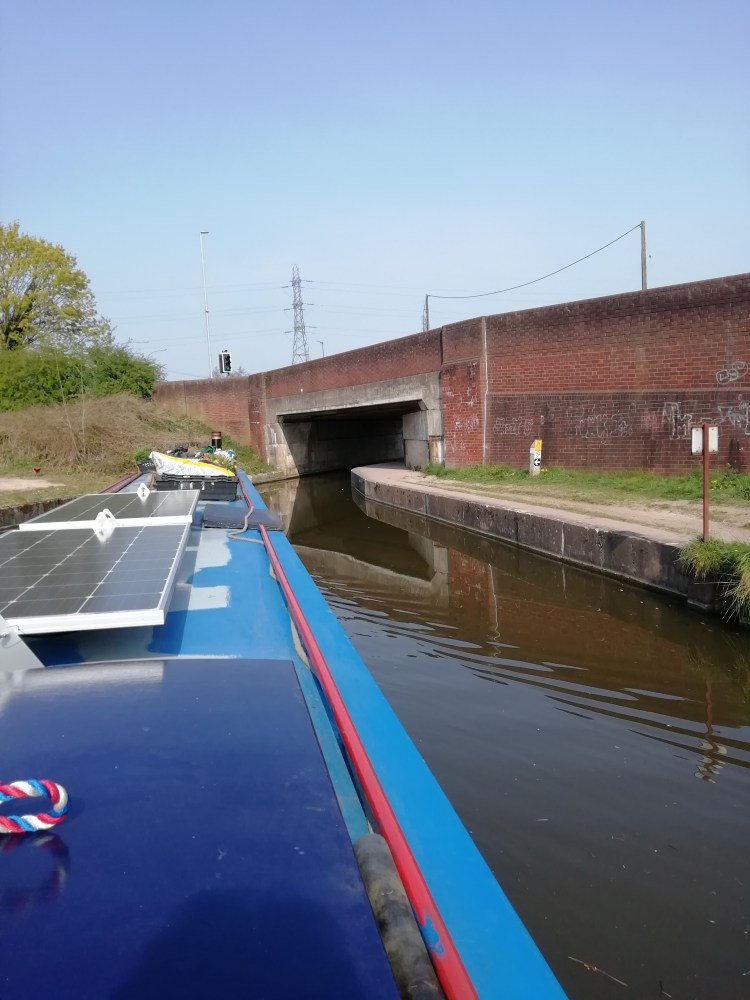
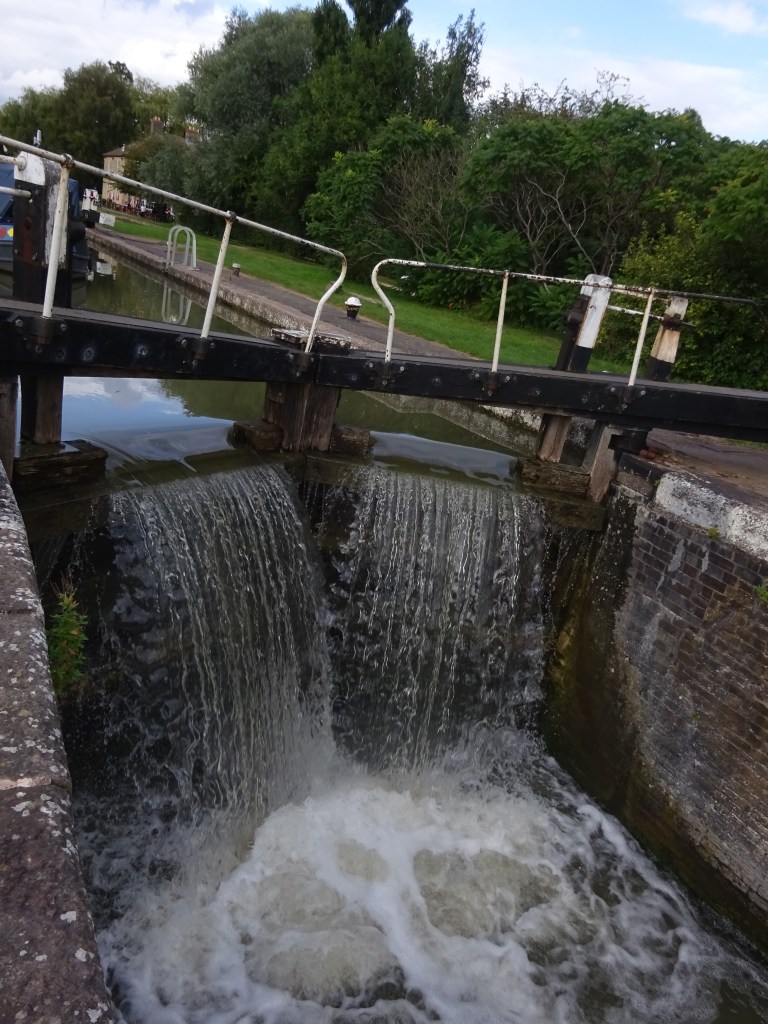

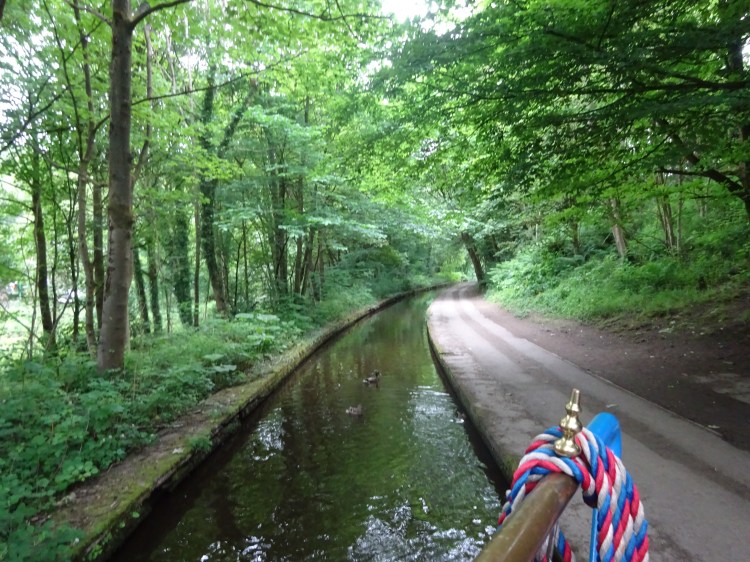
On our travels round the network, north and south, we’ve seen everyone deals with these challenges in different ways. It doesn’t matter if they are holiday boaters, long-married couples, families or singlehanders travelling with others…communication is a key to problem-free navigation. Communication though is not without it’s difficulties…
Some blindly hope, others use sheer vocal volume (shrieking and shouting generally), some turn to modern technology bellowing into walkie-talkies or mobile phones if they have signal, and some resort to historic methods such as semaphore. For us the latter works well if there’s a line of sight. It overcomes the risks that you can’t be heard over the noise of the engine, wind or rushing water and in situations where there’s no line of sight we go for cautious slow approach until visibility is reached.
It’s been interesting travelling with others this year because you see how differently crews communicate, not only among themselves but with you too. If both of you are in a wide lock are you leaving one at a time or both together? I’ve had people say you go first and then they head off first, leaving me wondering who misunderstood! We’ve learned it’s best to communicate clearly by gestures with boaters – a clear after-you arm indication works for all nationalities, all hearing abilities and boating abilities too.
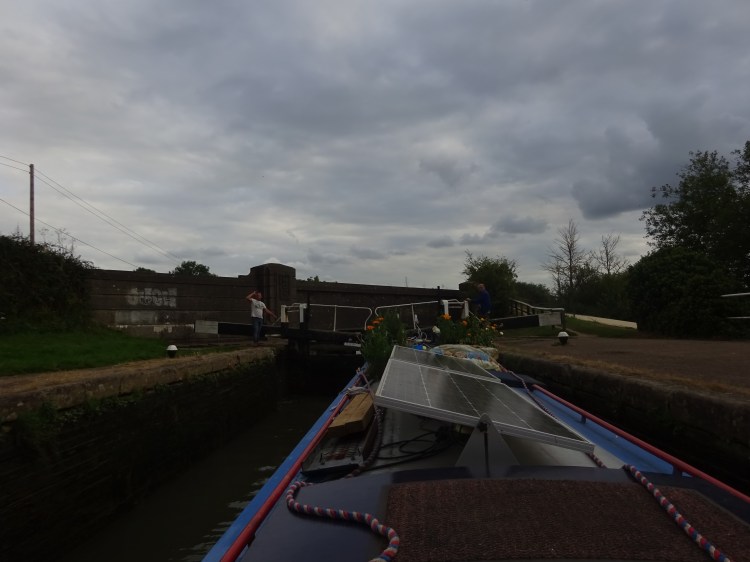

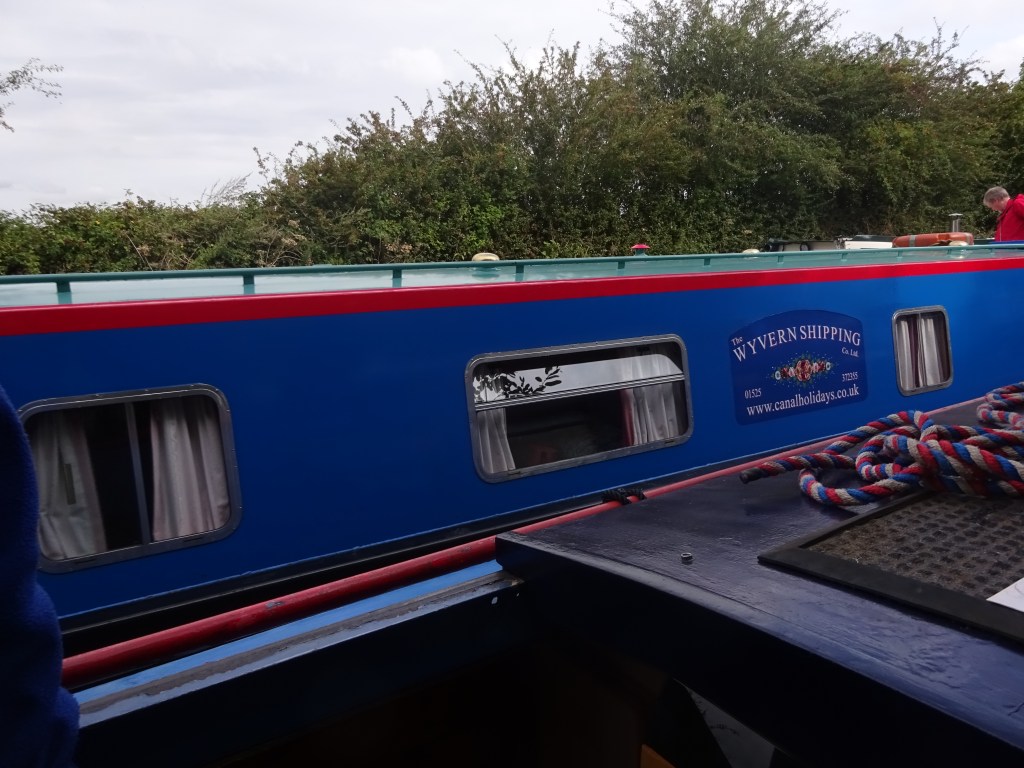
It’s not exaggeration to say that communication failure at locks can be a matter of life or death. Someone working the locks who doesn’t constantly look at the skipper on the boat to see whether they are ready can cause chaos or worse. Opening lock paddles creates powerful waterflows. They could knock an unprepared skipper off balance and into the water with fatal consequences, or sink a boat that’s on the cill or too close to the top gates. If a problem arises engine noise in a confined space, forcefully rushing water and rising panic can make it can hard for those operating the lock or on the boat to communicate with each other.
What and how we say it can have lasting impacts on individuals. In education I know the essential importance of feedback to students and colleagues – but how you say something is as important as what you say. That’s why audio, and sometimes video feedback can add so much to the words. It adds emphasis so the right things are taken from the words whatever type of day the recipient is having.
We all want to be understood and yet we take too little time to check understanding. Sometimes we don’t have long – a split second to know that what you meant has been understood. Sometimes you need simple, clear and pre-discussed signals and actions to make things instantly clear. Sometimes you don’t have that luxury. A hand raised palm forward as stop seems universally understood and is clear – unambiguous. It can be quite calming to communicate so clearly and quietly – amid often noisy settings yelling and shouting just seems to inflame situations, creating uproar where there’s no need for it.
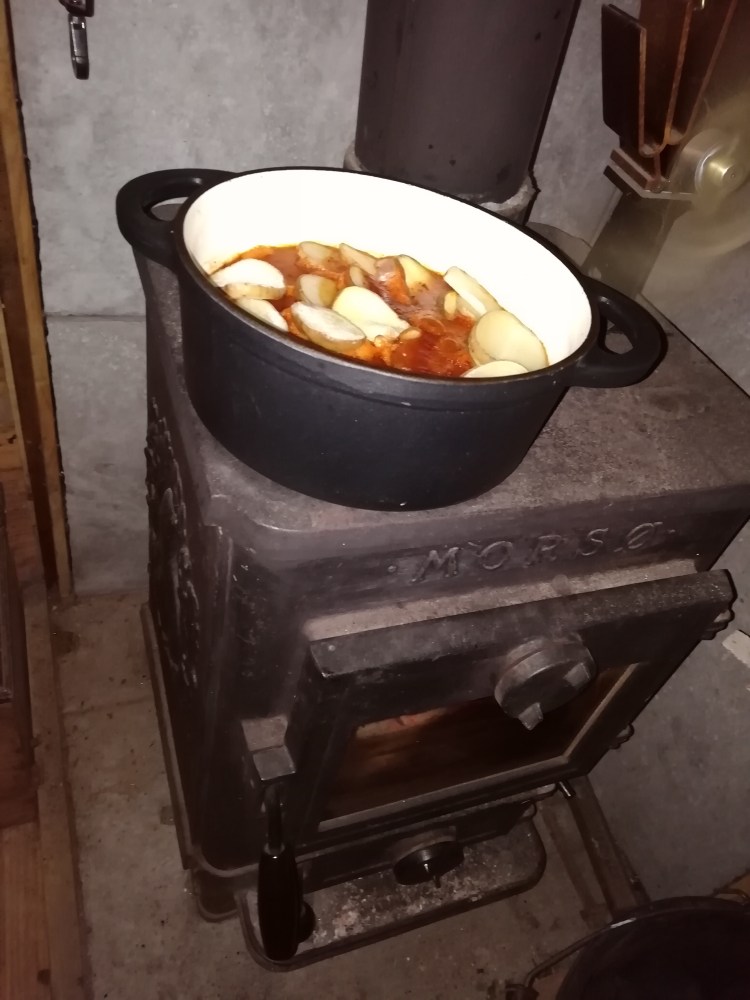
If there is a breakdown in communication then it’s important for the future to understand what went wrong – without attributing blame (that’s the hard bit). Sometimes this is where gestures Dee talks of, can mean so much. A smile, a hug, a hot meal ready and waiting, a cuppa, and CAKE. All these communicate so much which goes beyond words. They are understood across generations and nationalities – as part of a universal language of understanding, caring and love.


A gesture speaks a thousand words – but also remember the power of a shake of the head, a frown, a shrug, a dismissive look, a judgmentally raised eyebrow – and think how those might be interpreted by others, even if meant as a joke! (It’s usually those closest to us that we fail in this way as I know too well).
In our communications next week afloat or on dry land, let’s show people we care about them and demonstrate that by taking time to check they have understood what we meant. Let’s think of others and be positive in what we communicate, and supportive in how we choose to communicate. That should be as good for us as much as it will be for those with whom we communicate.
 Pickingupducks