Solutions to what may seem insurmountable odds come in multiple guises and so often the answers lie in the shared endeavour of teamwork. It’s true in physical and academic endeavours; in engineering and business.
Teams are valued in the real world but often not appreciated in Higher Education – at least by student team members who believe it’s individual endeavour which matters and counts. This results because so often we consider that our outcomes are, and should be judged on our individual contributions.
The canals of Britain once again showed us the value and scope of teamwork and shared endeavour this week.
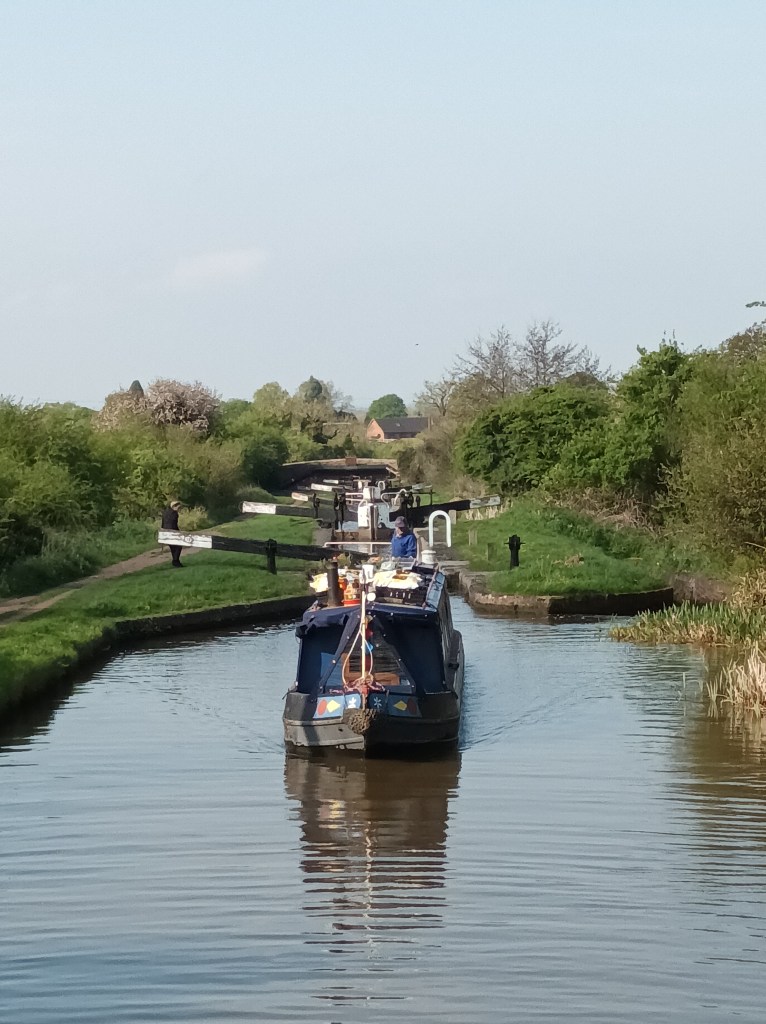
The longest flight of locks in the UK raises (and lowers) boats 220ft at Tardebigge in Worcestershire. Over 2.25miles 30 locks are the solution to getting boats over the Lickey Ridge.
This lock flight is a feature of the Worcs and Birmingham Canal. It was designed and built by teams – of hard working navvies and a trio of engineers. They started in Birmingham in 1792 and made it to Tardebigge without needing a single lock. At that point it plus its tunnels, were wide enough for 2 laden barges Once locks were needed to tackle the terrain wide locks were out of the budget. So the 56 locks down to Worcester are single with narrow 7ft chambers. The final 2 between Diglis Basin and the River Severn are wide, enabling river-going vessels to enter Worcester to unload or offload onto narrowboats for the journey up the locks.
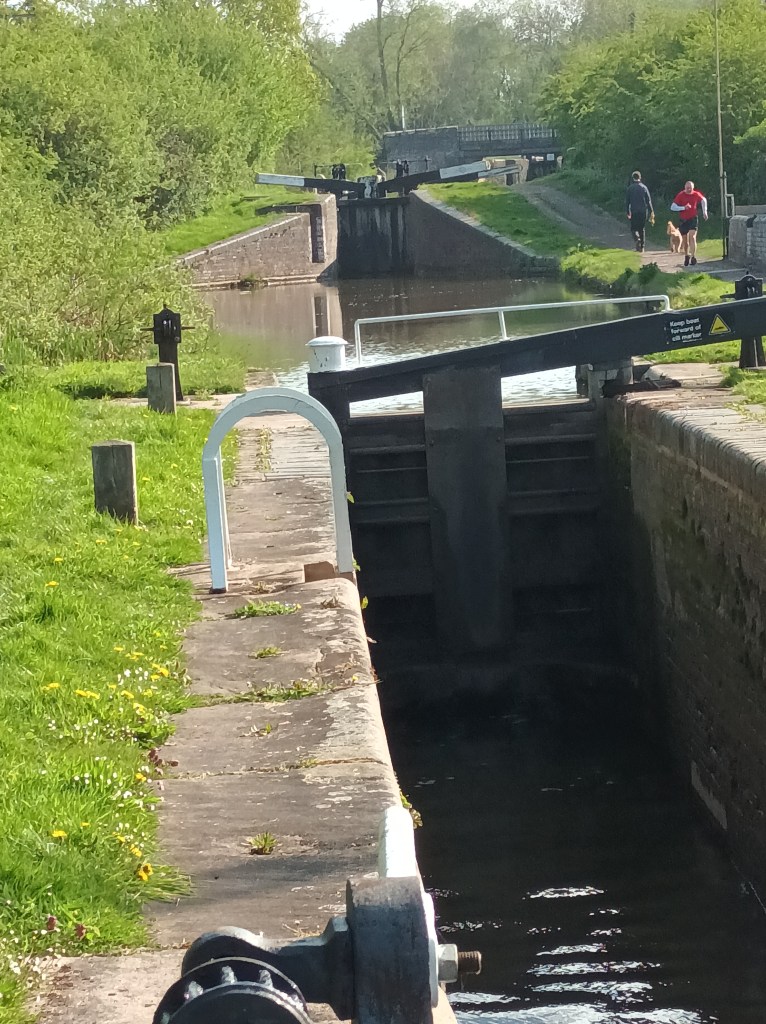
The 29 mile canal was a key factor in the the commercial success of many firms including Cadbury Chocolate, linking as it did their factories in Bournville and Worcester.
For today’s boaters laden with our worldly goods or holiday essentials, making it up or down the flight is as Pearson puts it ‘A Boater’s Rite of Passage’.
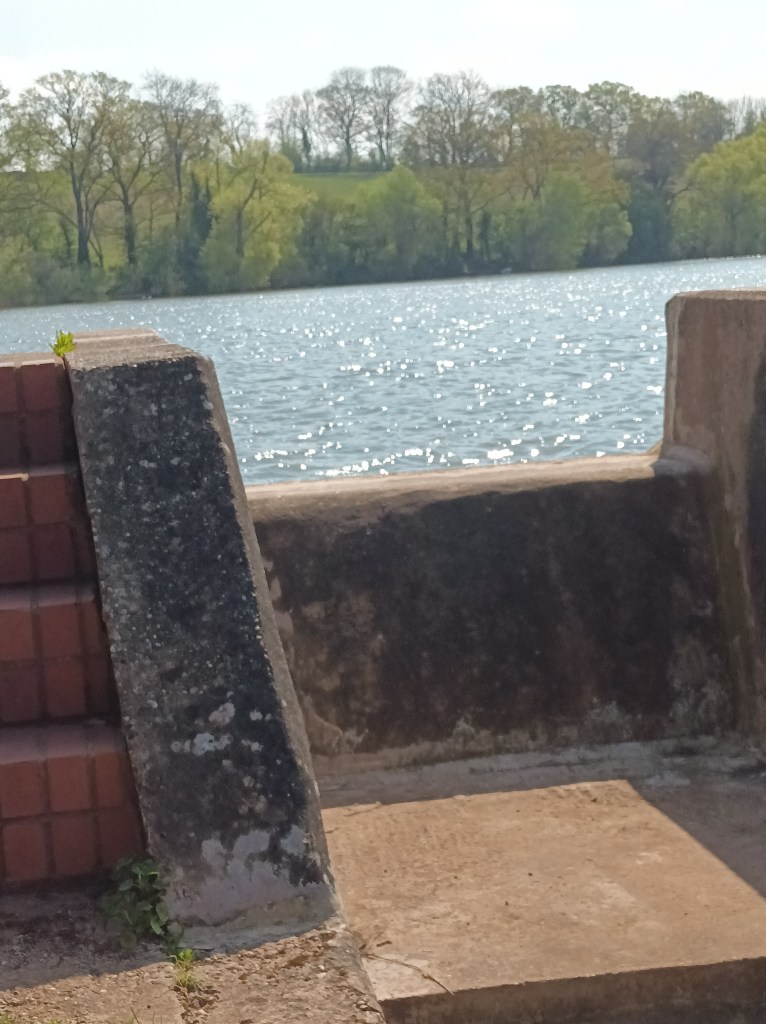
Some have tried to moor at the Reservoir near lock 57 but CRT advise there’s no overnight mooring on the flight so all 30 need to really be done in a day. The final lock is deep – 11ft.

It was originally created as a vertical boat lift designed and installed by John Woodhouse. His solution raised and lowered a boat at a time in a water filled chamber worked by counterweight and a windlass. It did work, moving 110 boats in a 12 hour period but it wasn’t considered robust enough for continuous commercial use so the Lock we still use today was installed. Technically it can move fewer boats in the same period but has been working since 1815 with only pauses for maintenance.
Technically the whole lock flight could take up to 7.5 hours to complete though for most it is under 5 hours. Time depends on the number of boats in the flight and the numbers of working crew aboard. Single handed boaters tend to take longer and the flight is most rapid for those with a team of board who can continuously prepare locks ahead as the boat moves through.
Teams from one boat also help others – true team spirit evident along the waterways.For us, a single additional crew member taking us to 3 plus dog enabled us to complete our ascent in a highly respectable 3hrs 8 mins.
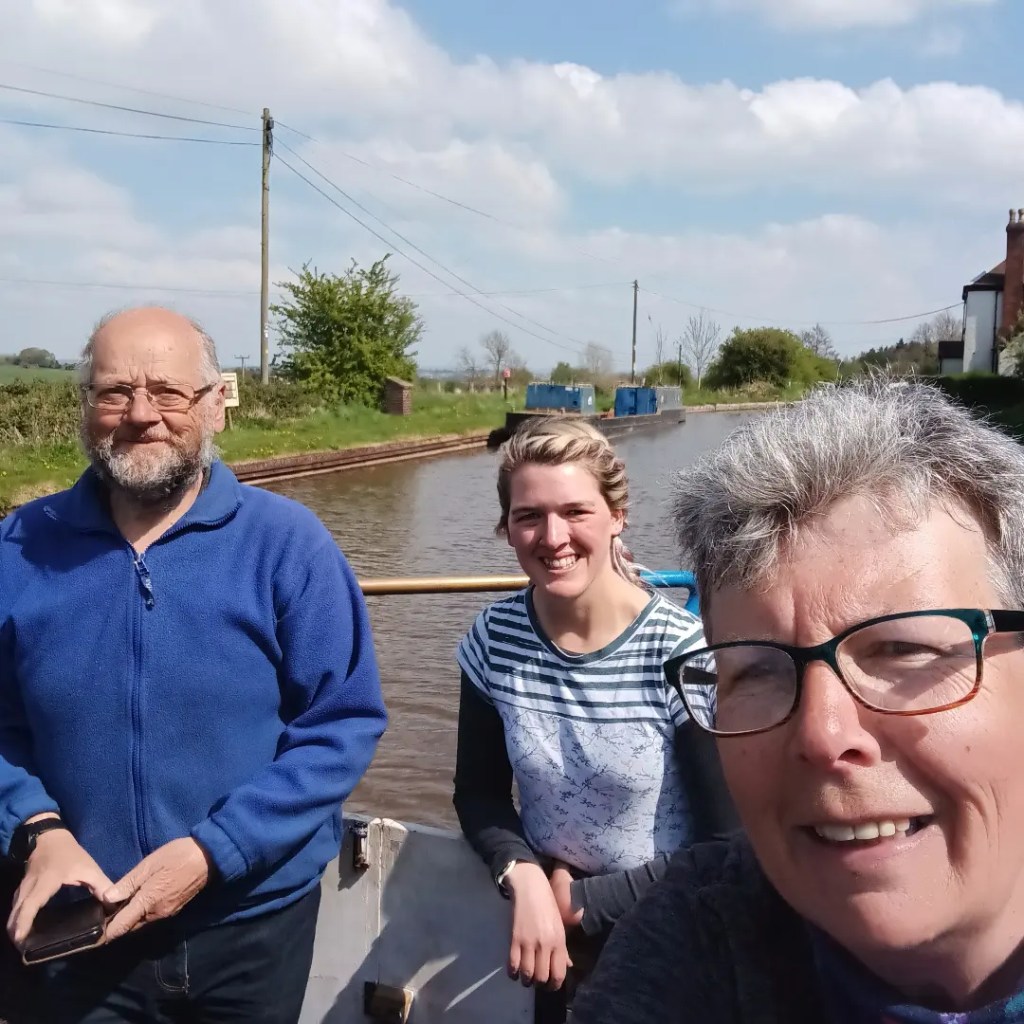
Teamwork wherever it appears pays off, just as it has in designing, building, and now navigating this remarkable flight. It provides a lesson to remember:
Tackle more together
Enjoy empowering each other
Abandon individual egos
Make more happen
Have a good – team-fuelled week!
 Pickingupducks