Seeing the changes being wrought on the landscape this week by HS2 prompted this week’s blog.
We’ve been travelling the Grand Union to Napton Junction where we turned onto the Oxford Canal. Both evidence the changes of HS2. Travelling on from Leamington Spa we saw the impact on the landscape of the southern section of the high speed line in Warwickshire.
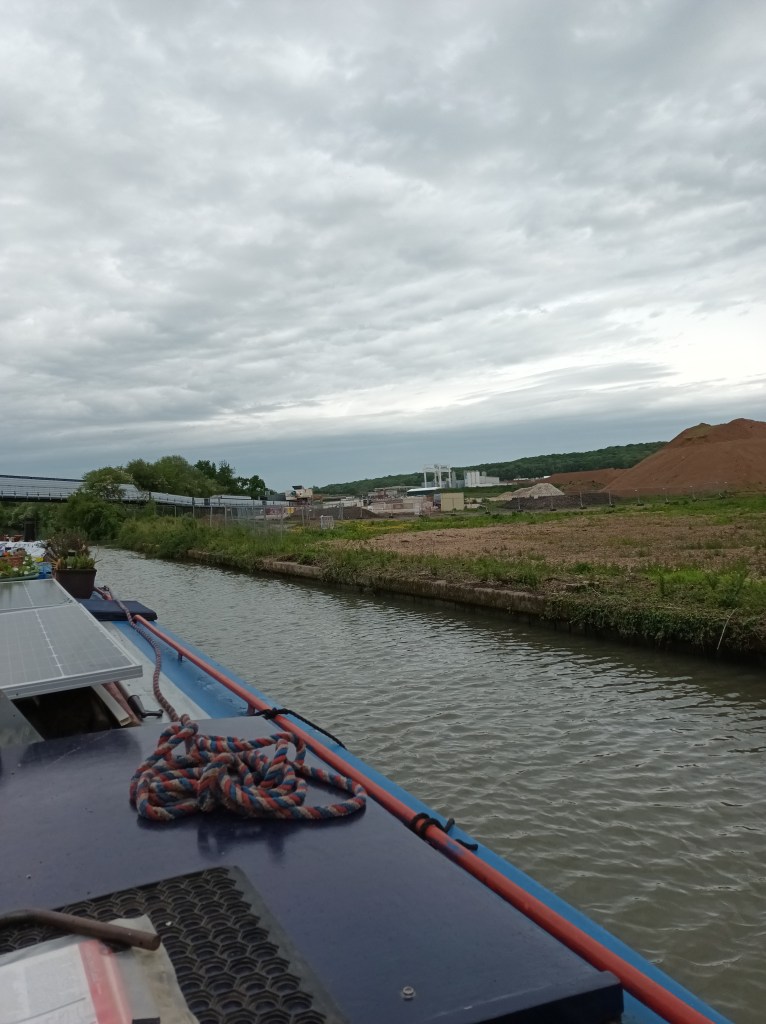
The line will go through a mile long tunnel being dug beneath ancient woodland and then travels south on a huge 60m concrete viaduct over the Oxford Canal and towpath near the village of Wormleighton. The Long Itchington tunnel is being dug by a mechanical mole named Dorothy after the first British woman to win the Nobel prize for chemistry in 1964. Dorothy Hodgkin was a student of Somerville College Oxford, just a stone’s throw from our current mooring, and later returned to the City as a research professor.
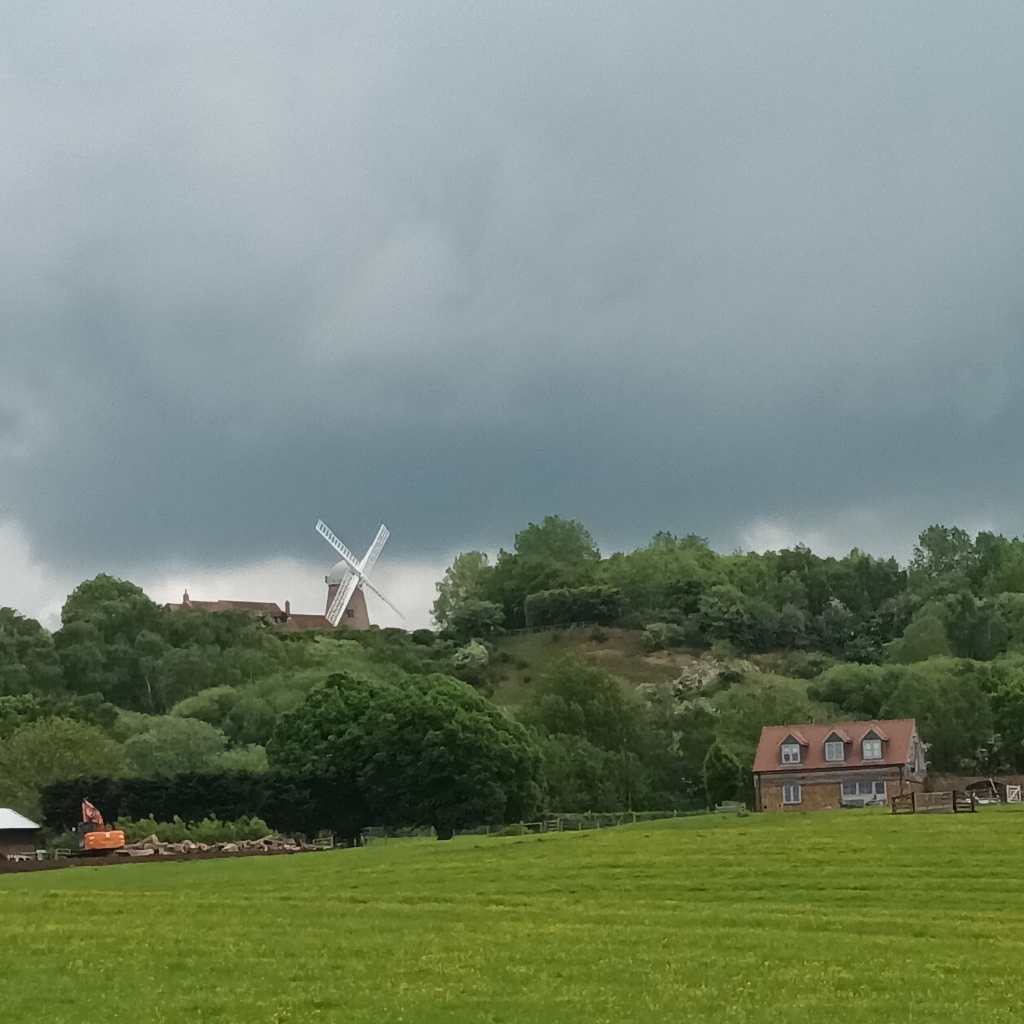
The Oxford is a contour canal, following the curves of the land. That means changes are visible for a long way. The Napton Windmill is one of these landmarks you see for miles. It’s been a visible sign of change on the landscape for centuries, originally powered by wind, then steam and then rendered sail-less before being restored as a listed part of a house. It’s a beacon of historic changes on this 75-mile canal that was once a coal route from Coventry to Oxford, and connected to Reading and London via the River Thames.
The Oxford Canal has seen dramatic changes since it first opened in 1790. Its first competitor turned out to be the Grand Junction Canal (Grand Union as we now know it after a name change). It offered a quicker, shorter route to London. Then came the railways offering even quicker and shorter journey times for freight. The canal struggled on but was facing closure and dereliction by the 1950s.
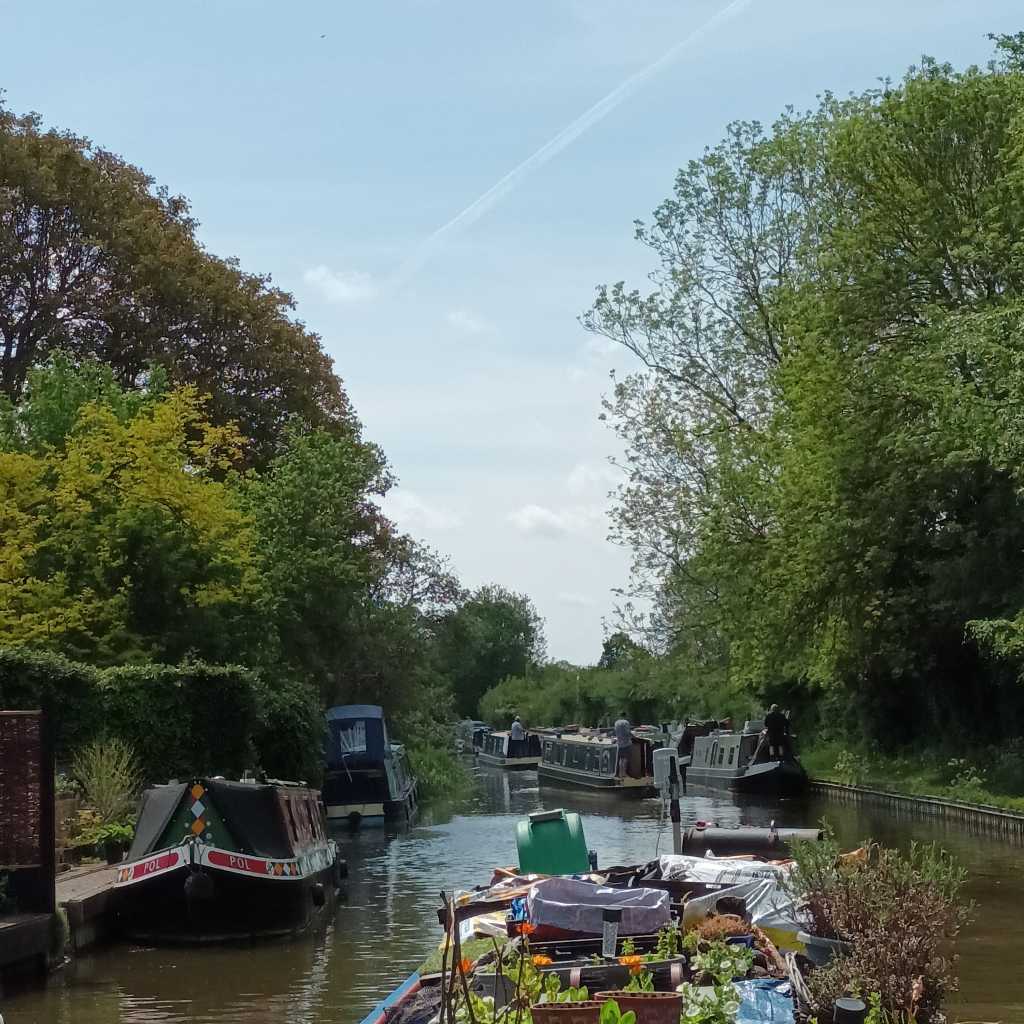
Today it is bustling and busy with commercial hire boats and private boats, a testament to the vision of the Inland Waterways Association which fought and won one of its first campaigns to get the Oxford designated a Cruiseway in the 1968 Transport Act.
The IWA came about to restore, retain and develop the Inland Waterways of The British Isles not just for leisure but commercial use too. The change it has created stems from the impact of a book – the power of the pen to create change.
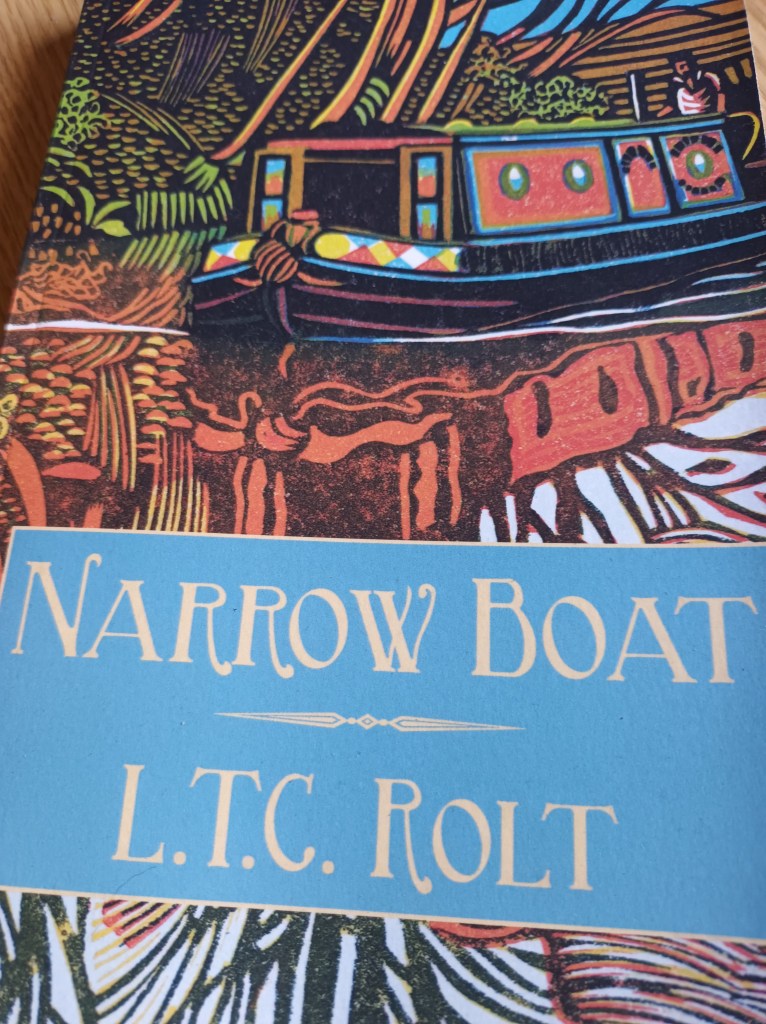
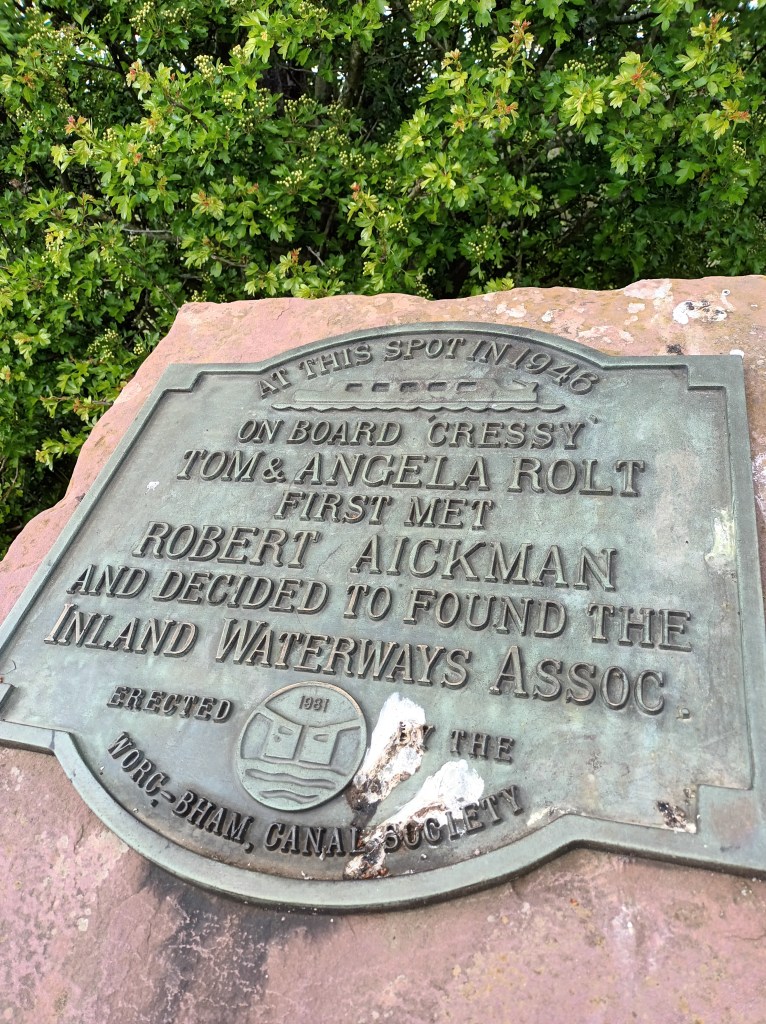
Tom Rolt’s book Narrow Boat, vividly chronicles his 1939 journey around the canals in his boat Cressy. It still inspires people to seek a life on the inland waterways (although most of us don’t manage to incorporate a State Room and full sized bath on board!). It also sparked a partnership between Rolt and Robert Aickman who suggested they form a society to campaign for the regeneration of canals.
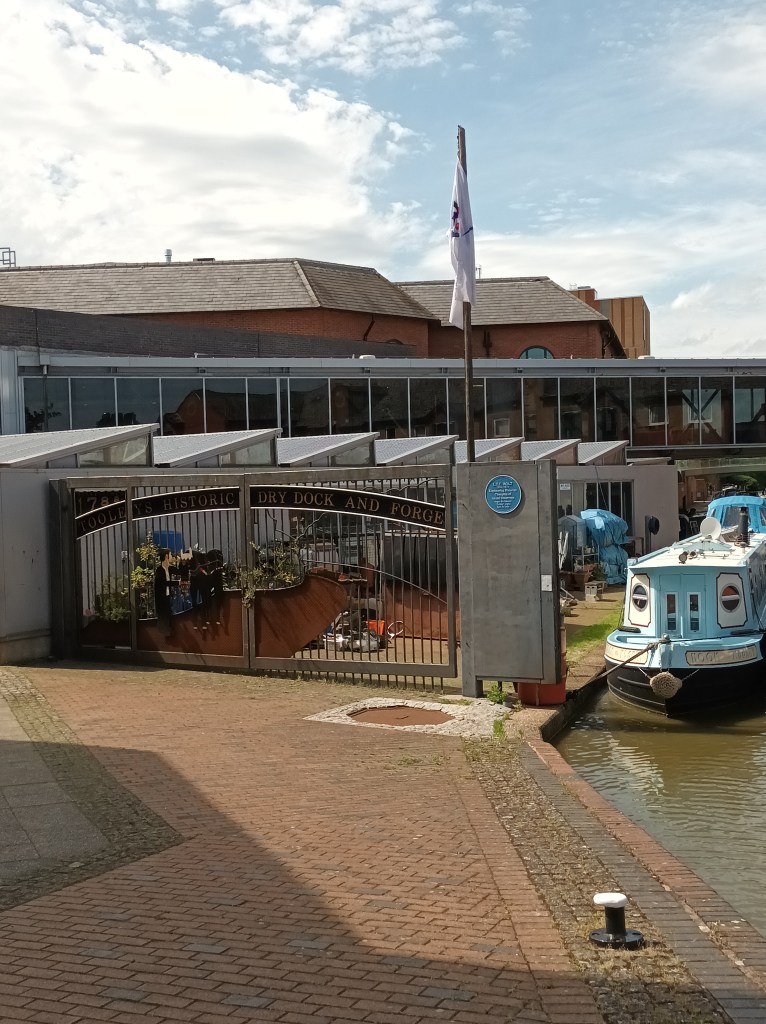
On Saturday 11 August 1945, the men and their wives, Angela and Ray, met for the first time aboard Cressy at Tardebigge on the Worcester & Birmingham Canal. The inaugural meeting of The Inland Waterways Association took place six months later.
The leaders have changed, members have changed, the work has changed but the IWA’s focus remains the same – to restore, retain and develop our inland waterways. Change means just that – things don’t stay the same.
The IWA has been active along with Canal and Rivers Trust in seeking to positively protect the canals at times of change wrought by apathy or activity like the construction of HS2.
On our travels elsewhere in the country we’ve seen individuals banding together to try and bring about change because of the environmental impacts of HS2.
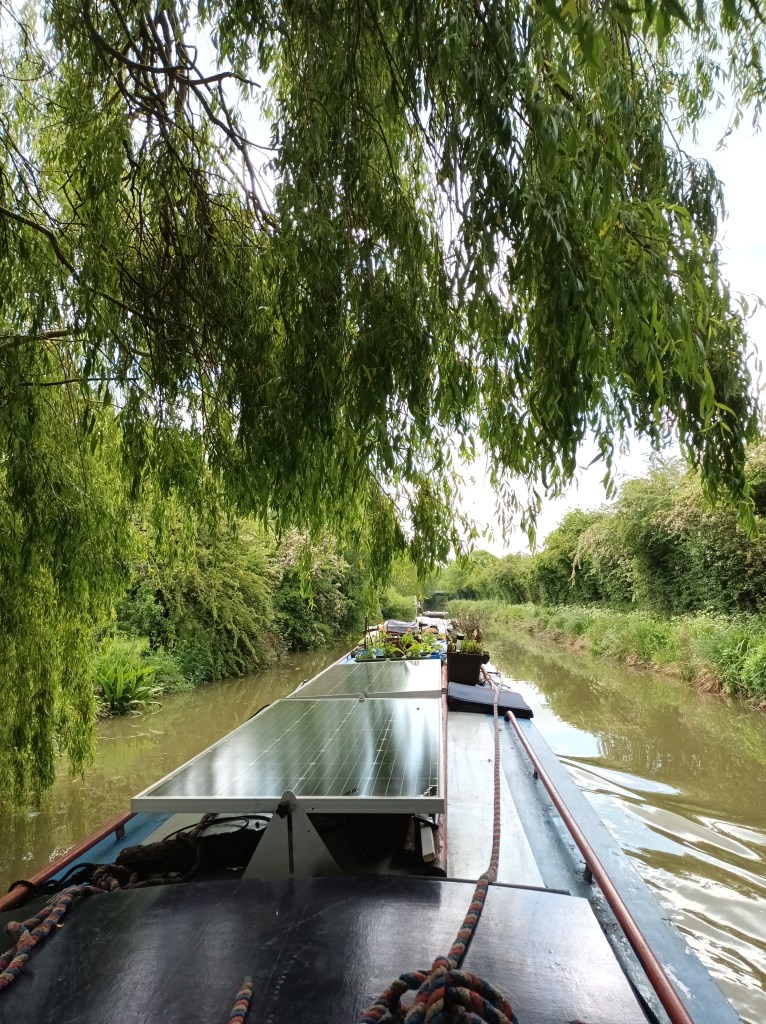
We are grateful daily for the changes brought about by Rolt, Aickman, their wives and those they inspired to continue the campaign for the waterways. Those changes mean we have been ablento change to living and working afloat.
 Pickingupducks