Farewell October 2025, month of queues!
The drought and hot weather of the past two years has led to an historic shortage of water in Britain’s canals and the reservoirs that feed them. It was the driest spring since 1893 according to the Met Office, and much of the country was steadily declared in drought over the coming months. As a result many canals were closed by chains physically locking shut the locks that allow boats to travel up and down the contours of our countryside.
The first stage was restricted opening hours of locks from the start of July. The Grand Union that runs like a navigating backbone across England, the Oxford canals and parts of the Midland network were the first to experience restrictions.
Being unable to move a boat makes a challenge for boaters without personal road transport or in accessing facilities like water and waste disposal, and without access to public transport basics like getting to shops or doctors can become a major difficulty. It isn’t something you necessarily think of if you don’t live on a boat. The requirement in drought struck movement restricted areas to keep moving boats was waived, and life changed.
In mid October the flight of locks at Stoke Bruerne in Northamptonshire reopened after closing on Bank Holiday Monday at the end of August. We watched from our peaceful rural mooring as boat after boat headed to create a queue ready for the unlocking of the chains. We chose in that instance not to join the initial rush, but to bide our time and travel up a few days after the locks opened. It was a calm unrushed ascent with another boat keeping us company in the wide locks. We only had a short wait at the foot of the locks before heading up.
The journey between Stoke Bruerne locks and the next flight at Buckby Locks took us a while, but when the Buckby flight opened we wanted to be there within a few days as there was some concern that if water supplies proven insufficient, the locks might not be open for the predicted span. Buckby found us 3rd in a queue but one of those boats chose to head to Whilton Marina to fuel up, so we became at their kind request, one of the first two to go up the wide locks on the day.
From the Buckby Flight we turned right at Norton Junction onto the Leicester Line, heading back towards family and friends and that was where we encountered the longest queue of this autumn. The queue stretched back parallel to Watford Gap services on the M1, and wound its way up to the base of the locks which take just one boat at a time, and include a staircase.
When we arrived at the top with a day to go before the locks opened on Monday 27th October there were 12 boats at the top waiting to come down, but at the bottom with us were another 22 boats. That same day the next flight of locks at Foxton were also due to open, for just a single week. We needed to get through both flights to move on along the Leicester Line, so we knew we needed to get through the flights at both Watford and Foxton as soon as possible to ensure we could get through while water supplies remained for us to do so.
That added anxiety to the queuing process at the foot of Watford Locks. We believed we were boat no. 13 in the queue to head up, and that gave us plenty of time to watch queue psychology in action.
There are some definites in this queuing process which those who manage queues in person or online know about:
- In queues people want to get started.
- Not knowing how long you’ll have to wait makes the waiting longer.
- Waits that are perceived as unfair are longer than a fair wait.
- Anxiety always makes a wait longer.
- Explained waits are easier to cope with than unexpected waits.
- Boredom or nothing to do makes a wait seem longer.
And it becomes obvious that queues contain very different personalities. Embracing the waterways its apparent that these align well to the birds we see most days. Here are those spotted at close quarters:
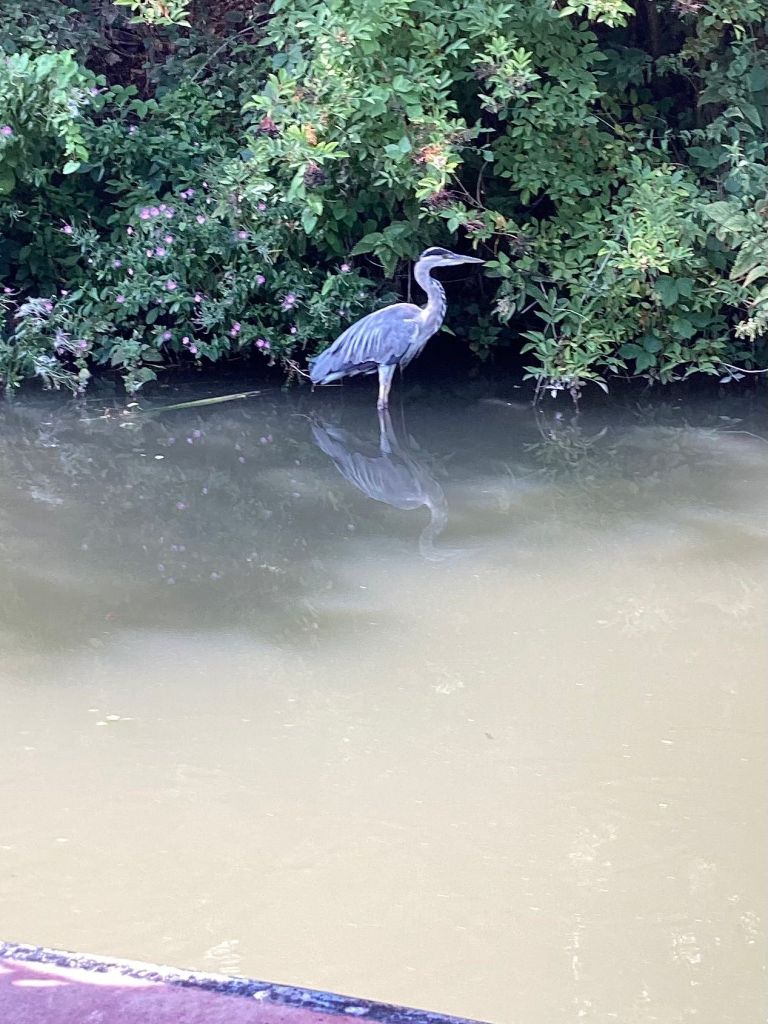
Herons – those who stand and watch and wait. They stay aloof and don’t get involved. In boating terms they stay on their boats and only move when they have to.
Geese – make a lot of noise, believe there is safety in numbers and move together. In boating terms they move along with their boat, chatter about the queue – who was where and who should be where according to them (not always the same thing).
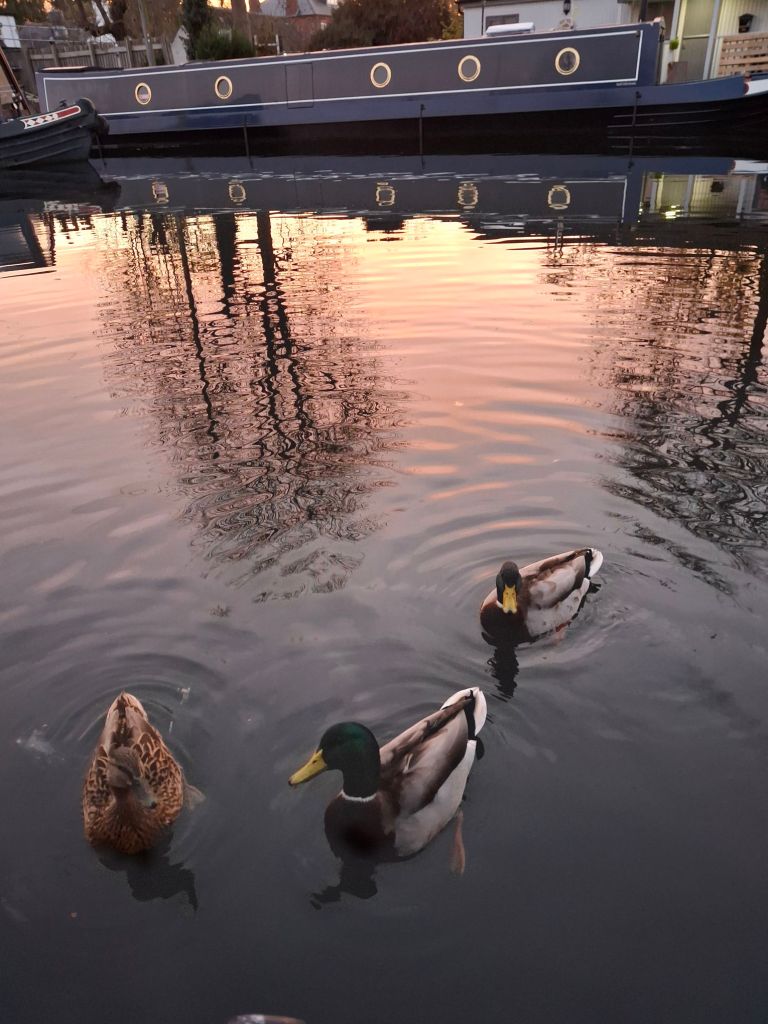
Ducks – purposefully travelling, move ahead to make way for others, tell others of opportunities for food and nesting. In boating terms they help on the locks helping everyone through, whether supporting their boat or not.
Moorhens – dash back and forth in a hurry making quite a racket similar to a squeaky toy! They always draw attention to themselves. In boating terms at Watford the vloggers busy with their filming and charting their own journey and not helping others up or down the locks.
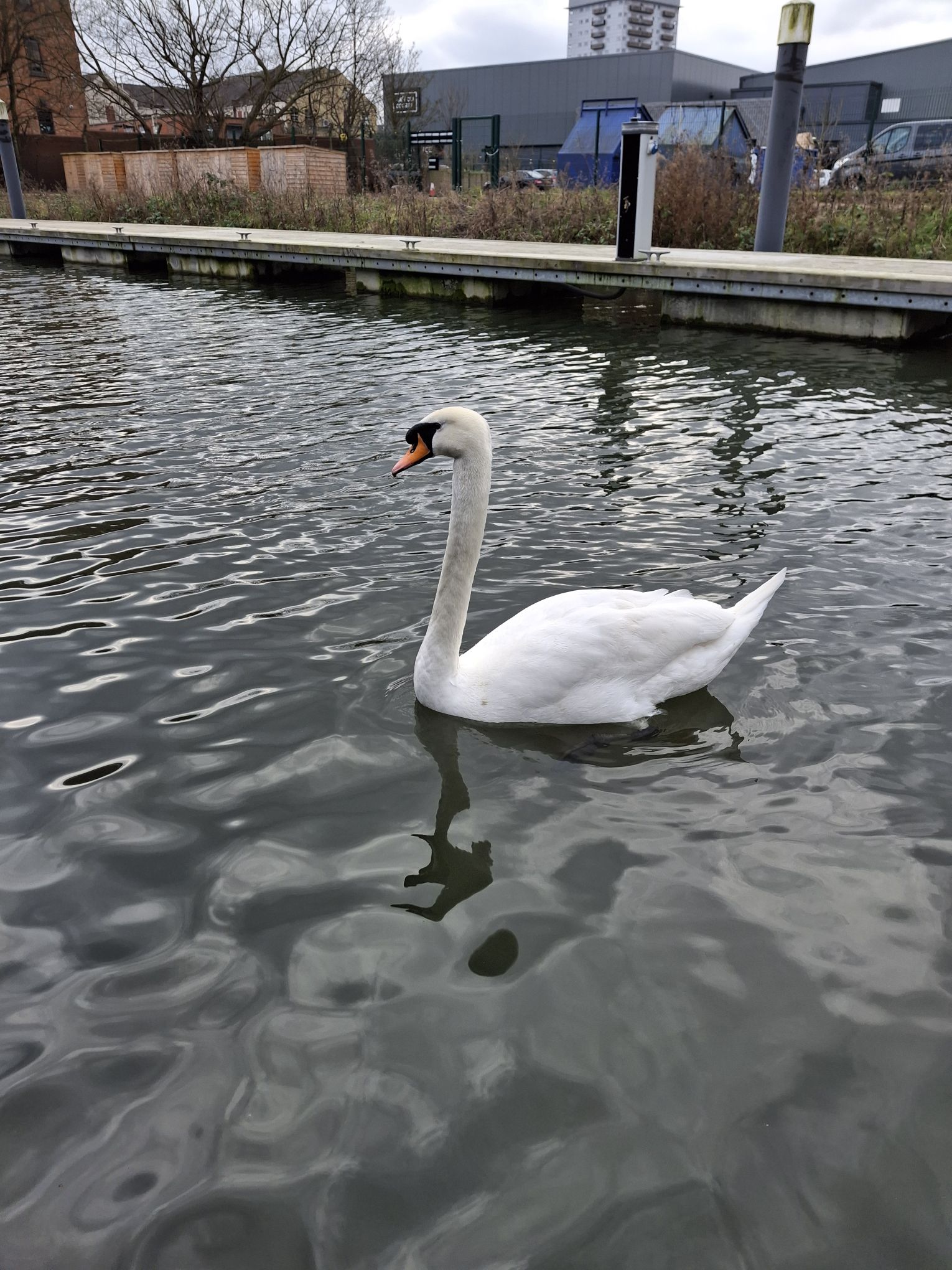
Swans – because of their size they often organise food queues at boats and sides of canals. They paddle hard, pull their weight and try to stay serene. In boating terms they could well be said to be CRT staff and CRT voluntary lockkeepers, some of whom over the past weeks have faced a lot of unnecessary stress from queuing boaters but try to maintain calm.
What were we? I hope we were ducks. The Skipper worked locks all morning, I worked them all afternoon, and that certainly helped the length and boredom of waiting. The lock keepers chose to bring all boats down first after then 10am opening, and then began on bringing boats up which began in the afternoon. By the time the locks were re-locked at 2.30pm we were the penultimate boat to travel up. The relief was immense, but we knew there was still 20 miles to travel to get to the top of Foxton’s 10 Locks once we moored in the gathering gloom at the top of the 7 Watford locks.
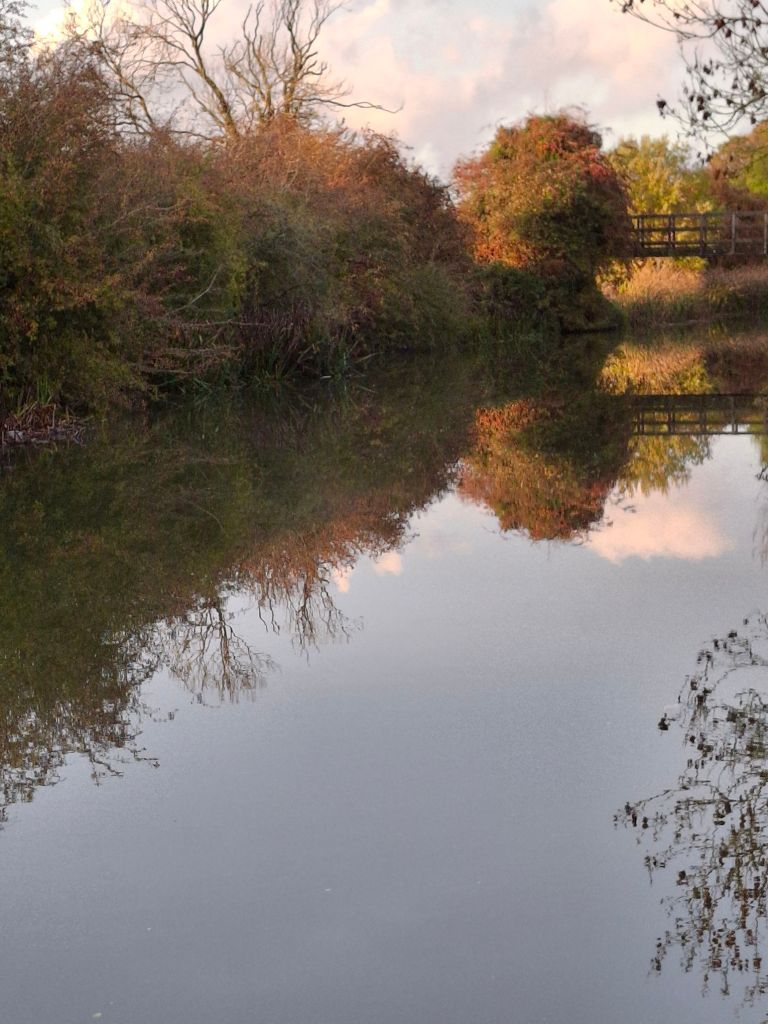
What birds would be gathering and chattering at the top of Foxton Locks we wondered? The answer was a single, highly efficient Swan who started us straight down the flight as we arrived. So now we are down at the foot of Foxton Locks, able to travel to Market Harborough’s Union Wharf or up to Kilby Bridge for a while. Beyond Kilby Bridge there is no water to enable navigation so until there is, we will remain where there’s enough to stay afloat. Around us are very few boats but plenty of swans, a heron, moorhens and ducks – all I’m pleased to say, of the feathered kind!
 Pickingupducks