History isn’t something in the past if you live on the waterways. It is part of the present, entwined in daily life, in constant reminders, as we walk on and in the very footsteps of the past worn into stones and steps, past bridge rubbing bands worn into deep grooves by the ropes attached to horses pulling boats along the canals, and as we stand on lock landings where boatmen have stood for centuries watching their boats rise and fall just as we do now.
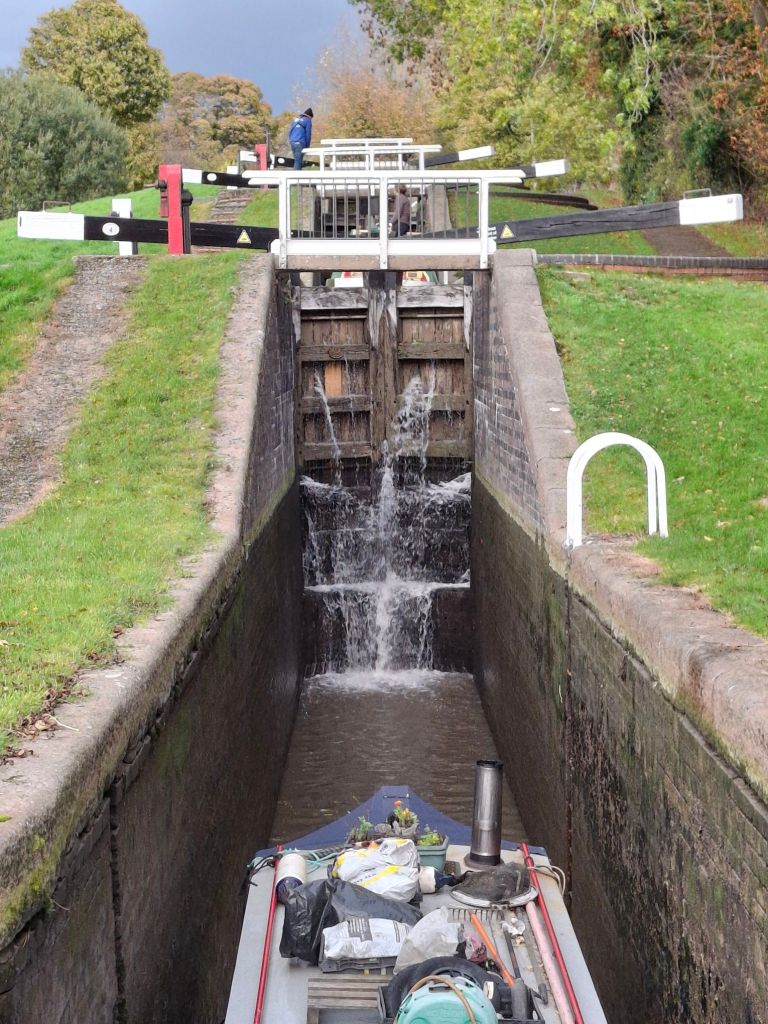
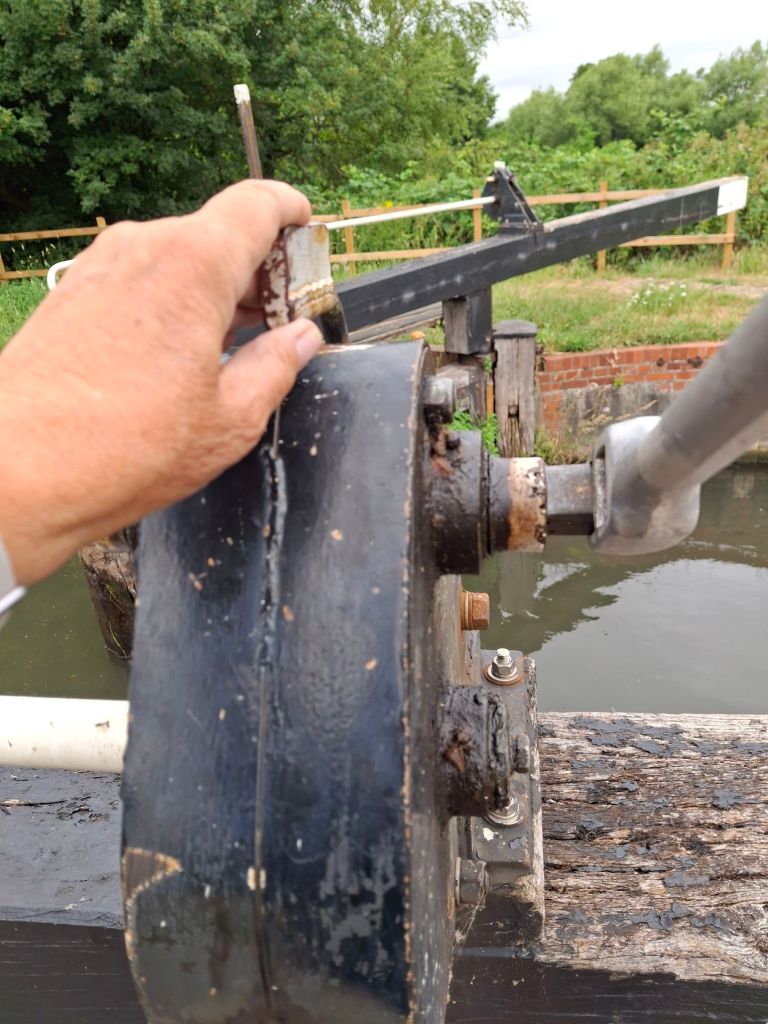
History on the waterways is current. It is yesterday and today spliced together in structures, routes, and water. The sights, the sounds, and the smells of the waterways combine – unchanged and yet totally different. Woodsmoke drifts across our nostrils but is fortunately no longer combined with sewage and horse manure in most places! Rural landscapes roll out ahead as they have done for decades but the wharf buildings which once meant working locations and money for the boaters are now often modernised into offices and homes or flattened entirely.The sounds of mooring pins being hammered in, and the rattle of the ratchet as you turn the windlass to open the paddles remain the same as they always have been. They tell you someone’s coming, or going, or staying nearby.
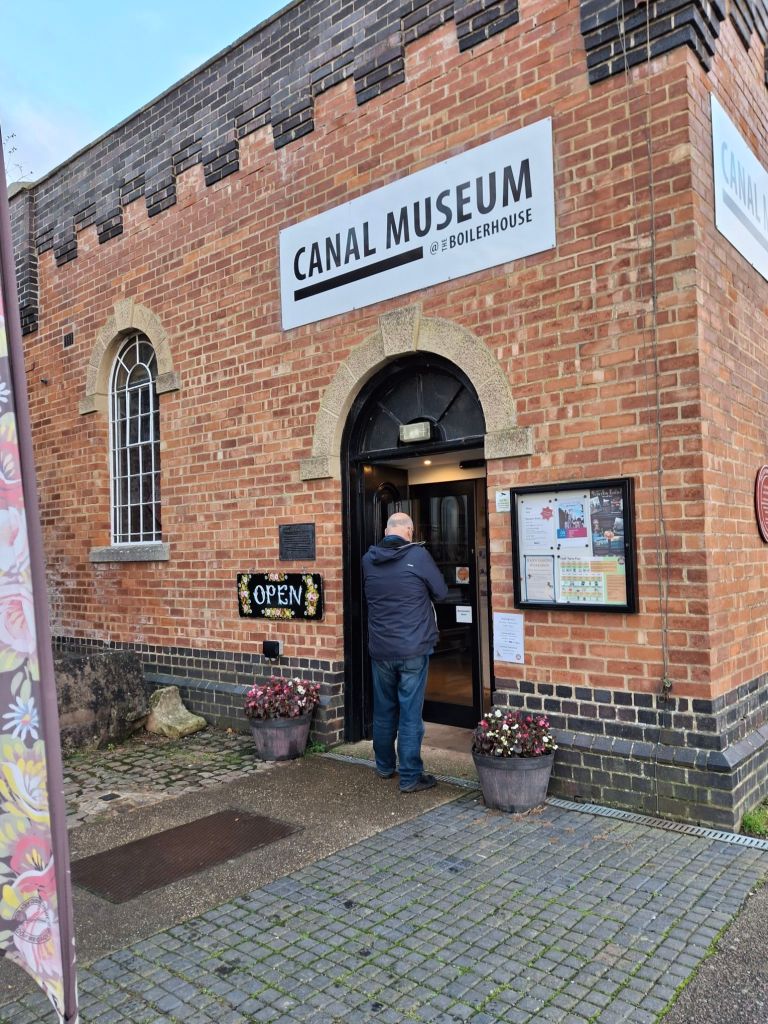
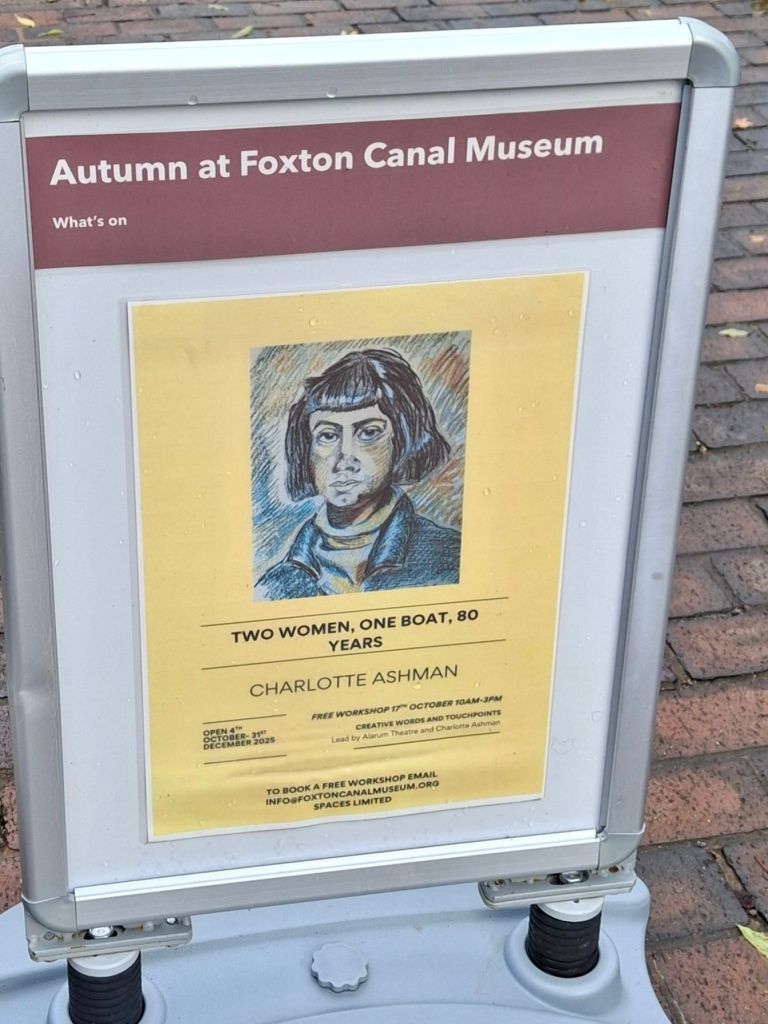
An atmospheric, multi-media and unique exhibition embracing the similarities and differences of the past and present is now available to everyone, boater or not, at the Foxton Canal Museum until 31 December. Two Women, One Boat, 80 Years by the boatwoman, artist, and printmaker Charlotte Ashman, is a rare glimpse into a remarkable shared story that spans time.
Charlotte and her daughter live and work aboard a 72 foot-long boat, Hyperion, with her butty Hyades (also 72ft towed behind, no engine). Hyperion was built in 1935. Just four years later, she and her butty were in service as part of the war effort. At the tiller, Christian Vlasto, a female artist and printmaker (one of the so-called “Idle Women”). Hyperion plied the waterways between London and Birmingham carrying steel, aluminium, coal, and sometimes munitions.
As she stands at the tiller, Charlotte is vividly aware that she shares a view along her boat that would have been exactly the same for Christian, she stands in the same spot, making the same movements and adjustments to maintain navigation, her hand on gears and throttle operating in the precise shadow of the past. She sees from and in the cabin much that Christian’s eyes would also have seen. The resulting project looking at the intersection of heritage and female perspectives on the water – particularly the unique connections between the two women themselves, as artists and printmakers united by their work and the huge working boat Hyperion, brings a remarkable insight into shared similarities than span the years.

These two women know, and knew, a life many men on the working boats found hard, and many men gave it up because it was too tough. It isn’t easy now, even basic day-to-day living on a historic boat is hard work, but both these women like countless others, thrive on it, revelling in its freedom. Both Charlotte and Christian vividly reflect the places, people, and nature of the waterways in their work.
The soundscape of working boats remains unique, the heartbeat throb of the engine, the soft splashes and ripples as the boats move through the water, the birdsong around, and the creaking of the ropes when moored. In the exhibition at Foxton, visitors have a rare chance to go aboard Hyperion, to hear how Charlotte lives and works aboard today, and to see the inspired work both she and Christian created and create onboard.
The famous locks at Foxton have closed again this week due to a lack of rainfall and reduced capacity in the reservoirs. That means we are restricted for cruising but the life of the waterways remains alive thanks to this remarkable exhibition in a museum that whilst small is packed with multimedia insights into the world that was and in so many ways still is, in existence today. Conveniently sandwiched between two pubs and a cafe, this museum is a MUST VISIT for families, individuals, and schools. Two Women, One Boat, 80 Years is fascinating, informative, and thought-provoking, as well as an artistically beautiful multi-media voyage back and forward across time.
It is an exhibition that will be pulling us back to Foxton as often as I can until the end of the year. See you there!
 Pickingupducks