This week has made evident just how important a strong community is to us and society as a whole.
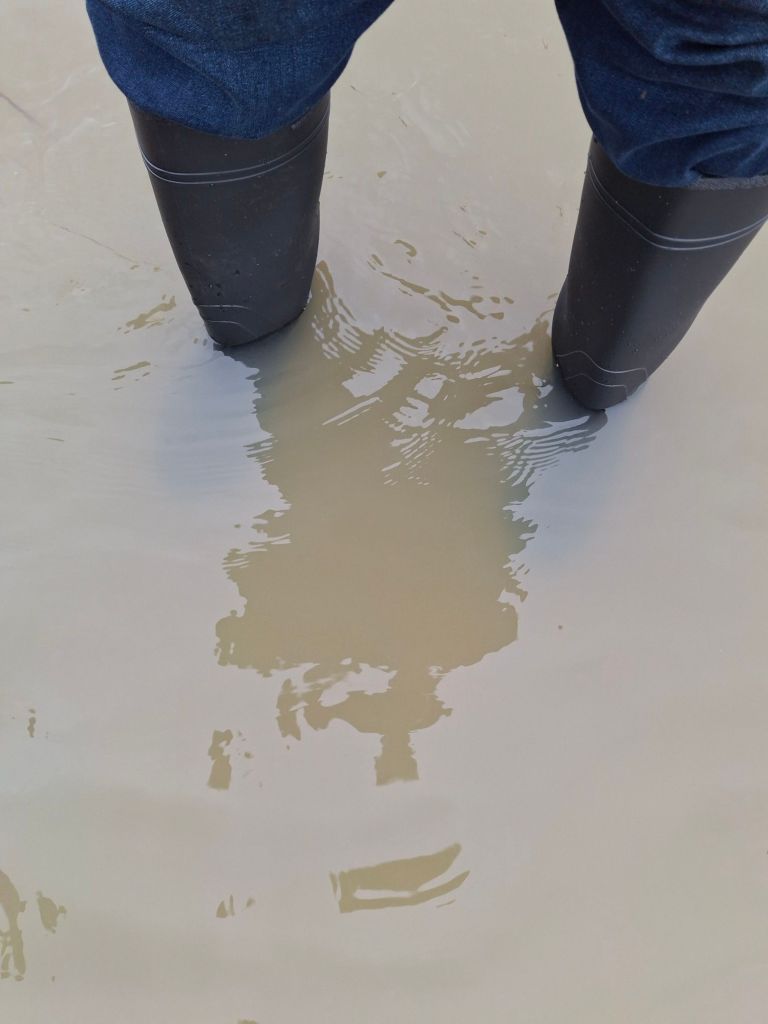
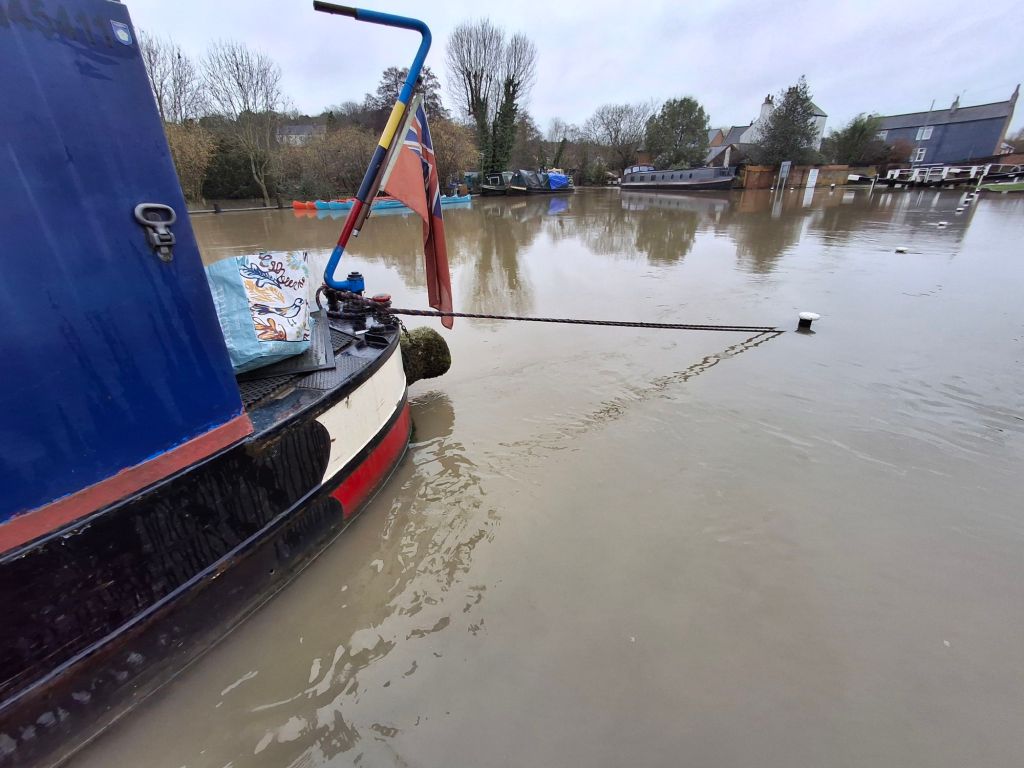
We woke at the weekend to find the river had risen dramatically overnight, our pallet step was in danger of being washed away and the towpath had vanished underwater along with the pub car park nearby. I have never been so glad at investing £13.99 as I was this week – that’s what my lovely new wellies cost me last week, and I have been grateful for them every day!
On Monday we went to help take our eight-year-old grandson to school while his mum was busy with the nearly 3-week old baby. It’s one way we can help while we’re moored nearby. Just before we left the house, we saw a neighbour of our daughter’s, an elderly lady, wandering down the road outside in her dressing gown and slippers. Obviously she was in need of some assistance so the Skipper leapt to the rescue, headed out and steered her back to her home. The door was wide open, and she was clearly distressed but headed back inside. One of the neighbours saw him and popped out to say the lady had been vey distressed overnight, knocking on doors and cars through the early hours, she (and they) had all had very little sleep as a result. People had been patiently returning her home and trying to settle her down through the night. As a result of being out and about without a coat most of the night she had had little sleep, was cold and even more confused and frightened.
We left her with the neighbour and headed off to school with Grandson no. 1. On the way I called 101 for help for her, explaining to the police that I and many others weir concerned for her safety. They were reassuring and said they would ask an ambulance to call as it appeared a health issue.
Returning from the school walk, I found her in a road again, fortunately not a main one, but still in her dressing gown and slippers. Fortunately she was happy to come with me and we returned through her wide open. She was terribly cold but content when I settled her in a chair with a blanket, made her a cup of tea and sat and talked with her. Although sounding lucid, what she actually said made no sense at all. She asked whose house it was, told me it was her husband‘s house (he’s been dead for many year) and ask why she was in it. She wanted the toilet but couldn’t remember where it was, and kept heading for the front door whenever I moved to make tea, or answer a call from the ambulance service safeguarding team.
It was very distressing and frightening for hero and it felt a huge responsibility trying to keep her safe until someone who should and could do so arrived. Eventually her regular carer arrived to get her breakfast. I left her with the carer, who had at my request called the care company to say she couldn’t be left alone and contacted her sister, her next-of -kin. I headed back home through flood water glad she was living on a hill and not contending with that problem!
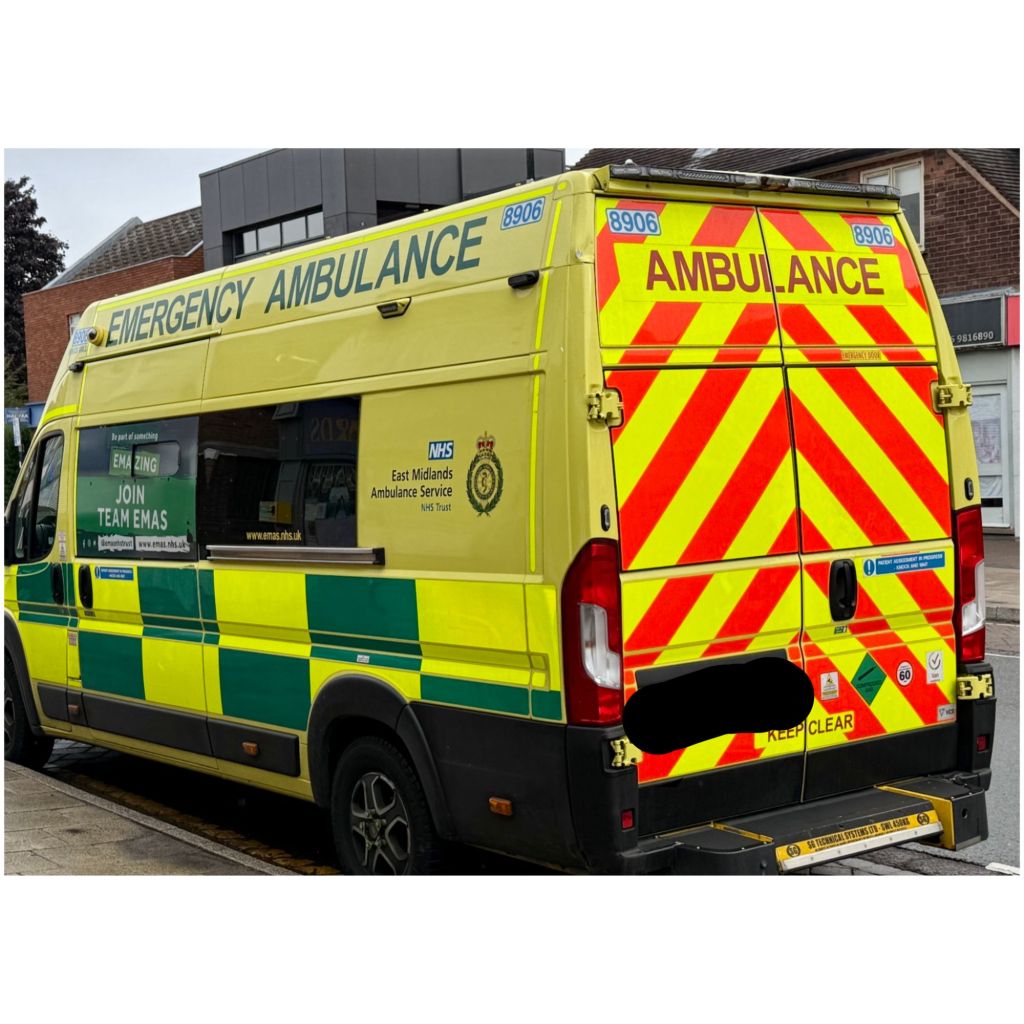
Splashing back up later to see how she was, I found a neighbour and the ambulance service there. Paramedics were absolutely wonderful, checked on everything physical for her, spent time talking to her being very reassuring and thoughtful. There was little they could do but after 4 houts (2 of them on the phone to social services) they left her with another carer.
Eventually her sister arrived – a huge relief for all who had been helping out. By then three sets of neighbours had been involved in keeping her safe for over 24 hours. They were obviously worrying how to manage another night of disturbance. We were told a carer and her sister would stay with her, so we all dispersed with relief.
Shortly after midnight another ambulance arrived and the lady was taken either to hospital or to respite care. None of us have seen her since, so we’re hopeful that she is now safe and will get the help and support that she needs. The neighbours who had been looking out for her said their involvement had become a common occurrence over recent months, and one her sister knew. It was also apparent they worried if they didn’t see her, imagining she may have had a fall at home, or had wandered off without anyone noticing. It makes us realise how incredibly supportive and long-suffering many neighbours are, and what a hidden strain being a good neighbour can be. There is also unacceptable pressure in such situations, with neighbours feeling obliged to take on responsibilities they feel ill-equipped or pressured to accept. It is a major concern when families are geographically far-flung and unable to respond rapidly to emergency situations.
It is evident the right neighbours, according to experience, can add significant value to their neighbours’ quality of life. According to research, they can also add significant value to the financial value of your home (at least 10% say Bradshaws). In the case of this elderly lady (she will be 90 in April so I don’t think it’s unfair to call her elderly), it was evident that for some considerable time, they had been physically keeping her safe. These were neighbours, some of them didn’t even know her full name, many of whom had never really talked to her at length but all of ehom thought it important that if and when they thought she needed help, they were ready to respond positively, whatever time of the day or night that was, and however inconvenient it was for them.

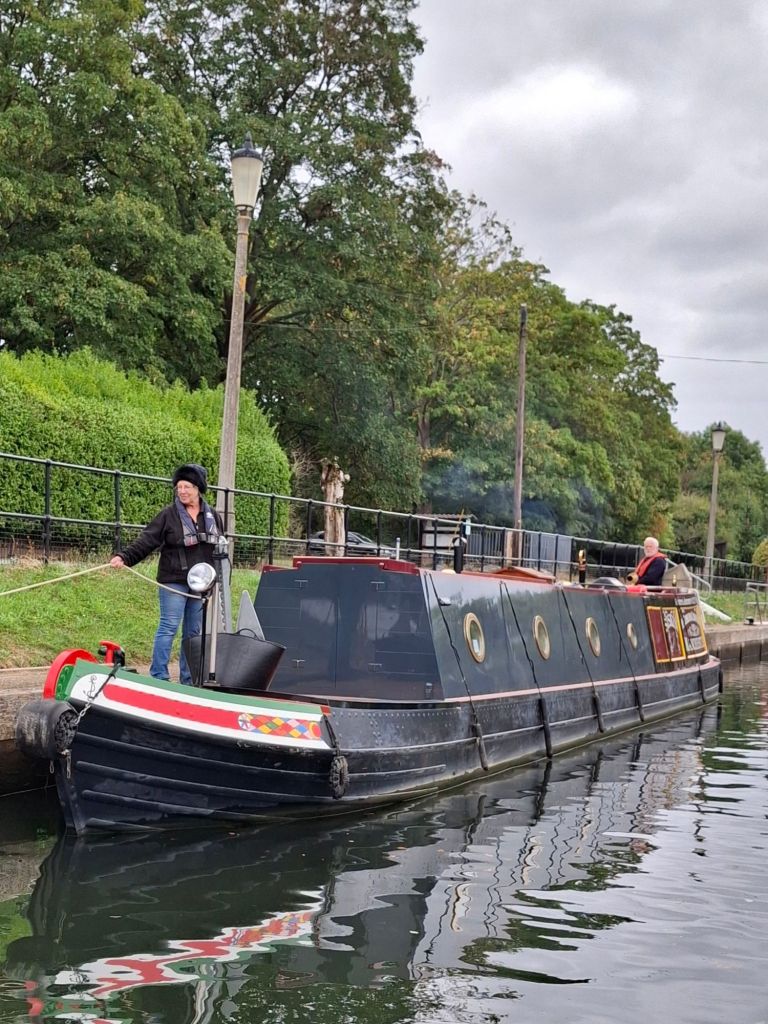
It made us recognise that one of the many things we’ve noticed on the canal network is how very supportive most people are. We look out for each other. Is it because we’re all aware that we’re living an alternative life, often remote from our families, that this floating community is vitally important to us?
We are aware, perhaps acutely aware, at times of flood or ice and snow, of the need to help others. Just this week I’ve been offering to shop or help out am older neighbour on the river. In the winter we’ve helped numerous times by fetching water and shopping, or emptying bins and emptying toilets for elderly people who we know are on boats around us. We may never have met them until we moored nearby, or we may know them of old, but this looking out for each other is something continuous cruisers do. Is it because the people who move onto boats care particularly about those around them; or we appreciate how difficult and physically challenging this life can be; or is it that so many of us have chosen to live this way so that we have the time to care about the things that are important to us, like our fellow human beings?
I was struck when talking to some of the working-age neighbours in bricks and mortar houses how many of them say that they first became aware of this elderly lady and her problems when they were working from home during Covid, 6 years ago now. Being around made them aware of her and her problems. It is a reflection on society that a dormitory community, by it’s very nature, cannot be as cohesive as one where people are around all day.
Maybe that’s another advantage to living afloat. Many of us do work from home, and a strong community is built on awareness. Research shows that close relationships with neighbours make people feel safer and that makes them less worried, more settled and calmer.
Current research shows loneliness as a najor factor in the mental and physical decline of elderly people. It was something the elderly lady was talking to me about. She said she doesn’t see anybody to talk to for any length of time. She sounded to me at that point quite lucid and a carer explained she and her colleagues visited 4 times imes a day but with little time. They got her food, helped with a bit of cleaning and then left. Opportunities to sit and have a chat or actually ensure she ate and drank were reduced by time pressures. I know some care firms insist that their staff must have conversations to mentally stimulate their clients, supporting them to feel less lonely, but it wasn’t so for this lady.
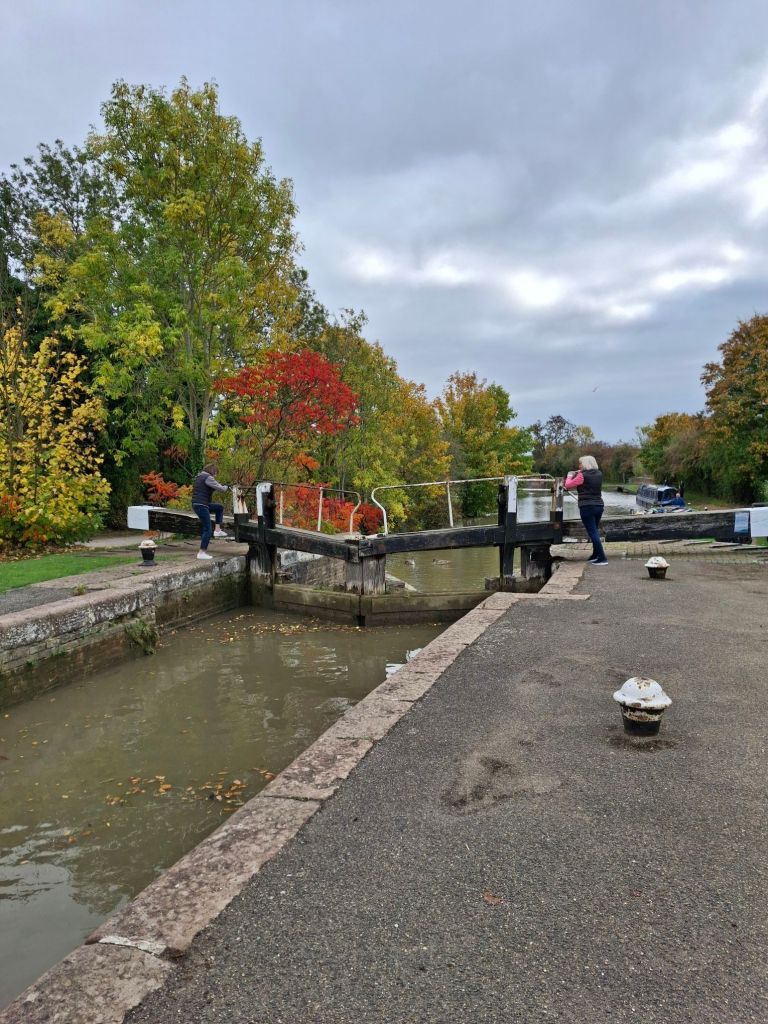
Although most boats on waterways are limited for space, boaters meet on the towpath, at locks, en route to facilities for chats or in local pubs for longer conversations! Respect and appreciation of boaters for Canal and River Trust’s pastoral support team is apparent. There are around 100 waterways chaplains, there to help boaters in need. They aren’t just there to help people unwell, needing a prescription or anything like that, but often to lend a ear. It is not always easy living on a boat and sometimes boaters can feel very vulnerable. The volunteer chaplains try to cover as much of the network as possible, and they do a fantastic job.
Helping people who are struggling is absolutely key in any community. Canal and River Trust is a charity but a charity that’s there not only for the physical, mechanical network of locks, canals, rivers and bridges behind the waterways. They are clearly also there for the people on the boats that float on their waters. The Boat Licencing team have a remit to help those struggling to pay. Chaplains work with health services and council departments to try and find the support needed for every situation. Together with the wider community their work is fundamental, helping and supporting vulnerable boaters.
At the risk of sounding an enthusiast for an Australian soap opera, everybody needs good neighbours. Neighbours who look after our homes when we are away (bricks or floating), lending us a hand or tools, do shopping, feed pets and put out our rubbish. Supporting our neighbours builds strong communities and makes everyone feel better.
Selfishly too, being a good neighbour is one of those things that we all need to be, because we never know when we ourselves might need a good neighbour. Looking out for those around us is a key element of living anywhere as a human being.
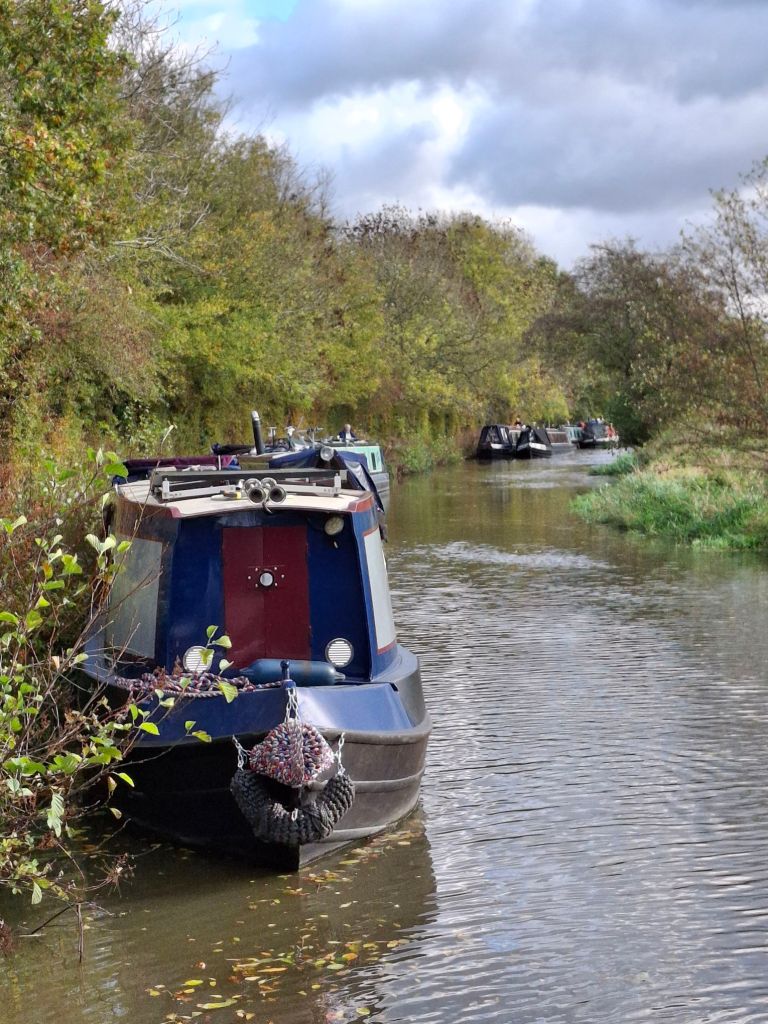
We thrive if we support those around us and enable them to live their lives as safely and happily as possible it’s crucial that we as humans support each other and that’s what we’ve been trying to do this week. We’ll keep walking in the direction of the elderly lady’s house while we are here, joining her neighbours in caring, and if she comes back and we’re still here, then we’re more than happy to support her in any way we can. In supporting anybody we encounter who we can help in any way, we also hope we are showing our children and grandchildren how to be good engaged members of a community, and so they see the benefits genuine neighbourly caring brings us all.
 Pickingupducks