We are only here moored this week in Derbyshire because 260 years ago an Act of Parliament brought into reality the vision of a self-taught engineer united with the foresight of two wealthy businessmen.
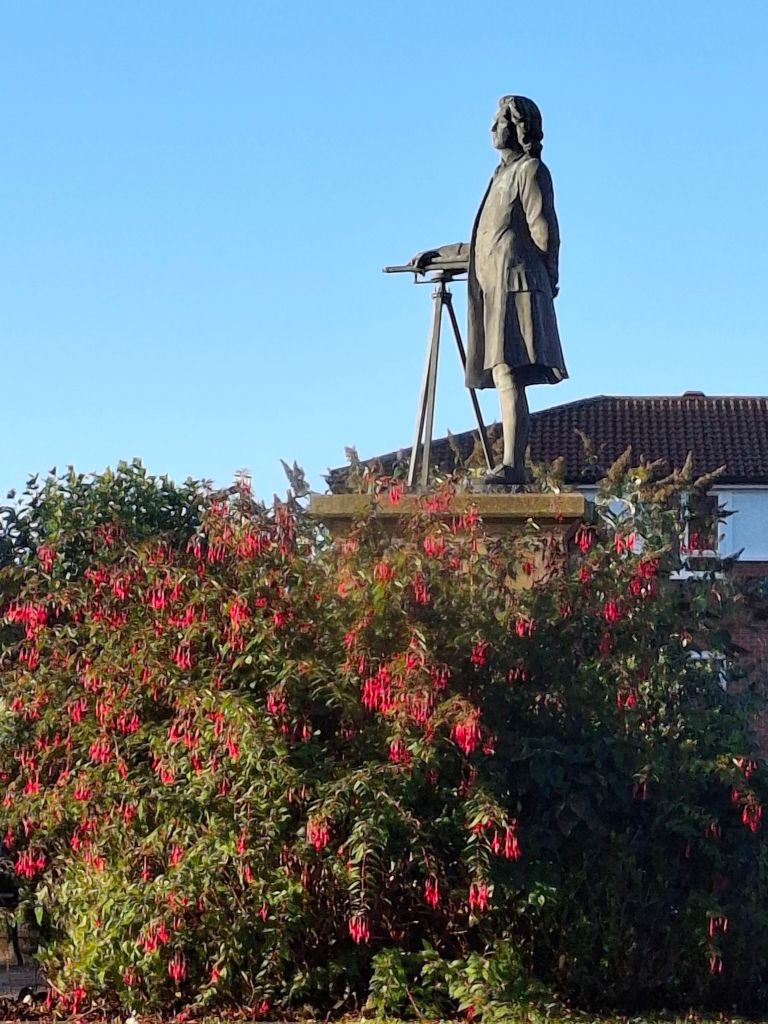
Without James Brindley, politician and industrialist Lord Gower and Josiah Wedgwood a famous potter, the Grant Trunk Canal now known as the Trent and Mersey Canal, would never have become a reality.
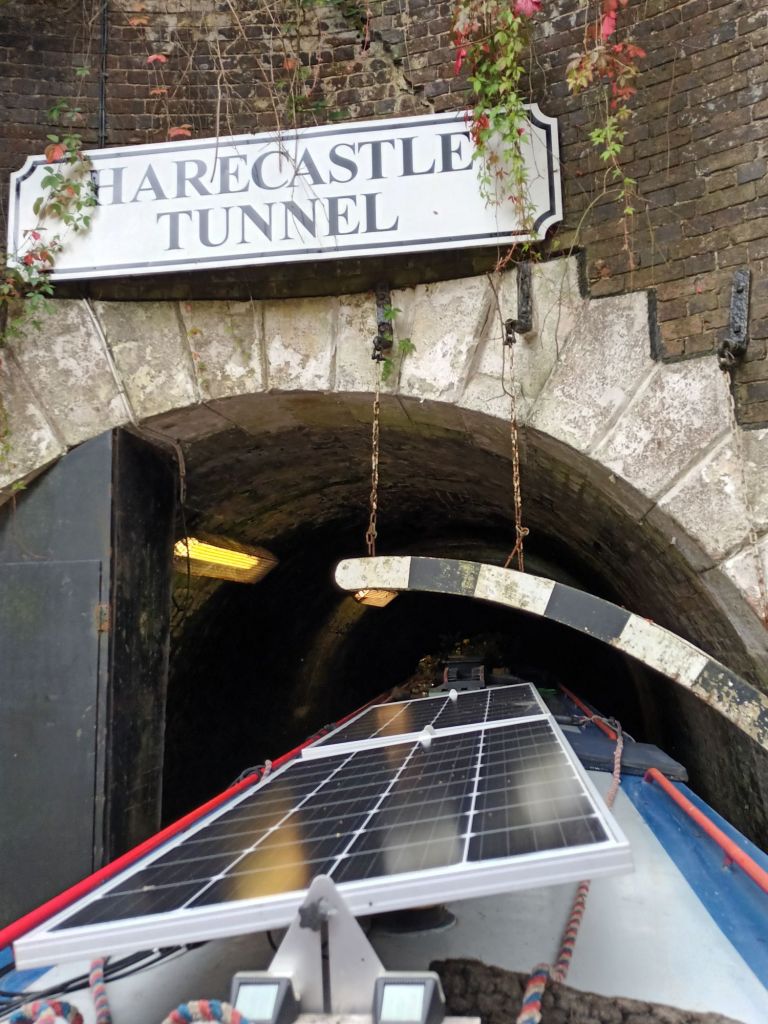
Just 11 years after Wedgwood ceremonially cut the first sod in Burslem, Stoke-on-Trent for this main arterial canal in 1766 the waterway was open to traffic. Astonishing considering the canal spanned 93.5 miles; 76 locks; 160 aqueducts, both large and small; and crucially no less than 5 tunnels, one of which, the Harecastle held for decades, the accolade of being the longest at 2,919 yards long, manmade tunnel.
Brindley was born in the Derbyshire Peak District in 1716. He was apprenticed in his teens to a wheelwright near Macclesfield, but soon astonished his master and others by inventing new mechanisms, and at the end of his apprenticeship he moved to Leek setting himself up as a millwright. He was nicknamed The Schemer, for his ability to overcome problems by ingenious means. He built steam engines and earned a reputation as a man who understood power, water and construction.
He was the man the Duke of Bridgewater approached when he was commissioning a canal engineer. His first project for him was the Bridgwater Canal which involved the creation of the Barton Aqueduct, in 1761, to carry commercial traffic over the River Irwell. It was the first navigable aqueduct to be built in England.
To Brindley, a born mechanical and civil engineer, setbacks like one of the Barton Aqueduct’s stone arches buckling as water was poured into the channel it was carrying, were merely temporary obstacles to be overcome. He designed a solution to reinforce the aqueduct, and it was carrying traffic within months.
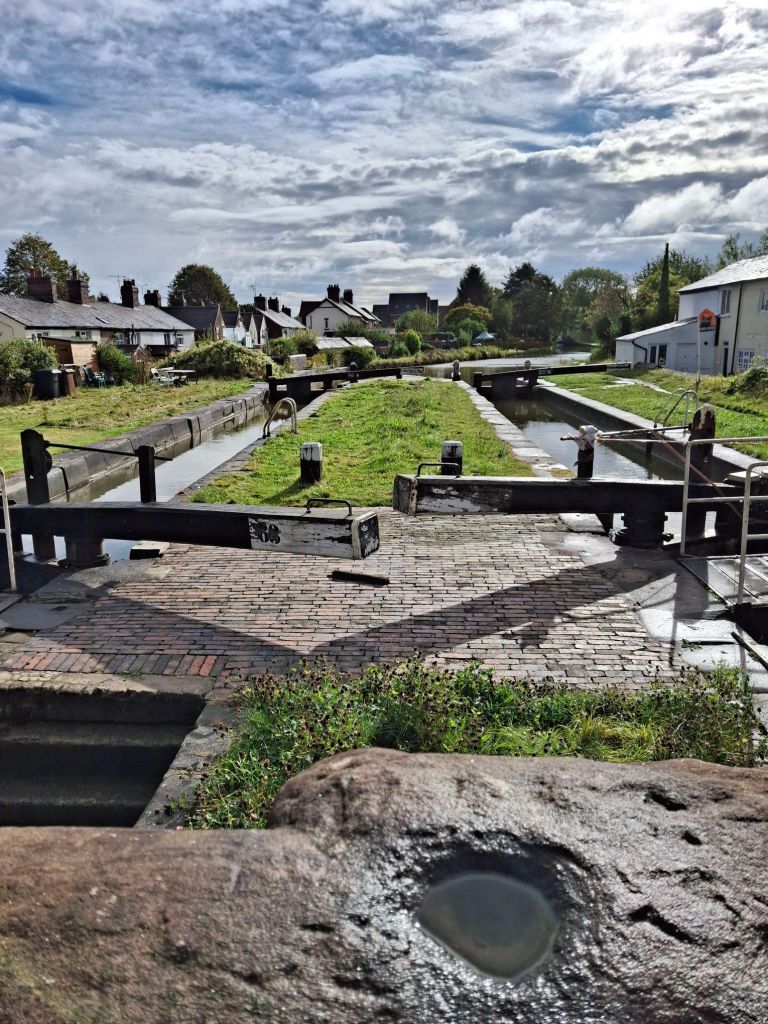
With the Trent and Mersey Canal Brindley used mainly narrow locks, being cheaper to build and using less water. On the Cheshire Locks, or Heartbreak Hill as some of us know it, his solution to increase the speed for the commercial boats was to use paired locks. He designed an interconnecting ground paddle so one lock acted as a water-saving side pond for the other. However his main obstacle came in the form of Harecastle Hill in Staffordshire. At 640ft high the only solution for his new Trunk Canal, was to go through the hill.
He sank 15 vertical shafts through the hill and from the base of each of those navvies worked outwards to create the line of the tunnel, and thus the canal. There were issues, but true to form, he installed stoves to generate air flow to solve issues of ventilation, and steam engines to operate pumps to overcome flooding.
Like the Norwood Tunnel he designed on the Chesterfield Canal, the Harecastle had no towpath so for 50 years boatmen had to leg their way through it, lying on planks on top of the boat with their legs walking the tunnel sides, for three long hard hours, while their children walked the horses over the top. Brindley never saw his Harecastle Tunnel in operation, dying as he did in September 1772 at the age of 56. His brother in law Hugh Henshall and apprentice Robert Whitworth finished it for him, and it opened 5 years later, making the T&M fully navigable along its entire length. These days we cruise through Harecastle Hill in less than an hour on a larger parallel tunnel, built later by Thomas Telford and opened in 1827.
Thanks to Brindley and his remarkable planning, the Trent and Mersey Canal connecting as it does the mighty river Trent to the equally mighty river Mersey, revolutionised over centuries the transport of goods, from pottery to coal, steel to grain, salt to munitions. Now it carries very different traffic, comprising leisure and residential boaters, floating traders and fuel boats, holiday fleets and day boats. It is testament to his foresight and planning that this remains a mighty trunk of the canal network, wending its way through Nottinghamshire, Derbyshire, Staffordshire, Cheshire and onto Merseyside.
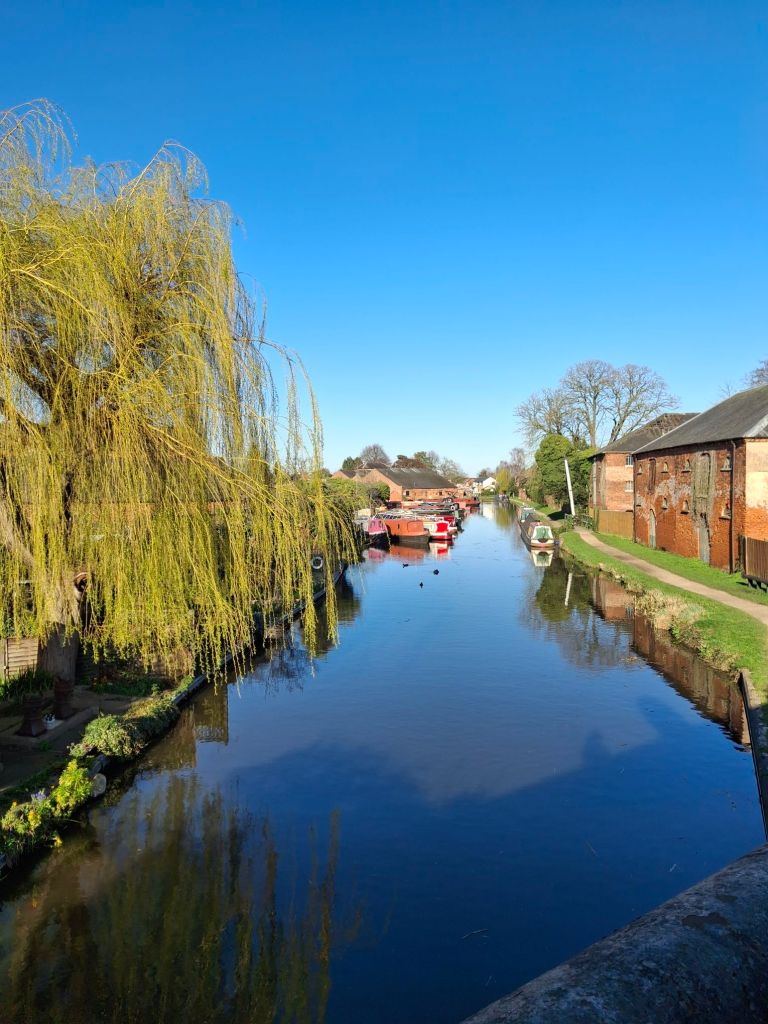
The canal moves from the confluence of the Trent and Derwent at Derwent Mouth through the inland port of Shardlow, where once its multiple wharves were designated for coal, timber, iron, cheese, corn and salt. Then past the first branch to the Derby Canal at Swarkestone, still passing through arable fields where much of the barley was once grown to supply the industry of the next industrial hub of Burton-upon-Trent, heart of the brewing industry. Since 1712 Burton has been synonymous with beer, and today when we cruise through, the smells of the industry make Burton unique. If you could cruise with your eyes closed, you would know where you were on the T&M with your nose alone guiding you.
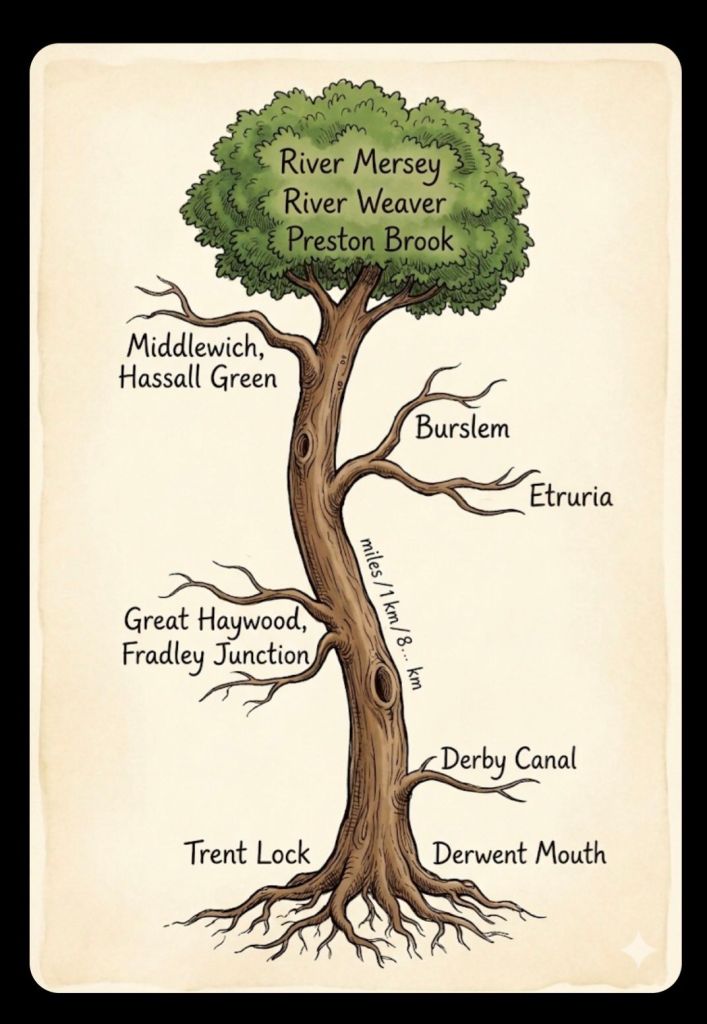
From Burton we now make our way through the National Forest and onto Fradley where the Coventry Canal branches off; up through wooded glades past Shugborough Hall to Great Haywood where the Staffordshire and Worcestershire branches off, and into the one main industrial area of The Potteries. From Etruria the Caldon Canal branches off heading to Froghall and also Brindley’s home town of Leek where his diaries and notebooks can be found in the museum and mill that carries his name and also shows his remarkable achievements.
The Burslem branch is now closed but that appeared for carriers before Hardings Wood and the branching off of the waterway to the Macclesfield Canal – from when silk and lace were transported. Up through fields and saltworks to Middlewich where the Shropshire Union Canal branches off, and on to Anderton where in 1875 the Anderton Boat Lift was opened to transport boats 50feet down to the River Weaver (and back again). In Brindley’s day boats reached the River Weaver which led to the overarching trunk canopy of the River Mersey via the Bridgwater Canal at Preston Brook and Runcorn.
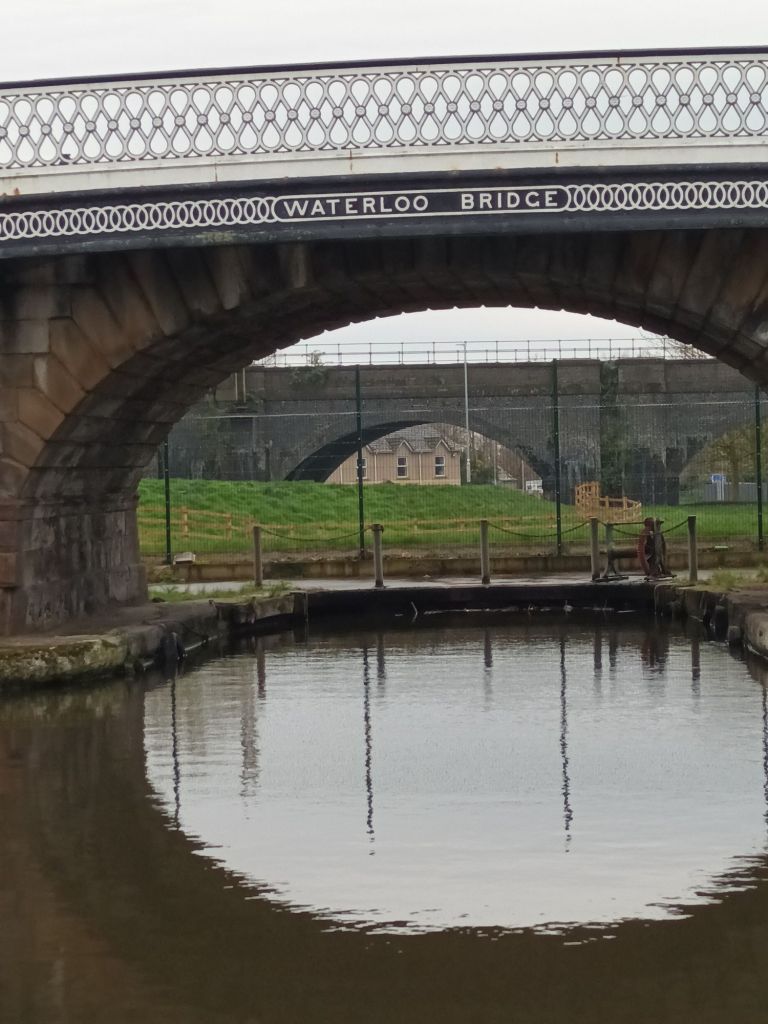
Even now this beautiful, arterial canal seems remarkable in its construction. It offers so much in terms of diversity of locations, peace, nature and interest to any boater, and remains a true jewel in the crown of remarkable man Charles Hadfield in British Canals in 1950 so rightly called “..the greatest of the canal engineers.”
 Pickingupducks