
Matt Hancock’s taking his staycation in Cornwall this year we hear. He’s advising people to book UK holidays for 2021. In our experience, one of the best self-contained breaks is on a narrowboat. Having given up our old bricks and mortar lifestyle after Lockdown 1 to live permanently on a narrowboat, we noticed between Lockdown 2 and 3 many more hire boats on the canals with couples and families enjoying a unique pace of life.
Our new lifestyle stems directly from enjoying holidays afloat. We found them ideal holidays with or without children (ours and their friends) and dogs. Unending new walks and runs, constantly changing scenery, a totally relaxing and different pace of life, adventure and excitement brought by locks, tunnels, new places and wildlife to see on a daily basis. What more can one ask?
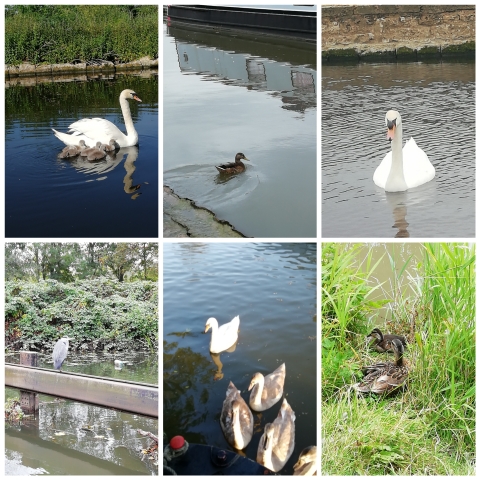
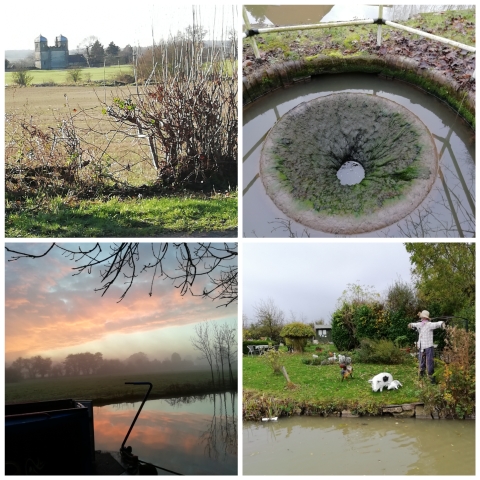
Hire boats come with almost infinite options – big, small, accessible, pet-friendly, luxurious or basic, high budget, low budget etc. Guidance is given on steering, managing locks, suitable routes and there’s 24/7 support for any queries you might have once underway. CRT – Canal and Rivers Trust have guidance for day trips or holidays afloat which can be a good place to start. It already looks like these holidays are going to be hugely popular this year.
If you like learning a bit of the language for your holiday destination, you can do just the same for a floating staycation. There’s a cant (language specific to those involved) in every profession or walk of life. It’s part of building a sense of belonging. If you speak and understand the lingo then you are part of the community. but to a newbie or outsider, it’s not only often baffling but hilarious too. So here’s my personal, very tongue-in-cheek approximate A-Z of canal and narrowboat speak.
- Aft – “Let’s meet aft” could I imagine mean after or afternoon but in this context it means the rear of the boat, which depending on the size of boat can also quite a good place to meet and socialise on a holiday!
- Arm – not a limb, or even abbreviation for Alcohol Risk Management – both of which might be relevant. It’s a dead end branch off a main canal, often built for a specific purpose for boats to service a mine, quarry or town. Often these arms have unique characters and are well worth exploring.
- Barge – Could describe the way I steer – shove, push, move forcefully or roughly! But as you may know, it’s a long, flat-bottomed boat to carry freight.
- Bow – not a way of artistically tying up the boat but the front end of the boat. In my case it stands for a Battle Of Wits – what happens when I take over the tiller!
- Butty – the best sausage butty I’ve ever had came from the delightfully named Gongoozler’s Rest Cafe (see G), a floating snack bar at Braunston on the Grand Union. It’s wonderful to come across such a haven and get a hot ketchup oozing butty when you’re cold and windswept. They also run a book stall in aid of charity and sell amazing lemon drizzle cake! Officially in canal-speak, a butty is a freight barge without power towed by another powered boat.

- Crossbed – A place for marital disharmony? Nope – a narrow double bed across the full width of the boat.
- Cruiser – neither a fast warship nor a random search for sexual partners (at least not in our case) but a narrowboat with a back deck of between 4-8 feet in length, used often as a social space. Many hire boats are cruisers.
- Cut – I instantly imagine a hair cut (wouldn’t that be blissful at the moment)… or even digital cut and paste, but in navigation terms it means a canal or any artificial channel.
- Draught – Whistles about when the wind blows… but also means the amount of your boat below the water.
- Flush – not something women of a certain age may recognise but the ferocious rush of water caused by opening the paddles of a lock. Maybe the two are connected by ferocious and rush?
- Fouling – As revolting as it sounds – the propellor which pushes the boat through the water isn’t clear or free because something is fouling it. We’ve been lucky and only needed to untangle discarded ropes, saris (fortunately not with a body attached), weeds and leaves but we’ve seen other boaters caused problems by plastic carrier bags, and mattresses with springs which are horrendous and can take days to untangle.
- Gate – Not a five barred or garden hinged barrier but in this case the moveable door or shutter that enables a canal or river lock (see L) to work. May contain paddles (see P) allowing passage of water.

- Gongoozler – Someone who idly stands and stares particularly at boats and with narrowboats they always congregate at locks just at the moment you forget how to operate them or steer into them! Also a wonderful Grand Union cafe (see Butty)
- Gonguzzler – Someone who idly stands and stares but probably sees two of you and your boat as they copiously drink from cans generally alongside urban canals. Beware when they offer assistance at locks – their balance is dubious and you may have to fish them out!
- Grounding – What parents and teachers said was essential in terms of everything from maths to manners to teach the basics. On canals it’s regularly practised and doesn’t make for perfection! It means hitting the bottom or running aground. Sometimes due to silt building up, a stretch of canal being drained or trying to moor in water that’s just too shallow.
- Hung up – We all have hang ups but believe me you want to avoid them on a canal. Getting hung up is hugely dangerous and often leads to your boat sinking. If part of the boat catches on a gate projection in a lock or the rudder catches on the sill (see S) as the water empties, the boat can go down.
- Interaction – Before the pandemic there was lots of sociable interaction between boaters on narrowboats which is half the fun. It is technically about your boat swinging off course because of a change in water pressure. If you pass a moving boat too fast the two boats will be drawn together in an interaction. Avoid interactions by slowing down.
- Locks – the method of taking boats up and down hill. Locks are safe if treated with care but should always be treated with great respect. The boat goes into a chamber with a single gate (on a narrow canal) or two gates (broad canal) at either end and sluices with paddle(s) raise or lower the water.
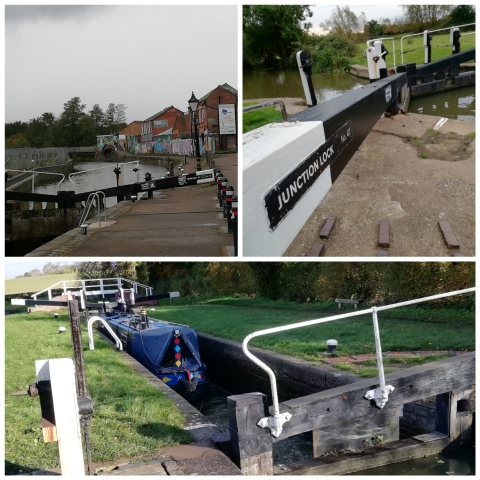
- Noddy Boat – Derogatory term for a very small boat or cruiser. Doesn’t need a bell or a skipper with Big Ears. Sometimes also called a yoghurt pot.
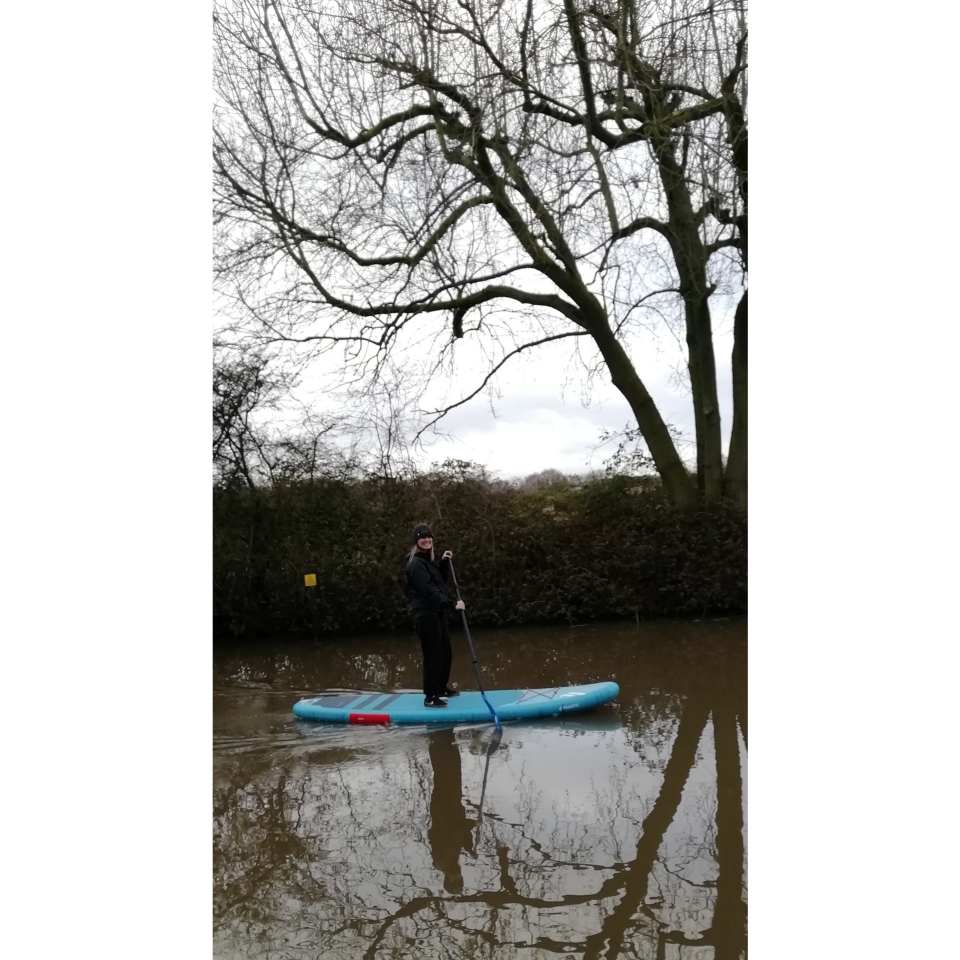
- Paddle – The sliding door of a lock gate or other sluice, which lets water through. During lockdown we’ve seen many a different type of paddle too!
- Rack – after a whole day of operating lots of locks you could be forgiven for thinking you’ve been subjected to one of these Middle Ages torture devices, so the message is don’t do too many locks in a day, and keep your onboard rack (wine) replenished for liquid rewards! Officially it means the toothed metal rod you are winding up and down when operating a lock.
- Right – just remember you’re always right and you’ll keep to the correct side of the canal for navigation.
- Services – nothing too fancy and often on a fortnight’s holiday you may not even need these. Each offers different services – they can have waste disposal, water for refilling and Elsan disposal. At marinas or boatyards these can include waste pump out and diesel fuel – again things that are rarely needed on holidays up to a fortnight but it depends how many people are on board.
- Sill – not a nice window ledge for herbs but a stone bar sometimes faced with timber, against which the bottom of the lock gates rest when closed. When bringing your boat down in a lock, care must be taken to avoid getting hung up (see H) on the sill which can sink your boat.
- Staircase A series of two or more lock chambers each of which leads directly into the next. The bottom gates of one lock form the top gates of the one below. Generally manned by wonderful CRT volunteers who are there to help every boat through.

- Stern – There aren’t many strict or severe individuals on the canals because we’re all very relaxed – perhaps a combination of travelling at a maximum of 4mph and replenished wine racks? We all have a stern though – the back or aft (see A) part of a boat.
- Tie up – not in this instance a bondage term stemming from reading one of the multiple copies of Fifty Shades of Grey which have been amassed in every canalside book exchange I have visited in the past few years (that’s a delight of boating – time for reading and finding book exchanges), but a boatman’s preferred term for mooring a boat.
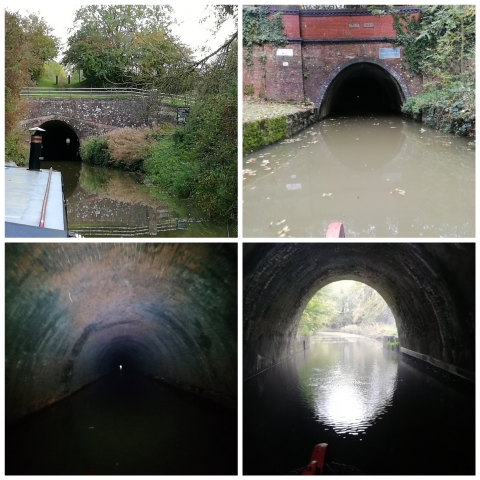
- Tunnels – often excitement for younger and male boaters in my experience – often wet and drippy so wear waterproofs even in high summer. Some now have footpaths and lighting. Now navigated under engine power but in the old days boats used to be taken through by leggers who lay on top of the boat with their feet up on the tunnel roof and walked the boat through whilst the horses were led over the top.
- Visitor mooring – a good place to head for. These designated mooring spots in villages and towns allow short term mooring and are often near lovely pubs. Identify them via the Canal and Rivers trust map, or on the invaluable Canal Route Planner
- Wind – natural digestive condition after eating lots of fibre? Means the process by which you turn your boat round. Maps indicate winding holes for this purpose. Rhymes with tinned – beans or other…
- Windlass – an enquiry after the digestive health of a young lady who’s eaten a lot of beans? Also an essential shaped handle for operating lock paddles. The square socket fits on the spindle which operates the paddle gear. Just to confuse things in some parts it’s called a crank (we all know one of those) or a lock key. Regularly lost into locks. Regularly found by magnet fishers.
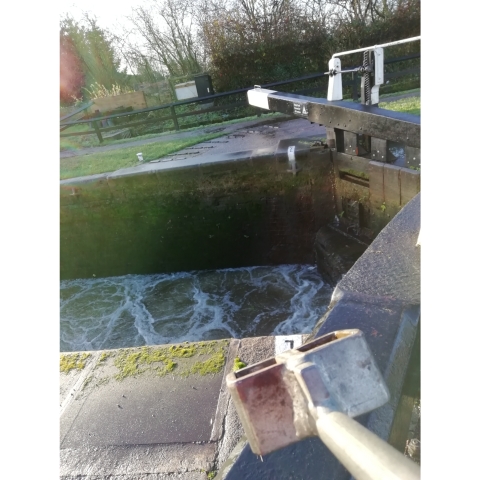
- Xpletives – Heard regularly on the cut at moments of stress – usually when manoeuvres are required in front of gongoozlers!
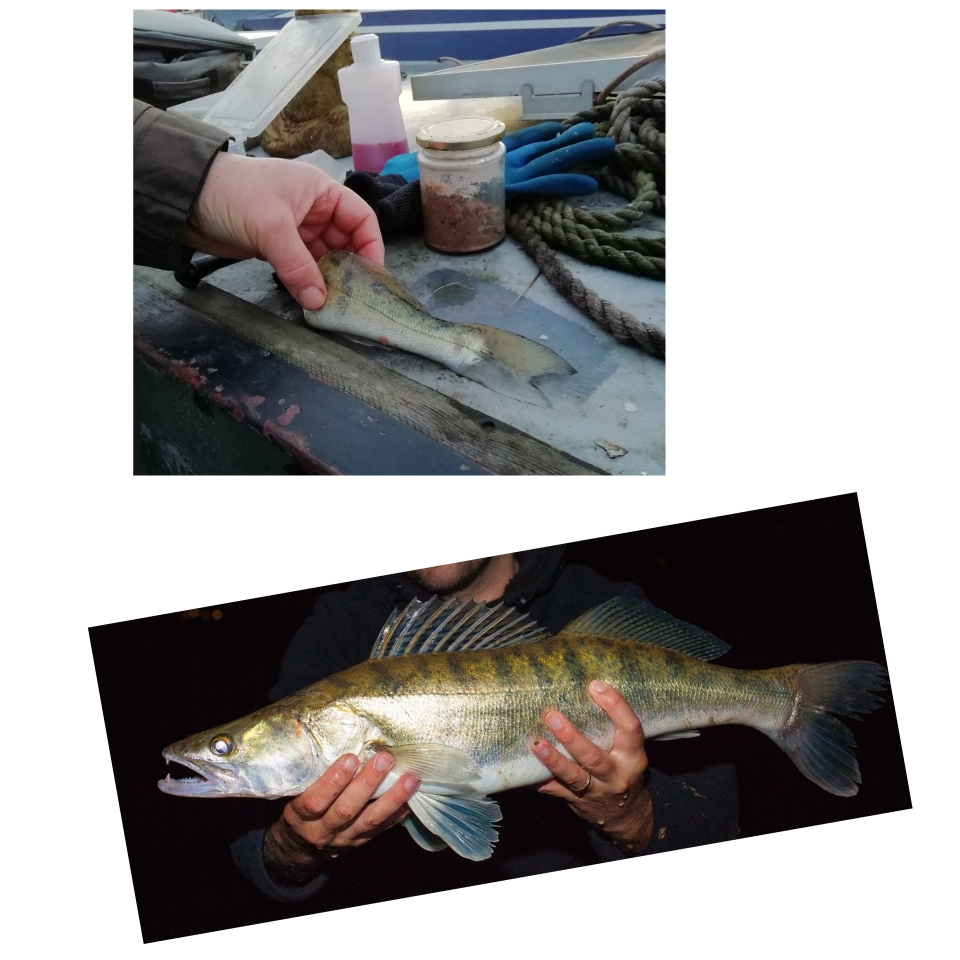
- Zander – An international invader who may lurk under your boat depending on where you are boating – insights in detail in an earlier blog
If you take a floating staycation this year I can’t guarantee that the many fabulous canalside pubs will all be open for us all again, but we can but hope, and maybe we’ll meet you there!
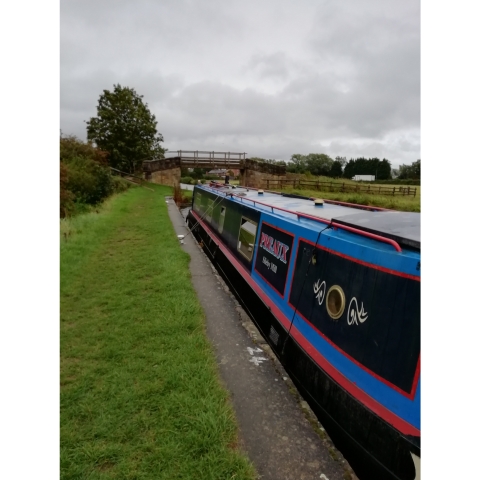
I am pretty sure (although this is the UK we are talking of) that on a canal boat holiday this summer you won’t have weather exactly like we’ve had this week – rain, sun, snow, ice, sun, rain in that order.
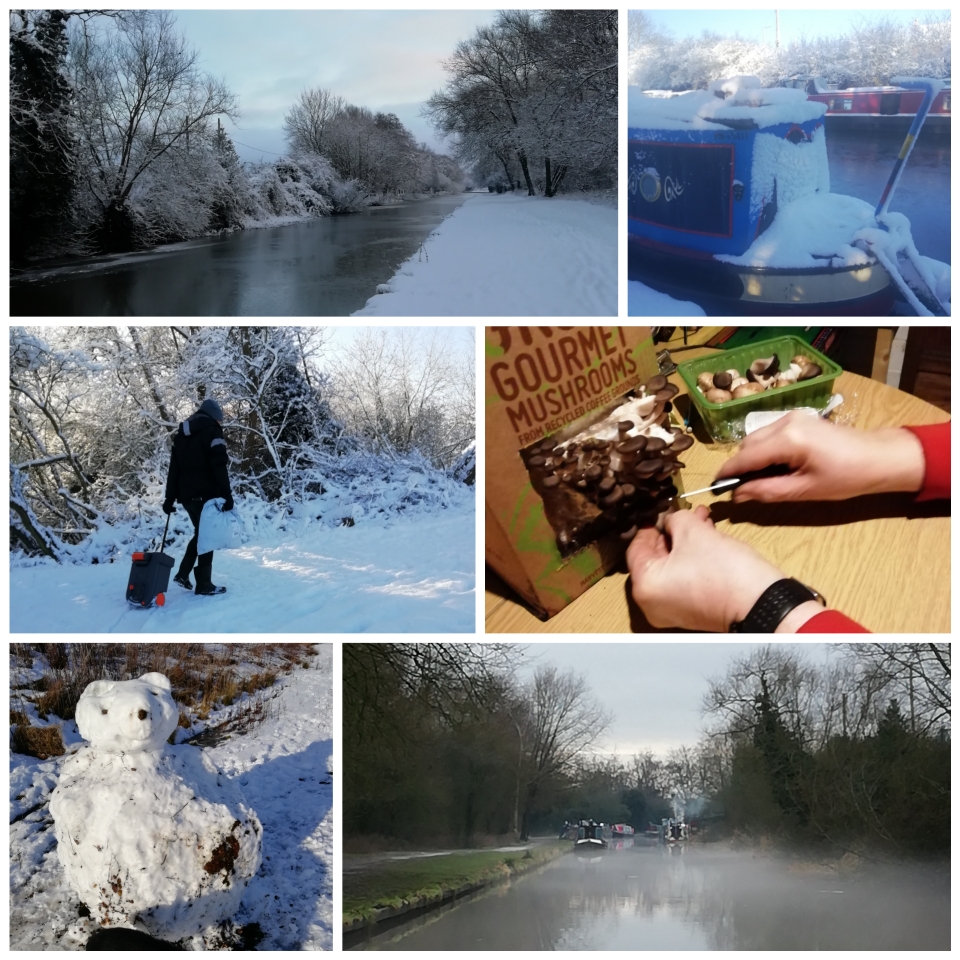
I can guarantee that if you take a floating holiday you will be in no danger of bumping into Matt Hancock on his staycation – there are no canals in Cornwall!
If you’ve had a canal holiday do share your experiences in comments to let others know how you found it.
Coming up next week: top 10 tips for small space living
 Pickingupducks
So glad I stumbled across your blog, a real Lockdown antidote
LikeLike
How lovely to hear this – thank you!
LikeLike