
Tiller itch was something I first heard from Robbie Cummings and I agree with him – it sounds revolting! (If you want to know what life is really like living on a cruising narrowboat Robbie Cummings’ Canal Boat Diaries are a MUST).
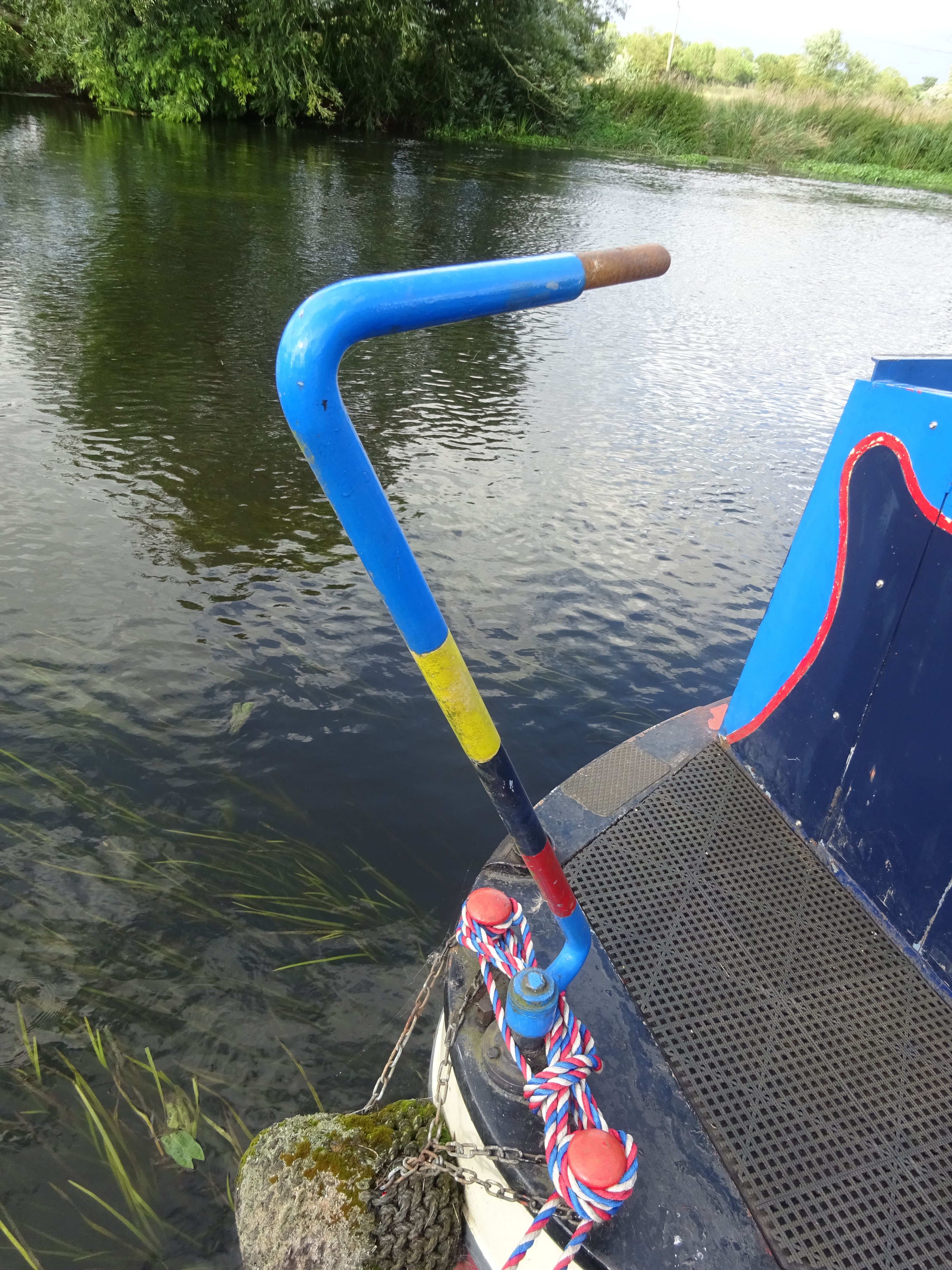
It has been a month now since we arrived in Leicestershire and we’ve not travelled far whilst enjoying caring duties. It has been a wonderful opportunity, spending precious time with family and so many friends, but it does mean that we’ve been pretty static for what feels like a long time (lockdowns apart). As a result I can assure you that tiller itch is a genuine phenomenon and one I am certainly experiencing.
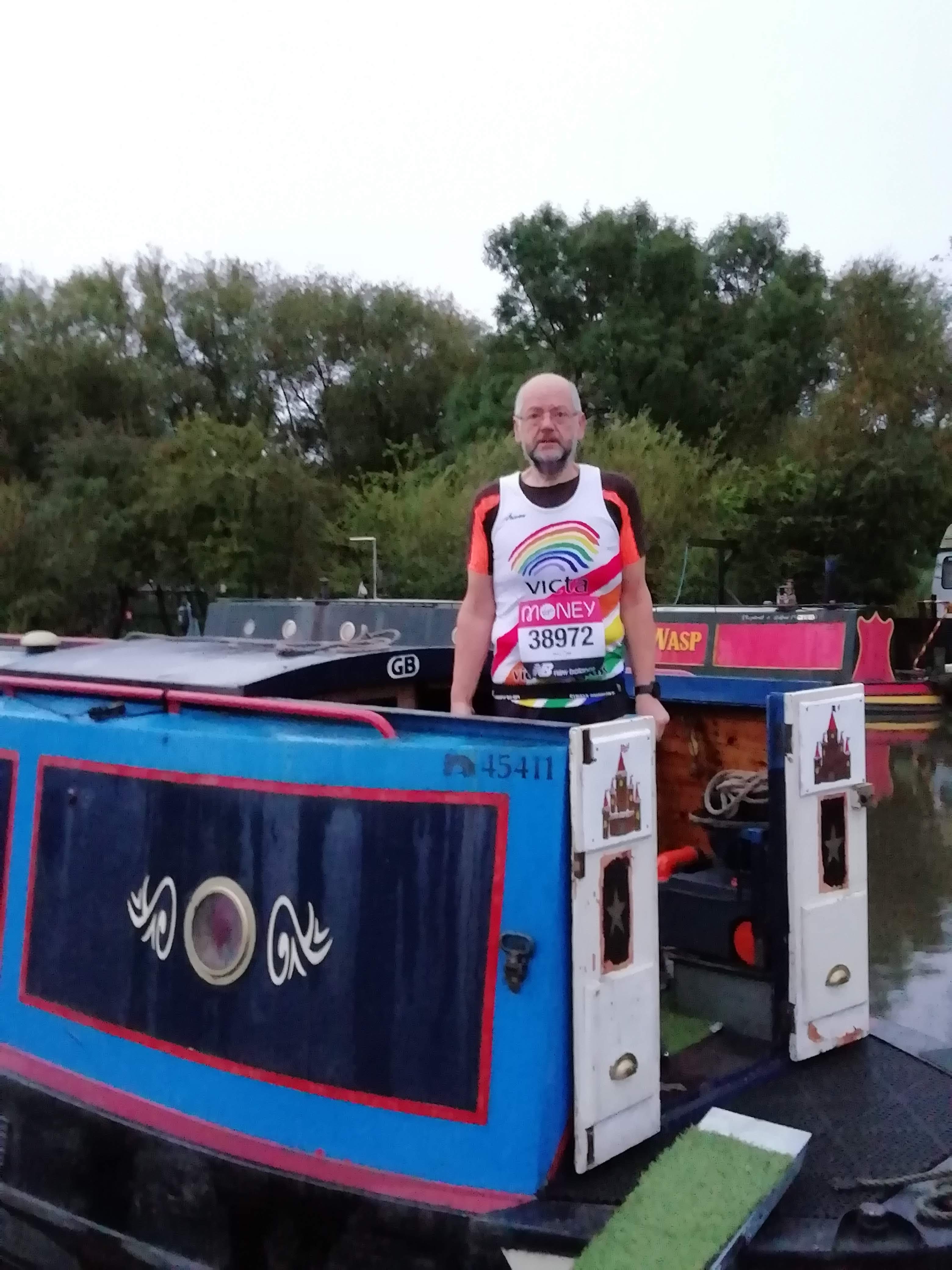
To alleviate the irritant I have been watching the wildlife around us which is becoming less timid as they become more used to us. I’ve also begun planning our next trip which we start later this week. We need to head from Leicestershire to visitor moorings at Little Venice because Steve is running the London Marathon in aid of the charity Victa on October 3rd. If you can support him he’s just under £100 short of his goal of £1,700. Thank you in advance – together I know we can get him there for a fantastic, small but much needed charity.
To get to London from our current mooring is a journey of 146 miles and 1 furlong – mustn’t forget the furlong! -132 locks, 2 moveable bridges and 4 tunnels amounting to 3 miles 6 furlongs under ground. It will take us through Leicestershire, Northamptonshire, Bedfordshire, Buckinghamshire, Hertfordshire, and Greater London. We will take in once more the spectacular Foxton Staircase Locks – 10 locks with a rise of 75ft in two staircases of five a piece.

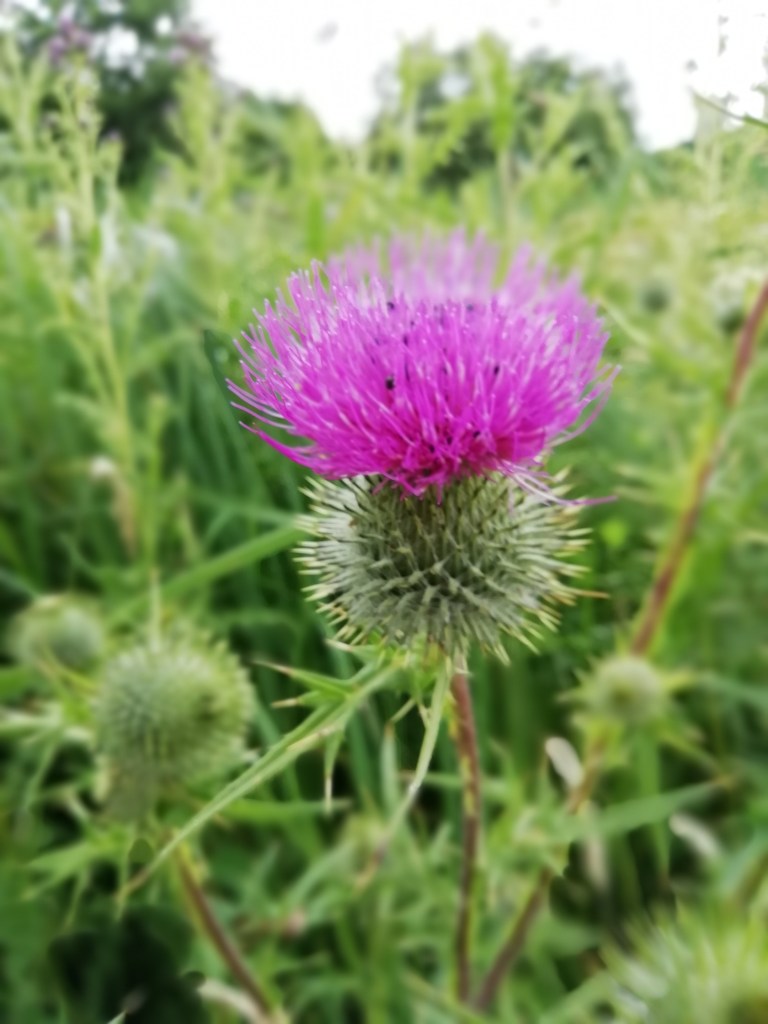
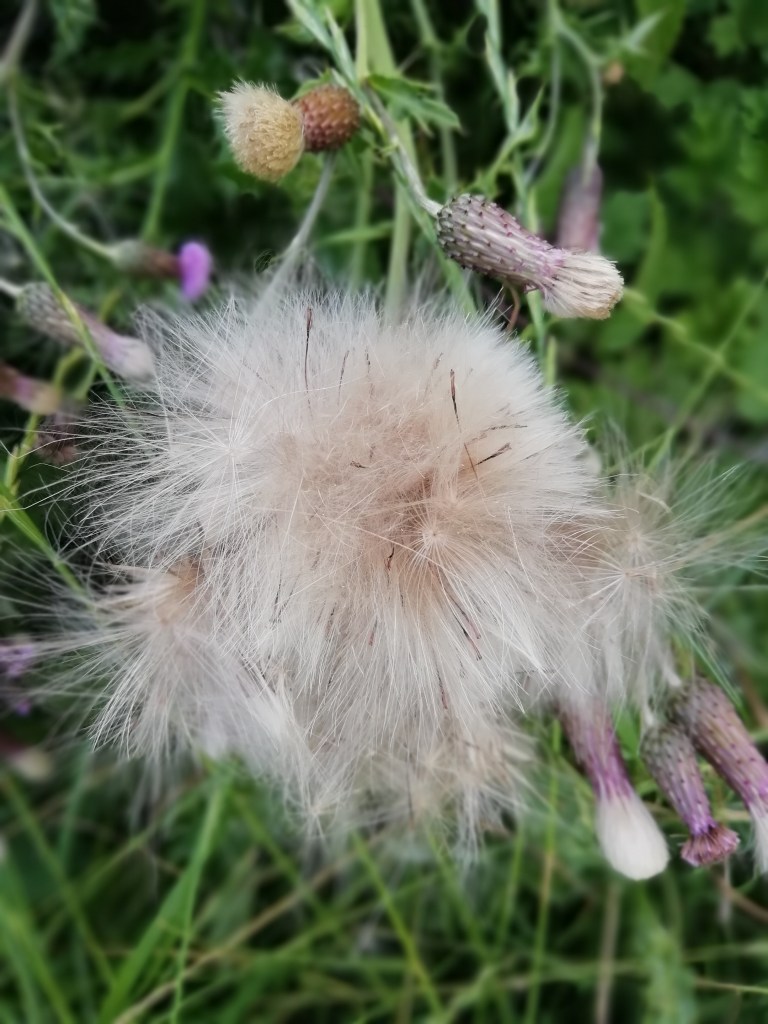
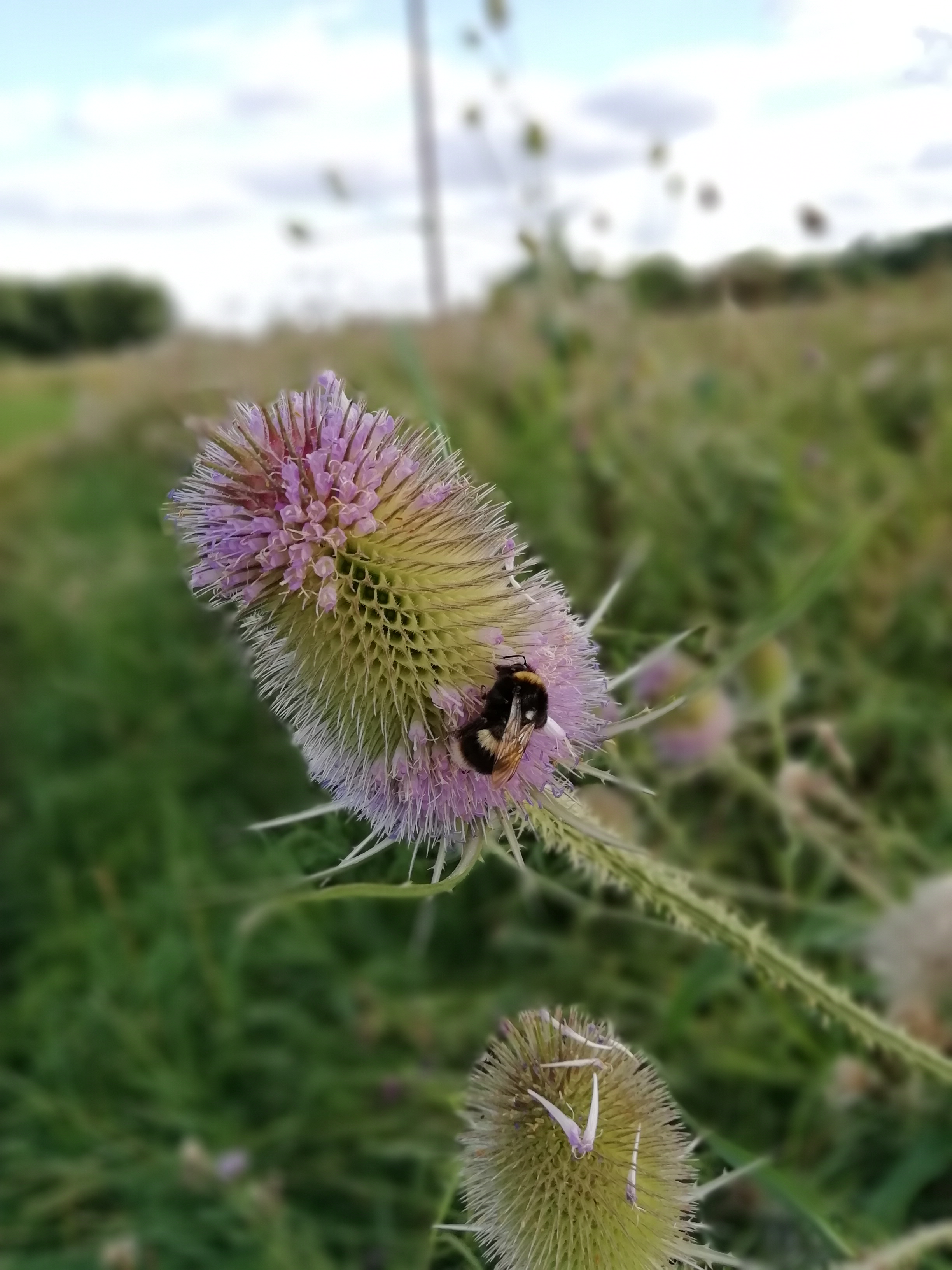
We will be taking it gradually – we have work to do and aim to meet more friends en route, floating and house dwellers alike. We will also be building time to sit and watch nature en route because doing so brings so much richness to our lives. From flora to fauna – there is so much to see, with so many individual stories to watch unfurling. Thistles turning from green spiky balls into proud purple maces and then into feather-light thistledown make fascinating viewing.
Seeing the birds especially so closely, living alongside them, and recognising how they generously accommodate us in their environment, growing increasingly confident with us as we and our boat become familiar parts of their world has been a delight. It’s also been an eye opener. Watching them carefully every day brings insight into their routines, their foibles and downright miserably hard times.
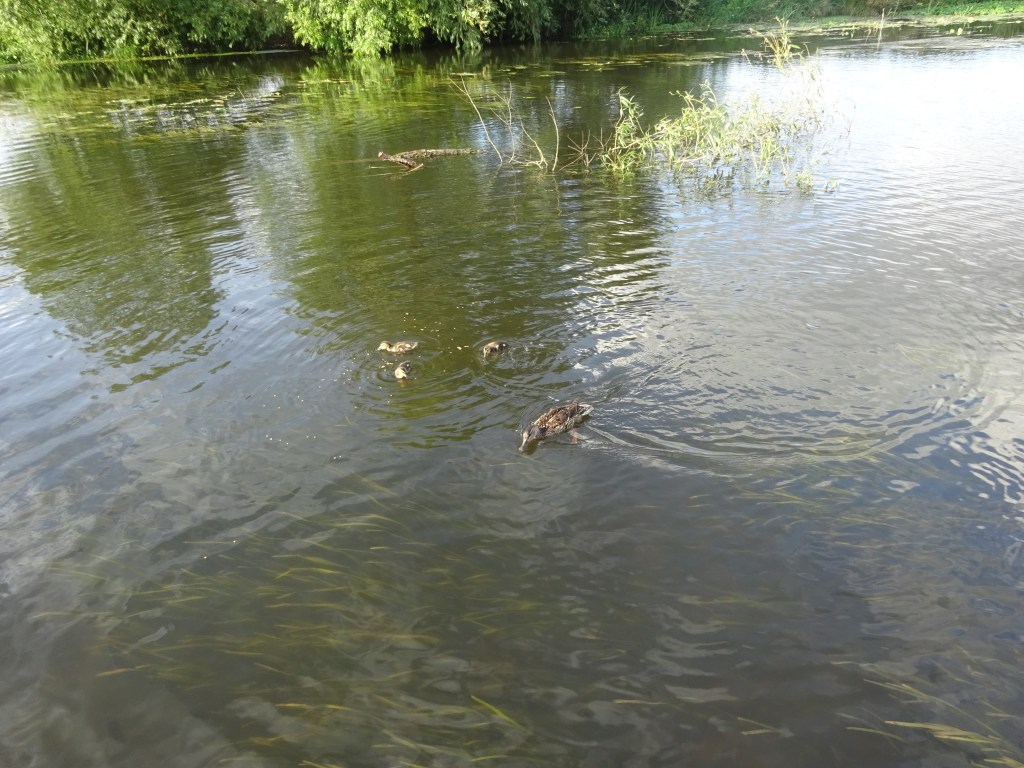
The past few weeks have brought ducks, herons and a stunning young green woodpecker to enliven our days, and a noisy owl to keep us entertained on hot sleepless nights. The ducks have included a mallard mum with ducklings. Before we arrived she apparently hatched 10 young. She’s now down to 2 but nurturing them as fiercely as possible. It’s hard to know exactly what predators have reduced her brood – on this stretch there are mink, rats, stoats, foxes and weasels, in the water pike and flying around are herons, owls and birds of prey like red kite and maybe even merlin. For any of these a small duckling can be an easy meal. As they grow they are less vulnerable and they are growing daily, voraciously gobbling down the duck food pellets from us which they love as well as foraging for their own food finds. It’s important too to build up mum’s strength to help her protect them if needs be.


The green woodpecker, my much prized visitor, is also a youngster. He’s been a treat to watch with his undulating flight round a set circuit among the willows and hawthorn trees behind the towpath. It is as if he’s testing himself, seeing how fast he can fly the circuit he’s developed, from the willow by the steep frothing weir across the marsh to the old dead tree on the far side from our boat. Sometimes he pauses there but more often he just passes it, carrying on over another stretch of marsh to a willow, round to a hawthorn in the hedge and back to his starting point. He repeats this lap several times loudly congratulating himself each time. After all this exertion he drops to the river bank and gorges on his favourite food – ants, ants and more ants.

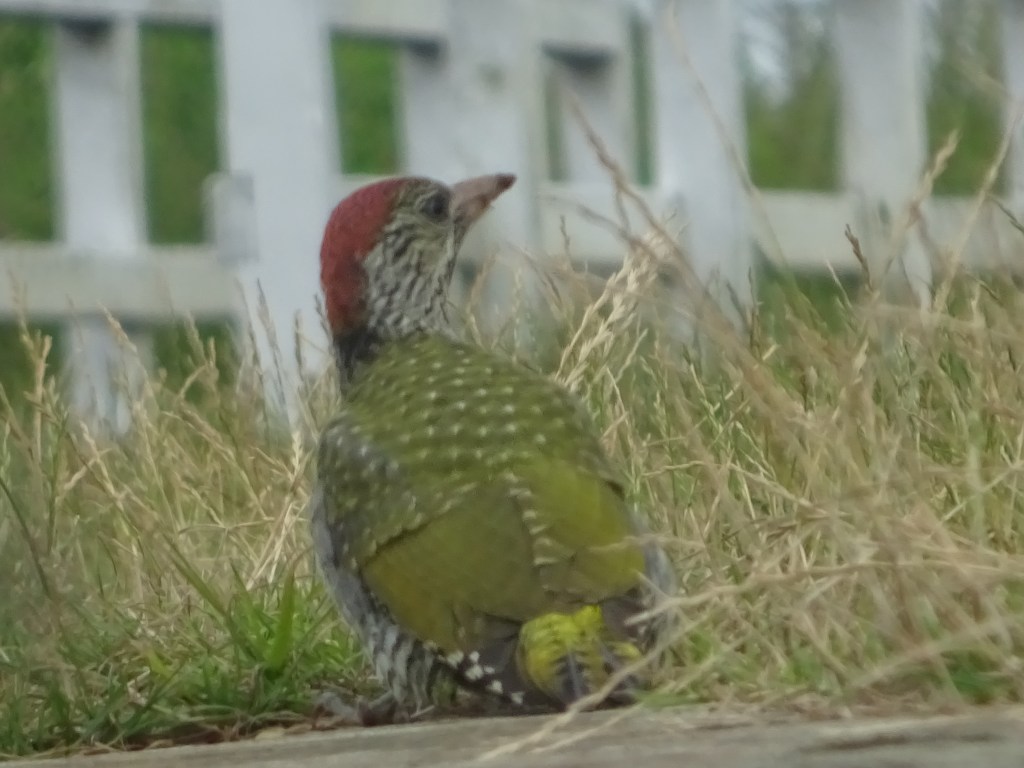

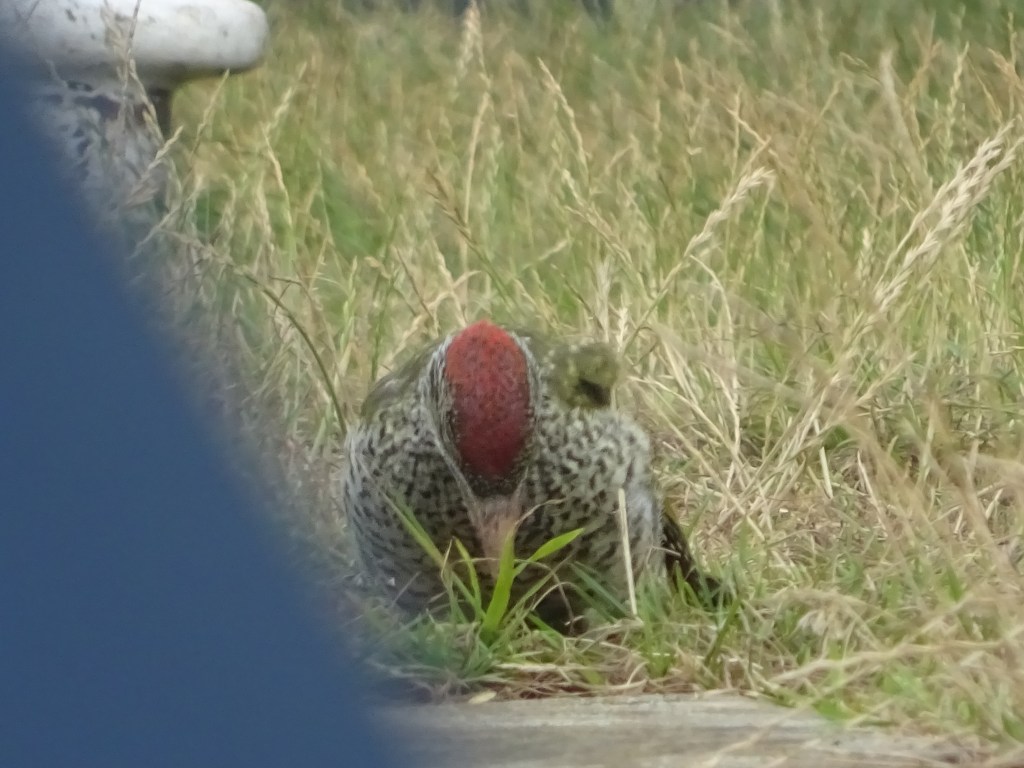
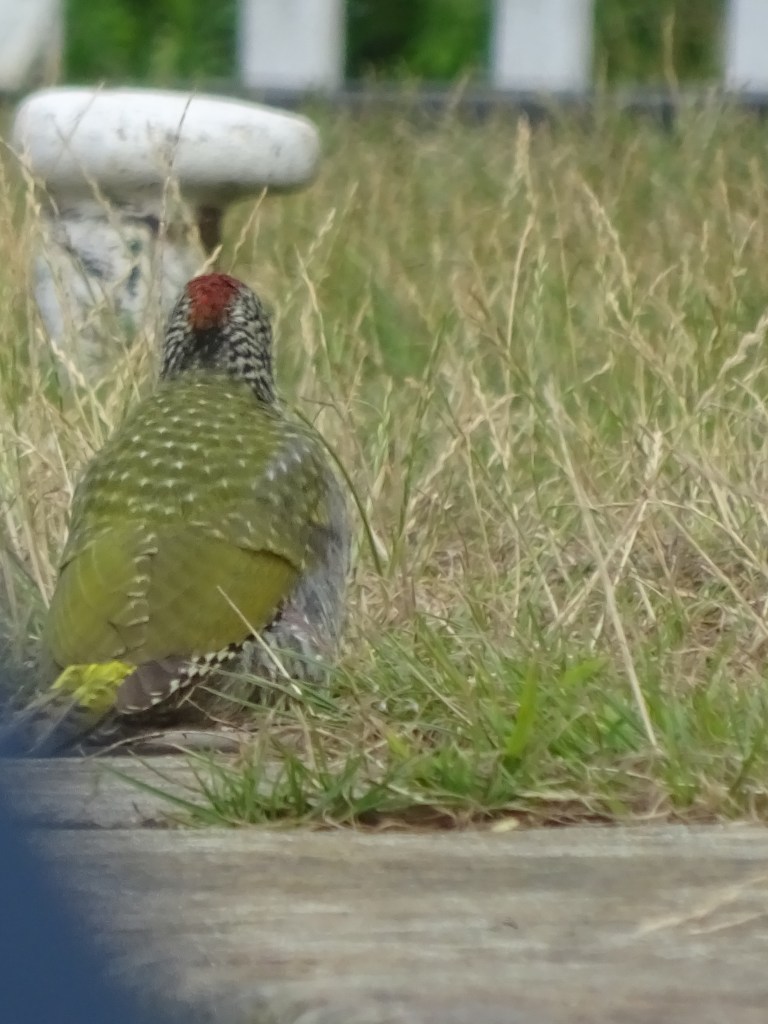
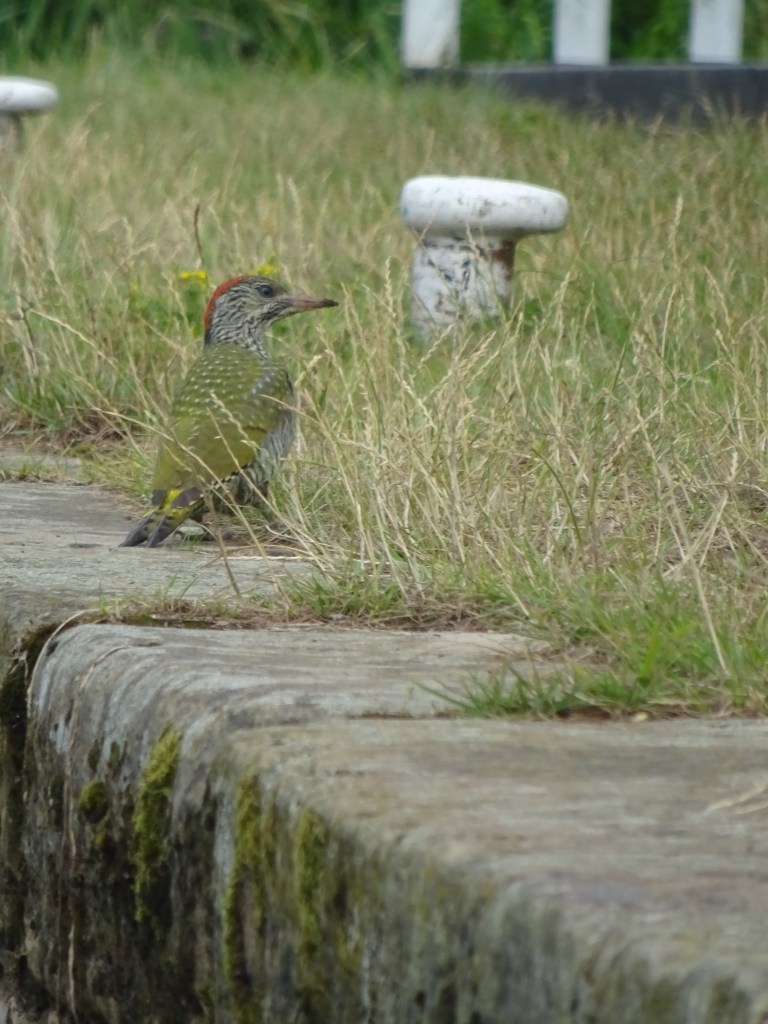
At the moment there is another boat moored in front of us, but before it arrived we were on our own moored between two weirs. The young woodpecker would then wander along the big stones at the top of the river wall right by our mooring rope snacking as he strolled casually near us.

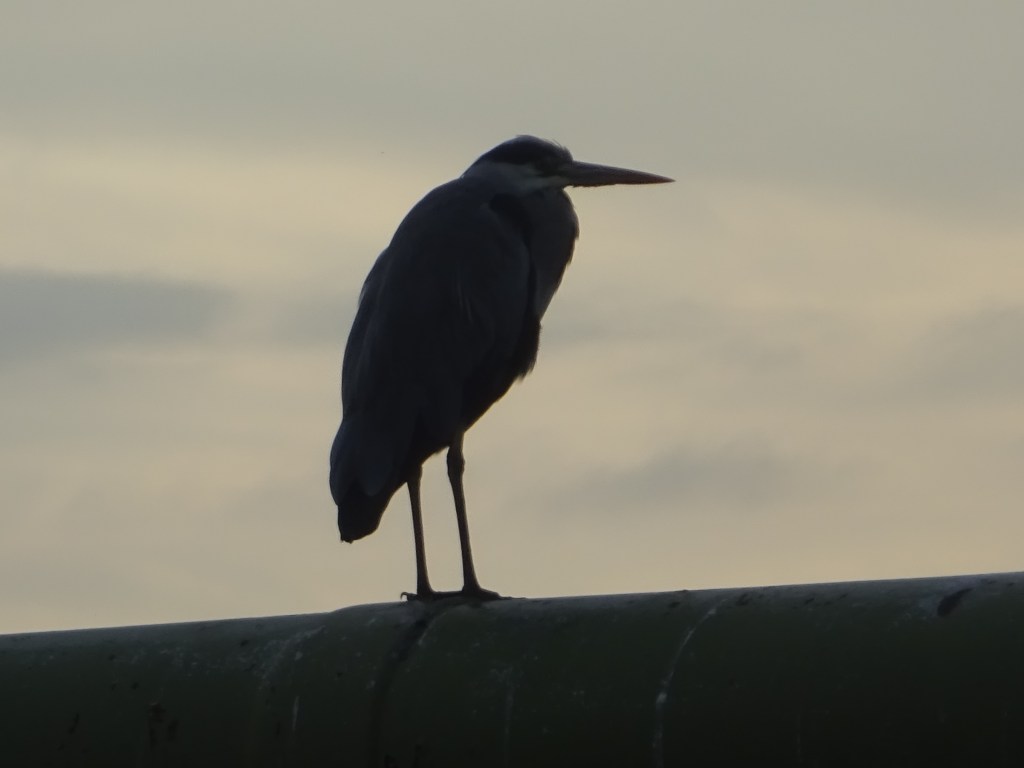
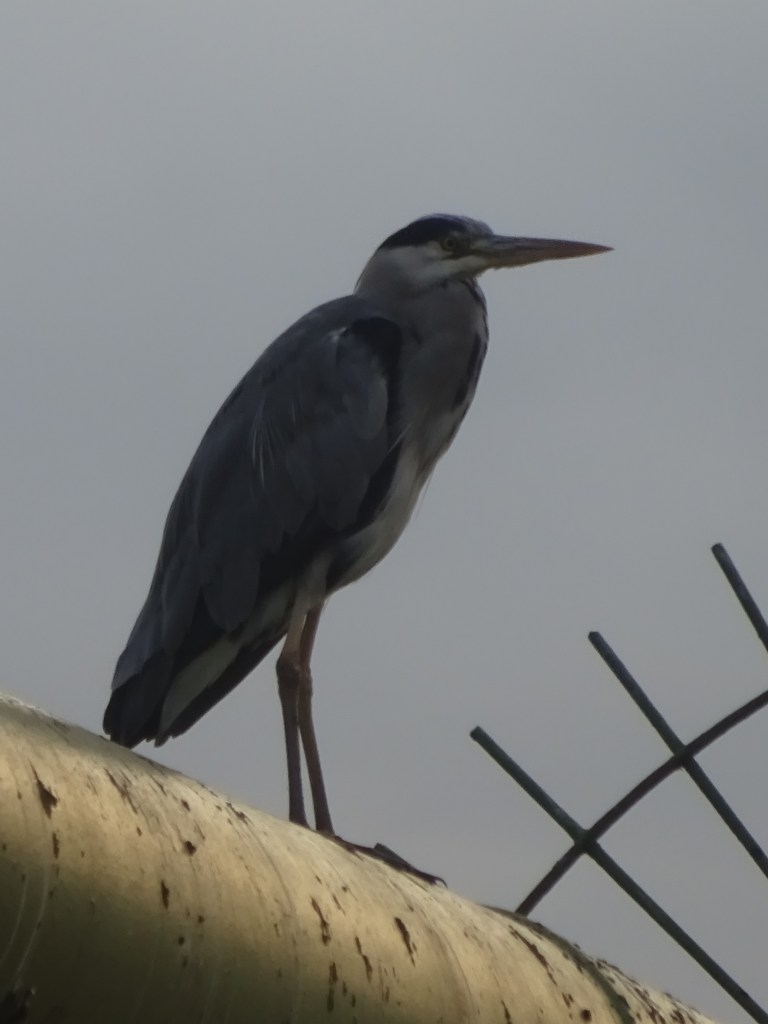
In the early mornings a heron keeps watch over everything on this stretch of the Soar from the vantage point of a pipe bridge. His routine never varies – and his breakfast seems to consist of frogs of which there are plenty around here. Walking back to the boat in the gathering gloom the other night we were struggling to walk without stepping on tiny little browny-green frogs, no bigger than my thumbnail.
Watching wildlife so close up is not only a privilege but accessible to most of us, we don’t need gardens to do it as any open space will do. Canal towpaths are particularly good for bringing us rapidly into the natural world.
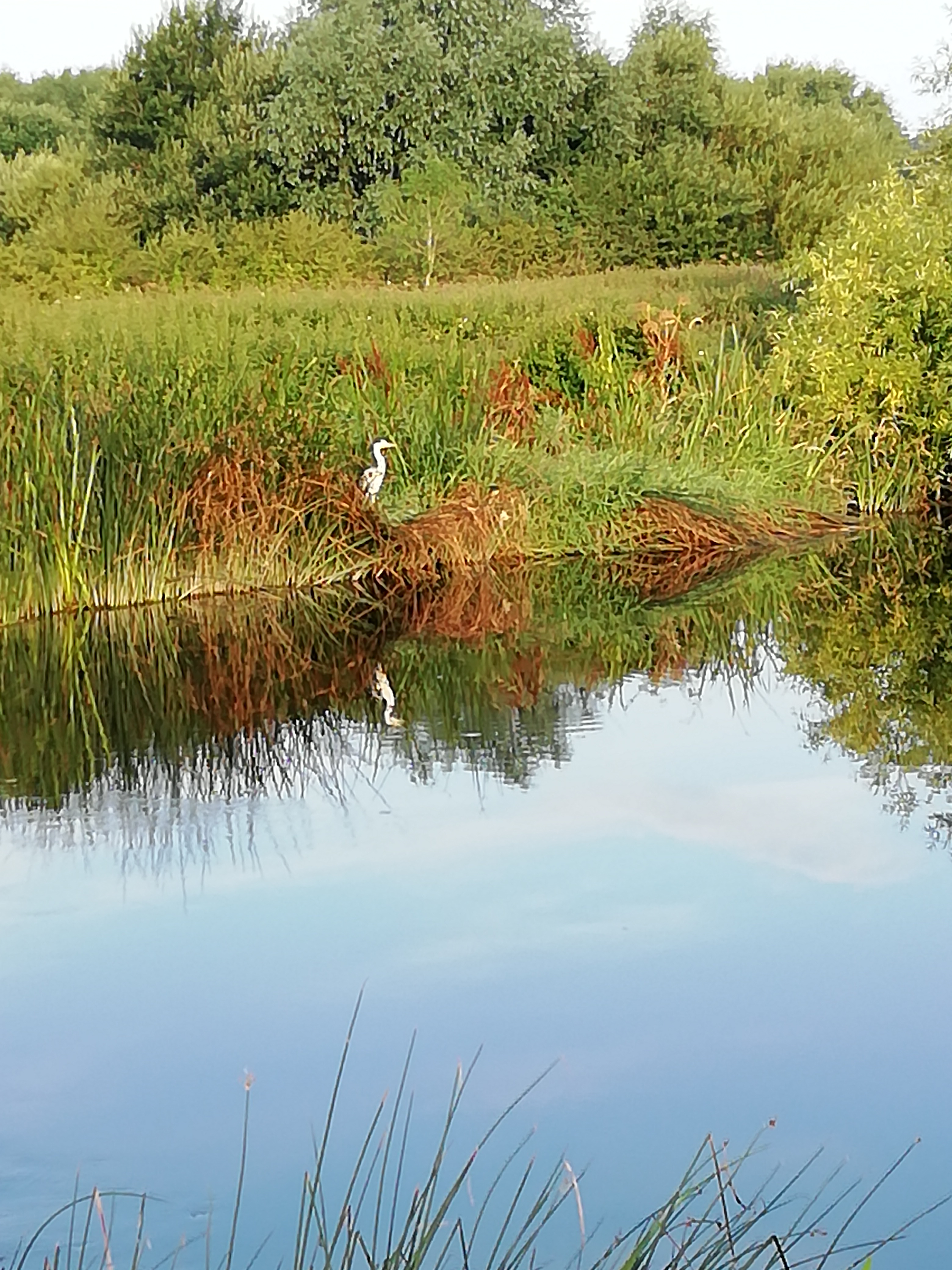
Birds particularly are magical – watching their apparently carefree lives as they soar through the skies. We can envy their freedom and ease of movement. Watch a little longer and you may understand the purpose of that flight. Is it training to strengthen muscles, a recce to check out food sources or flight as in escape from a predator? Insight gives us more enjoyment in understanding and watching these amazing creatures with whom we share the world. Perhaps it’s one of the reasons that David Attenborough’s nature programmes have such huge following – through the skill of inspired and informed camera work and knowledgeable commentary they give us ringside seats for the drama of daily life for birds, insects and animals. These creatures’ battles for survival put our own struggles into perspective. However tough our lives these little neighbours have it harder. Every day is full of life or death drama. That’s why some Covid bird projects like this one from Leicestershire have enthralled millions of us.
Whatever our own struggles and difficulties, trials and tribulations, seeing how others cope can be inspirational. It doesn’t matter how many legs they have, whether dressed in feathers or fur, we can gain,from their resilience, routine and determination. They have the capacity to make us realise how fortunate we are, how we are not alone In our struggles, and at the same time make us smile or laugh out loud with their antics.
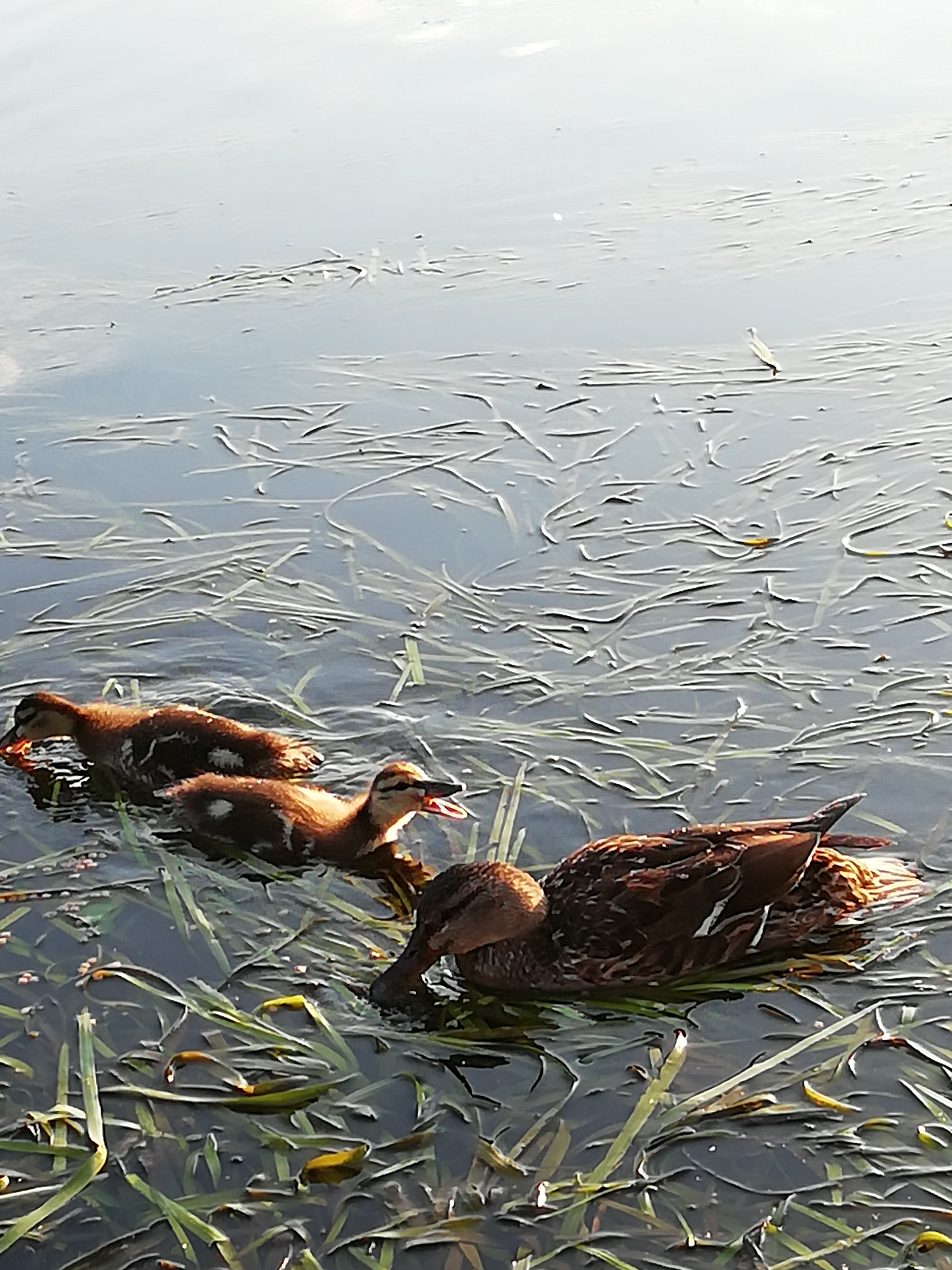
I do think they’re making me a better person too, and have the capacity to do that for all of us. When you know those little ducklings you’ve watched grow, are going to swim and feed on anything you flush down the drain it makes you more thoughtful, and more careful. In this, and,many other ways, they make us care more deeply for the planet we share with them – and make us to feel better about ourselves for doing so.
Next time I’m down in the dumps, frustrated or grumpy (or if you are too) I just know the antidote – a spot of bird, animal or insect watching – I highly recommend it!
 Pickingupducks