
It was a delight this week to learn of an entire world far removed from the selfishness and greed of UK politics. A world that thrives by connecting, communicating and supporting itself and others, whether they look like it or look differently. I mean the world of… fungi.
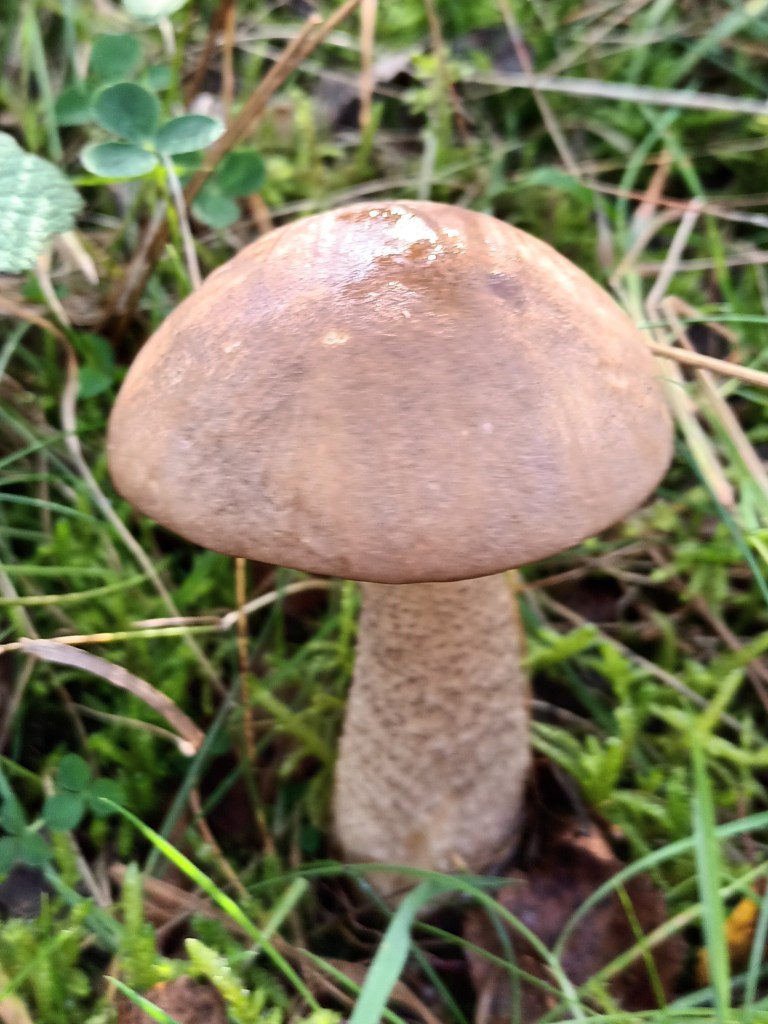
Going on a foraging course I really didn’t expect to explore the intricate communication networks of mushrooms, their underground chats with each other and with interconnected species like trees. (Don’t just take my word for it – click here)
This course was a gift, and an absolutely amazing one. The experts don’t always focus on mushrooms – but change topic with the seasons. Autumn though is the perfect time to learn about the plethora of mushrooms that are all around us – delicious and dangerous.
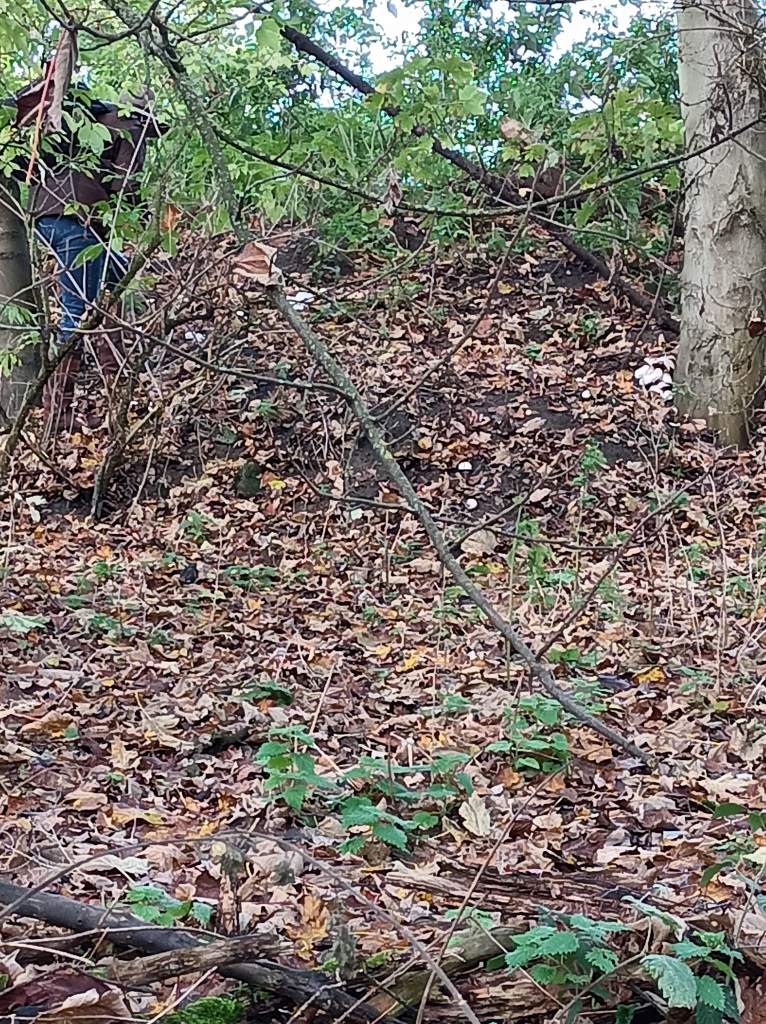
This was so much more than identifying what to eat to enjoy, what to avoid and where to find them, all packed around a brisk walk, steep scramble and gentle stroll around a former coal mine in Staffordshire.
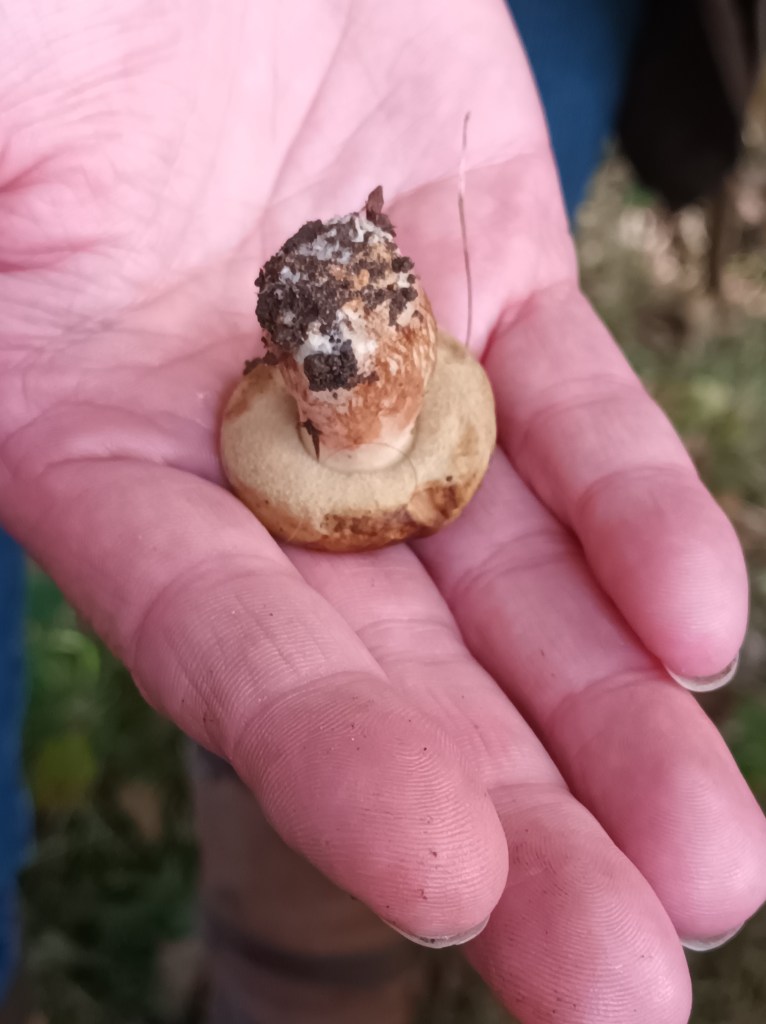
So rich in mushrooms was the chosen area that at times it was hard to move without squashing those we’d come to see. Learning to use location, sight, smell and key features we began to touch upon how to identify good from bad, edible from inedible, mildly poisonous from positively deadly. I felt I had not been using my senses so fully for decades.
The plethora of species, the colours, the richness on offer seemed mind blowing – quite literally when we really did find a Fly Agaric, a bit battered but clearly identifiable nonetheless.

Its familiar Disneyesque or Super Mario red top with white blob may have spawned the journey into Wonderland for Lewis Carroll’s Alice, producing as it does a lack of spatial awareness. Dangerous as they are to us, they can be of use. Soaking these mushrooms in milk and leaving the milk for flies to drink will prove deadly to flies.
There are many mushrooms that have multiple uses, even if inedible. The razorstrop for example. Specific to birch and totally inedible has multiple uses. Sliced into one inch strips and air dried it makes invaluable kindling. When fresh and new if you peel the skin from the soft underbelly of the fungus it makes a micropore antiviral plaster that sticks to itself and stops blood flow.
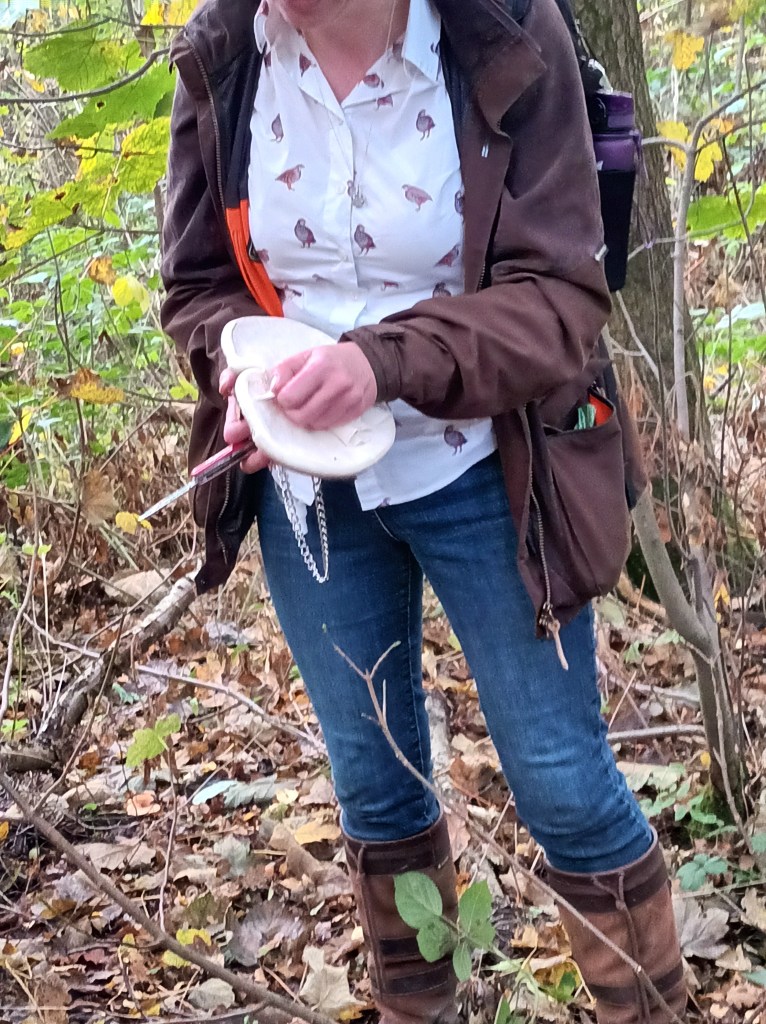
As the common name suggests, barbers used to dry the fungus and use it to strop or sharpen razors, combined with its antiseptic properties it was invaluable. Ground down and added in small quantities to hot liquids like tea it can be used as a tonic for the immune system, or in large quantities as an emetic.
Terry Pratchett rightly said “All Fungi are edible. Some fungi are only edible once.” I think from just scratching the surface (literally in the case of the poisonous Yellow Stainer) that it’s not just about safety although that’s obviously pretty important.
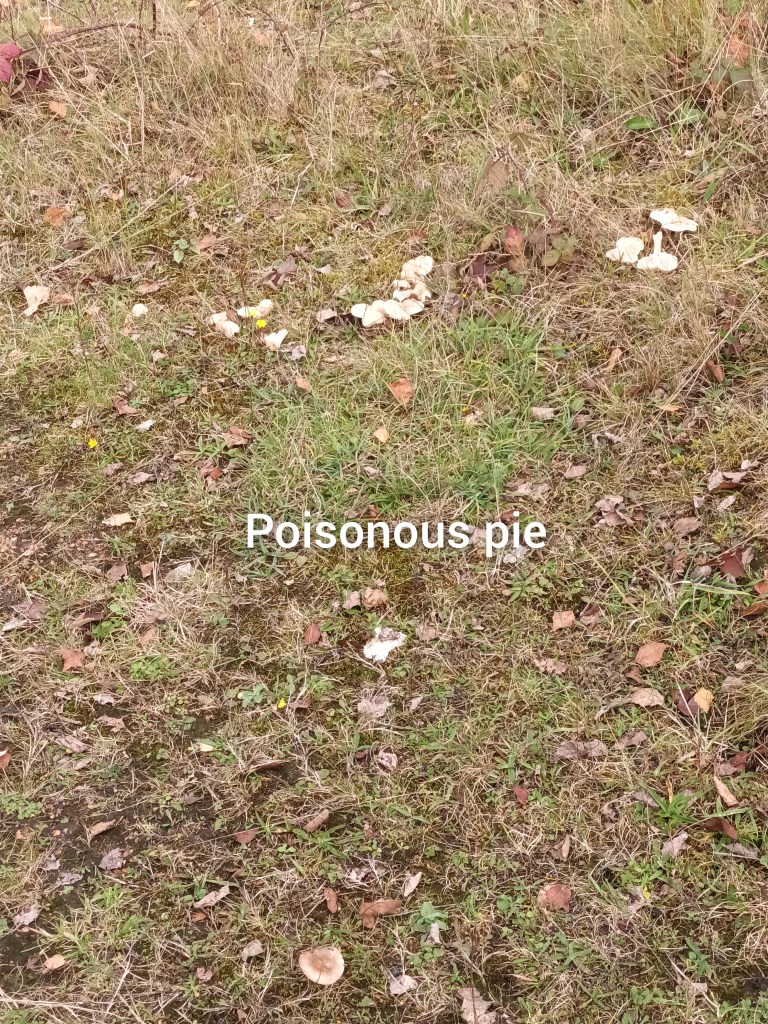
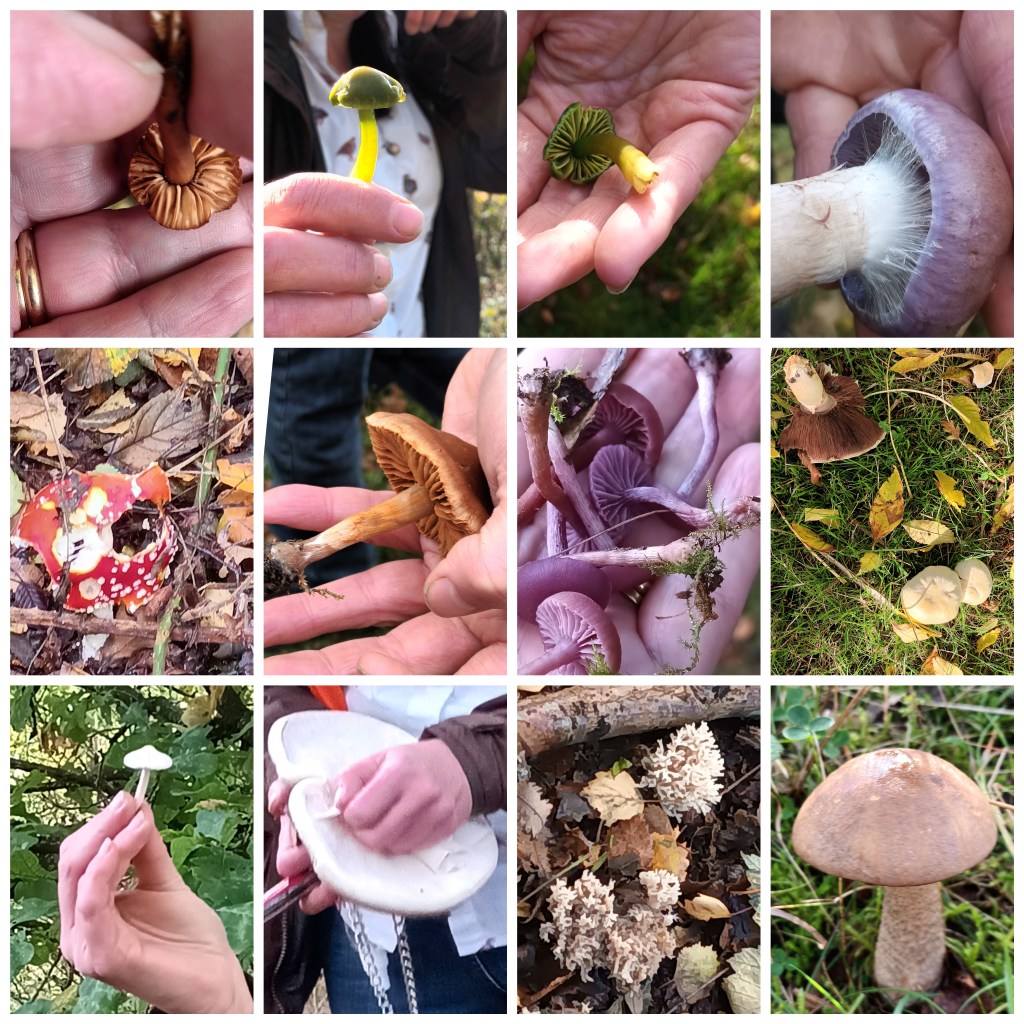
There is so much to learn about and from mushrooms – and so much to delight in. We found a positive rainbow of colours from the white of the Horse Mushroom (edible) to the tiny brown Mousseron or Scotch Bonnet found in its fairy rings (edible) but don’t confuse with the Fools Funnel look alike which is poisonous, to the Purple Webcap (see the web and remember it like spiders are inedible) to the Amethyst Deceiver (small but edible), the vivid green Parrot Waxcap (edible), the rare Coral fungus (don’t pick it because it is so rare) and the ever sought delicious Bolete.
It’s another world, one which has been developing and developed for millions of years (enjoy this for a bit more insight). In this day and age it’s good to surround ourselves with things that have longevity… unlike current UK governments.
 Pickingupducks