If living and working on the move has taught us anything it’s not to take anything at face value, or live by what others tell you. Go out there and find out for yourself, and test your preconceptions, particularly if they were built on hearsay, or experiences from the past – things change over time, as do we all and our perceptions.
Cov is a case in point. The locals we met called Coventry “Cov” with fondness, a far cry from the view of a city where you go to be ghosted, ostracised as in “sent to Coventry”. Heading down the Coventry Canal over the years I’ve lost count of the number of times we’ve turned at Hawkesworth Junction, avoiding the arm that leads straight into the city that gave the canal its name. We heard tales of shopping trolley hell to navigate, rowdy goings on in the canal basin, and a view that it wasn’t worth the journey.
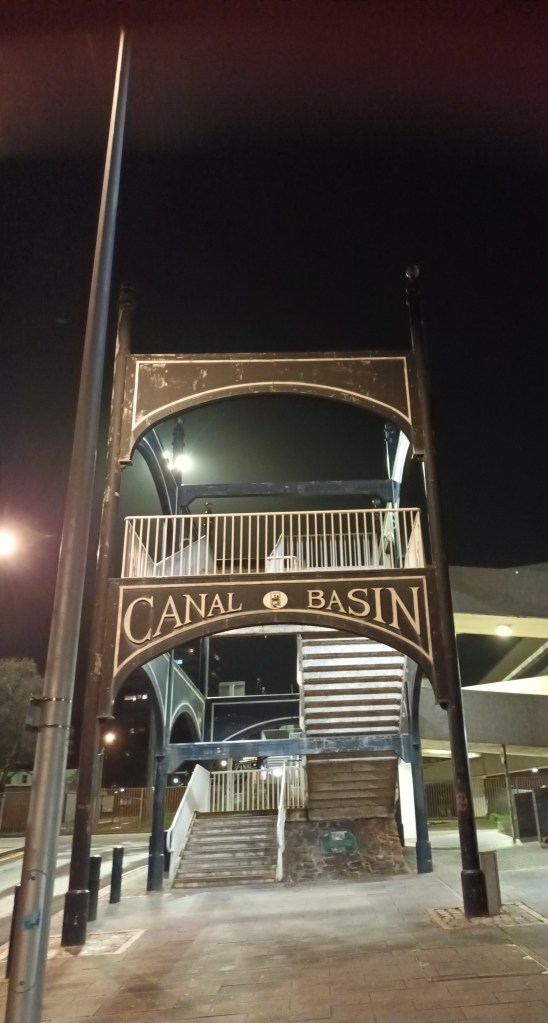
Recently we also began to hear high praise for the basin mooring, stories of good food and a welcoming city with a thriving arts scene. We felt we’d shunned Coventry enough, and this time we steered towards it at the junction.
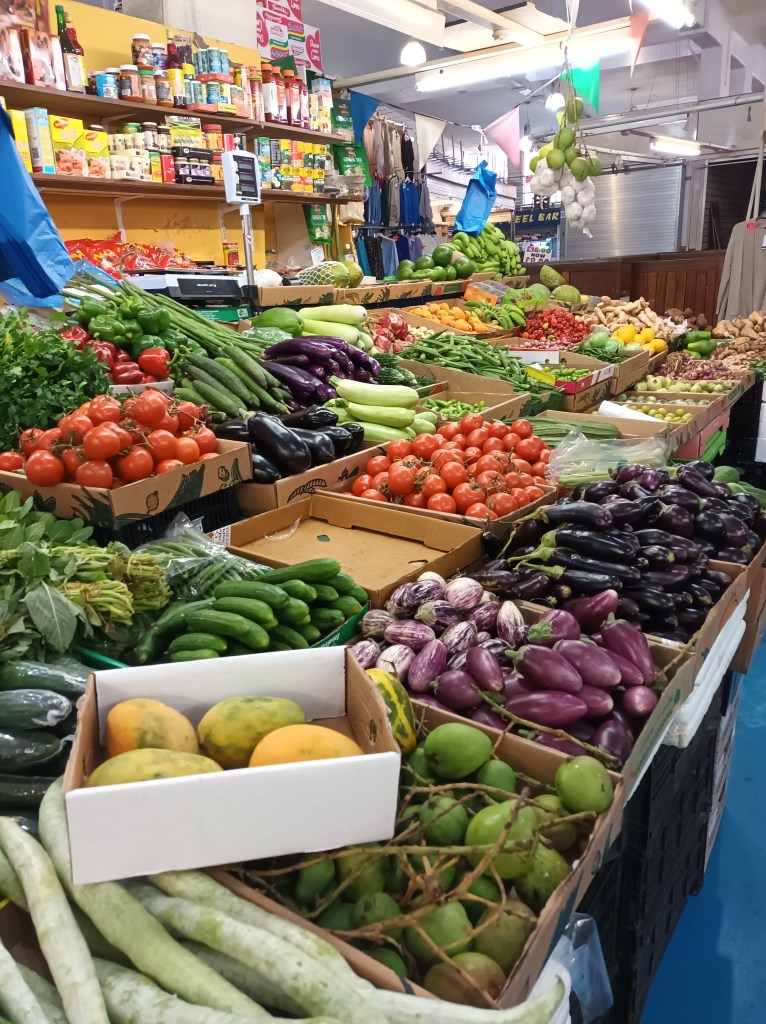
Coventry is a fascinating city – full of history, full of life, surprisingly full of shops when so many city high streets seem full of boarded up closures, a vibrant aromatic multicultural market serving all tastes and nationalities, and everyone we encountered was warm and welcoming.
The city has many thriving arts venues, one of which, The Tin is in the Coal Vaults right on the well-lit Basin. Check it out before you visit but don’t worry about noise if you’re moored right next to it – we found the noisiest thing about being in the basin was not the heavy metal night but the Canada Geese!
The Portuguese supermarket on the basin, the café too we’d highly recommend, and whilst you’re there take the bouncy bridge over the dual carriageway into the city. There you find history and heritage, art and education interlinked.

The largest collection of British vehicles on 2 and 4 wheels appears in the Transport Museum, and of course Daimler made the first car here in the city in 1897 in a plant alongside the canal.
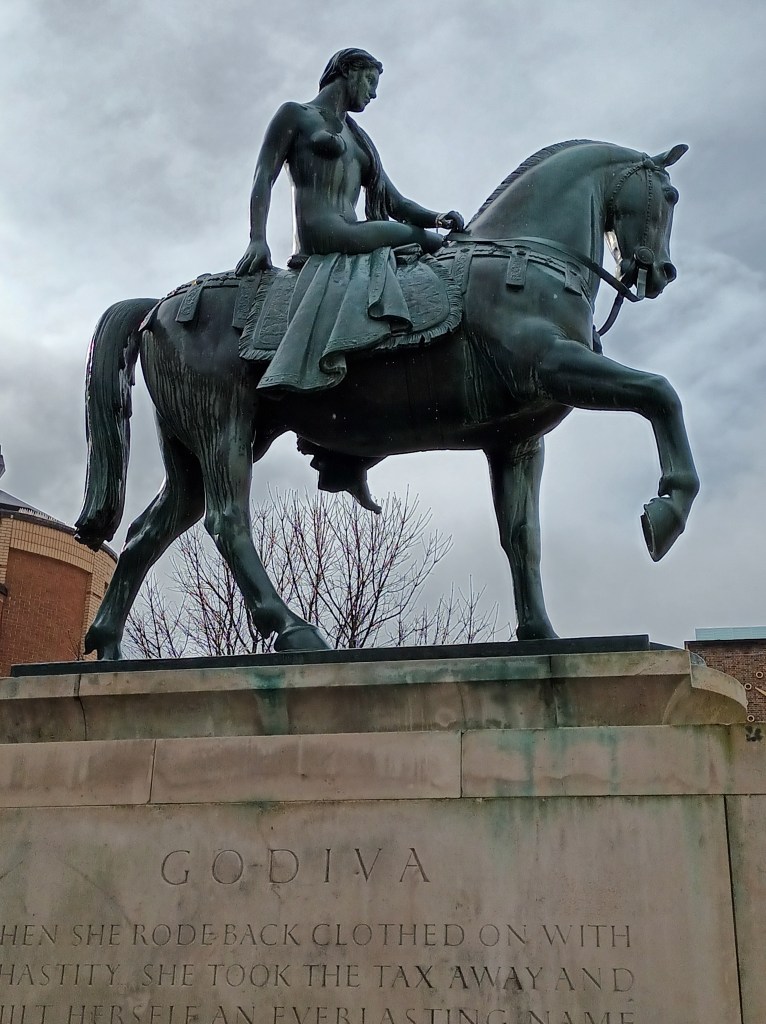
It’s horsepower of a different type in the control of a female rider that has made Coventry infamous. Lady Godiva protested against her husband’s imposition of brutal taxes on the population in the only way she knew how once her verbal entreaties failed – she rode naked through the city and still does every hour viewed by thousands of tourist, locals and the Peeping Tom. Make sure you’re in Broadgate when the clock chimes any hour and you’ll see what we mean.
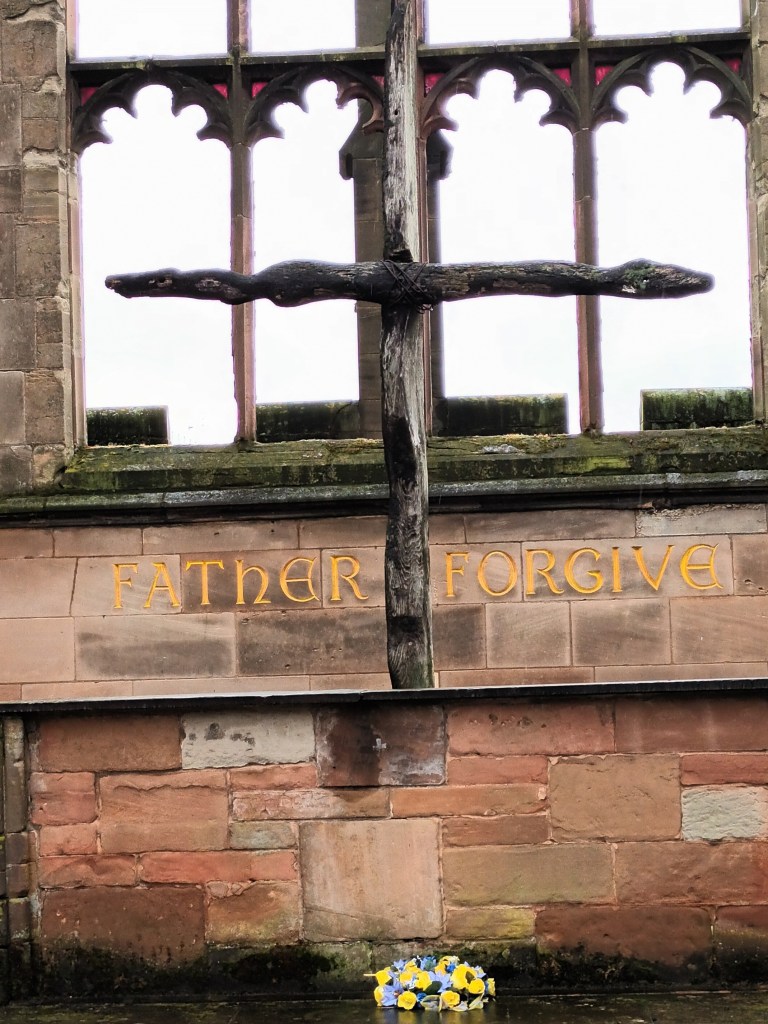
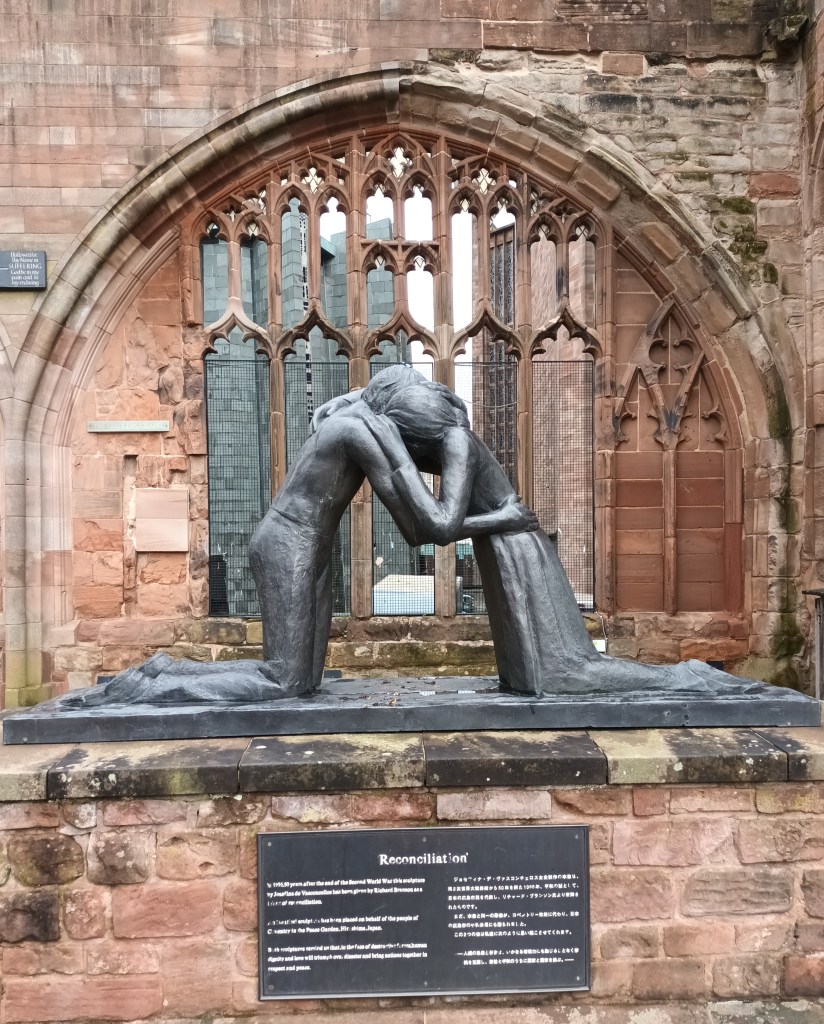
Significantly at Eastertide the message for which Coventry is renowed worldwide is that of reconciliation, faith, and resurrection.
The city was severely bombed by German forces in World War II, the cathedral was destroyed and 568 people lost their lives and 43,000 homes were flattened on 14 November 1940, the single night that became known as the Coventry Blitz.
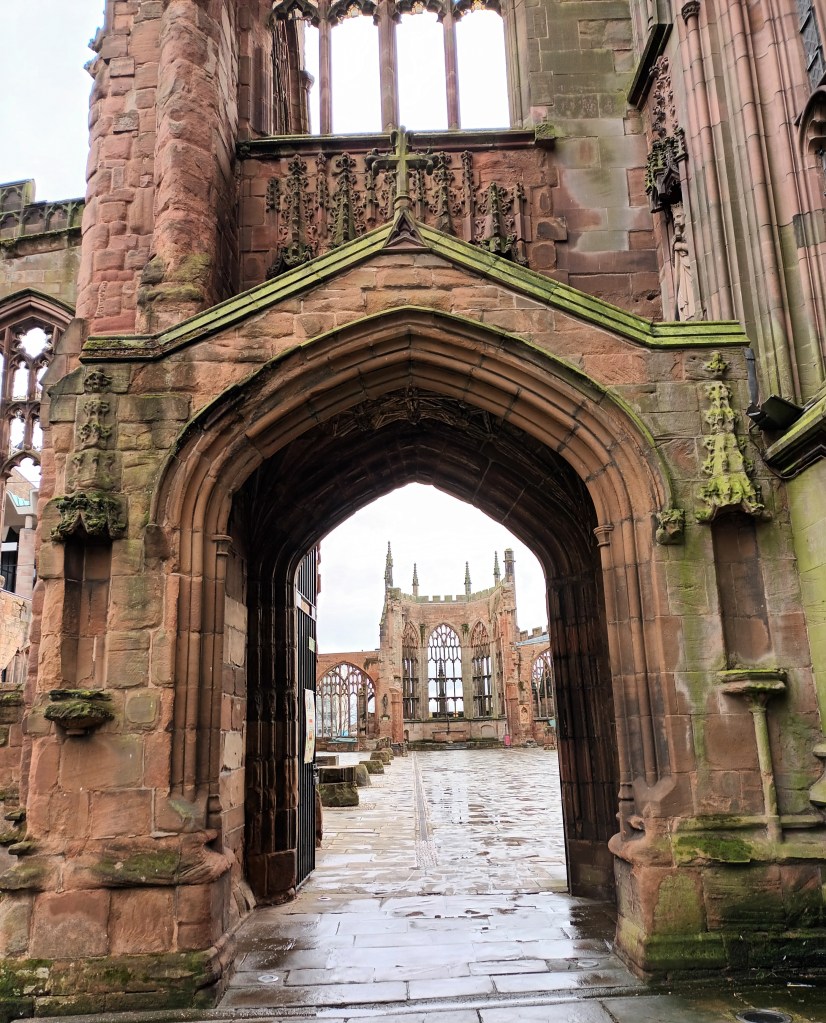
Since then Coventry has become renowned as a living example of destruction, rebuilding, renewal and reconciliation.
Bombs landed in the canal spraying water over homes and yet there was a lack of water to extinguish the fires that raged after the bombing.
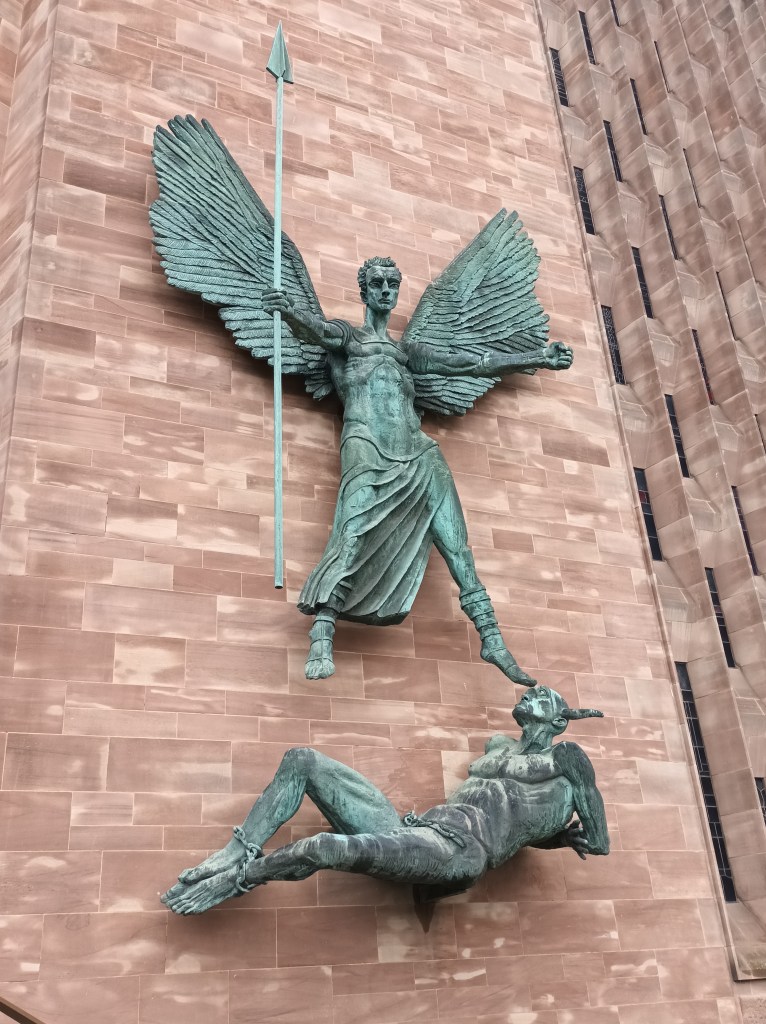
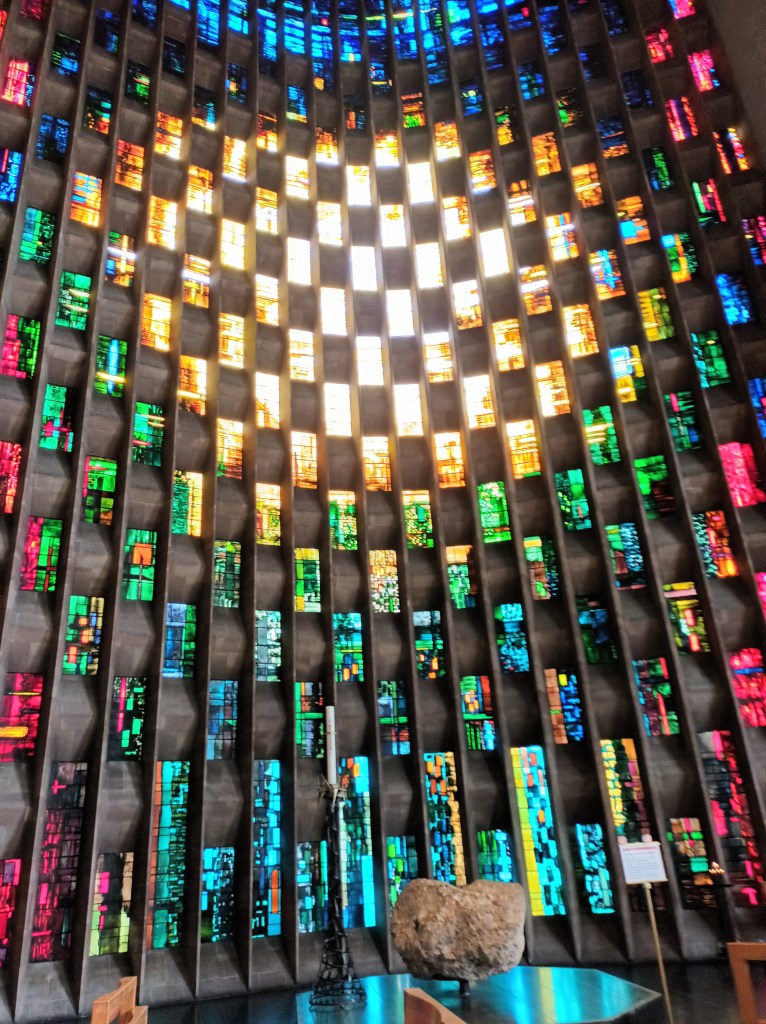
The resulting rebuilding, of a new cathedral, of the city and the communities within it has spawned a movement for reconciliation that has involvement globally, particularly within Dresden, a German city which suffered destruction at the hands of the British forces. Coventry blazes a hopeful light.
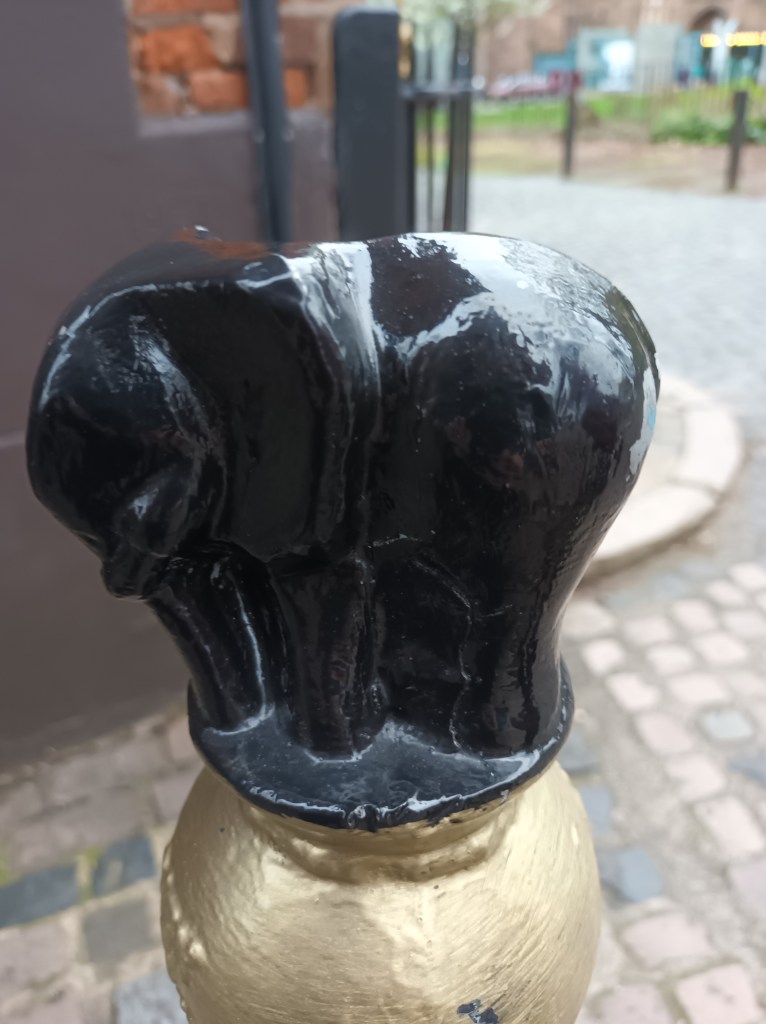
The elephant is a symbol of the city too, a strong animal who is said to never forget but is also apparently a symbol of redemption of the human race. Coventry doesn’t forget it’s past but builds on it, building a strong and meaningful future.
Whatever your beliefs, have an enjoyable and uplifting weekend. We honestly recommend you don’t wait to be sent, but take yourself to Coventry very soon.
 Pickingupducks