Industrial discoveries are remarkable. Recycling and world trade are nothing new. We were reminded of these this week. Poo from Peru was just one of a Staffordshire mill’s stock in trade until the 1970s.

The gloriously named Shirley’s Etruscan Bone and Flint Mill has been in operation since 1857, and remains the last steam powered potters’ mill operating in the world. It ground flint, bone and guano (bird poo) from Peru to support the pottery and agricultural industries. The guano was ground down for fertilisers.
Peru became for a time the largest global supplier of bird excrement thanks to anchovies which thrived in the waters off the Chincha Islands located on its southern Pacific coast. These fishy morsels attracted cormorants, pelicans and boobies who lived and then thrived on the islands. The dry climate preserved their droppings and from the Inca on, these droppings were recognised as a powerful fertiliser. While the Incas sought to preserve the birds that ‘laid’ the crop, those who came after them were not as astute and their decimation of millions of tonnes of guano was done at the detriment of the birds and the islands. Man’s greed ultimately destroyed them all.
It seemed astonishing that an aged industrial site in the Potteries heartland of Stoke-on-Trent was the global centre of this business. Bringing in materials from across the world and initially using canals to send them back out to customers globally. The ground powders of bone, stone, and flint were used to make pottery base materials and glazes. They still are to this day. Powdered flint is added to clay to create earthenware, powdered bone ash, and stone makes bone china and porcelain, while guano is ground down as fertiliser.
Situated at the junction of the Trent and Mersey Canal which plied its commercial way from Nottingham towards the international port of Liverpool and the Caldon Canal which brought limestone from the Staffordshire Moorlands, this factory now forms the Etruria Industrial Museum.

This was an industry and a business empire built on making use of items that would be discarded or overlooked – animal bones and poo, stones, and flint. It is a business that continues today in a modern factory, making use of waste that demands disposal and turning it into valuable commodities.
Generally, the bones used were animal bones, contacts with slaughter houses, and farmers being the main source, but just occasionally, the bone china of our great grandparents may have contained rarer, more exotic ingredients. There are tales of two elephants from travelling circuses, one named Jimona and one more prosaically called Nick, whose skeletons ended up creating elegant tableware after their untimely demises in Stoke-on-Trent. Circus owners were apparently grateful for a quick and easy way of disposing of their corpses. Allegedly some of Jimona’s giant bones (or models of them) adorn the walls of the Mill’s Pan Room where burnt, crushed bones (rarely elephant) combined with Cornish stone and flint, from Nothern France and Eastern England, were ground to slop with water from the canal. The slop was dried, and the resulting powder sold to the pottery and agricultural industries for blending with clay and using as fertiliser. We still use bonemeal in horticulture and agriculture today, as well as it being a fundamental element in bone china production.
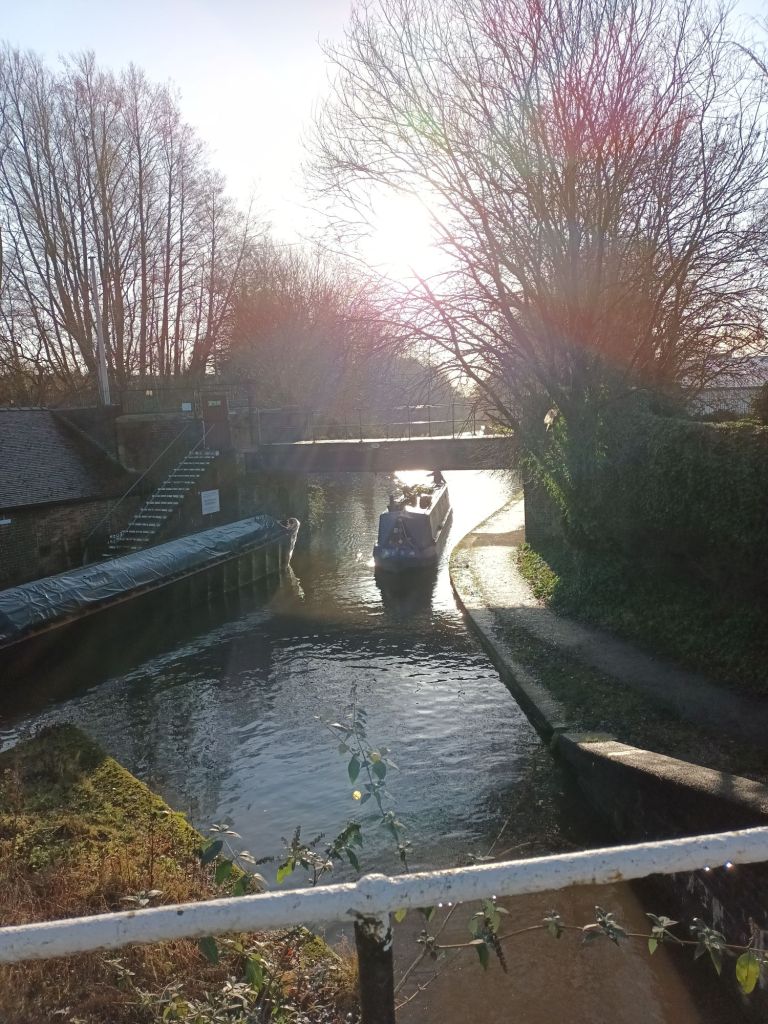
I cannot believe how many times over the years we have travelled this stretch of the Trent and Mersey, passing the Etruscan Bone and Flint Mill but never finding it open for us to call in an discover more. This week, we found out when it was open and retraced our steps to ensure we could visit. Now, this incredible place, run by volunteers, is trying to open every Friday, and this month, they will fire and operate the huge steam beam engine Princess for visitors on both October 19 and 20. Do visit if you can. The massive 1903 steam boiler (which was itself recycled as it used to heat the nearby Tunstall Swimming Baths) takes 5 days to warm up gradually to operating temperature, requiring hand-stoking all the way.

The story this unique museum expounds of recycling, waste into wealth, discovery, manufacturing, engineering and now history and the passion of volunteers committed to keeping it working and available for us all to visit is nothing short of remarkable. So often we pass by places like this, missing what they have to tell and teach us. I never knew until this week that bones, stones, and poo made Stoke-on-Trent invaluable. It’s a lesson to never pass by, never ignore history, and never miss a chance of discovery.
Wonder what we’ll find next week as we continue a route we’ve travelled many, many times?
 Pickingupducks