March – the start of meteorological spring in the Northern Hemisphere. On the 20th of the month, the Spring Equinox or in the Pagan calendar, Ostara, night and day will balance.
It is also a time of flurries of movement on the inland waterways, as the annual winter works programme which creates necessary stoppages across the network, comes to an end until next November. Some works have been delayed because of the torrential rain and flooding, but most will be complete by 14 March. Canal and River Trust undertake the bulk of planned stoppage work during the winter. More than 50 of those stoppages were for replacement or refurbishment of lock gates, like the one ahead of us at a Kegworth New Lock where a top gate has been replaced. Each of these operations requires significant preparation not least of all construction of new gates and arranging access for heavy lifting equipment. On average each of these projects costs around £150,000, a huge outlay for a charity.
Every lock and every gate is unique. They were constructed individually like most historical equipment and as such they need to be repaired or replaced the same way in the hope that they will then last for another quarter of a century.
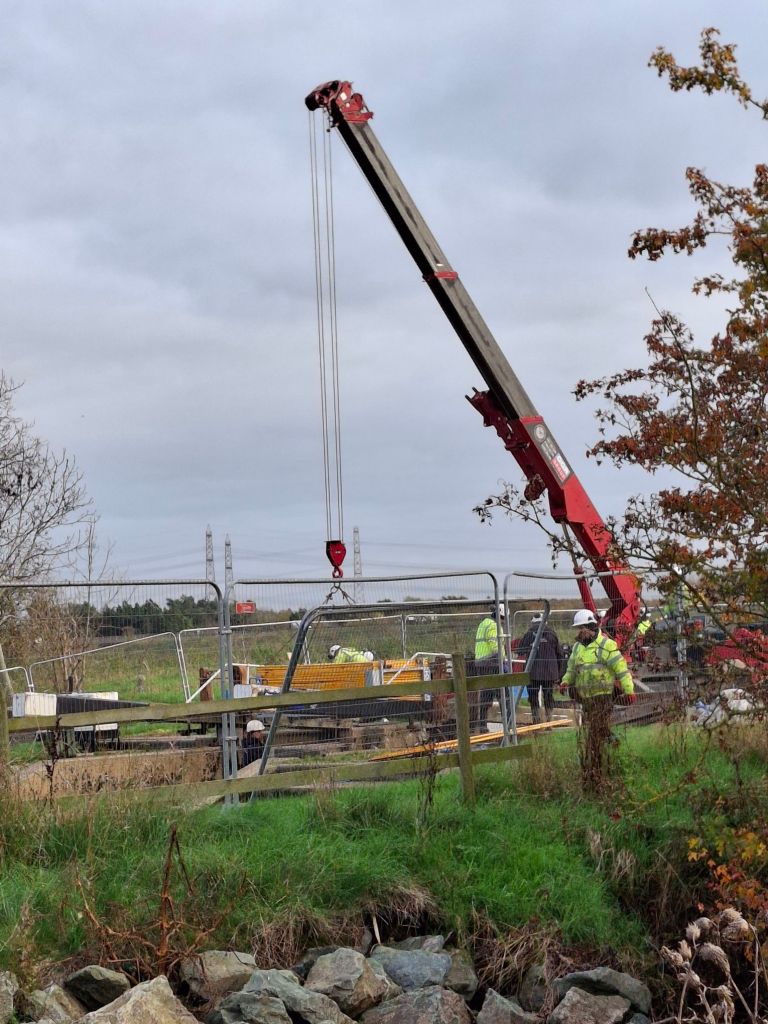
Once through Kegworth we will head towards the River Trent, travelling through Ratcliffe Lock where gates were replaced last year. Some of you may remember we were waiting weeks on the Erewash for water levels to drop to allow the work at the lock to be finished and the Trent and Soar to be navigable once more.
Historically March, named after Mars, the Roman god of war and guardian of agriculture, was a time for new beginnings. For me it will be a time of taking up the challenge of fundraising for Cancer Research by walking or running a mile a day. It seems like a major personal challenge having done so little running for the past few years since a knee injury became an obstacle and then an excuse. I need to hard my resolve, perhaps by looking back to the past when generations of old would be readying themselves in March to resume fierce military campaigns halted during winter.
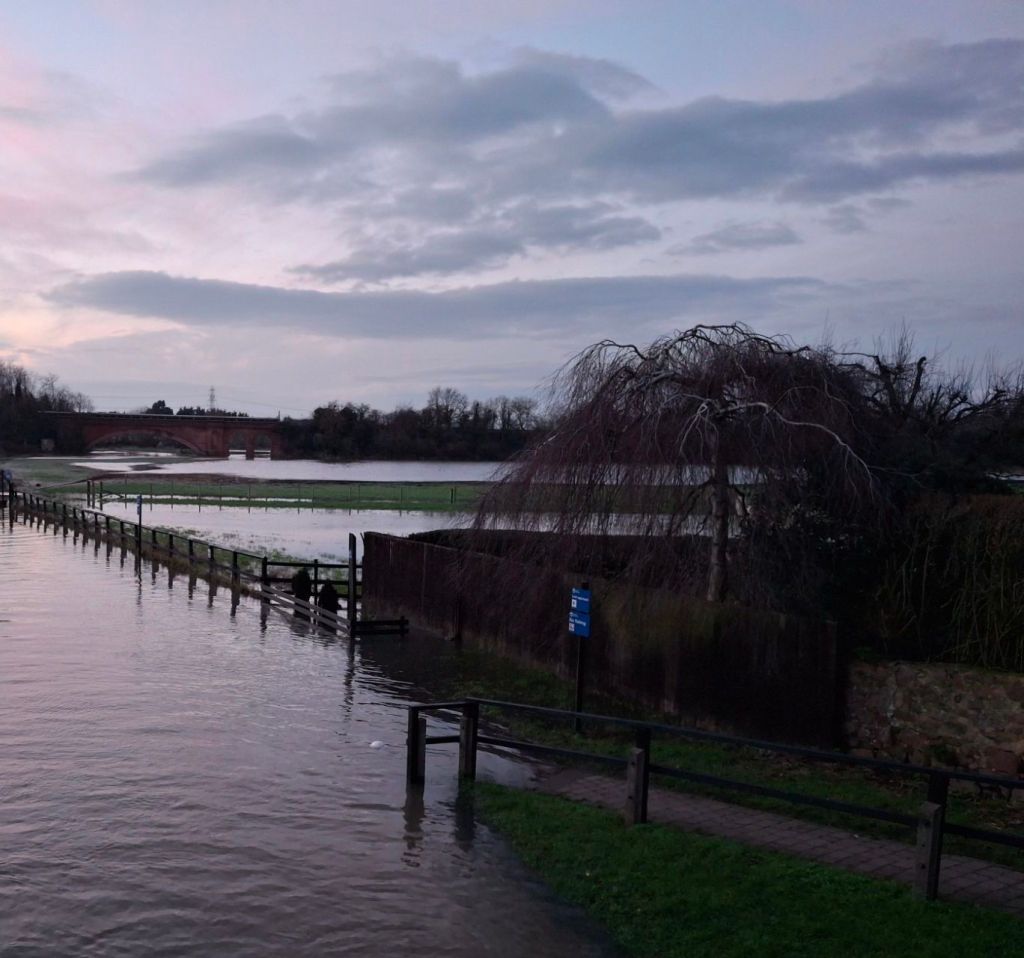
Farmers too would once welcome March as the time to prepare to till land previously too cold or wet for working. This year farmers where we are, will be struggling to get onto their land for some time yet. The worst flooding has abated (indeed we had a whole 24-hours out of flood this week), but fields remain sodden, unworkable and the water table is still high. The National Farmers Union (NFU) has just concluded its annual conference, entitled this year aptly entitled Building Farming’s Resilience, something every farmer is going to need as climate and markets change.
For wildlife too, this is a time of change. Birds like the herons and tawny owls are beginning to nest, and around us, it is getting noisy as the swans are beginning “The Chase.” Parent swans have deemed that their cygnets are now youngsters able and old enough to look after themselves, so they chase them away. This is to stop fighting and prevent the youngsters eating precious resources. The young ones begin to look for other immature swans to create a flock for the next few years, living and feeding together as a unit. Once they reach full maturity (when their beaks are orangey red rather than bluish grey) they will look to take on a mate of their own, find their own territory and breed themselves.
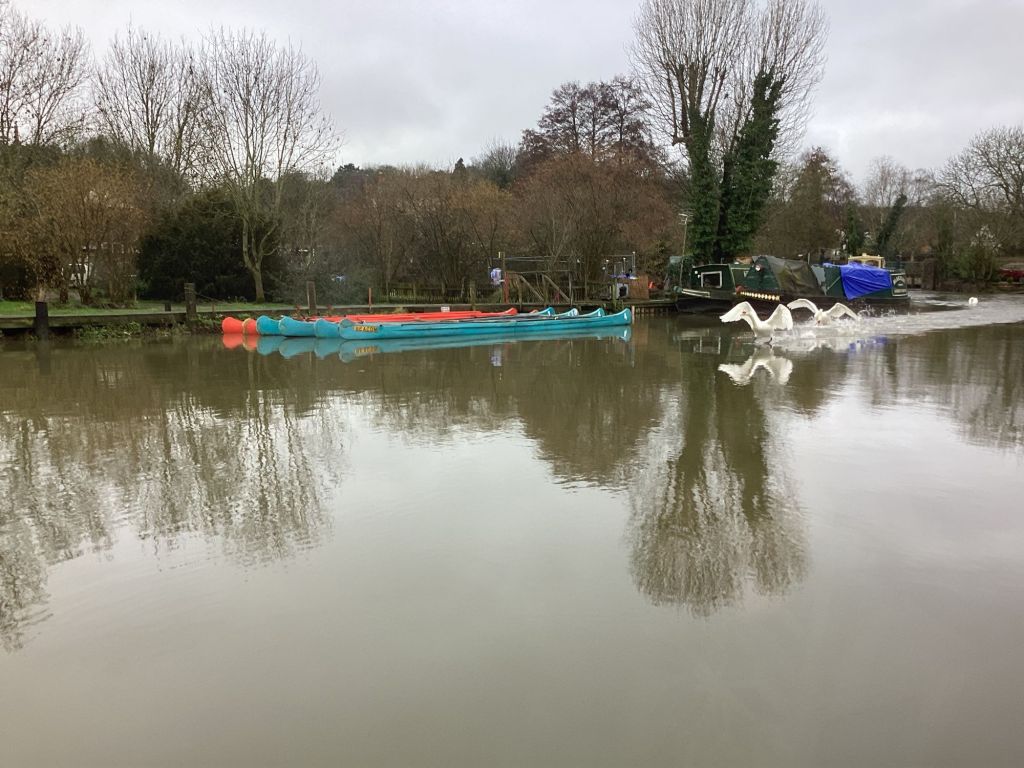
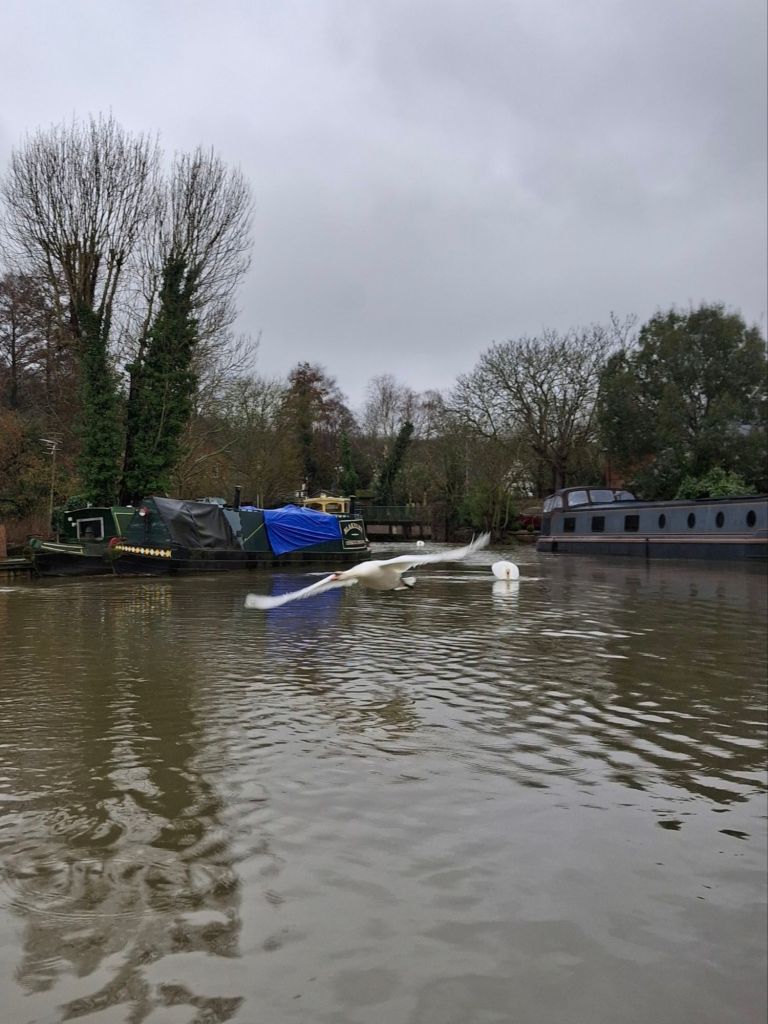
The Chase is no light-hearted farewell. It can be ferocious, and as boaters we need to be very aware of swans at this time. We can end up dodging warring factions, and even having to intervene to save life. Young pairs will be looking for territory and established males are looking to protect their patch, as well as shooing away their own offspring in a far from gentle manner. It can be deadly if two warring swans end up trapped together in a lock by accident. We know of particular places where this can be an issue – on the Leicester line and on the Erewash especially. Sometimes there will be notices on lock gates warning boaters not to let swans into the locks.
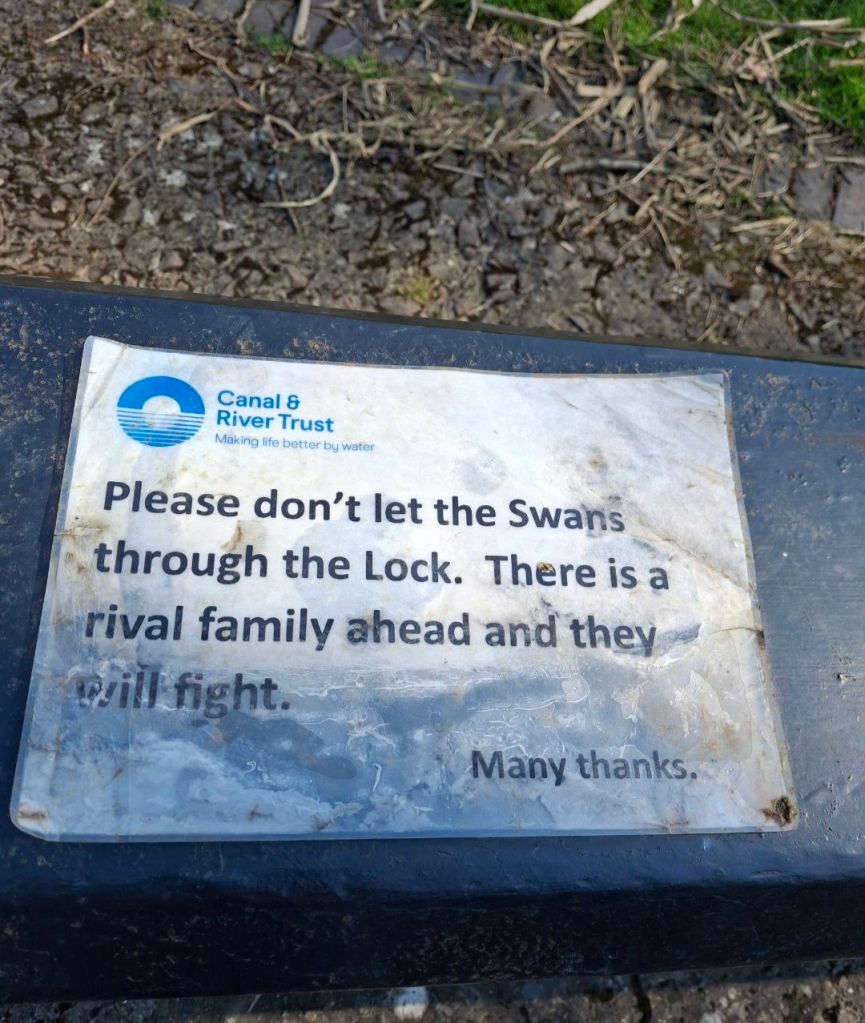
These warnings are relevant from now until after this year’s new cygnets are hatched and capable of looking after themselves. Swan parents will literally fight to the death to save their new young from other swans, geese, foxes, mink or dogs, often oblivious of boats or people around them.
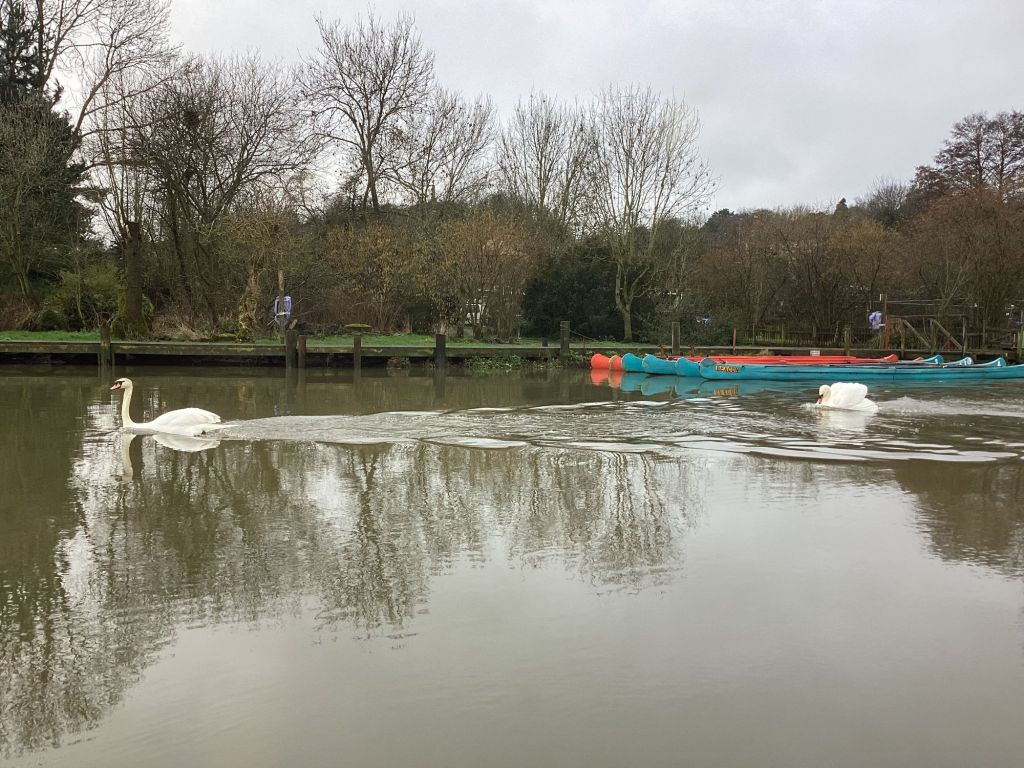
We have had to use boat hooks to safely move warring swans apart and always from this time of year have a distracting tin of swan food near the tiller ready to rattle if we head to a lock and a swan is close behind us (or hovering at the lock entrance). Swan food offered away from the lock before a rival is spotted can be an essential distraction, allowing us to get the boat in and close the gates behind us while it’s being consumed. Once a cob sees his rival thought no food will distract him and physical intervention is the only course. Prevention of confrontation in the case of swans (and indeed most species, including humans) is by far the best action.
Mind you the youngsters will keep coming back- and it is noisy here at rhe moment with the fight or flight dramas playing out with every return.
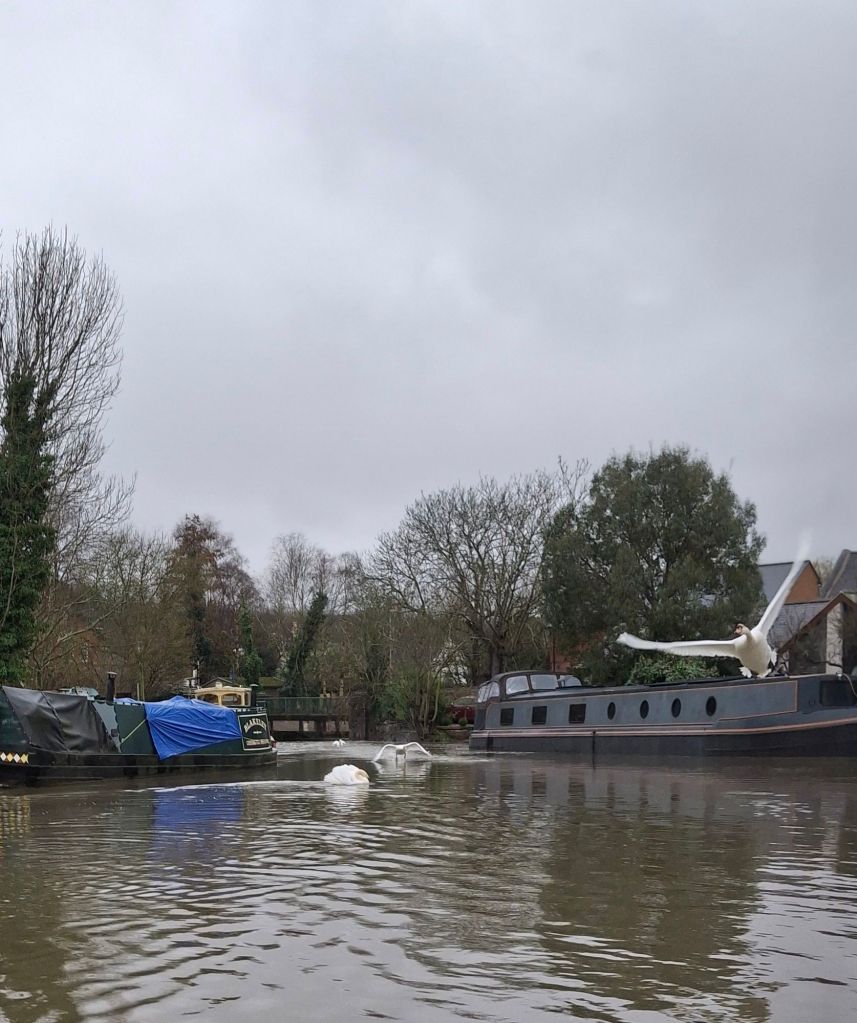
We too are waiting to see if we can flee. In the 24-hours off flood this week I prepared for departure. I have everything ready to distract swans and to move the boat once the navigation is clear of flooding and stoppages. The flood began before we had a chance to move.
Will we be able to move before I head off to house-sit for a while? Who knows, it is once more in the lap of the weather gods. The French philosophy we absorbed whilst living happily there seems totally applicable to boatlife, “Peut-être oui, peut-être non.” Who know where we shall be next week? Perhaps still in the same place we’ve been for months, or perhaps somewhere else.
I imagine that as usual, once we do start to move, we will enjoy the changing sights and sounds, views and vistas so much, that our stops will be short ones. The journey rather than the destination will once more become the highlight of daily life.
 Pickingupducks