I am born in water. I live in water and I die when water touches me. What am I?
The answer to this old riddle has been adding flavour to our days and dishes, fascinating, exfoliating and also relaxing us these past weeks. It is the mineral once known as white gold and in Cheshire since Roman times, it has been vital in providing employment and incomes, which it still does today.
I’m talking of salt. Any town in Cheshire that was a salt producer is easily identified by the suffix -wich. We have found ourselves over the past weeks in Nantwich, Middlewich and Northwich. The salty brine was pumped by nodding donkeys from deep underground and dried in huge pans. These massive pans date back to the days of the Norse invaders who landed on the coast and dried sea brine in huge pans called wicks or wichs.
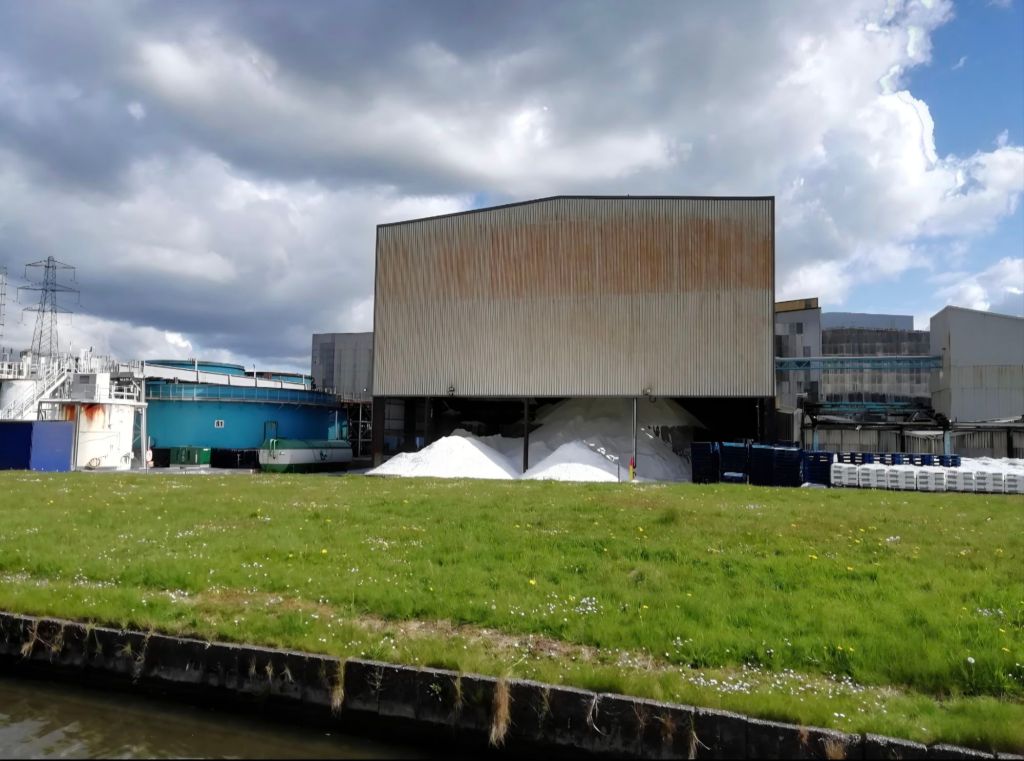
The salt industry continues to be a major industry in Britain today, and the salt deposits in Cheshire remain rich but for the first time in history, we could be about to import salt to our shores. INEOS Inovyn,which produces around 50% of our salt from their works in Cheshire say the government’s net zero policies could push them out of business. They have an extensive business using rock salt from a mine near Winsford and brine.
Approach Middlewich from the south along the Trent and Mersey Canal and you cruise alongside massive white mounds of salt at the British Salt site. It uses the Warmingham Brinefields and produces salt for cooking (Saxa), baking, and pharmaceuticals. British Salt is now part of the giant Tata Chemicals corporation.
Salt is used in so much more than food, but in chemicals, pharmaceuticals, dyeing and cleaning products.
A gentle canal cruise taking in part of the Shropshire Union Canal, the Middlewich Branch and part of the Trent and Mersey brings salt to life – not just its current production, but it’s fascinating history too. Salt was fundamental to the canals and the canals were fundamental to salt, as the means to transport it for this area to the sea port of Liverpool and inland ports of Manchester and Birmingham.

Today turning left after passing the British Salt mountains, takes you through the shortest canal on the network, the Wardle Canal. At just 154ft long and boasting a single lock, it was built in 1829 so the owners of the Trent and Mersey Canal could have control over the traffic using the junction with the Middlewich Branch of the Shropshire Union, and secure their toll monies.
After Wardle Lock boats have just 13 miles and 4 locks to take them to Nantwich Aqueduct, a short walk from one of the country’s few outdoor inland brine swimming pools. The Nantwich Brine Pool is one of the most famous in the country and it is glorious. Heated to 22 degrees (as a minimum) the pure saline water has no added chemicals and the 30 metre pool has been open to the public for 91 years!
Bathing or swimming in brine has been recognised for centuries as having therapeutic effects on the muscles, skin and joints. Brine is more buoyant than regular seawater because it is denser, and so a body swimming in brine is supported far more than one swimming in the sea. It is also an excellent exfoliant and for some reason my hair too felt much softer after swimming in the brine pool. It is a delightful experience, and one for which it is well worth making a trip to Nantwich.
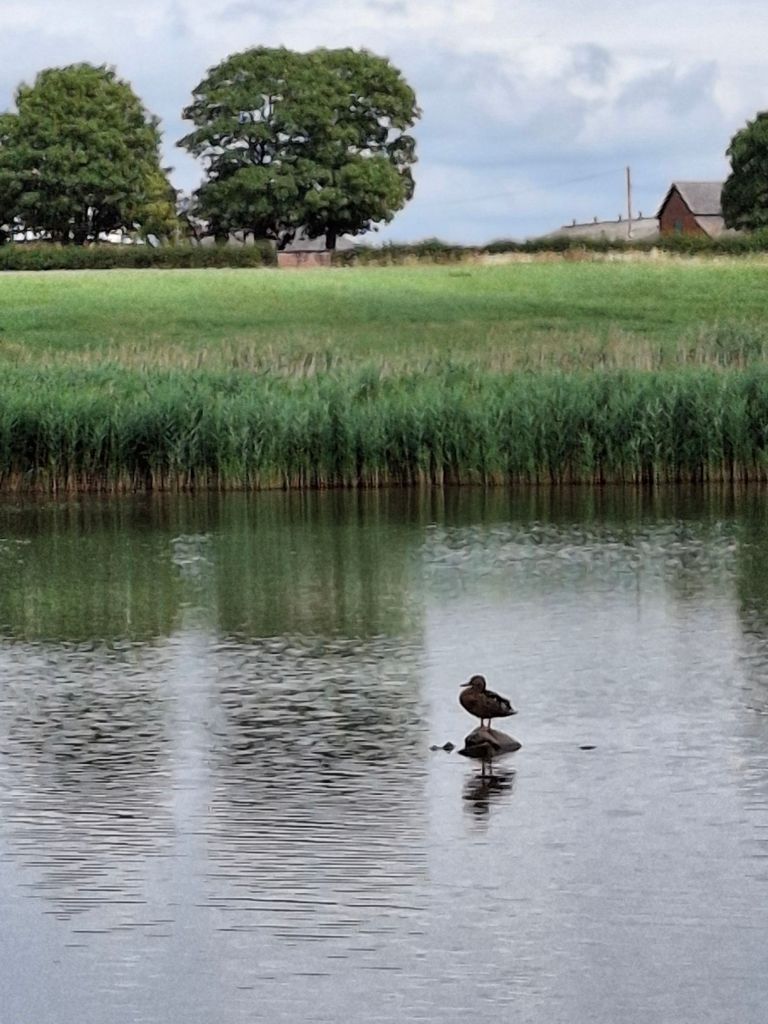
Turning a boat there and heading back to Middlewich it is another short journey of just 8 miles and 4 locks to drop down the Trent and Mersey, passing past Crofton Flash (like so many flashes in the area created by brine extraction and subsequent subsidence), and eventually through the huge Tata Chemical Works straddling the canal at Lostock Graham near Northwich.

Seven pipe bridges and a footbridge cross the canal above the boats, before arriving at the Lion Salt Works alongside Marston Bridge. The canal was built in the 1760s to carry pottery from Stoke on Trent to Liverpool and to return carrying Cornish china clay brought to the North West on seagoing ships.

Salt became an additional cargo for the barges. As its name suggests, the Lion Salt Works produced salt from brine from 1894 when it opened until 1986. Now it’s buildings and machinery have been preserved as a museum for us all to learn about how salt was produced here.
Salt not only influenced the commercial viability of the waterways here, it literally shaped the industries, architecture and structures around. Pumping brine from underground springs, and mining rock salt from underground led to severe subsidence in many places. At one point in 1907 the Marston Hall mine collapsed and part of the Trent and Mersey canal breached as a result. Boats and barges were submerged by the collapsing banks. Repairing the damage and reopening the canal to navigation took – wait for it – TWO WEEKS.
In those days, labour was cheap, health and safety restrictions were non-existent, and the necessity to keep the waterway open was paramount. In contrast the breach on the privately Peel Group owned Bridgewater Canal which happened in January 2025 remains closed with an expected reopening at the end of this year. The Llangollen Canal managed by Canal and River Trust had a significant breach last December and work is ongoing there to reopen it but without a date for completion.

Salt subsidence shaped the buildings of Cheshire too. Many were built with timber frames by ingenious Victorians and many can still be seen around much of Cheshire. If subsidence was an issue wooden chocks could be added and the buildings shored up to remain usable, or they could even be moved easily to new, more stable locations.
Industries like dyeing, cleaning, and food preservation were using salt in huge quantities and so the huge salt beds formed around 250 million years ago in the Triassic Period directly resulted enhanced the prosperity of the area. Producers were creating different grades of salt to meet different needs, and this continues to this day in the area.
Maybe Cheshire and its people are “the salt of the earth.” The quotation from the Bible, Mathew 5:14 says “You are the salt of the earth. But if the salt loses its saltiness, how can it be made salty again?” Here it means a thoroughly good honest person,
Salt has become embedded in all our lives. We talk of it in our conversations , “Take it with a pinch of salt” (don’t believe it all), or a reminder of how painful the work in a salt mine or salt works could be “rub salt in the wound” (making things even worse). And we talk of saving as “salting something away” indicating how precious salt was seen to be, indeed Roman soldiers were often paid in salt becausae it was such a valuable commodity.
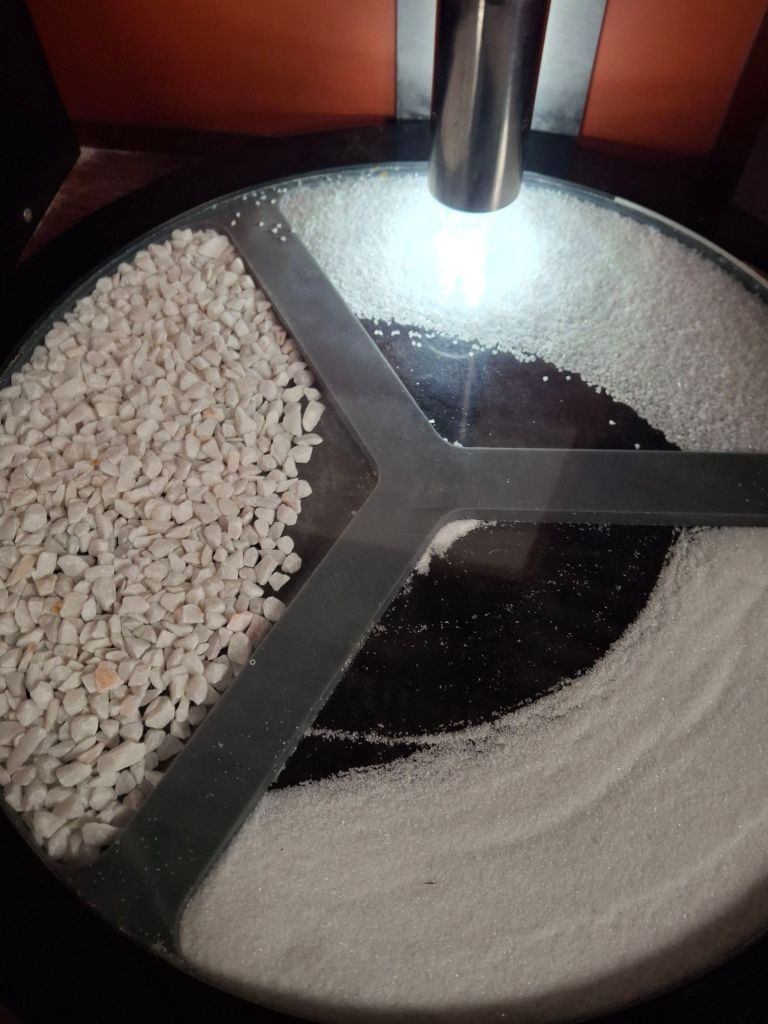
So when you next sprinkle it on your food, think of Cheshire, better still, get on the canals and explore for yourself the salt routes barges would have taken, and when you can, treat yourself to a trip to the outdoor brine pool open through the summer until September at Nantwich Leisure Centre.

