Seeing our life through the eyes of a child

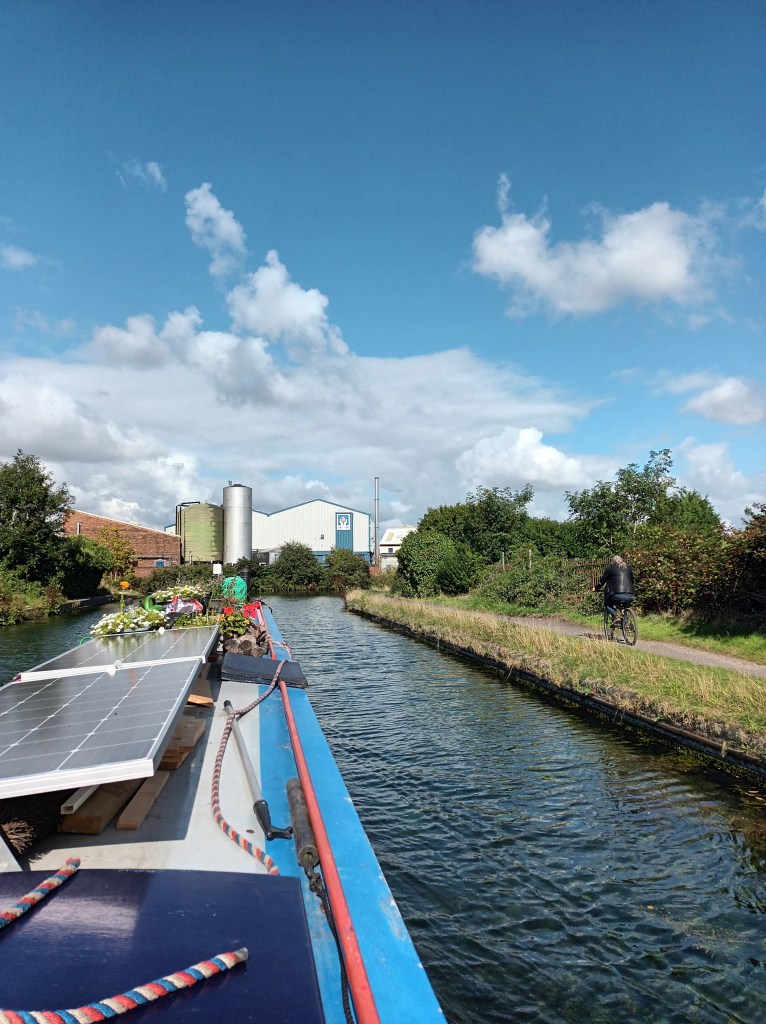
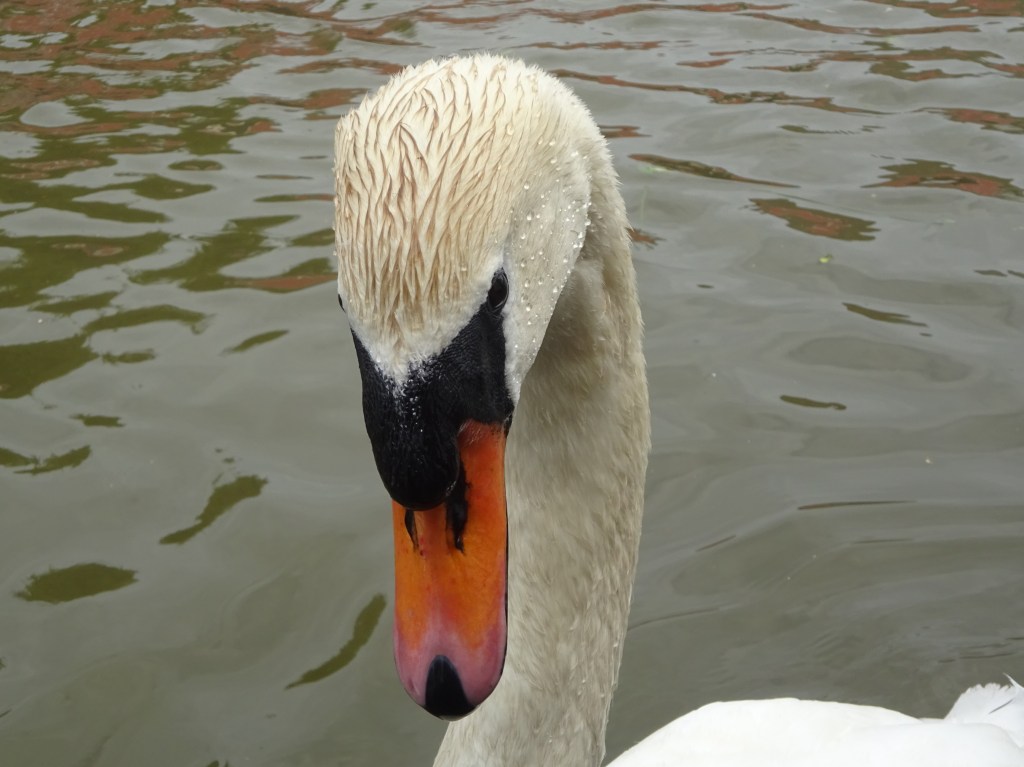
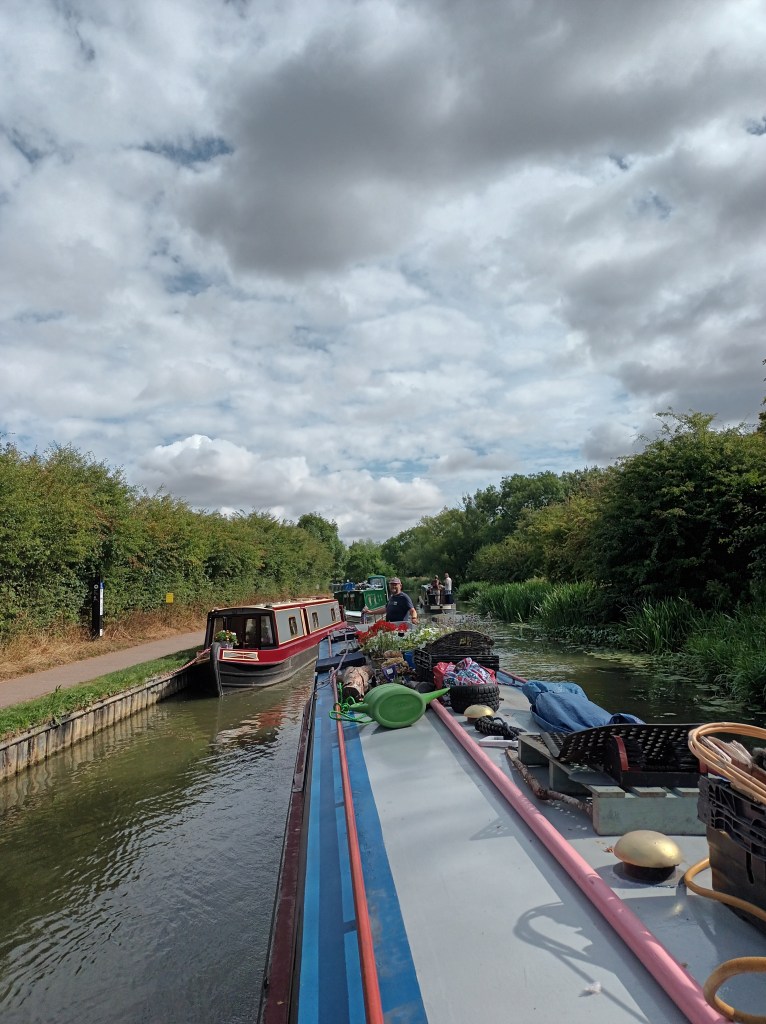
When you live and work in a different way to the norm – when your commute is a stroll along a 50ft boat, when your office desk is your dining table set under the gunwales, when glancing up from your computer you see calming ripples on water, swans bringing their new family along for a snack and at this time of year, ducklings jumping in ungainly leaps from the water to catch a tasty insect for a snack – that’s when you know you are lucky.

As with everything though it is easy to become complacent, to take things for granted, and sometimes it needs a fresh pair of eyes (or pairs of eyes) to remind you how wonderful it is to live and work this way.

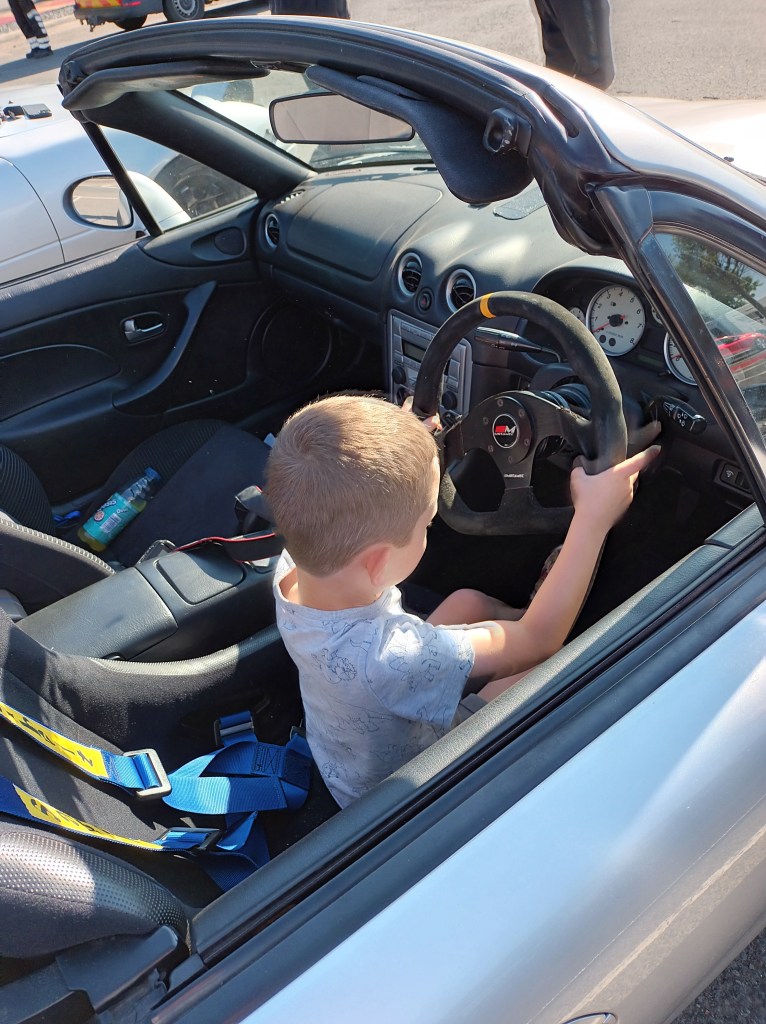
For the second time in two years we’ve hosted a preschool on board – we don’t move the boat with them but invite them on to see what it’s like to live and work on a narrowboat. Young children have a remarkable capacity for spotting things many of us miss.

We trooped them down a gangplank at the stern and after exploring the length of the boat, we trooped them off another gangplank at the bow. We counted them in and out making sure none had stowed away.

They were accepting of our difference but aware of similarities with how we live. They commented that we have a washing machine in a wardrobe at the end of our bed whilst theirs sits in a kitchen, utility or lean-to. They didn’t think it strange, just observed it was different.


One four-year old sagely said of our boat: “It’s got everything and you don’t have bits you don’t use.” How true!

What really made them envious was sitting in the bow attuning their eyes to watch fish darting in and out off the weeds below; seeing the brilliantly bright metallic blues and greens of the banded demoiselles (aka dragonflies in their minds) flitting across the water to land on lily pads; and the luxury of having all this available all day long.

These waving weeds are packed with darting fish

It was a lesson for them that our waterways are precious, that we all need to care for them. Whether we boat or canoe, kayak or fish, walk or cycle alongside them, our waterways are havens running like ribbons across our countryside, nurturing us as much as they nurture wildlife.

The children learned that not everyone lives in a house made from bricks and mortar, that we should recognise the strengths of living in alternative ways that don’t harm others, and in many cases actively support the environments in which we live. It isn’t about judging people but accepting each other. We talked about fishing out plastics and rubbish from canals and rivers as we cruise, of looking after the beauty around us, and I hope as they grow up these delightful, aware youngsters, will continue to value their surroundings.

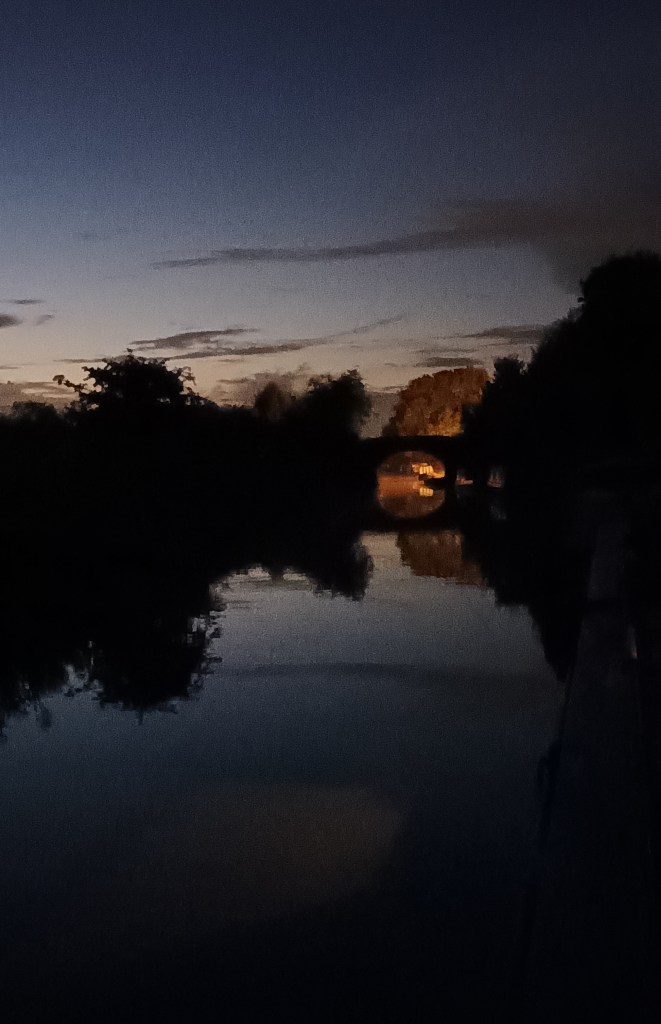
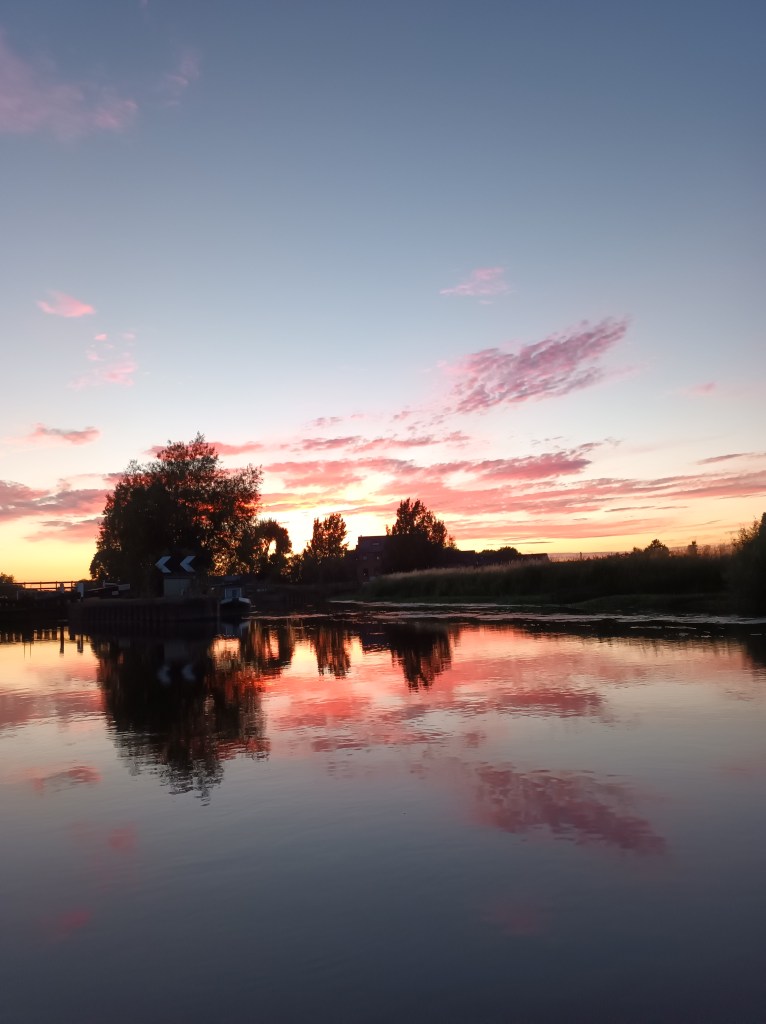
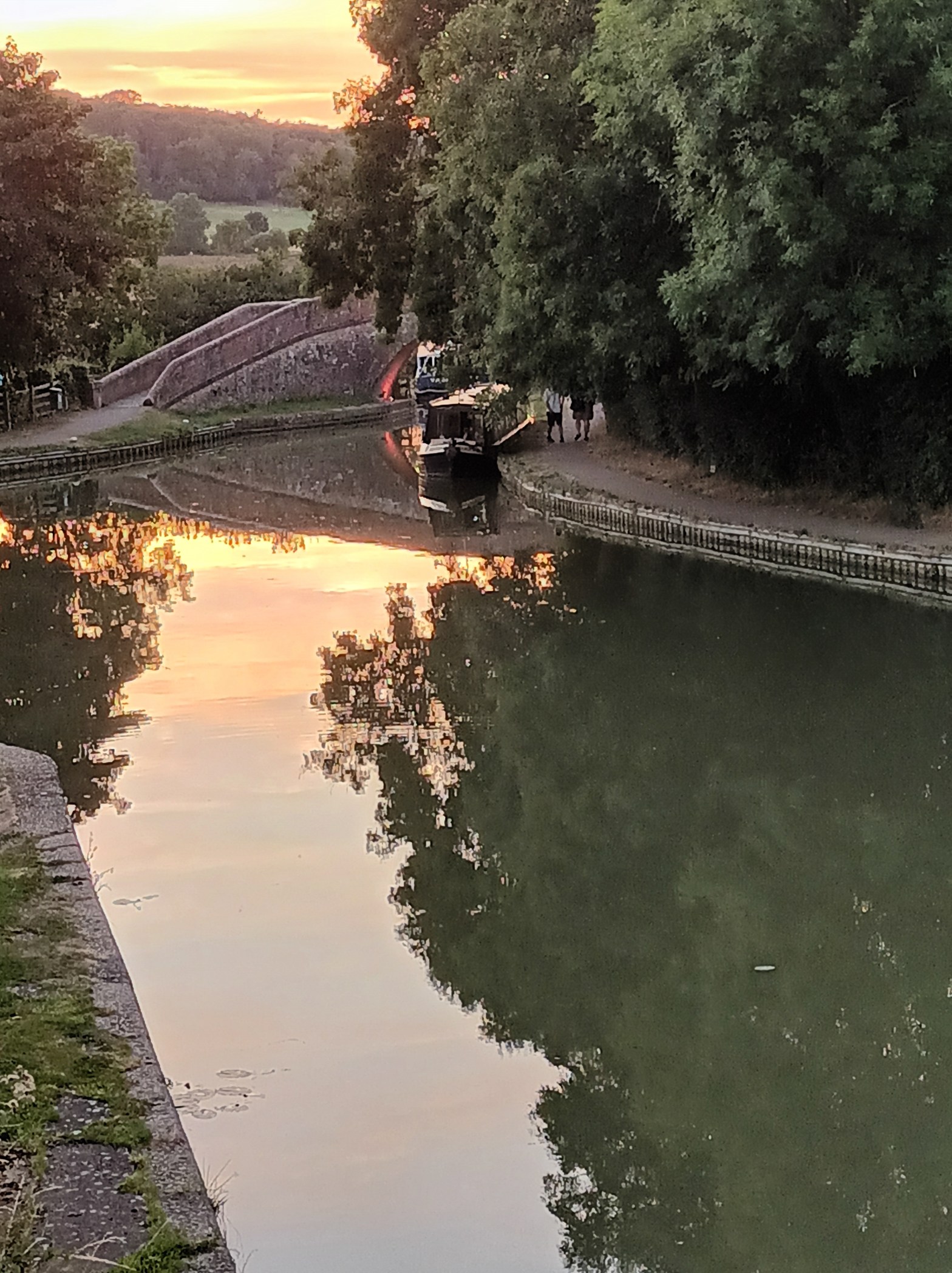
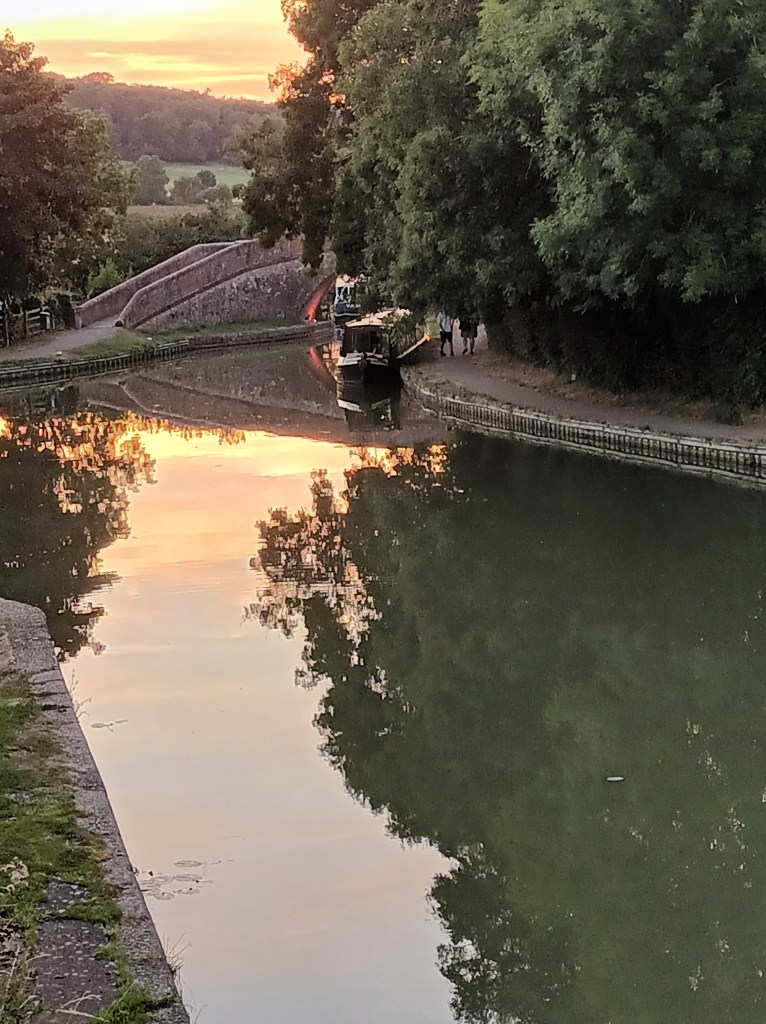
Fireball sunsets
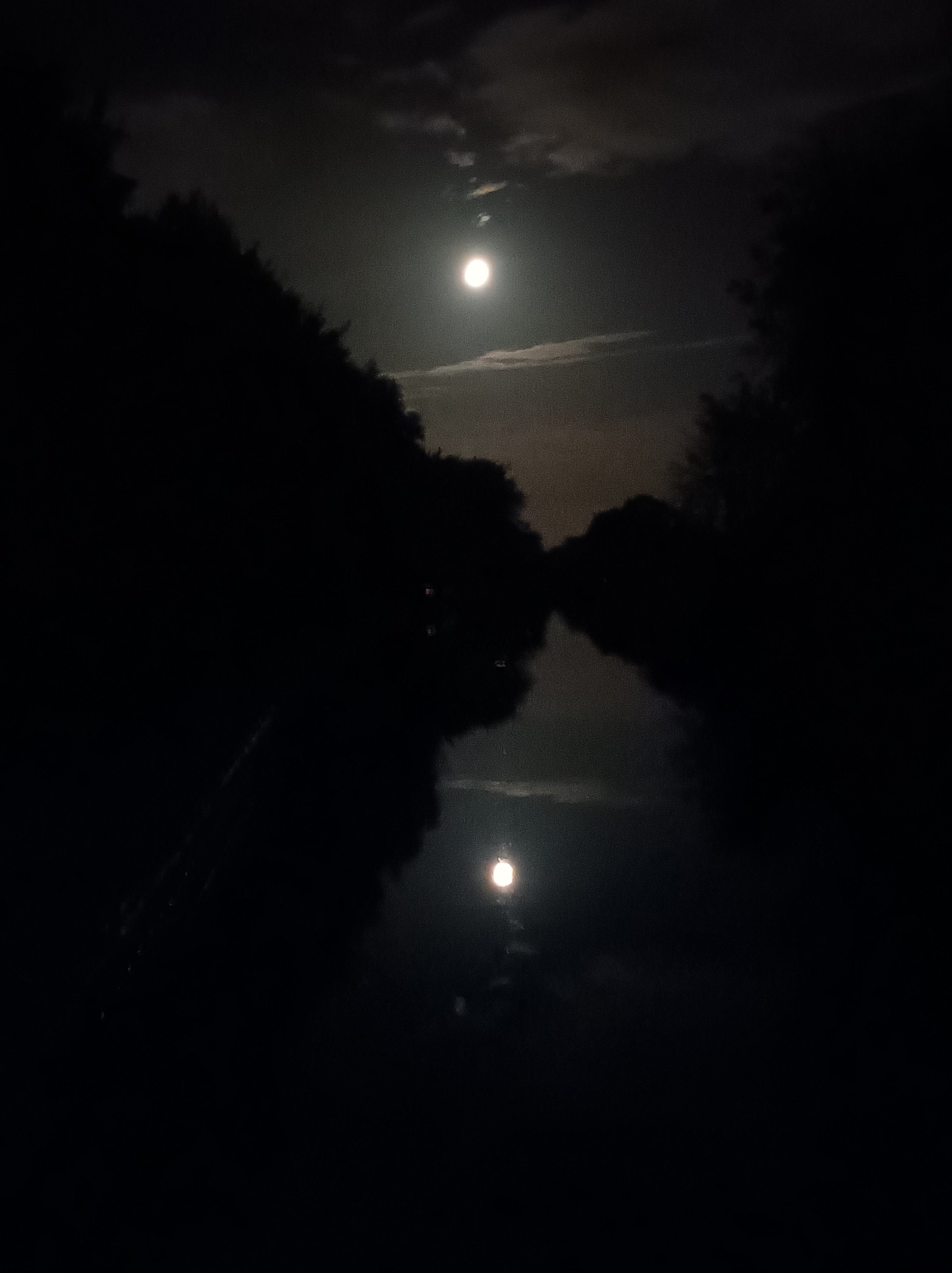
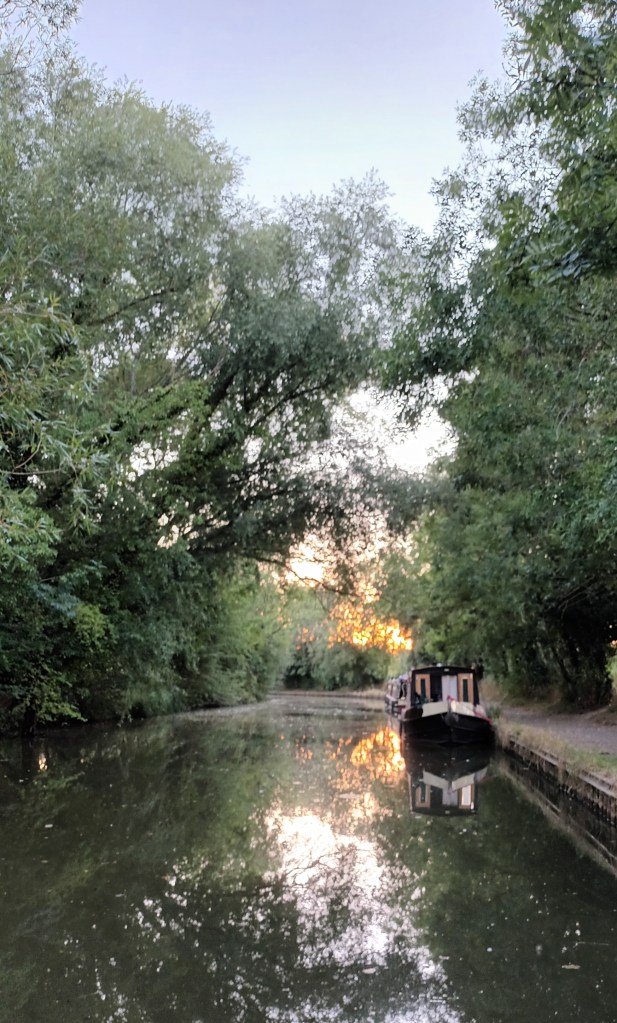
Misty mornings

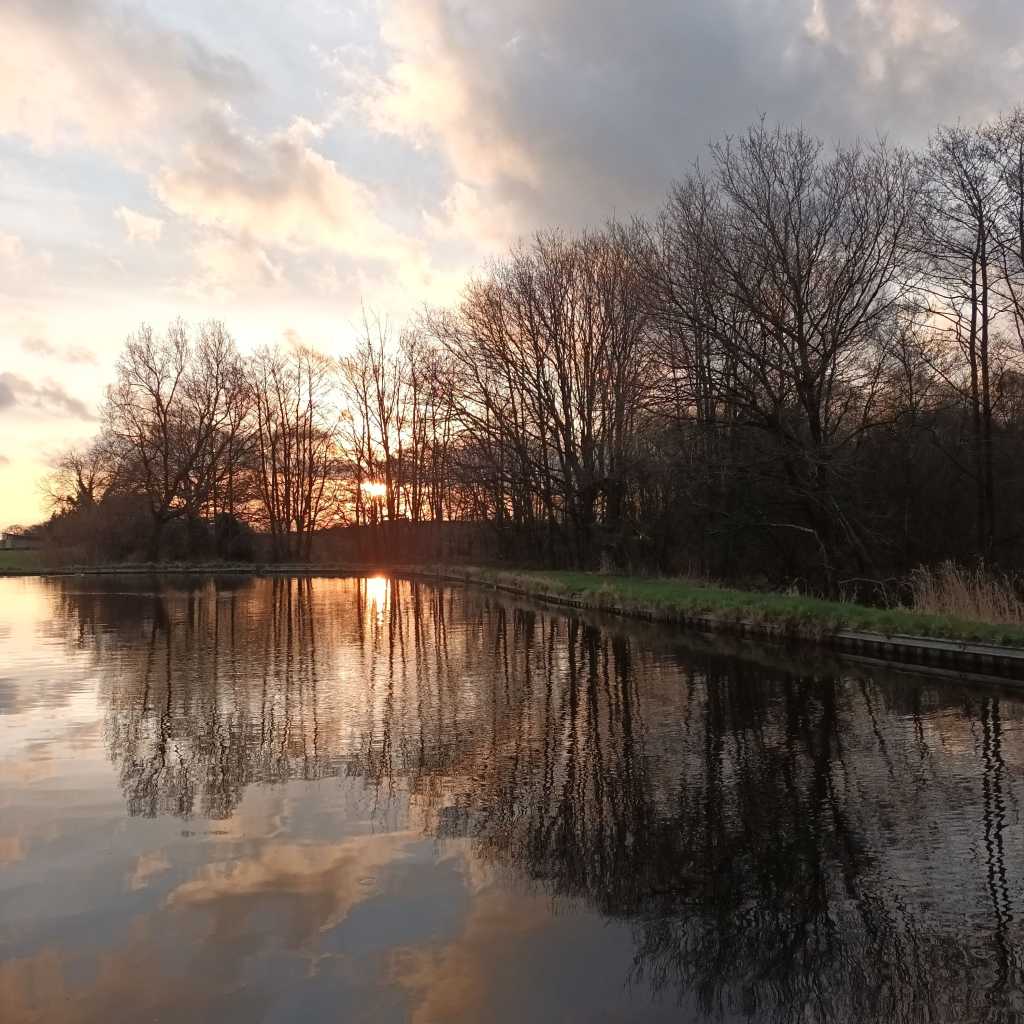
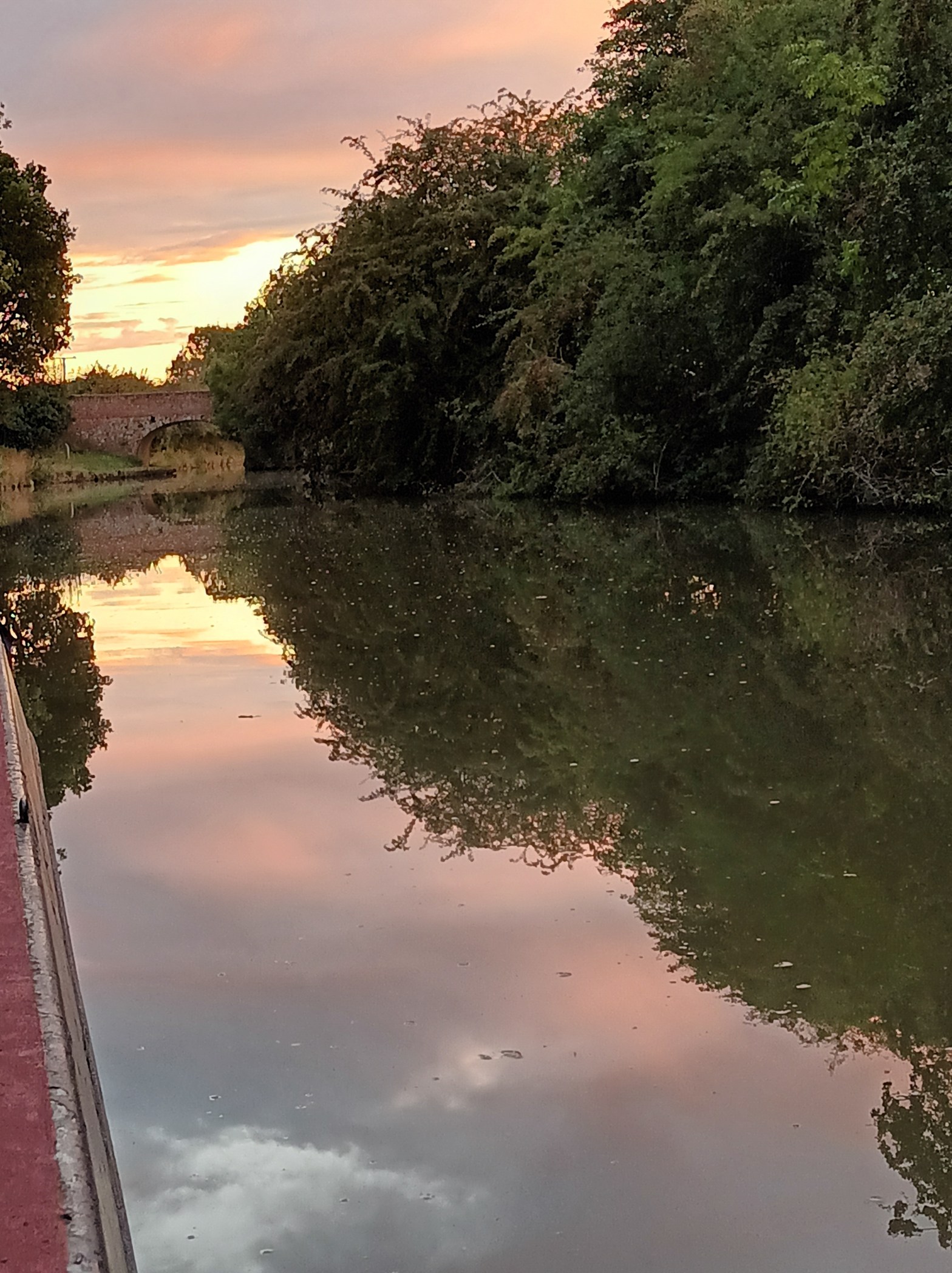
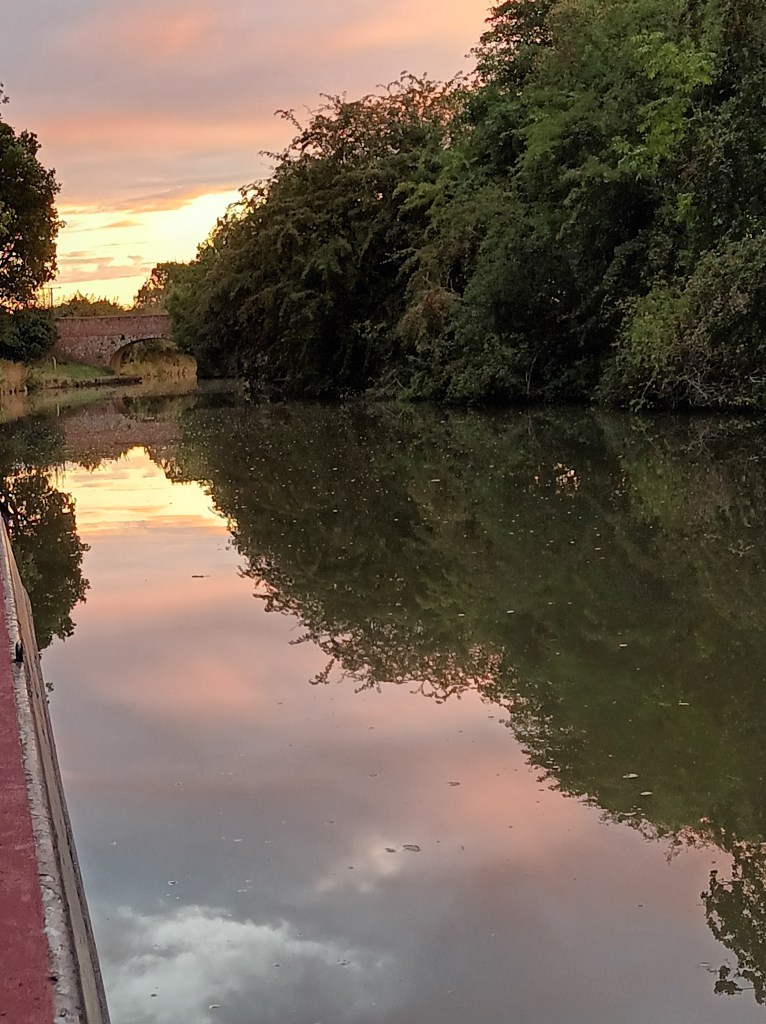
They missed the misty morning sunrises, the stunning evening sunsets and candyfloss clouds handing in the water around us but their lessons are ones for us all – don’t take anything for granted, guard what it precious and appreciate the daily delights that surround us, however we choose to live and work.

Candyfloss clouds in the water

Living and working your dream? Why not?

I’ve lost count of the number of times this past week when I’ve heard “Oh you’re so lucky to live and work on a boat.” Invariably it’s followed by a wistful “I’d love to do that.”

One view from the office this week…yes it’s fabulous

Why is it that we don’t follow our dreams, why don’t we cast off and make our lives work for us? Whether you want to live afloat, work a 4-day, 3-day, 2-day or no work week, live up a mountain, or by a beach… the worst that can happen is that you find you don’t like it and move back but that would be just another valuable adventure as well as a lesson.

What could be worse than having to deliver those devastatingly sad words “If only.”

People are seizing their dreams – we have evidence all around us that we aren’t the only ones. We heard the uplifting inspiring words “We’re going for our dreams” from friends just this week. Like us they recognised that life is to be lived – not living to work but working to live. They accept there will be some compromises along the way but they balance those against the chance to achieve the bulk of their dreams – evening walks on beaches, lower bills and pressure among them.

Relaxing afternoon swims among the lilypads

Self-authorship is the key to feel in control, to achieve a sense of freedom – selecting when we work, and how often we need to work. For some that can mean stepping off the career ladder we have been climbing for many years to move to jobs rather than careers.

A happy worker working hard in the office this week

Sometimes that is a completely different type of work, for others it means becoming freelance or a consultant. From experience, this jobbing worker approach can carry a satisfying honesty – it is work where we know what is expected of us, and work we will do as well as we can in the knowledge that it brings us the wages we need to live our dreams, along with the satisfaction of doing each job as well as we can. For those of us working in multiple different companies we often have the advantage of being able to get on efficiently and effectively with the task required unencumbered by corporate or office politics. It is those latter elements that people talk of when they begin to complain about their jobs and why they want to move – something managers and bosses would do well to genuinely address.

It should be your choice which route you take

This week I had the delightful task of presenting at an aspirational careers day for Years 5 and 6 (ages 10-11) in a Leicester primary school. These switched-on youngsters are our future. What was interesting was how many presenters from diverse walks of life and career fields said the same thing to them:

  • Do something that makes you happy (as hopefully your working life will be a long one)
  • Gain as many skills as you can to give you choices
  • Remember that health and happiness can never be replaced by money – so look after yourself

What advice would you add?

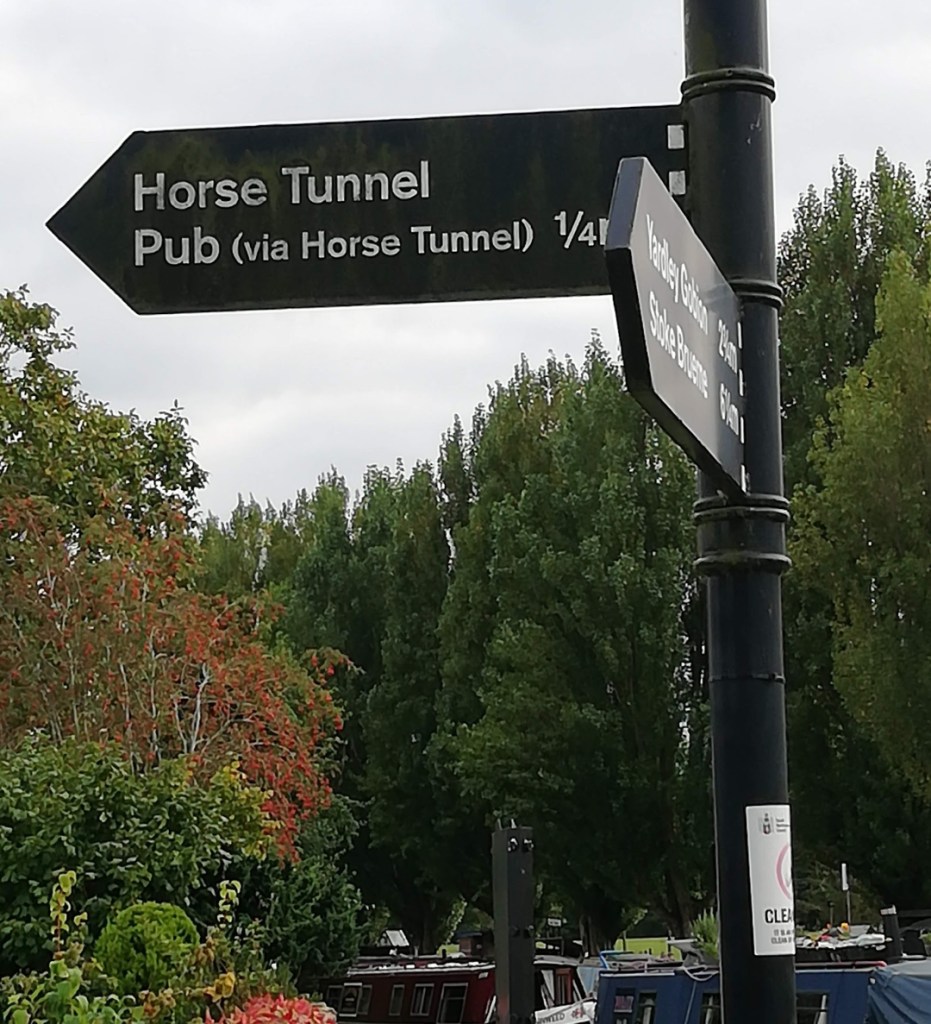
Floating along – with clear directions

From our heatwave working this week, chilled and unstressed on the water, we wish you the time and peace to reflect on your dreams. Achieving them doesn’t take luck but it does take some planning, determination and courage.

It’s in your hands to live (and work) the life you want.

FUEL FOR FREE

Prices are rocketing, costs are escalating, and the impact is being felt among us all. Anything we can get for free is becoming not only a bonus but a necessity.

This week anyone working with me has had a taste of my brand of free fuelling for a taste of feel-better times. We all need a boost after all, and the Jubilee celebrations provided that temporarily for some.

We can all look at contributing a little more for a little less, giving somerhing for nothing to help others at the sharp end of the dramatic rises in costs.

It isn’t that we are not affected by rising prices – we are and very directly. We may live and work afloat in an apparent idyll (and we do) but our costs are rising too.

Idyllic – peace and beauty

We need fuel (red diesel) to move the boat, at a minimum every 14 days. We are likely to move as infrequently as possible and less far than we have been doing. Diesel is more expensive, food costs are also escalating because of global unrest and spiralling production costs, more salads are required as the price of gas which we use for cooking rises.

Boat dwelling has many benefits but the Chancellor’s energy handout isn’t one of them. Our income too has been dramatically affected by tenants unable to pay their rent, and clients cutting costs by reducing outsourced work. But amidst these, there are small ways we can help those around us.

Now is NOT a time for greed or grabbing but for generosity and giving whatever we can.

This week it has literally been sharing the outcomes of successful and rather pleasant times foraging among the hedgerows in some cases, and in other cases a metaphorical helping hand – providing an extra hour or two of work for free, or reducing rates where I can for virtual clients to help in these tough times.

The hedgerows are hugely productive at the moment alongside the River Soar where we are enjoying the beauty of dramatic sunsets and peaceful surroundings. Elderflowers are in abundance, the frothy bouquets of sweet scented flowers adorning these common trees in hedgerows and alongside roads too. Being on the river means we can select bunches from wilder growth, less affected by pollution or pesticides. It has meant a very local sourcing process – walking to collect. The other ingredients were already in the store cupboard.

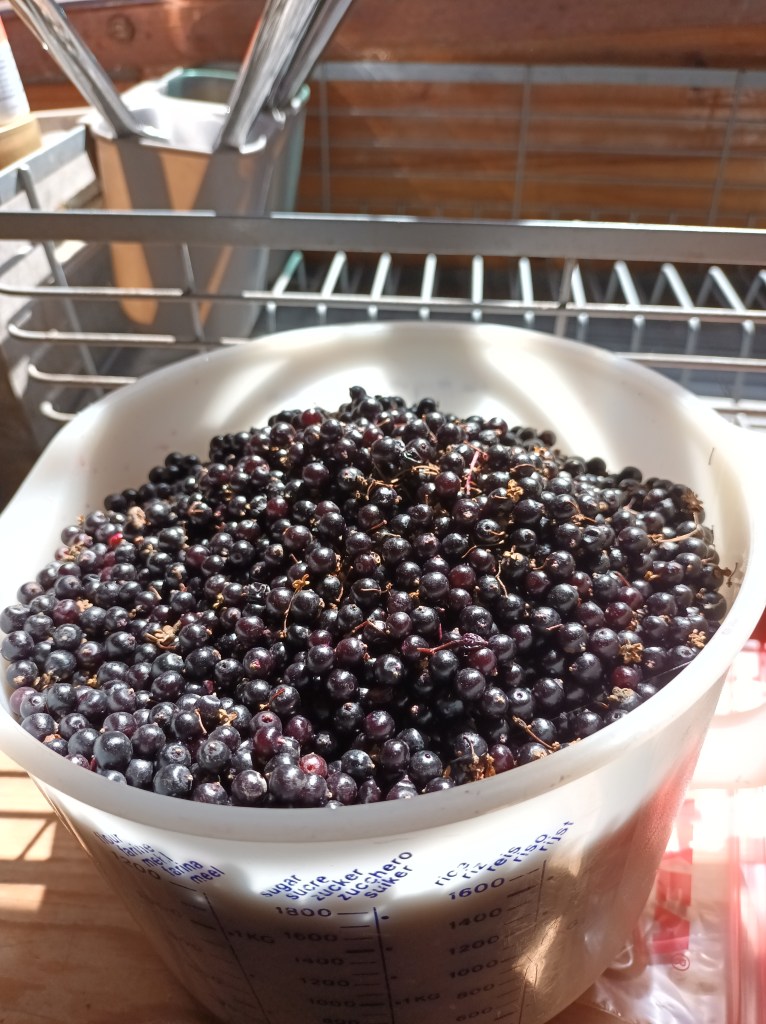
So this week has been elderflower cordial production week – a couple of happy relaxing hours which has resulted in enough. Bottles of tasty vitamin C-rich cordial for us and for family, friends and face-to-face clients too. It has taken very little time but made people happy and cut costs a bit – adding it to water (hot or cold), gin and tonic or any form of cheap fizz if able to splash out makes life a little sweeter and more palatable. (See the recipe at the end if you want to try some but leave enough on the trees for birds, bees and to create wonderful berries good for spiced elderberry cordial later in the year).

Next up will be rose petal collection for jelly and exfoliating body Scrub – both as good as the commercially produced products but produced at a fraction of the cost.

So as budgets tighten and the squeeze bites – what can you, what will you offer family, friends, colleagues or clients to sweeten these tough times?

To the lovely client who gave me homemade Elderflower Cordial this week – thank you so much – great minds think alike and it is delicious!

Really strong Elderflower cordial:

  • 20 elderflower heads shaken, washed and drained
  • 1 lemon – rind grated and fruit sliced
  • 25g citric acid or 5 tbs lemon juice
  • 1kg sugar
  • 750mls water minus 5tbs if using lemon juice

Dissolve sugar in water, add all ingredients. Stir. Stand for 24 hrs stirring occasionally. Sieve through muslin (or Sainsbury’s veg bag). Bottle in sterilised bottles or jars. Give generously.

Long service rewards for all

We may be narrowboat nomads but that doesn’t mean we’ve missed the opportunity to join in Jubilee celebrations. It’s just means we’ve joined them in several places!

Whatever your thoughts on monarchies, 70 years in the same job these days is nothing short of remarkable. It is something to be celebrated, something we know neither of us will achieve, and there is also a feeling that after the past few years of uncertainty and upheaval, we all need a party!

In the past week we’ve travelled 54 miles and 41 locks from the Oxfordshire village of Cropredy with its honey coloured stone houses and musical fame, to the rural Leicestershire village of Fleckney whose duck pond once provided clay for brick making.

From the Oxford Canal onto the Grand Union (Grand Junction Canal) and through Norton Junction onto the Leicester Line in sun and rain, we’ve seen growing evidence of celebration preparations for the Platinum Jubilee. Flags and buntings adorn houses and gardens, shops and pubs. Talk at locks is of joining family, parties and public events.

At Crick Marina preparations were well underway for the Boat Show when we passed and those we met on their way there were looking forward to coming away with new gadgets, and in one case with a new boat.

Crick mooring marshal aboard Book and Spud

We’re happy with our boat and our lot, so we came through Crick early, although the mooring marshal was still in evidence working hard. We were down the Foxton Flight before the show even started. Our Jubilee weekend began at Foxton with a stunning sunset.

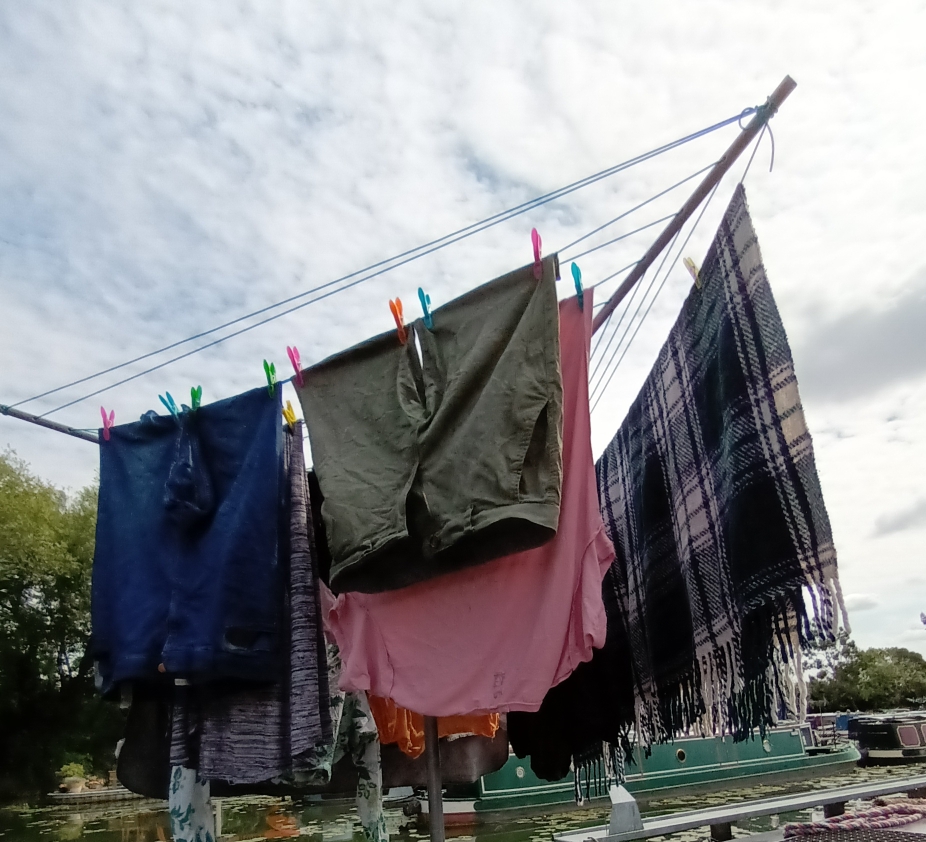
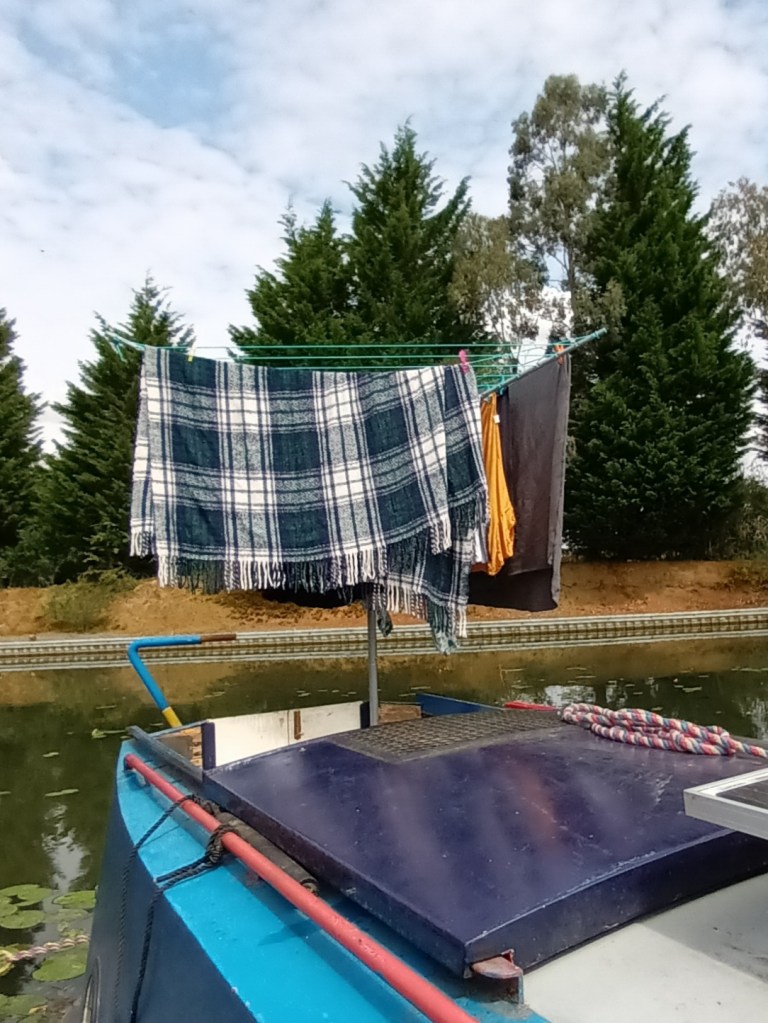
Our upcycled bunting made from a pair of old shorts and two tee shirts that had seen better days now festoons the cratch. We came down the Flight of 10 locks early on Thursday morning in beautiful sunshine without a gongoozler in sight but with 3 voluntary lock keepers for company, crossing in the centre pound with 2 hire boats heading to work at Crick.

We shared the excitement of beacon lighting at Fleckney, in true local village style. Local band, dancers, children getting involved, before we made a leisurely move towards Leicester.

After several years it is good to see the vibrant multicultural Riverside Festival at Leicester back again. NB Preaux will join the Royal Navy, the Merchant Navy and all recreational vessels today in the Saturday Ships Salute, by sounding a long blast on our horn at midday 12.00 BST.

However you are spending this once-in-a-lifetime Bank Holiday we wish you sunshine, fun and relaxation. It is another chance to remember and celebrate the things that really matter in life – family, friends, communities, good health and stability as well as recognising 70 years of service.

Where creativity and individualism flourish

Individualism has a stronghold on the inland waterways today but I’d argue it always has had. Even in the days when homogonised corporate commercial barges plied their trade, the roses and castles adorning cabins and water cans made individual statements about the people on board and their desire to make their home/workplaces more attractive.

Today’s narrowboats echo those original decorations, but there is more, so much more to see on the waterways these days that speaks to the creativity and individualism of those living afloat. Untrammelled by commercial requirements on names and colours, imagination can now run riot.

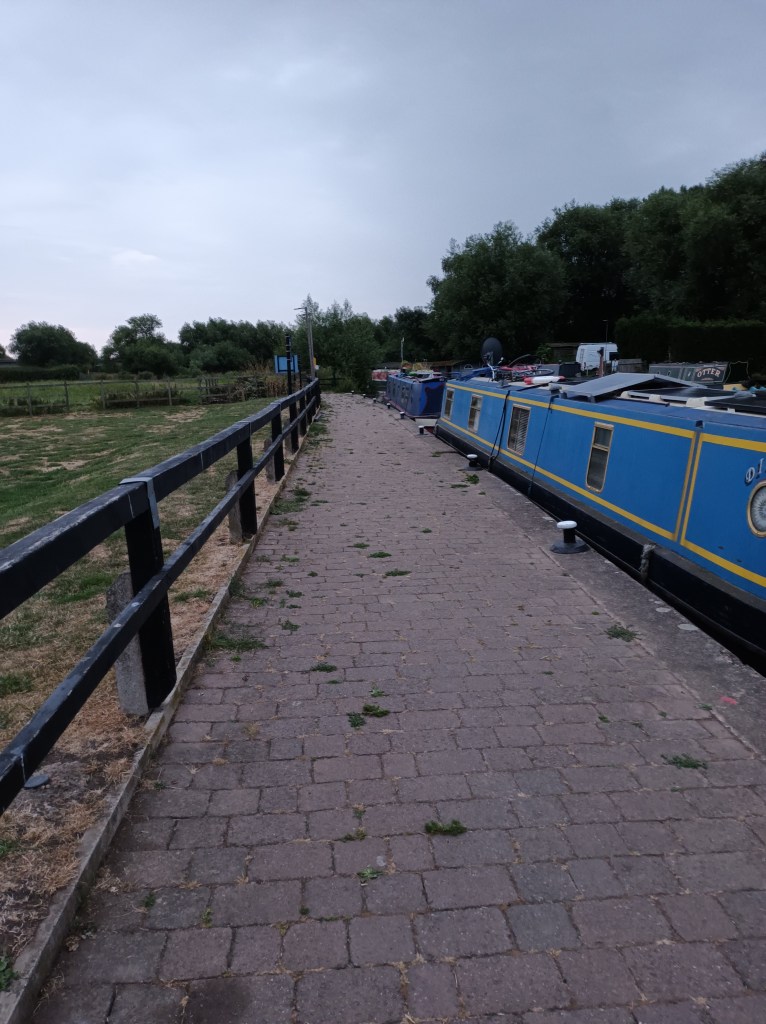
You don’t have to go aboard to enjoy the this individualism. Walk along any towpath or marina and where there are moored boats you have an opportunity to delight in the creative touches boaters bring to their floating homes. 

Perhaps this lack of competition combined with a capacity to demonstrate individual creativity has a significant part to play in the lack of stress and sense of wellbeing to which many boaters attest.

There are still those out with polishing cloths and determined to display ownership of the latest gadget but we haven’t found many liveaboard continuous cruisers in their midst.

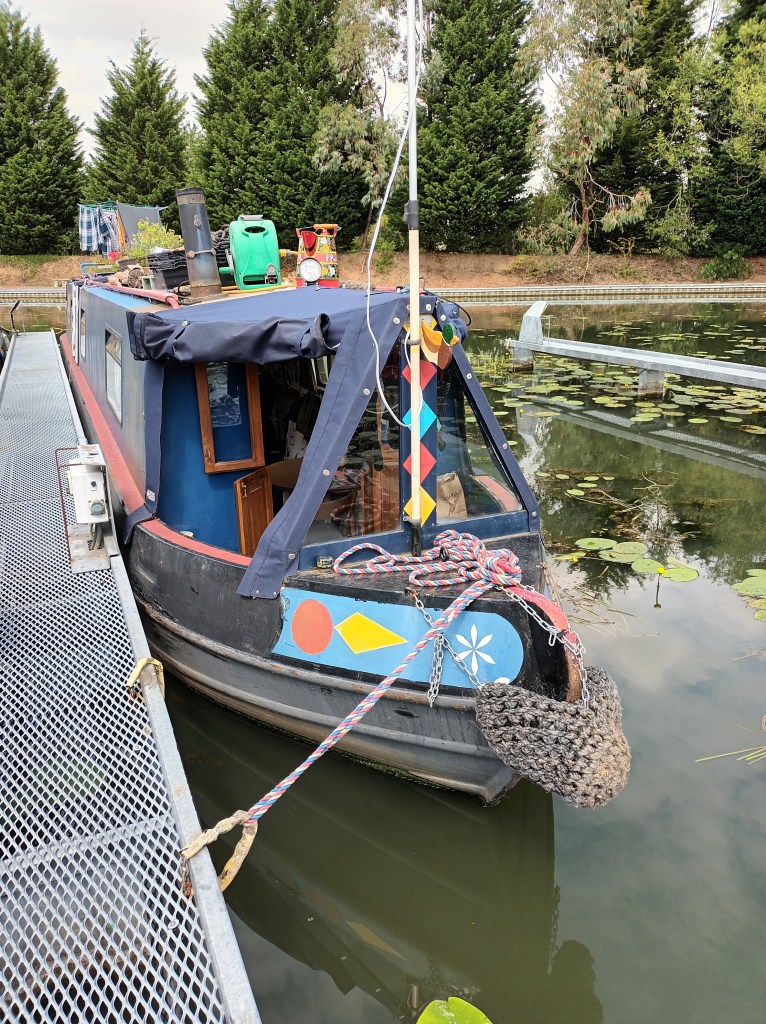
It’s definitely not an environment to worry about ‘keeping up with the Joneses’. After all – how could you possibly compete with something as unique as this?

The power of individual change agents

Seeing the changes being wrought on the landscape this week by HS2 prompted this week’s blog.

We’ve been travelling the Grand Union to Napton Junction where we turned onto the Oxford Canal. Both evidence the changes of HS2. Travelling on from Leamington Spa we saw the impact on the landscape of the southern section of the high speed line in Warwickshire.

The line will go through a mile long tunnel being dug beneath ancient woodland and then travels south on a huge 60m concrete viaduct over the Oxford Canal and towpath near the village of Wormleighton. The Long Itchington tunnel is being dug by a mechanical mole named Dorothy after the first British woman to win the Nobel prize for chemistry in 1964. Dorothy Hodgkin was a student of Somerville College Oxford, just a stone’s throw from our current mooring, and later returned to the City as a research professor.

The Oxford is a contour canal, following the curves of the land. That means changes are visible for a long way. The Napton Windmill is one of these landmarks you see for miles. It’s been a visible sign of change on the landscape for centuries, originally powered by wind, then steam and then rendered sail-less before being restored as a listed part of a house. It’s a beacon of historic changes on this 75-mile canal that was once a coal route from Coventry to Oxford, and connected to Reading and London via the River Thames.

The Oxford Canal has seen dramatic changes since it first opened in 1790. Its first competitor turned out to be the Grand Junction Canal (Grand Union as we now know it after a name change). It offered a quicker, shorter route to London. Then came the railways offering even quicker and shorter journey times for freight. The canal struggled on but was facing closure and dereliction by the 1950s.

Today it is bustling and busy with commercial hire boats and private boats, a testament to the vision of the Inland Waterways Association which fought and won one of its first campaigns to get the Oxford designated a Cruiseway in the 1968 Transport Act.

The IWA came about to restore, retain and develop the Inland Waterways of The British Isles not just for leisure but commercial use too. The change it has created stems from the impact of a book – the power of the pen to create change.

Tom Rolt’s book Narrow Boat, vividly chronicles his 1939 journey around the canals in his boat Cressy. It still inspires people to seek a life on the inland waterways (although most of us don’t manage to incorporate a State Room and full sized bath on board!). It also sparked a partnership between Rolt and Robert Aickman who suggested they form a society to campaign for the regeneration of canals.

Tooleys Boatyard in Banbury where Cressy was fitted out

On Saturday 11 August 1945, the men and their wives, Angela and Ray, met for the first time aboard Cressy at Tardebigge on the Worcester & Birmingham Canal. The inaugural meeting of The Inland Waterways Association took place six months later.

The leaders have changed, members have changed, the work has changed but the IWA’s focus remains the same – to restore, retain and develop our inland waterways. Change means just that – things don’t stay the same.

The IWA has been active along with Canal and Rivers Trust in seeking to positively protect the canals at times of change wrought by apathy or activity like the construction of HS2.

On our travels elsewhere in the country we’ve seen individuals banding together to try and bring about change because of the environmental impacts of HS2.

We are grateful daily for the changes brought about by Rolt, Aickman, their wives and those they inspired to continue the campaign for the waterways. Those changes mean we have been ablento change to living and working afloat.

Water water everywhere…can you help?

Water is a major global problem for us all, and it’s getting more acute.

The United Nations General Assembly back in 2010 recognised access to safe, clean, and affordable drinking water and sanitation as a basic human right.

Living and working afloat makes us hugely aware of water – we need it to stay alive and afloat as well as to travel. You, like us, need water for your survival too, even if you don’t have to fill up your water reserve regularly as we do (we’ve filled up our tank 36 times in the past year).

Filling up with water – oops, the hose from the mains tap is trailing in the canal which isn’t a good idea

Conserving water as we travel is an essential. Where we can we share wide locks with other boats. We are conscious of not emptying or filling locks unnecessarily, so waiting for other boats to come up or down before we move wherever possible.

Sharing locks on the Hatton Flight this week

On the River Severn last month we were made very aware of the evident pollution in and around the water. Sewage was an issue in the water there too. Plastic and rubbish pollution is as apparent on the canals as the rivers. We try to fish out what we can, and not to add to the problem.

Fishing out from what gets tangled round the prop…as well as fishing with a net

We’re conscious of how we use the water we store on the boat so we don’t have to fill up too often or waste the water we have in our tank. Washing up water, and shower water all provide useful roofgarden watering sources. Perhaps it seems a drop in the ocean when we look at the scale of the issues surrounding water availability but every little helps. We are also aware of the distances to travel between sanitation waste disposal sites so we don’t get caught short.

Sometimes reaching the designated site isn’t always straightforward!

Water is a major global problem, with over 2 billion people according to the World Health Organisation (WHO) living in water-stressed situations, a problem getting worse its climate change and population growth. Clean, safe water is not available either to over 2 billion people meaning health is being compromised, and many are dying as a result.

Sometimes too much water with floods and tsunamis creates as much difficulty as drought or pollution.

In the UK we might think there is no problem, but a research project is underway to determine exactly what the situation is in terms of water and sanitation access among boaters, van dwellers and others with alternative off-grid lifestyles.

Ruth Sylvester from the University of Leeds is looking at water insecurity and equity among off-grid dwellers. She’s part of the Water-WISER Centre at the University of Leeds. Ruth and Helen Underhill , a liveaboard boater and researcher with the Water Security and Sustainable Development Hub at Newcastle University are keen to talk to anyone living off-grid.

In boater terms that means they want to hear the situation and experiences of boat dwellers on moorings with services, moorings without services, continuous cruisers, boaters with accessibility issues, full time, part time liveaboards and those who live on narrowboats, cruisers, widebeams, Dutch barges – you get the picture!

Leeds’ Water-WISER Centre = Waste Infrastructure and Serviced Engineered for Resilience – a higher education acronym if ever I heard one! Their work is seeking to have global impact combining as it is with research from Loughborough University’s Water and Development Centre, Cranfield University’s Water Science Institute and the Water, Public Health and Environmental Engineering group also based at Leeds.

If you can contribute to the factual content and perspectives of their research in any way do email them – helen.underhill@ncl.ac.uk or Ruth Sylvester cnres@leeds.ac.uk

Reflections on what matters

In the past 10 days we’ve both been away from the boat which has given valuable time for reflection. Reflection about what really matters.

Living and working afloat as we do provides two key essentials that are reaffirming and invaluable – choice and freedom.

To be free to go and help instantly where and when without needing to book time off, juggle leave or appointments is liberating. It is good to be both wanted and needed, and even better to know that we can dig in to support with our time at the drop of a hat.

Downshifting has meant the work we do has to work for us, as a means to an end and not a be-all-and-end-all. Working flexibly may not make us millionaires but allows us to support ourselves and our family with time and actually being there when it really counts. Our work goes with us wherever we are, but we need to do less of it, so it doesn’t constrain in the way it once did. That’s good for the output too.

We choose where we go (within the obvious constraint of having water to float on!). We moor where we choose: choosing whether to take short mooring or longer moorings, to moor in cities or towns, villages or the middle of nowhere. Sometimes a need for internet and/or phone signal moves us on, but I think that’s only happened twice.

Freedom allows us to take the time to appreciate living so close to nature – to see the changing of the seasons, the cycle of life including battles against predators and elements to thrive and grow, and we make the time to marvel in the beauty of life around us. It is a privilege – something we failed to build into our daily lives when they were absorbed by work, commuting, packed diaries and constrained by houses and cars (nice as those were).

We have freedom through choice from monotony, from overwhelming routine – we can choose to make every day different, to move on, to stay put, to explore on foot or on the boat, to give work the time it needs and then devote the rest of the time to what we choose to do, which often includes the constant of boat maintenance. Living like this makes us more aware of our consumption, and even regular tasks like filling up with water, emptying waste and fetching the shopping become interesting because they’re nearly always in new places, certainly since lockdown constraints ended.

Part of my trip away included regular hospital visiting, underlining once more as the pandemic did how vital health is to us all, and how like so many things life, we take it for granted until we don’t have it. That can also be said of freedom and choice – we need to really value them where we have them in our lives and not let them be eroded or obliterated by work or material pressures.

This floating lifestyle can at times seem selfish in its multiple positive benefits to us. Knowing we can go and help when needed, to take time to share the good times as well as the difficult brings another really important positive.

So this life we have afloat… It’s a simpler life. It’s a slower life. It’s a better balanced life. It’s not a wealthy life, but in many ways it is a richer life.

That’s been proven to me this past 10 days when we’ve both been able to be with family, to support and help when and where needed (one of us headed south and the other headed north!). It’s been so good for us to be able to do that, to share daily routines like chatty walks to pre school, garage clearing, and enjoying relaxing over home cooked meals together – let’s hope it was good for them too!

Hope the coming week is good for you and yours. Build in some choices for yourself, create some appreciation time and ringfence some time just to reflect on what is good in your life.

Teamwork triumphs

Solutions to what may seem insurmountable odds come in multiple guises and so often the answers lie in the shared endeavour of teamwork. It’s true in physical and academic endeavours; in engineering and business.

Teams are valued in the real world but often not appreciated in Higher Education – at least by student team members who believe it’s individual endeavour which matters and counts. This results because so often we consider that our outcomes are, and should be judged on our individual contributions.

The canals of Britain once again showed us the value and scope of teamwork and shared endeavour this week.

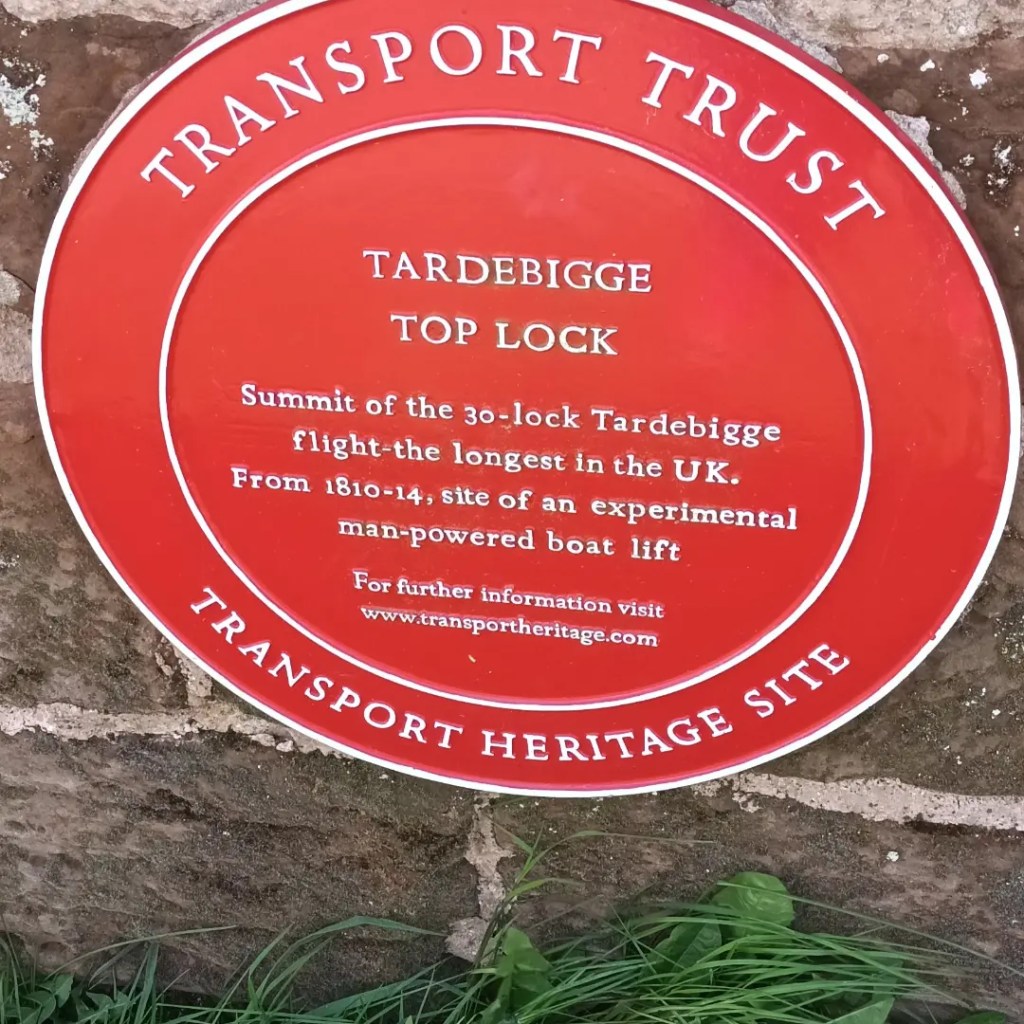
The longest flight of locks in the UK raises (and lowers) boats 220ft at Tardebigge in Worcestershire. Over 2.25miles 30 locks are the solution to getting boats over the Lickey Ridge.

This lock flight is a feature of the Worcs and Birmingham Canal. It was designed and built by teams –  of hard working navvies and a trio of engineers. They started in Birmingham in 1792 and made it to Tardebigge without needing a single lock. At that point it plus its tunnels, were wide enough for 2 laden barges Once locks were needed to tackle the terrain wide locks were out of the budget. So the 56 locks down to Worcester are single with narrow 7ft chambers. The final 2 between Diglis Basin and the River Severn are wide, enabling river-going vessels to enter Worcester to unload or offload onto narrowboats for the journey up the locks.

The 29 mile canal was a key  factor in the  the commercial success of many firms including Cadbury Chocolate, linking as it did their factories in Bournville and Worcester.

For today’s boaters laden with our worldly goods or holiday essentials, making it up or down the flight is as Pearson puts it ‘A Boater’s Rite of Passage’.

Some have tried to moor at the Reservoir near lock 57 but CRT advise there’s no overnight mooring on the flight so all 30 need to really be done in a day. The final lock is deep – 11ft.

It was originally created as a vertical boat lift designed and installed by John Woodhouse. His solution raised and lowered a boat at a time in a water filled chamber worked by counterweight and a windlass. It did work, moving 110 boats in a 12 hour period but it wasn’t considered robust enough for continuous commercial use so the Lock we still use today was installed. Technically it can move fewer boats in the same period but has been working since 1815 with only pauses for maintenance.

Technically the whole lock flight could take up to 7.5 hours to complete though for most it is under 5 hours. Time depends on the number of boats in the flight and the numbers of working crew aboard. Single handed boaters tend to take longer and the flight is most rapid for those with a team of board who can continuously prepare locks ahead as the boat moves through.

Teams from one boat also help others – true team spirit evident along the waterways.For us, a single additional crew member taking us to 3 plus dog enabled us to complete our ascent in a highly respectable 3hrs 8 mins.

Teamwork wherever it appears pays off, just as it has in designing, building, and now navigating this remarkable flight. It provides a lesson to remember:

Tackle more together
Enjoy empowering each other
Abandon individual egos
Make more happen

Have a good – team-fuelled week!

Sestercentennial journey and multiple lessons

Six months ago we started travelling the 46 miles of the Staffordshire and Worcester Canal. This week, 250 years after it was first opened, we finally completed its 43rd lock and passed under its final bridge. It has been a fascinating lesson in history, geography and England.

As slow travel goes this is probably a record for us, 46 miles in 6 months, but we have retraced our steps and veered off to explore to the Mersey and Llangollen in that time too.

The Staffs and Worcs is like all canals we find, unique. It traverses market towns, quaint villages and pockets of industry. In its commercial heyday it was a noisy, constantly moving conduit. It bustled with barges carrying pottery from Stoke, glass from Stourbridge, carpets from Kidderminster, bricks from Wildwood, agricultural produce aplenty, coal from the Littleton pit, and iron from the works at Gothersley. The Staffs and Worcs connecting as it does to the mighty River Severn which heads to the South West and the Port of Bristol enabled goods to be transported locally, nationally and internationally.

The only barges using the waterway now are historic craft or commercial fuel boat. Whilst quieter than 250 years ago, this last stretch has been busy for us with happy hirers passing on holiday boats, a vital commercial aspect of the waterway today.

The weather is different too. When we turned onto the Staffs and Worcs last winter passing under bridge 109 at Great Haywood near the sumptuous Shugborough Hall, we had iced ropes and chill fingers. We’ve ended in April sunshine.

Within minutes of leaving Great Haywood you can be forgiven for thinking you’ve inadvertently gone to sea as you experience Tixall Wide. This huge stretch of water resulted from a wealthy landowner stipulating the view of a lake not a canal if the   waterway wanted to cross his land.

Whilst Tixall Hall no longer exists to view the magnificent Wide, its Elizabethan gatehouse remains. From here we travelled south, through kingfisher country and the valleys of the rivers Sow and Penk. In early December we were moored by the moated luxury hotel of Acton Trussell a stone’s throw now from the M6 and M6 tolls carrying today’s commercial goods. Then into Penkridge with its many magpie buildings, to the summit at Gailey marked by a roundhouse that dates from 1895 when Nelson won the Battle of Trafalgar.

The canal winds down through heathland until suddenly industry intervenes with siren threatening chemical works and a recycling plant plus bio digester, under the M6 and M54, contrasting with The Narrows living up to their name before Autherley Junction.

This connection to the Shropshire Union Canal marks another changing point in this multifaceted waterway. It was to here that we came the first time, winded (turned in narrowboat speak) and returned to Great Haywood, from whence we took a loop into further reaches of Staffordshire, Cheshire, and North Wales. We eventually returned to Autherley Junction down the Shroppie after travelling its 66.5 miles and 47 locks.

Although on a map you can see how close the Staffs and Worcs runs to the Midland heartlands of Wolverhampton and Birmingham, it maintains a rural feel. Highlights on this southern section include the patriotically colour coded Bratch Triple Locks, the haunted Awbridge lock allegedly constructed by French prisoners captured post Trafalgar. I’d like to think they would have been pleased to see nb Preaux pass through their beautifully constructed and unique lock and bridge. They might have appreciated the reminder in their native tongue of peaceful meadows.

Through Swindon, Stewponey, into beautiful wooded surroundings at Kinver with its fascinating rock houses hewn from the soft orange sandstone and through Gibraltar to Kidderminster of carpet fame.

Sandstone outcrops and wooded glades often shaded blue at this time of year bring the canal abruptly it seems, to its end at Stourport. Here exuberant seaside gulls and stomach-churning fairground rides, contrasts with the formal surroundings of an inland trading port with its mellow clock in the Tontine tower, genteel yacht club and formal riverside gardens.

Within minutes of the final lock it’s through two staircase locks within Stourport Basin and suddenly you’re disgorged onto the wide reaches of the River Severn.