Leaving home

How do you leave your home for the holidays? Empty the fridge, check doors and windows are closed, pull the front door shut, turn the key in the lock, perhaps even set a burglar alarm, and head off. 

Similarly how do you leave the office for a break? Put up an out-of-office email, log out and walk away?

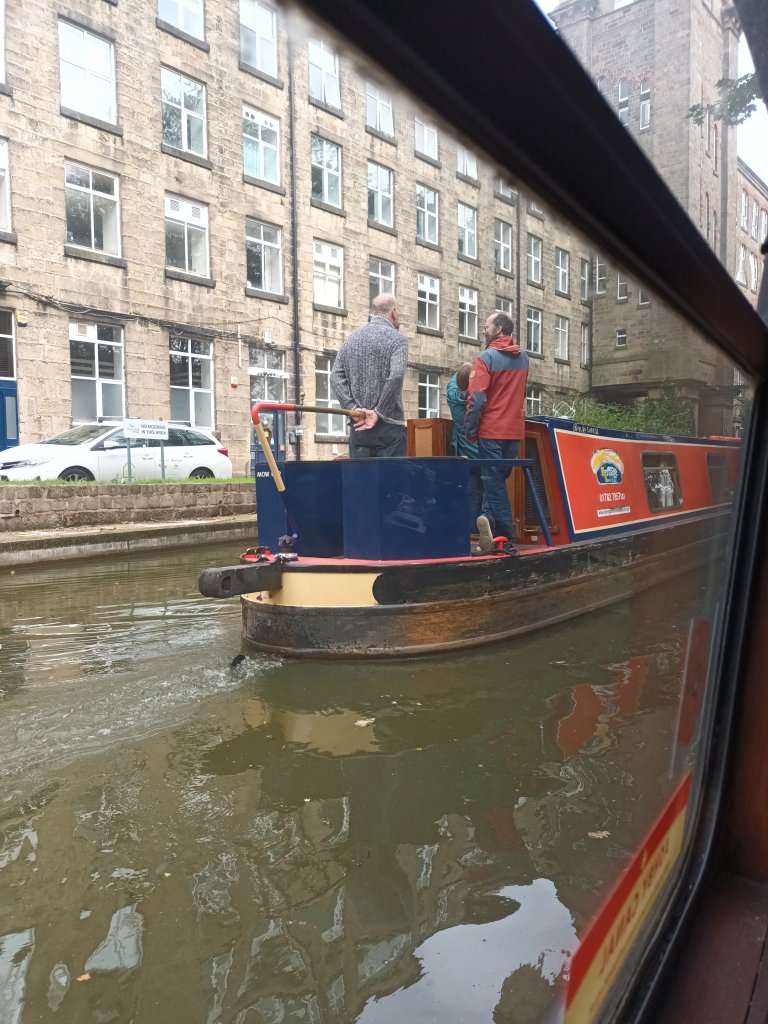
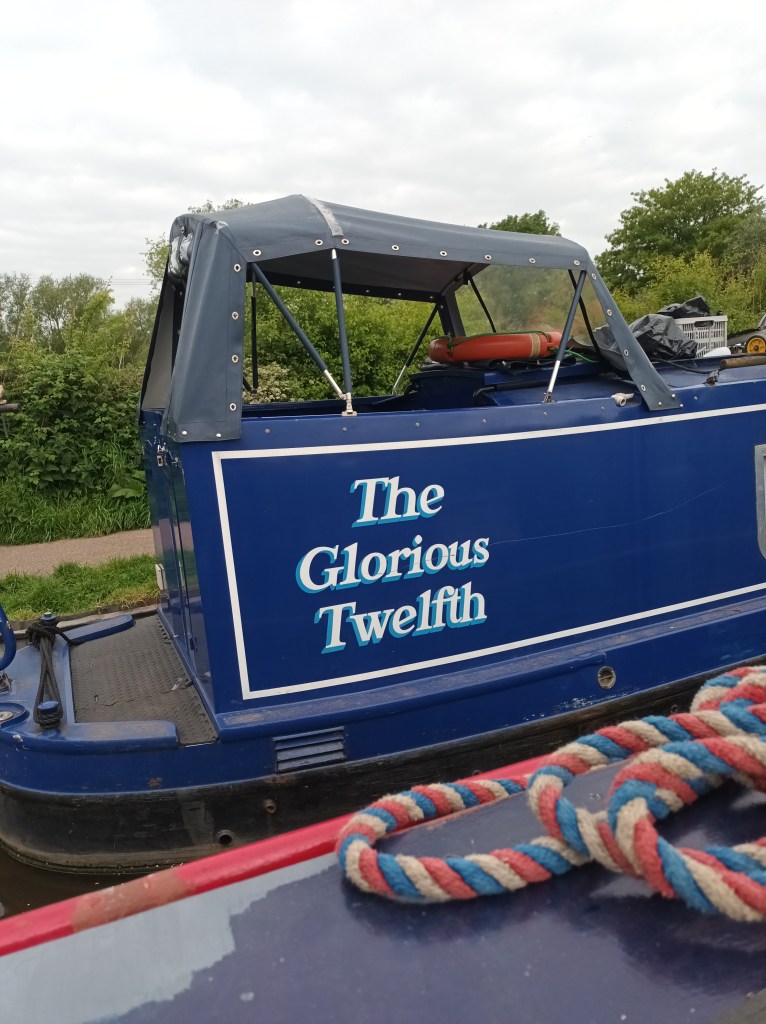
It doesn’t vary that much for us living and working on a boat, but demands a bit more logistical planning. A week ago we headed off bound for Cornwall together, then individually to Hampshire and Lancashire.

Before then we recced the canal looking for a good place to moor. What makes a good spot to leave a boat for a time varies, partly on the time of year, partly on the length of stay, and partly on individual preference. As our boat is our home, we tend to be a bit fussy about where we leave it. We don’t currently have alarms or cctv as some boats do. We’ve seen Internet connected camera doorbells, automatic lights, and all manner of security device on boats which owners have to leave for weeks at a time. Maybe the time has come to think of such things?

We do look for a mooring spot somewhere with other permanent resident boats around. Our first Christmas away from the boat (a time when one can expect many boats to be empty) we put the boat into a marina, but since then we’ve employed our principal of leaving it near other, occupied boats. 

We like to chain if going away – wet weather and passing boats can result in mooring pins pulling loose or jiggle ‘nappy pins’ out

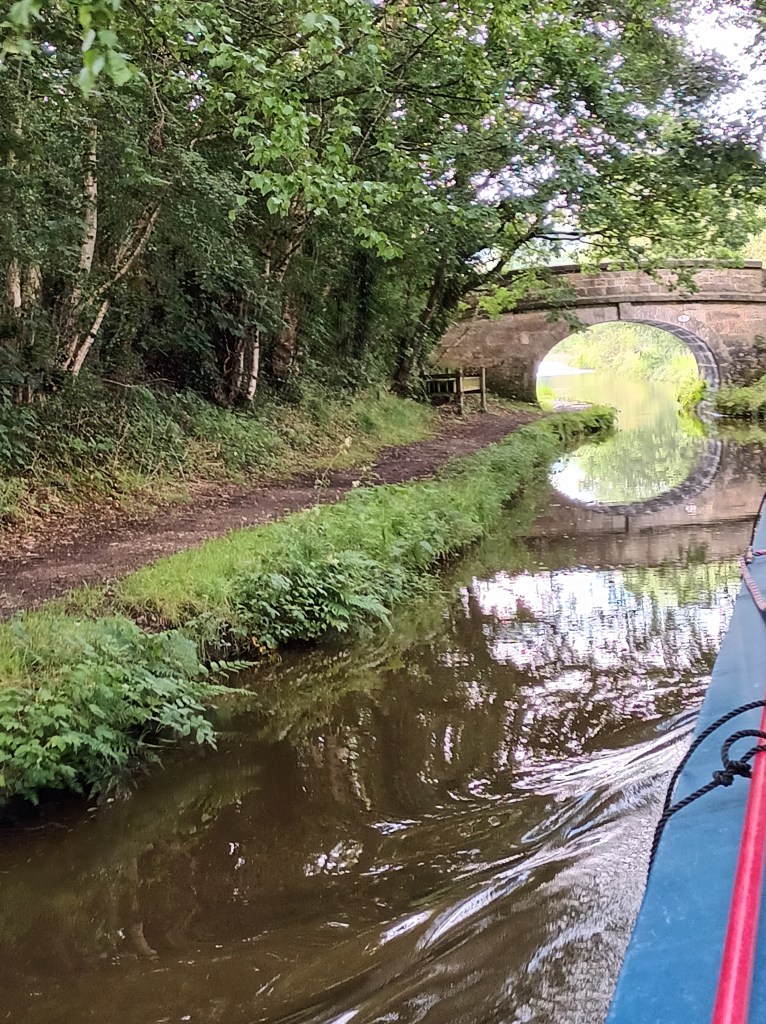
So this time we had the car with us (our method of travelling south), so we wanted to leave the boat on a mooring spot that wasn’t too far from a place we could park to load and offload, that was near other occupied boats, and that had mooring rings, piling or edging to the canal to which we could attach chains for more secure mooring. Ideally we wanted all of this in a rural but not remote or inner city location. We had the opportunity to leave the Ashby Canal before we left and before works closing one of the bridges near the start of the canal closed it to navigation but we decided staying on the Ashby rather than turning onto the Coventry Canal would suit our purposes. 

Ducks on ice at Duck Corner showing the lay-by

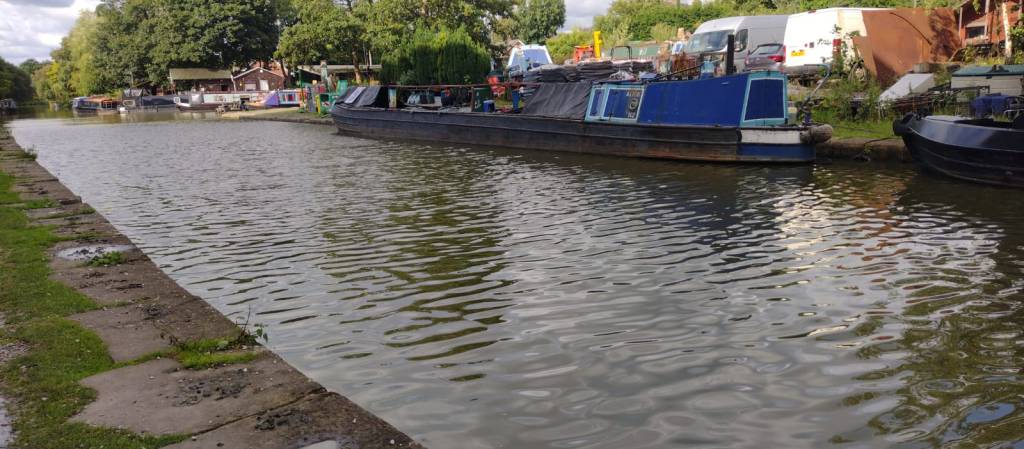
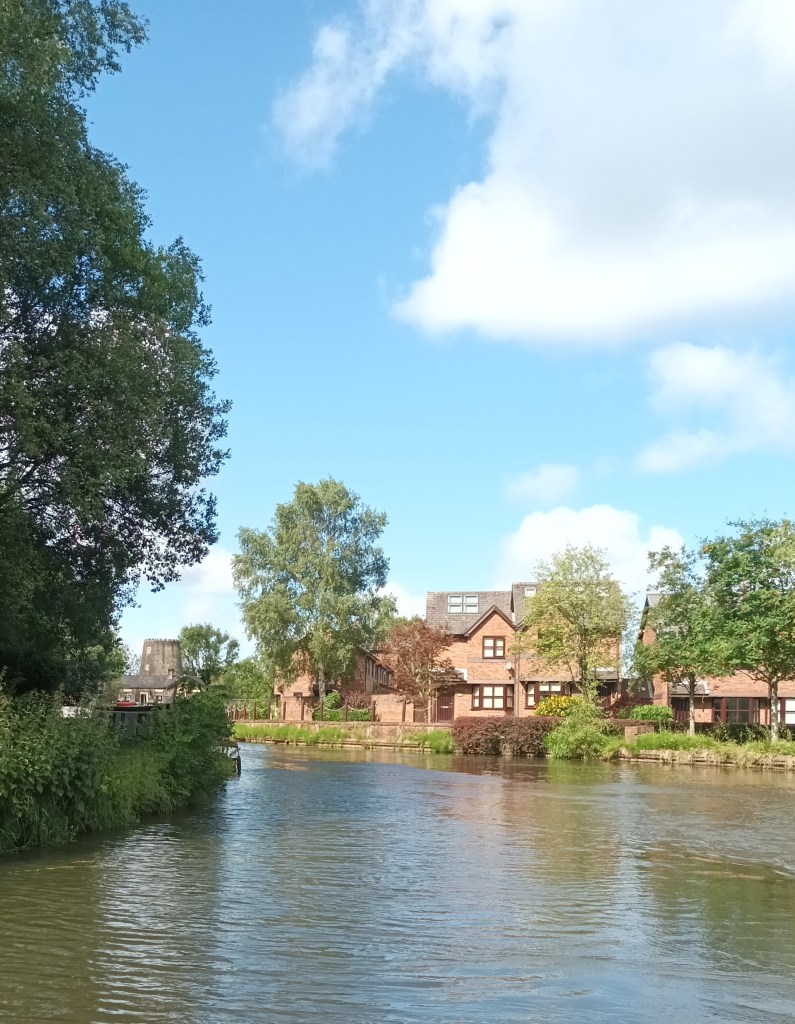
We had been moored at Duck Corner – so named for obvious reasons – on the outskirts of Stoke Golding. Ideal in some ways except we ended up moored on the road side where there is a layby, and we became aware in the evenings whilst we were there of youngsters pulling up in cars after dark. It’s very obvious to people regularly visiting such a spot if a boat is empty – they may not bother with it at all, but better safe than sorry. So we moved. Our original plan was to move only a few hundred yards to a quiet and popular location where we knew there were mooring rings near a great farm shop. When we got there, there was no space to be had – nose to tail boats. So we moved on, and returned to a mooring we knew from some years ago, opposite some residential moored boats and near another farm shop (the Ashby is very well provided!). 

Chains deployed, ropes made fast, we packed up our stuff, turned off and cleaned out the fridge, loaded the laptop to come with us, turned off the internet, and the irritatingly faulty pump along with all the electrics. That way, the solar keeps the batteries topped up even if there isn’t too much sun. 

Laden with bags of gifts for friends and family, laptop, clothes, shoes for all weathers and coats we headed off down the towpath towards the car. I got distracted as I left the boat (that’s my excuse anyway) and closed up, following a heavily laden Steve to the car. We cast a backward glance, all looked well and we headed off. 

About half way down the M5 I began to wonder if I remembered actually locking the boat up rather than just closing it… Eventually I voiced my concerns but we decided that it could be a safety feature. Anyone wanting to break in wouldn’t need to do much damage if the door just opened when they tried it!

By the time we arrived in Cornwall we decided maybe we should contact some very good friends who live in a bricks and mortar home some 15 miles from where we had moored, and who had offered to pop by and check on her. We messaged them and explained there was no rush, but told them how to check if the boat was unlocked, and how to lock it if it actually was. I have to say I was interested to know what the response might be!

Sure enough, the next day this WhatsApp arrived – proving my incompetence and the generosity of friends going out of their way to check for us. That is the first time we have had boat security!

Aren’t friends with a non-judgmental sense of humour wonderful?!

We had a wonderful break away and Steve returned first en route for Lancashire and found the boat happily bobbing securely on her mooring. An encounter with a neighbour’s wheelbarrow led to a conversation, and it was apparent that our absence on board had been noted but people were keeping a friendly eye out for us. 

When I then returned from Hampshire after a decluttering mission and assistance to Covid-stricken relatives in their 90s the boat was still safely where we had left her (I always wonder when we come back separately if Steve is going to move her just for “fun” to confuse me). 

A good time was had!

I think our next trip away may well be Christmas! In the meantime, we have many miles to travel – a lot of them on foot for me as I train for and complete the London Marathon. I’m doing it for MIND, whose work supporting mental health is nothing short of essential. If you haven’t sponsored me yet and feel you can – please do. I and those who benefit through the work of MIND will be hugely grateful. https://2023virtualtcslondonmarathon.enthuse.com/pf/deena-ingham

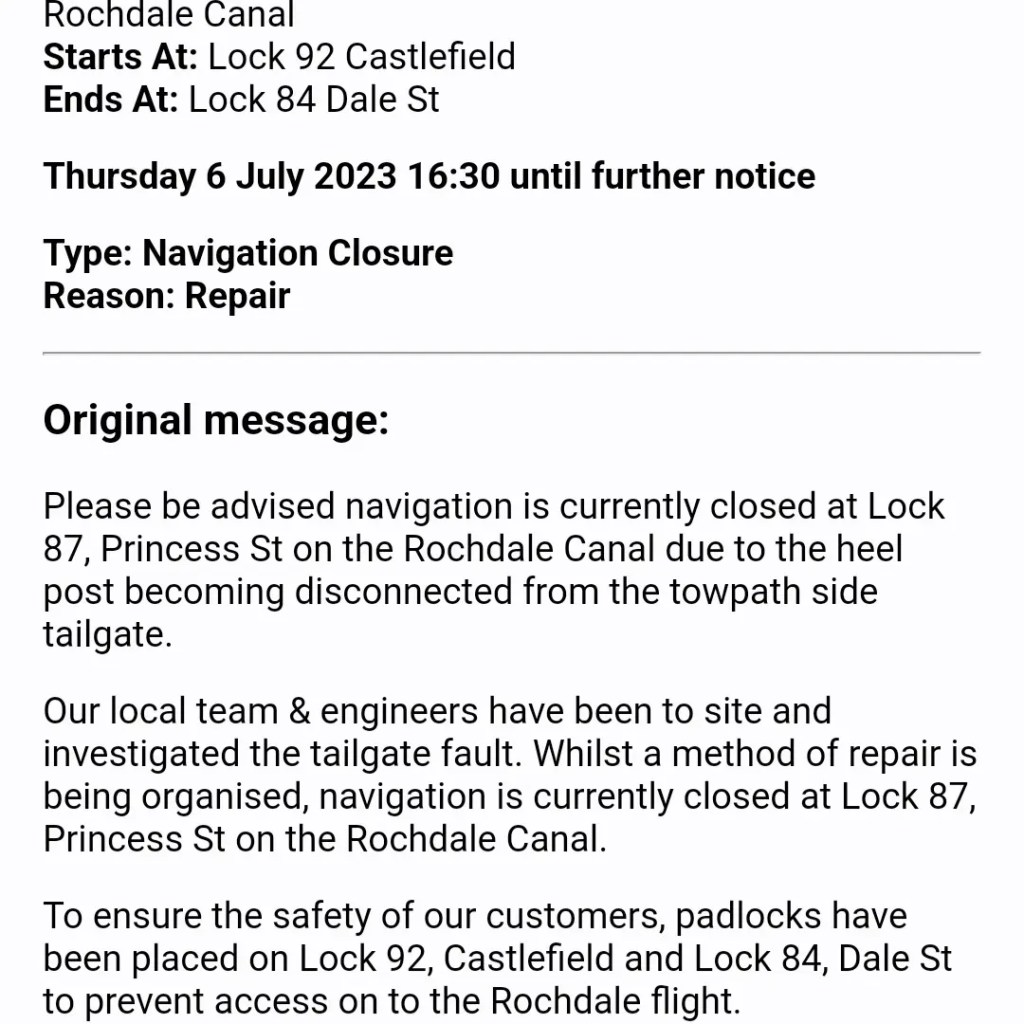
Next week, sometime when the closure ahead is lifted, we will head off once more, shaking off the sluggish pace of winter and cruising to locations familiar and fresh at our usual lively 3mph!

Good to be home with a rainbow to celebrate

Channelling our inner detectives – hell with water

Living afloat we are very aware of the importance of water for life and for transport.

News stories this week warn of a current drought risk across parts of England. That’s a commercial danger for agriculture. The map from the UK Centre for Ecology & Hydrology indicates it could affect our cruising plans this year. The River Trent for example, has below average river flow at the moment, although the River Ouse in Yorkshire is already in flood. We can’t do anything with that, just wait and see where we can go. 

It is though water on the boat which is occupying our thoughts at the moment. Water is still leaking from the water tank into the bilges so we have a regular role of mopping out… and in addition we have to keep our water pump turned off. A few times a day we trot down the boat, switch it back on, fill a 5-litre bottle with water that we can then use to fill the kettle, wash, cook, clean, and flush the loo. Then we trot back and switch off the pump once more. 

As with every problem there’s a temporary fix whilst we work through the options to create a permanent solution.
Our onboard water system consists of a main tank, a water pump, an accumulator, a cauliflower (calorifier or hot water tank), a pressure release valve, the plumbing between them and then a kitchen tap, bathroom tap, shower, flushing toilet and washing machine. 

At the moment we know we have two issues with the water system – at least two we’ve identified. 

  1. Main water tank lid leaking – we have a huge lid over the 500l tank that sits in the bow. The well deck floor is lumpy and bumpy, the old lid is rusted round the edges so they don’t create a perfect seal. When we fill up with water the water flows out of the gaps and into the bilges of the boat. It’s big job to grind one away and rebuild the other and big means £££. Making those two surfaces totally flat and sealing via new bolts combined with a small amount of sealant would stop water leaking out when we fill the tank and it sloshes about. For the moment a large amount of sealant will have to resolve the leakage issue, to date 2 x 300ml tubes around there to date haven’t done the job yet and eagle eyes are still required at filling up time. Our temporary fix is filling only until water squirts out, mopping out the bilges and we’ll add more sealant too. 
  2. Water pump going off intermittently – once we’ve got the water on board and kept it in the water tank (rather than the bilges) we need the pressurised water pump to take that water where we need it within the boat. Cold water flows through the kitchen cold tap, basin tap, shower, toilet, hot water tank and washing machine. Hot water flows back from the hot water tank to them all. That’s the theory and it is working but the water pump should only come on when the pressure drops off. It is noisy and uses power so it is intensely irritating when it goes off every 4-5 minutes. It’s using power each time (a little bit but power nonetheless) it makes a loud noise which is irritating and we’re being reminded each time that we have a Problem.

Since we bought the boat we have worked our way round her aged plumbing. We added a flushing toilet which needed plumbing in, and a washing machine. We replaced the shower and basin as well as the kitchen sink and tap. In November last year we had the water tank efficiently sand blasted, cleaned and resealed.

Water tank before…

This alert indicates a series of possible issues:

  • We have a leak in the system
  • It could indicate we have a problem with the accumulator which accumulates pressure avoiding the need to use the pump constantly and reduces pressure so you don’t get banging and rattling in your pipes
  • It could also indicate a leaky pressure relief/release valve
  • Faulty water pump. 

In a process of elimination, we are steadily working our way through the potential possible causes in a bid to find a solution:

  • Leak in the system – we traced it through hoping the pipes that run under the bed or behind the shower wall aren’t at fault. Couldn’t find any evidence of leaks – phew.
  • Accumulator – firstly we used a bicycle pump to pump the pressure into it behind the rubber membrane that holds the air to create the pressure in the water. It was evident that was losing pressure and we don’t know hold old the accumulator is anyway. It obviously wasn’t working as it should have done. We removed it with only a slight leak in the process to see if it was that causing the problem…it clearly wasn’t the only issue because the pump still keeps going off!
  • Leaky relief/release valve – we didn’t know we had this originally! Steve found it by chance when initially exploring the system. He found the valve stuffed in the back of the wardrobe (perhaps not the most logical location as when the pressure built up and the release valve worked it dripped the resulting water into the wardrobe aka waterrobe). The PRV was fixed as part of the washing machine installation when we had a proper drain installed that channels the water from the valve into that drain and out of the boat.
  • Faulty water pump – this is possibly the final option and most expensive but we can’t honestly think what else there is that could be the issue. Advice from a friendly boatyard indicates that they expect pumps in hire boats to last for 6 years in a really good situation – and they aren’t being used 365 days a year. We’ve had our boat for nearly 5 years and have no idea how long the pump had been in before then. The pump contains a cut-in switch, a cut-out switch, a motor, a pump mechansim – all of which seem to work.
Accumulator removed

As the water tank was completely emptied and refilled during repair work it is possible some muck  may have got into the pump as we’ve now discovered that we don’t have a filter between the water tank and the pump. That could then have accelerated wear to the valves of an already aged pump. 

Old water pump in situ

We could dismantle the pump, rebuild it with new bits may be finding the one problem area and fixing it en route. That could still leave the possibility of something else going in the aged pump, and all that fiddling about would take time, provide useful learning but also result in a long time without water.

Another final attempted solution is to replace the pump. The friendly boatyard have one coming next week for us to try. If it works we pay for it, if it doesn’t we give it back. We’re thinking there’s an advantage in having a new pump anyway at this point, one with a warranty on it, and hopefully giving us another 6 years. We also want to install a filter. 

It’s a bit of a drip feed story this one – will our plans solve the problem? Watch this space!

How are your batteries? Are we running down?

At work or at home how often do you think about flicking a switch and getting power to illuminate your life or recharge your devices? Bet you only really think about it when you flick the switch and nothing happens?

Living and working off grid as we do 24/7, power is not something we take for granted, or indeed can afford to take for granted. All our power is drawn from 3 x 100 amp hour leisure batteries neatly stowed under the floor of the rear deck in the engine bay. We also have a small starter battery which starts the engine.

Initially those leisure batteries were required to charge the lights, a water pump and a camping fridge. Since then we have significantly increased the amount of power we require daily – we now have a fridge with a mini freezer section, a washing machine, a flushing loo, an Internet router, our phones and computers.

We charge devices via USBs and AC plugs and sockets. The batteries also power the inverter with which they recharge a power drill, a hoover and electric toothbrush (no, we aren’t reduced to sharing one – Steve prefers manual!). 

All this extravagance means we are using approximately 0.65 of a kilowatt hour daily. If we are cruising (running the engine on red diesel), then the engine recharges the batteries as we cruise. But we don’t cruise every day. Work, ice, closed navigation and life often mean we happily moor up for days, occasionally weeks at a time without moving. 

This week’s mooring spot

One of the most vital elements for our moored up, off grid living on our 50ft nb Preaux is our solar power system which also charges those leisure batteries without using any red diesel. Steve installed two 175 watt Victron panels two years ago during the 3rd lockdown.

Together they have a perfect-situation capacity to generate 350 watts peak power. That means mooring in the optimum place, with the panels sparklingly clean and angled perfectly at a brilliant sun… that doesn’t tend to happen to be honest although we do take solar into account whenever we can when mooring. The highest peak power we’ve ever achieved was 260 and we were chuffed with that. 

At the start then, the first kilowatt hour of cost us £500 per kilowatt hour (basically the installation cost). Now it works out that each kilowatt hour has cost us £3.03 – it’s going down rapidly as you can see, and because the system means we don’t need to run the engine so often to charge the batteries which we do when there is no or poor solar, then we save £8.36 a week in diesel costs – a power profit. 

5th Feb 2023

Solar generation isn’t exclusive to the summer either. In the past 30 days we have generated 8.1 kilowatt hours of energy. That means in February and March the sun and our panels generated 41% of our power needs. The first day of the year when solar generated 100% of our daily requirements was 5th February. We generally expect to be self sufficient between March/April and the end of October. The first day after the summer last year when we needed to run the engine to top up the batteries was 27 October – up to then solar was recharging the batteries fully every day. 

So since we installed the panels and the associated cabling and gubbins that makes them work and allows us to monitor them (well, to be honest allows me to press a button on a panel a few times a day to see the percentage of charge in the batteries). Steve takes a tech approach and monitors it via his phone what the panels and sun have generated for us. Since they were installed that’s a total of 175 kilowatt hours of electricity.

Nearly there- 98%

That all sounds good – power for free (or free ish after purchase and installation costs) but a damn good deal anyway. That allows us to save (theoretically) towards the degenerating elements of our system, and to offset the current lack of government assistance in heating terms (the £400 for every household has specifically excluded boaters like us who are continuous cruisers travelling the system, although it has been paid to second home owners…).

A discriminatory statement

The deteriorating elements of our power system are the batteries themselves, and in the very long term the solar panels. Batteries don’t last forever – as anyone purchasing them for children’s toys knows only too well. Even rechargeable batteries have a finite life too. What you pay for a single battery can range from £100 to £1,000. We fly a Yorkshire flag, a symbol of economy, frugality and sustainability. We went for the £100 batteries and we nurture them with care. Technically the advice when we bought them was that looked after well (more on that in a moment but it doesn’t mean I’ve been knitting them jumpers for the winter….) we could expect 2 years per battery. We bought all three at the same time 2 years and 2 months ago now so our nurturing has paid off so far. 

Should I knit rainbow beanies for the batteries to show I care ???

We don’t let them drop below 50% charge at any time. We charge them to 100% at least once a week but in reality as often as possible. So when might they give up and how will we know? Well we rather hope they will gradually degrade, taking longer to charge etc but you never know, they could just suddenly pack up, plunging us into darkness. We shall see, and at the moment there is significant pleasure in knowing recharging regularly and taking care of our power system is paying off. 

The thousand dollar question – how long will they last? It’s fun waiting to see!

It may sound a faff, but solar is better for the environment, and checking our batteries several times a day is a small price to pay to be independent of the National Grid. It gives us another reason to rejoice when the sun comes up.

All this makes me reflect that whilst we look after our batteries on the boat we also need to look after our own batteries too, to make sure we recharge ourselves and keep ourselves in good shape. Something we’ve determined we’re going to do – very soon. 

Comfort zone 0: Benefit immense (apparently)

History tells when the Athenians learned the Persians had landed at Marathon en route to attack Athens in 490 BC, a messenger ran to Sparta for help. This first ‘marathon runner’ covered 260 kilometres of rugged terrain in less than two days! A runner (probably the same poor chap) subsequently ran from Marathon to Athens some 40 kilometers (nearly 25 miles) to announce the Greek victory at the Battle of Marathon.

The marathon as an event of 40 kilometers was first included in the 1896 Olympic Games. It was the British royal family who made it longer. Queen Alexandra asked that the 1908 Olympic marathon should start on the lawn at Windsor Castle. Competitors ran to the finishing line in the Olympic stadium 26.2 miles away, a distance which has stuck. 

Crowds supporting runners at Tower Bridge

The reasons people run marathons are as varied as the events and the runners themselves. Millions have and do run for causes close to their hearts. The London Marathon will take place next month -an annual event since 1981. Since then it has become the largest annual charity fundraising event, raising more than £1 billion for charities large and small, and has been completed by over a million people. Some run that entire 26.2 miles dressed as rhinos, carrying fridges, even in stilletos.

In the biggest single change to the event, the virtual London Marathon was introduced as a result of the Covid lockdown in 2020. The marathon that year was cancelled in April at the height of the pandemic, and postponed until that autumn. A decision was then taken to run the 2020 event totally differently. Elite runners ran a course in London but everyone else had the option to run wherever they were living, reducing the need for travel and crowds on trains. Runners used an app tracking their progress – a virtual marathon. Bedecked in their numbers they ran in October, a time when it was thought less conducive to the virus spreading. 

That was our first year living and working on our narrowboat. We stayed moored around our former home area purely so Steve could continue training and complete his virtual run from the boat before we set off cruising to pastures new. 

Running club friends from Poplar Running Club in Loughborough joined him for stretches of the run, family in Sileby provided loo stops on a looping route and I ran a water, gels and jelly baby station from the boat which proved useful not only to him but also to other London Marathon numbered virtual runners passing by.

The following year we took our home down to London (with all the sights en route) for the in-person marathon – again held in October. We moored at Little Venice.

From there, Steve completed the London Marathon in person supported by us all. It was his fourth marathon, and he said he would make it his last. He had been training almost continually since 2018, having originally intended to run in-person in 2019, and he felt his marathon race was run. He found training alone in unfamiliar places incredibly tough.

For me, the furthest I’ve ever completed was a half marathon of 13.1 miles. My last was the first Maratai Half Marathon in New Zealand. Just 40 minutes drive from  Auckland on the incredible Pohutukawa Coast, the run embraces stunning coastline with white sand beaches and includes two regional parks,at  Omana and Duders. The event organisers say “A lap around stunning Duders Regional Park does include some modest elevation…” That modest elevation takes in the highest point in the park, the Oturia Trig Point 200+ metres above sea level from which the views are stunning but the climb to and descent from is not. 

I made it up, almost crawling on hands and knees the last few yards, admired the view and began to head down. It was not easy and I slipped and slithered, tumbling twice and finding my left knee was complaining bitterly by the time I got back down to sea level. The remainder of the race was hobbling and hopping but I completed it, and the medal was nearly as good as the view. 

After that I ended up back in the UK with a knee that didn’t work as well as it might. Treatment for a meniscus injury, a time on crutches, and I’ve managed a few parkruns but nothing longer. Now though the time has come to really test myself, and that knee. It’s my turn to try a marathon, to raise some funds for charity and prove you’re never too old for a challenge.

Do I look like a marathoner? Maybe I should do the whole 26.2 miles glass in hand! https://2023virtualtcslondonmarathon.enthuse.com/pf/deena-ingham

On 23 April I shall set off not with all the runners in London, but from wherever we end up being moored that day to complete 26.2 miles. It won’t be easy. Hopefully, the left knee and injured right foot will both hold out. Whatever happens, my marathon journey won’t be fast, and it won’t be pretty, I won’t be dressed as a giant brain, and I know I am pushing myself out of my comfort zone. I may end up jeffing or walking much of the distance but I shall do it to raise funds for MIND which helps so many people improve their mental health. My supporters on the day will be cows and ducks in the main and maybe I’ll meet some other virtual runners en route.

Living afloat brings me joy and peace. Being close to nature and particularly water 24/7 has immense well-being benefits. I am aware that millions of people never have those daily moments of simple joy that I experience and which help to reset my mental compass. I feel the campaigning work of MIND around the triggers of mental distress for millions is essential – workplace stress, debt, poverty, and mental health discrimination. 

I aim to put the legwork in to raise funds for MIND – modest funds I appreciate but funds that will make a difference none the less. I don’t have a clue what my route will be, or even where I will be completing my Marathon, but I intend to complete it, litter picking on the way for added purpose even if I am on my hands and knees at the end. Please, if you can spare a pound or two, would you sponsor me to support the work of MIND and spur me on by your generosity?

https://2023virtualtcslondonmarathon.enthuse.com/pf/deena-ingham

I won’t be carrying a fridge, a rhino costume, or wearing stilletos, and I don’t like running (although I do like what it does for me mentally and physically) but I vow to complete my marathon, and I shall suffer in the process – not least in training. With your help I aim to slog it out and raise vital funds to help people via Mind.

My longed-for finish won’t be as fast, dramatic or hopefully as irreversible as the original marathon runner’s. When he arrived in Athens – he made his pronouncement, collapsed with exhaustion and died. I need to keep going – we have journeys to make, locks to navigate and more adventures to experience.

We don’t know what we’ve got ’til it’s gone

We take so many things for granted – lights that come on at the flick of a switch (thanks to our batteries and solar), water that runs at the turn of a tap (thanks to our tank and Canal and River Trust water points) and these days the apparently vital ability to summon maps, search engines and all the realms of the internet  when we want.

This week we’ve been internet chasing. Started fine – good signal on everything. And then we had to move the boat – not far but far enough to create a problem. It doesn’t mean a move of miles – moving just a few feet can change everything.

One aerial raised

We have a 4G router linked to an aerial (which we need to remember to lower when travelling and sometimes remove when lowered because bridges are too low for it to pass). This system operates on a mobile wireless network which we have on 3. Then we have one phone linked to an O2 network and another linked to EE.

One router

That way we spread the load and stand a chance if one network has poor connectivity in a place, rhat one of the others is likely to be good. This week has challenged that theory… we’ve also been grateful for our small mobile wireless connector when all power vanished to the main aerial connected router.

That unexpected and first ever time power failed to the router happened not on a day when we didn’t really need it, well it wouldn’t would it? Nope, disaster happened with 8 minutes to go before I was due on a work Teams call. Pow – power vanished – only to the router – everything else seemed fine, so the batteries were working… a total mystery. No time to spare for much investigation but out with the sim and a quick change to an old mobile router that dangles in a window.

Ducks abound inside and out around the mobile router

That was fine until another boat passed by – another metal box cutting across a signal. We had 3 boats pass and all waited kindly until it was my turn to be talking on the Teams call so colleagues had a very truncated and intermittent view of my thoughts! (Probably ideal really, but it was a circumstance of which I was totally unaware until signal returned and they got me back again to tell me to repeat myself…from where? from part way apparently! It took a bit of deciphering to work out what to say, all the while willing no other boaters to pass by!

After work, we moved again… thinking a more open aspect should be better. It was for solar, but connectivity and phone signal was even worse. By then, though, my working week was over, so it didn’t matter as much.
It had, however, made me realise how inclined these days we are to turn to the television via the Internet in the evenings.

Instead this week we have indulged and it has felt like an indulgence, a real treat. We have been crafting (creating children’s crowns for the coronation), completing jigsaws and reading in the evenings in addition to our ubiquitous hotly competitive Scrabble games. We’ve also enjoyed the sight of the moon with Venus and  Jupiter in a glorious celestial sight.

We shall move again when we really feel we need the internet (and a decent phone signal), but until then, we are floating happily in a creative, productive, and peaceful disconnect.  Try it sometime and see what you think!

Go wallow in Internet silence!

Are you well balanced? We’re not…yet!

It’s only too late to get back on an even keel when you’ve capsized… a thought for us all and particularly those of us who live on boats where prevention is definitely better than cure. 

So this week has been about rebalancing our lives…and our home. It’s so easy when you have a 50 x 6ft home to just add and amend what’s on board without really thinking about where we’re putting things, and that is crucial. The layout of our boat means we have a passageway down one side of the boat so all the heavy stuff tends to congregate on the other side – including us! You see the problem – most of the weight is on the side opposite the passageway, creating a list to (in our case) the port side.

The only sizeable weight on the starboard side, and it is sizeable, is the multifuel stove. After that there are a two book shelves and some shelf steps under the side hatch. 

We need to redistribute weight more equally, to recalibrate our home, and so our lives. We are aware that this year we will be bringing on new batteries (into portside fixings). Whilst the coal on the roof is steadily reducing and will continue doing that, it will ultimately be replaced by the veg garden so the weight on top is not really diminishing. We keep that weight evenly distributed but it tends to be central to the boat. The water tank with its 500litres is also central, but at the bow (front). Too much weight on one side and too high up (like on the roof) can make the boat more susceptible to sudden movements, to winds and waves… and that’s a clue to one reason as to why we are doing this now. 

Once we have headed south for welding work to be completed we shall be heading off on a new adventure – one that takes us across tidal waters.  No – not to France or Ireland, but to Lancashire (and with a Yorkshireman as skipper that is seen as very foreign territory, believe me!). 

That will take us across the first new canal for 97 years – the Millennium Ribble Link. It connects the 41 navigable (and lockless) miles of the Lancaster Canal to the national network via the River Ribble, the River Douglas and the Rufford Branch of the Leeds and Liverpool Canal. The Ribble Link consists of the River Ribble and River Douglas – all tidal, fuelled by the waters of Morecambe Bay. 

In tidal waters it’s more important than ever to keep an even keel…particularly on a narrowboat which doesn’t even have a keel but has a flat bottom so is susceptible to rolling when walloped by waves.

Safety equipment for coastal waters differs from the inland waterways – and it’s going to weigh! Looking down the list for this trip we seem to be pretty well equipped so this weight is already on board, we just need to make sure distribution is even. 

  • Life jackets – got
  • Accessible, ready anchor on chain to stop the boat in case of engine failure – got
  • Charged mobile phone or VHF radio – got the former
  • Marine Distress Flares – still to get those.

Undertaking anything out of the ordinary it is always worth putting in the preparation – researching (in our case reading guidance documentation provided and looking at how others have fared via the many boaters vlogs available – some make alarming viewing, others are more calmly reassuring! 

We need to book because of tide times and we aim to be in a convoy of several boats for safety. But we can’t go yet as we have things to do before then. Our engine is going to need to work harder for longer than it has for years so we will be completely replacing what we think is its current weak point – the cooling system.

We are also actively starting to get our lives in balance. That means working out weight distribution across the boat. We do have ballast in the hull of the boat and that is fixed (in our case it’s kerb stones – we know as Steve has managed to get a few out for rebalancing when we brought the washing machine on board. So it’s the easily moveable elements that we are concentrating on.

We are using pallets to build shelving along the length of the starboard side to enable lots of items to make the move from the galley (kitchen) cupboards on the port side. Just emptying a few and putting them onto the scales resulted in the discovery that that should redistribute over 40 kgs.

Making changes to the shower cubicle replacing the giant ceramic shower tray which over time we realise we only use a fraction of, keeping storage there when not in use as a shower. We have actually shelved over part of it. That change should remove about 30 kgs from that side of the boat.

Little by little then, we are recalibrating our lives afloat, and our home. Nothing too quickly, but steadily we are reviewing, reconsidering and rebalancing. Not a bad thing fornus all to do regularly with our lives really, however or wherever we live and work.

Removing the unnecessary, reorganising priorities and reviewing how we live – not a bad mantra for everyone. Seems a wise move to deal with the things throwing you off balance before they do serious harm. May mean all our physical and metaphorical distress flares remain unused.

Restorative practices

Travelling the waterways living and working in our 21st century ways links us to the past.

We use routes designed by famous engineers like Brindley and Telford whose waterfilled channels and tunnels for commercial haulage were created by armies of labourers.

In some places like the Ashby where we are now, we are not only remembering and celebrating the people of the past, but also very much acknowledging present day work.

Volunteers, communities, councils, organisations are working together, enabling waterways to stay alive and viable. United, they are working hard to restore waterways for boaters, walkers, fishermen (and women), canoeists, paddleboarders, runners, and crucially for wildlife.

Some waterways have been hidden from view for years, others remain unused but evident. Currently 97 restoration projects are underway across the UK.

Future line of the Ashby Canal

We’ve been fortunate to cruise the Monty (Montgomery), currently under restoration, and are heading this year up the Lancaster where they are aiming to extend the navigation ultimately to Kendal.

See if there’s a restoration project near you

https://canalrivertrust.maps.arcgis.com/apps/MapTour/index.html?appid=13ccb97bc18846c997c23884142ada64&webmap=1a375d67642e48d8ae3b516d202bcbe8#

All offer numerous opportunities to get involved and fascinating insights into the construction process. The aim for some is to be restored for navigation. Others like Charnwood Forest Canal are hoping to preserve the former route for amenity use.
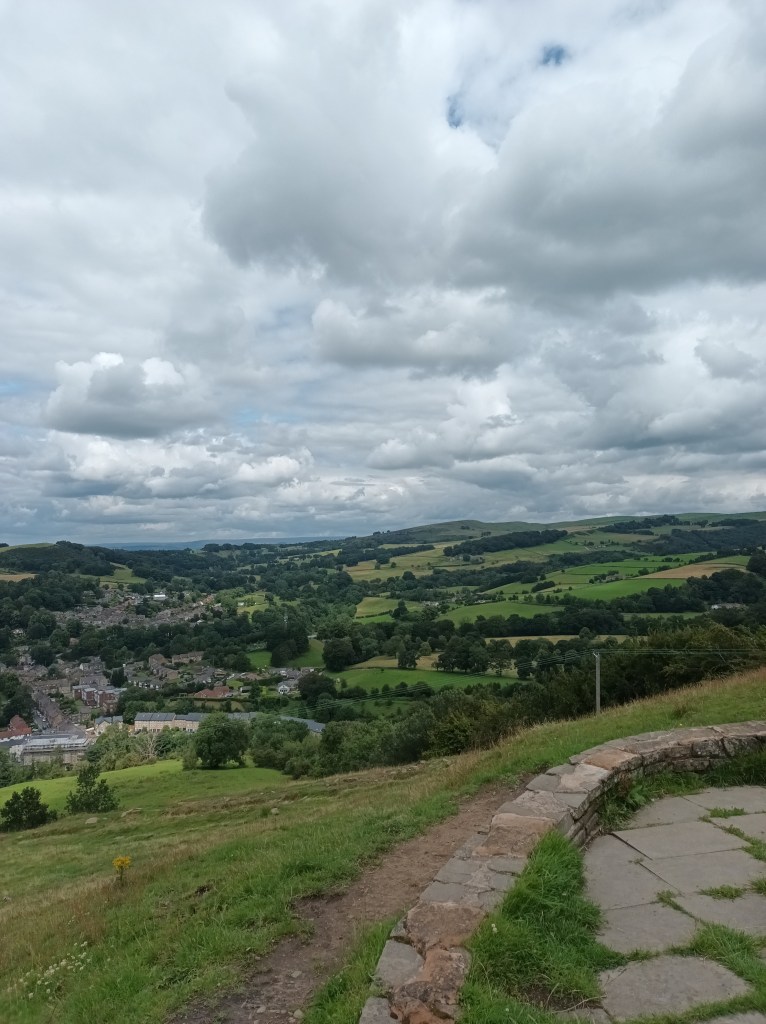
The Ashby Canal is a great example of a canal brought back to life by the dedication of individuals acting as catalysts, labourers and bringing together organisations to work together to restore a truly beautiful route. Built originally to serve the coalfields that abounded near Moira and Measham, it opened in 1804. Those coalfields directly resulted in the Ashby’s demise as a working canal – mining subsidence closed sections north of Snarestone in the 1940s.

The section from Moira to Donisthorpe was abandoned in the early 1940s and another 5 miles closed in 1957 with the Measham to Snarestone section closing in 1966.

That final closure led to the formation of the Ashby Canal Association, a group determined to ensure no more lengths were closed. Leicestershire County Council were behind the restoration and the Ashby Canal Trust was formed as a limited company in 2000 with directors representing the Ashby Canal Association, the County Council, local relevant councils, Canal and River Trust and the Inland Waterways Association (IWA).

Thanks to all the efforts of committed individuals involved, we know about the canal’s history and are able to cruise the Ashby’s from its junction with the Coventry Canal. This year we have a further few hundred new yards to travel to a winding point taking us 22 lock-free beautiful miles.

This year too there is a new canal walk which goes from Snarestone to Measham, one we’d recommend to any boaters, walkers, or trail runners.

The large village of Measham also gave its name to a rustic brown lead-glazed style of decorative china known as Measham ware or Barge ware. The famed teapots particularly were given as gifts, often as prized wedding presents. Bargees would place their orders as they passed through Measham and collect the item on their next trip. Ironically, most Measham ware was actually produced 5 miles away in Church Gresley in Derbyshire. When I finally find one at a price I can afford, I’ll show you what they look like!

The Ashby Canal Path is a fascinating insight into where future generations may cruise…. Wonder how much further we will be able to get in our cruising lifetimes?

We’re aiming to get involved in restoration projects as we cruise through the IWA. The Association offers the opportunity with holiday, weekend and family camps. It will be not only a chance to contribute to the amazing network which gives us such joy daily but also an opportunity to learn new skills, meet new people, discover new horizons and get involved in protecting the waterways for generations to enjoy.

New horizons

Betrayal, abandonment and death

We’ve been living in the shadow of a seismic royal upheaval for the past few weeks. We tread the same paths and see the same fields that two kings saw, one of whom would never see anything other than these views ever again, over 500 years ago

This area of the country is where the fortunes and throne of England changed forever. Just a stone’s throw from the Ashby Canal (our current home) lies the site where historians claim the Battle of Bosworth Field took place.

In this place, Richard III camped the night before his encounter with the man who had returned from exile in Brittany and was marching up Watling Street heading for London. In the heat of battle the king was said to have drunk from this well we see today.

Richard III and the man who would become his successor (as Henry VII) rode across the very rolling green fields that surround us. For one of those men, this was his site of success and succession; for the other, a scene of betrayal and death.

The Battle of Bosworth Field brought an end to the Plantagenet kings, with the death of 32-year-old Richard. Two of those who had sworn allegiance to him and brought troops to support him brought about his end. One changed sides in the heat of battle, the other remained immobile, failing to act on Richard’s behalf.

Richard’s lifeless body was found without his helmet and with a fatal head wound. His body was thought to have been thrown into the River Soar, another navigable waterway we regularly cruise, but as we now know it was actually transferred to the site of the former Grey Friars Priory in Leicester.

In 2015, his skeleton was found, identified using radio carbon dating, mitochondrial DNA and comparison with contemporary appearance information. His remains were reburied at Leicester Cathedral, a short walk from yet more familiar, navigable moorings in the heart of the city.

The death of Richard on these Leicestershire fields marked not just the end of the Plantagenet kings but the beginning of the Tudor dynasty. This descendent line can be drawn from Henry VI to our current Charles III. That beginning happened just near our recent moorings at Stoke Golding.

This is an area where history envelops us, lessons await us at every turn and all just steps away from the canal, our home.

Left out in the cold

We have first-hand evidence that the UK Government is discriminating, prevaricating, and putting out untruthful disinformation.
It’s freezing outside

With a huge fanfare back in May 2022 the then Chancellor, one Rishi Sunak you may remember, announced a non means tested, £400 discount for every household to help with energy bills. The EBSS – Energy Bills Support Scheme – allegedly began rolling out in October. Sunak declared to Parliament on 26 May last year: “…we have decided that the £200 of support for household energy bills will be doubled to £400 for everyone. We are on the side of hard-working families with £6billion of financial support.”

He continued: “…we are raising emergency funds to help millions of the most vulnerable families who are struggling right now, and all households will benefit from £400 of universal support for energy bills, with nor a penny to repay.”

Since then, I am sure some people have seen some of that money. It is utterly galling to hear second home owners have possibly all been seen payments for each of their addresses, while we know some of the poorest in society, who don’t have a fixed address have seen nothing. These are, in some cases, people who are borrowing from Peter to pay Paul, who are choosing warmth over food and are starving adults in their household to feed their children. Their homes are mobile but their only homes, and yet they cannot claim the payment because the government excludes any household without a permanent address.

Living an itinerant lifestyle is not always an idyllic lifestyle choice

These are people living an off-grid often itinerant lifestyle. Some are fortunate, as we are, to live this way by choice, but for others this is no choice. The government says they’re working on getting a solution to get money to those of us without a fixed address. The longer they say that they are trying, the longer they appear to feel it acceptable to delay. For some, that delay will mean the difference between health or illness, survival or bleak despair, and in extreme cases, life or death. Nearly half of itinerant boaters earn less than £20,000 a year, but they still face rocketing prices for the fuel they need.

While politicians continue telling the media and thus the public that every household has already received the £400 payment (which we know to be untrue), many of us have just experienced another 10 days of freezing conditions.

The need to stay warm is fundamental and our costs are rising. We buy coal which we burn 24/7 in our multi fuel stove at this tjme of year. That is our only heating. This year we were hugely fortunate to be able to buy in bulk at £12.10 for 20kgs. We juggled finances to afford the upfront cost, thanks to having family prepared to let us store a tonne of coal at their address. Last year, we were paying 21% less for coal, around £10 a bag.


We use gas for cooking although we use  the multifuel stove as much as we can for cooking to maximise the use of fuel. The last gas we bought was £40 for 13kg bottle – up from £28 last year.

We use diesel to move and generate power which combines with our solar investment to keep us off-grid. Diesel used to be 80p a litre, but by 5 January 2023, it had almost doubled to £1.50 a litre.

We are lucky. We are working. We are surviving. Our fuel costs are escalating so we are cutting down on other things but we can do that for now.

There’s supposed to be a pilot scheme for those of us off-grid people who aren’t a drain on the national grid – the councils operating this don’t appear to know how it should run at all. It appears we need to be moored in their areas to apply but we couldn’t get there if they had a canal or river if we wanted – we are still frozen in, stuck in ice.

The snow has gone this week here but the ice remains

Groups like the National Bargee Travellers Association and Friends, Families and Travellers are working to get access and so are we as individuals. We didn’t ask for this payment but having been told we as a household should get it, we appreciate how useful it will be to us.

We are continuous cruisers. We are a household. We are also taxpayers. I fumed when submitting my recent tax return. The government expects me to pay out from a tight budget rapidly. They don’t reciprocate and pay up what they have promised. Not only are they not paying what they offered and thus owe – they’re bragging about how they actually are paying out, seeking political kudos for we know first-hand is a lie.

It really is simple. Check you can deliver before you promise. Do your homework. Plan properly.

This really is a load of bull…

At least all this fuming is warming me up! EBSS like so many other political schemes amounts to an ill-thought out and Extraordinarily Bloody Stupid System.

How to live happier and make the world better

Research says loss of a partner with whom you’ve lived for many years is often made harder to bear because of the reaction of others.

What the researchers refer to relates to the heart-rending loss of a pet. They say that often results in profound grief that is unacknowledged by those around, and this extends or prolongs the mourning period. Prolonged grief can have severe effects on our mental and physical health.

We had a tough week this week with the loss of our partner of 15 years, Cocker Cola, a spaniel without equal in our eyes. That loss has been huge but made easier by all the kind comments and sympathies which have come our way from people who knew Cola, as our dog and a volunteer at parkruns and Remembrance Parades but also from people who never met him but wanted to send us kind thoughts.

People who knew him as a pup, others who knew him as a boatdog, and many who never met him but who recognise the deep bonds we build with our pets. I am hugely grateful for the hundreds of messages, emails, tweets and WhatsApps. Taking time to extend sympathetic kindness when people could just have ignored my post in the maelstrom of social media really made a positive difference.

Cola was a working cocker whose work was to keep 3 generations of this family adored, valued and consoled over his time with us.

Into those silky black ears we have all poured troubles, excitements, hopes and fears that we didn’t want to tell others. Not once has he spilled the beans, made a comment, voiced an opinion or given advice – however well meaning. Bad days have been made good, tensions and tempers calmed by a walk with him or a chance to sit stroking his soft black fur.

Since the day in 2008 he left his mum Matty and travelled from Sally and Vic Bleming’s home to ours, he has been a constant, loyal black shadow He’s padded beside us through our homes, walks, hikes, high days and holidays. That black nose and big paws have over the years opened cupboards, doors, gates and one memorable year identified and opened all the edible gifts under the tree before Christmas.

Cola was not really ours. He was our daughter Freya’s, her 13th birthday present. When she went away to university, he stayed at home, enthusiastically welcoming her whenever she returned.

When she started work and moved away, he holidayed with her often but stayed with us, a generosity of hers for which I will always be grateful. When we moved onboard Preaux to live as continuous cruisers, Cola moved with us. As a spaniel who adored water, living on the boat was heaven.

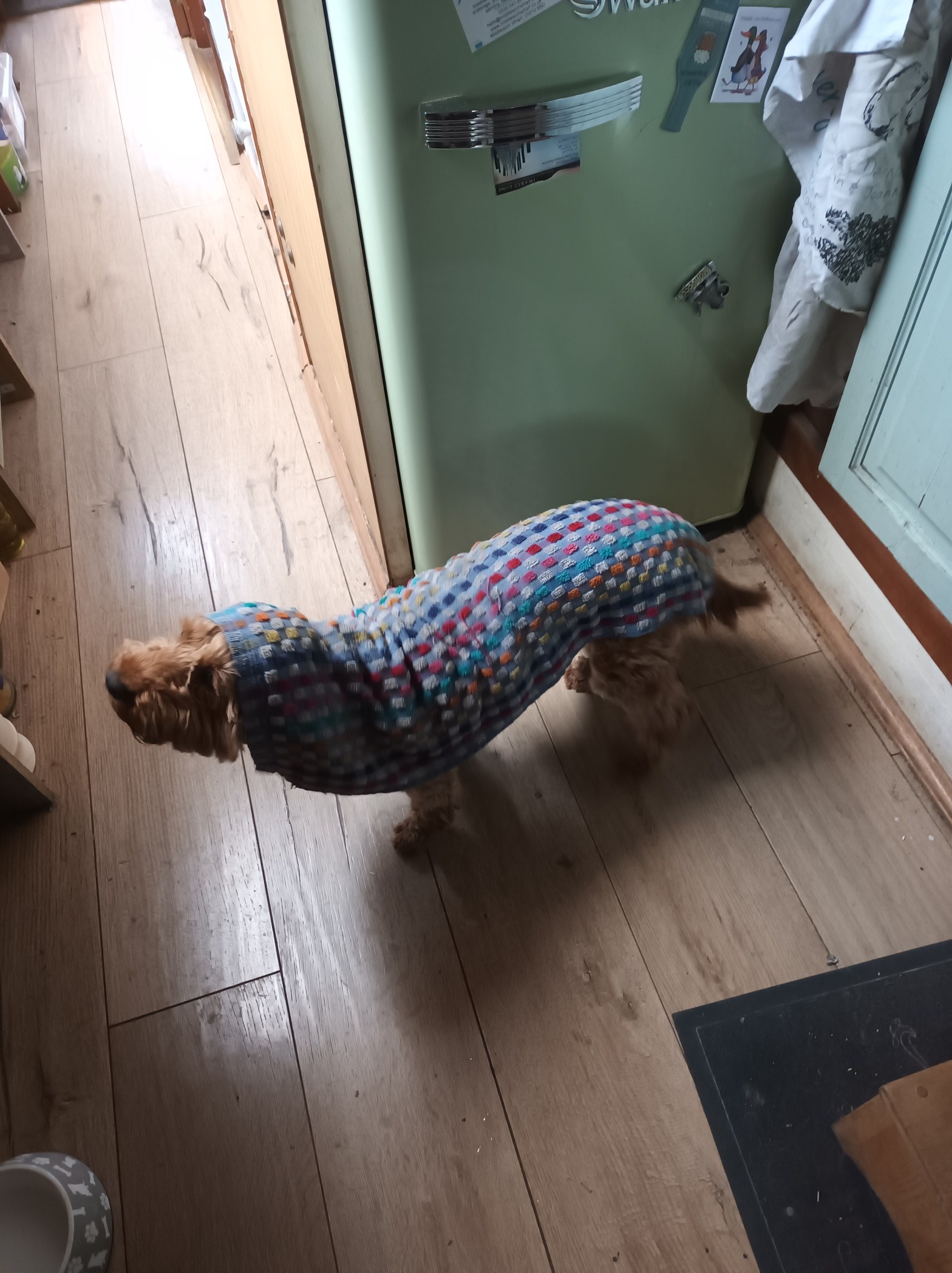
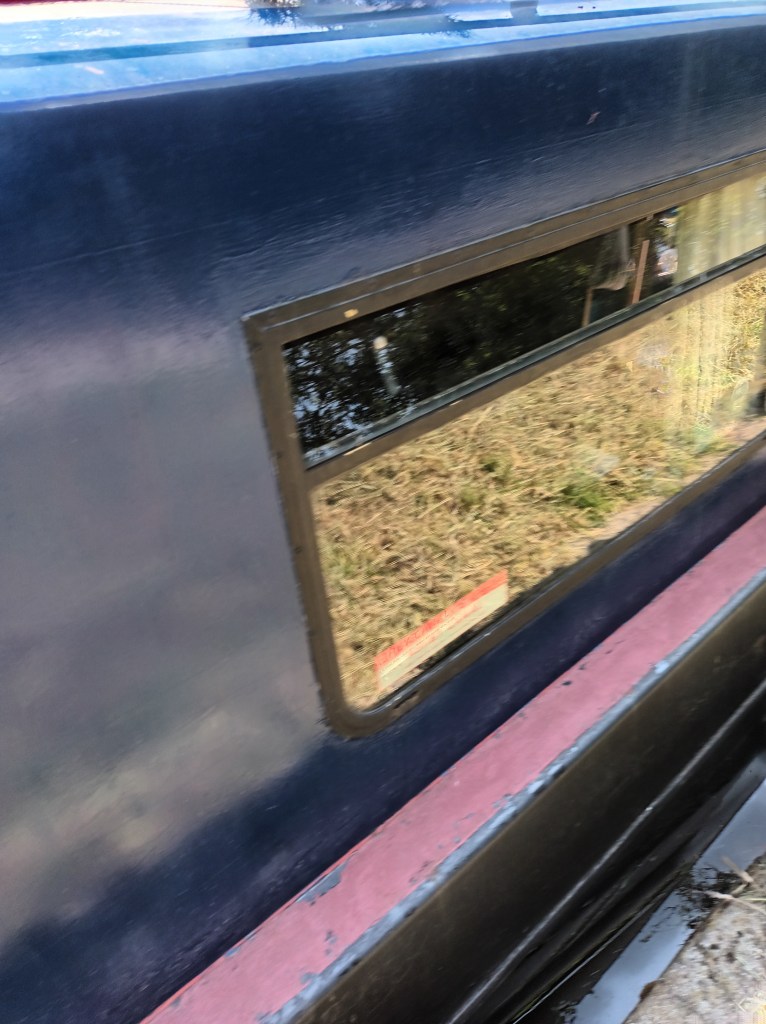
He had his own porthole where he’d sit looking out at the world as we travelled, or just looking at us. It was perfect for him – he was still with us which was always where he wanted to be, but he was also able to watch the ducks go by, and enjoy the warmth from the engine beneath the deck boards (once the smoke too when things over heated and he disappeared in a cloud, but still sat still as we rushed about like headless chickens).

He loved the long walks in ever changing places, the fact that each time he hopped off the boat he was greeted with new smells and new places to explore, things to roll in and he always shared his delights with us (whether we wanted it or not) with a generosity of spirit.

He enlivened boatlife particularly in his own indomitable way.

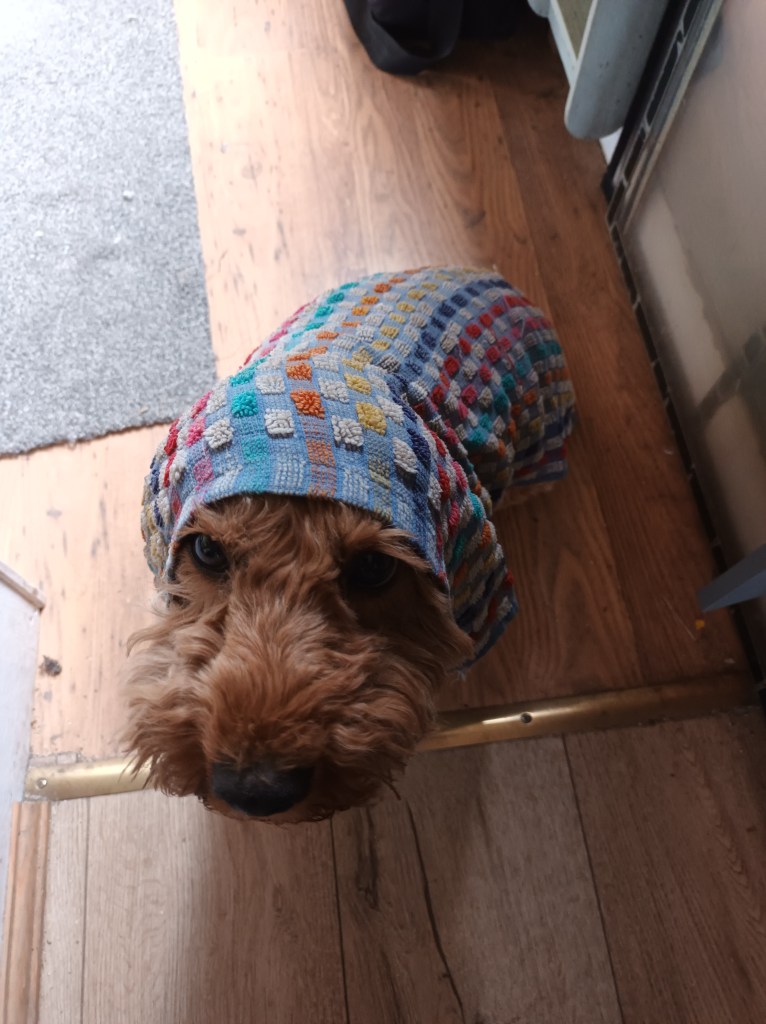
Our first night on board he went overboard in the darknesswhen he misjudged the jump into the bow and plungrd into an inky black flooding, swirling River Soar. Only the fact that Steve had him on a lead meant he wasn’t swept away. We finally landed him, a sodden mass back on board by getting a towel underneath him and using it as a hoist.

He’s always hurled himself deliberately with glee into rivers and canals – always keen for a dip. In more recent years, as his brain and eyesight have dimmed, he’s become a bit of a liability. Sometimes, he’d forget which way we’d moored and fail to seek out the towpath side before jumping off the back of the boat… more recently, he’d stop on the canalside, and his old legs would give way with a wobble, and he’d fall in with a splash.

Fishing him out seemed a small price to pay for all his unquestioning companionship. To towel him off, and not mind when he shook himself all over us, and embued the boat with the unique aroma of canal-water-wet dog.

Over the years he’s recultivated gardens, retrieved our chickens and shoes (always singly, never in pairs), dropped single shoes overboard and developed a singular reputation for his one bad habit of stealing food from plates, pockets, handbags and sometimes out of people’s hands (often without them even noticing).

Protector on guard

He loved mud, muck, water, FOOD (the capitals are his) and unquestionably all of us. Three generations of our family have benefited from his hairy embraces and protection. He’s been a favourite with dog lovers and even won over non-canine enthusiasts. He adored us all, never bothered about how we looked or felt – he just wanted to be with us.

When pets are with you day in, day out, when you work from home particularly as we do, in a small space, they are the most important compananion. The most constant, uncritical and enthusiastic of friends. They are a reassuring  presence of good in our lives.

He aged rapidly at the end. He slept for England – often having often having to be lifted onto his favoured sleeping spot – the sofa.

Towards the end he became doubly incontinent. Our furniture took on a strange crackling sound from its waterproof covers. He often to be carried to places when his legs gave out. That just seemed a small repayment for all the good times he gave us still.

The arthritis pain never made him grumpy, even when it made walking, which he loved, a real struggle sometimes. His bad days began to outweigh the good, his hearing left him in a quiet world where fireworks no longer bothered him but equally he could no longer hear the rustle of a wrapper in the kitchen. However, try opening a packet of biscuits to indulge quietly, and you would fail to remain alone for long. That nose would nudge the back of your knee in hope – his sense of smell never deserted him. When his tail stopped wagging, he signalled his end.
This dog taught me patience, gratitude, and a real joy for life every day of his 15 years with us. Not once did he complain or sulk, or greet us with anything but glee.

His legacy is simple:

  • Be unfailingly, uncritically supportive of those around you.
  • Enthuse over important things like food, long country walks, wild swimming, a comfy sofa, warm fires, and good company.
  • Show and share your pleasure with others.
In younger times

Let’s all make life better for ourselves and those around us at home and at work – let’s just be more Cola.