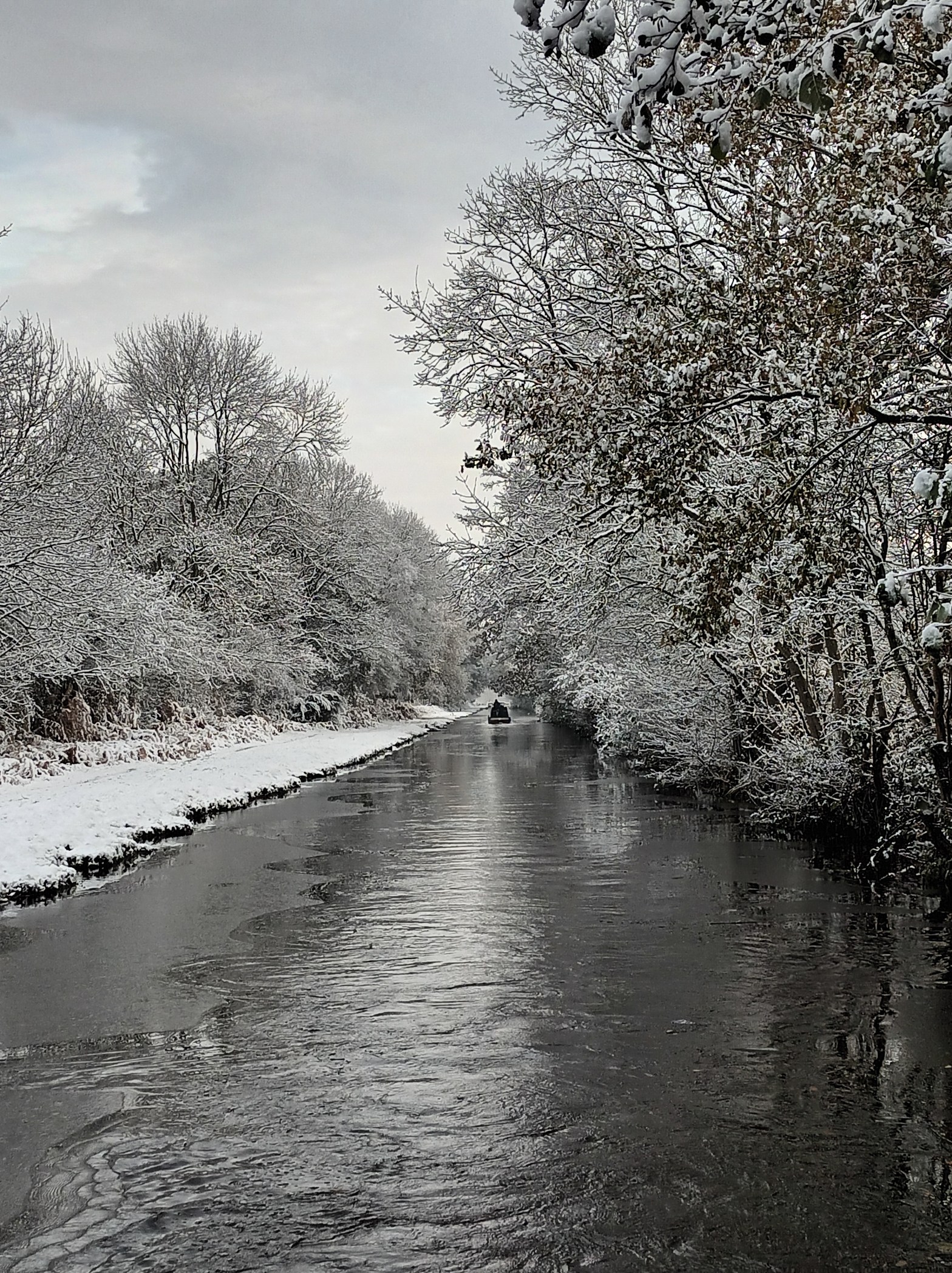
What a week – snow, ice, frozen ropes, rain, fieldfares, owls, kingfishers and fantastic community spirit.
Living afloat on England’s inland waterways makes us much more aware of that archetypal English conversation staple – the weather. We live in it much more than we did amid bricks and mortar. Winds buffet the boat, sometimes gently, sometimes violently; the clatter of rain on our metal roof has us racing to close the hatch and cratch; and sunshine brings us out like flowers to bask in warm rays. This week though we have encountered little of the sun amid much other weather!
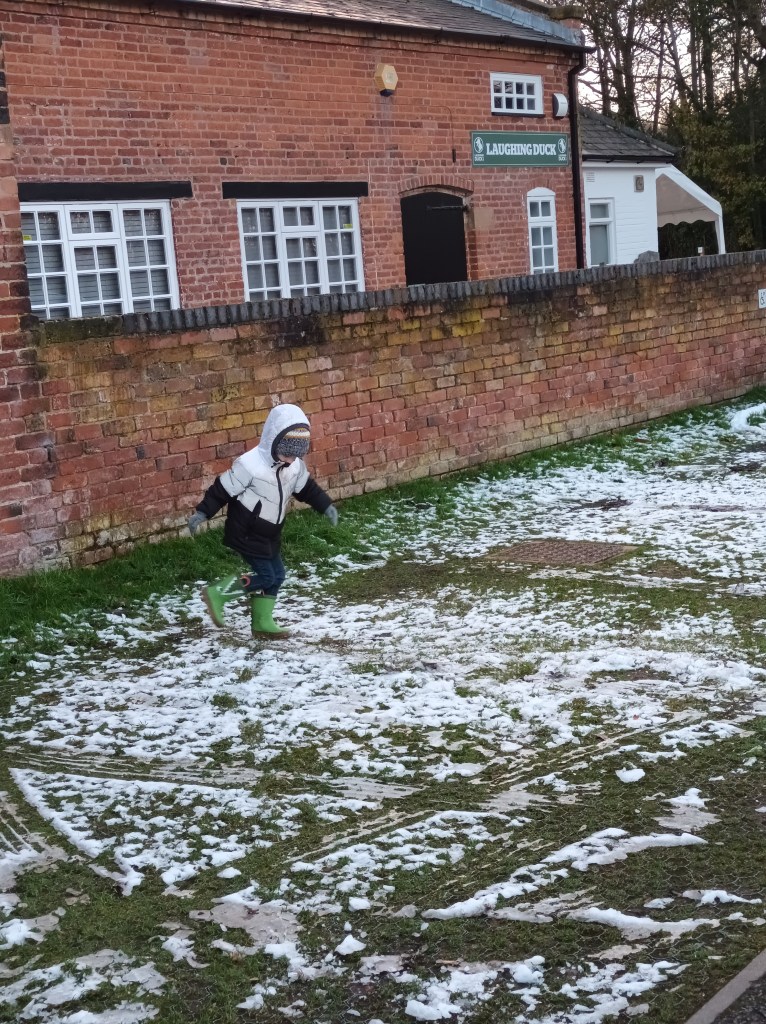
Saturday morning I awoke to Steve suggesting I might like to look outside. The forecast had been for rain and possibly some ice. We were planning to join friends at a local parkrun and my enthusiasm for the run bit was already running low when I went to bed the night before. To see a carpet of white laid out always makes me feel like a small child. I rushed into clothes and boots and with the dog as eager as I, headed out with glee. It was sadly slushy under the pristine top layer, but within minutes it was snowing again.
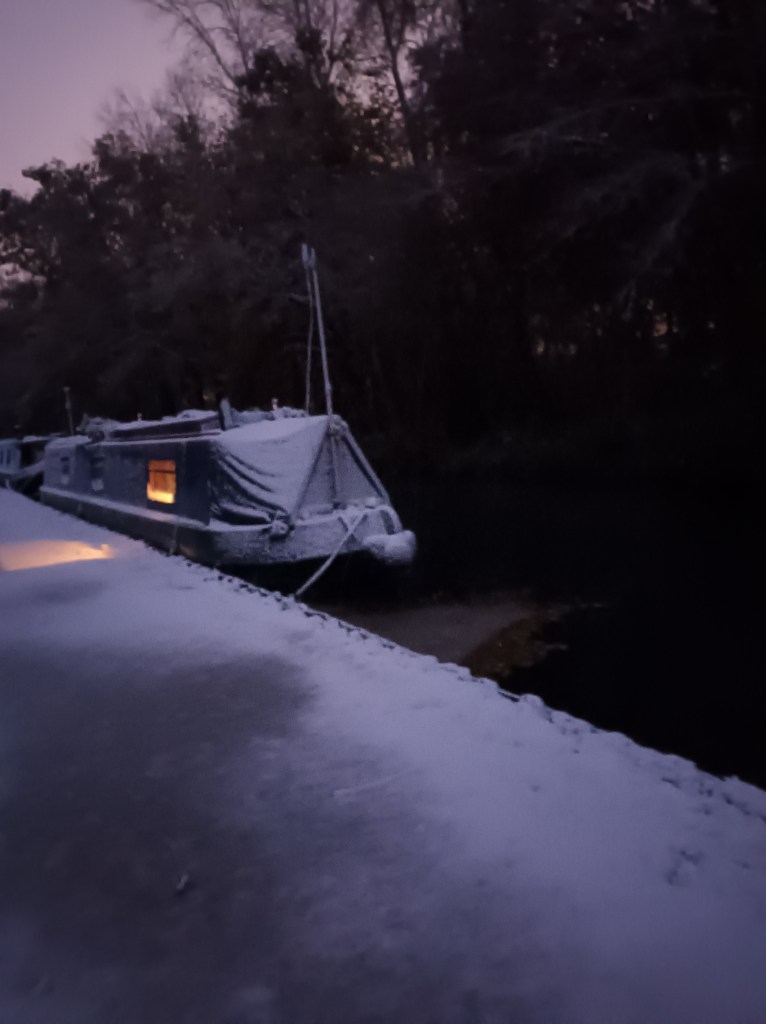
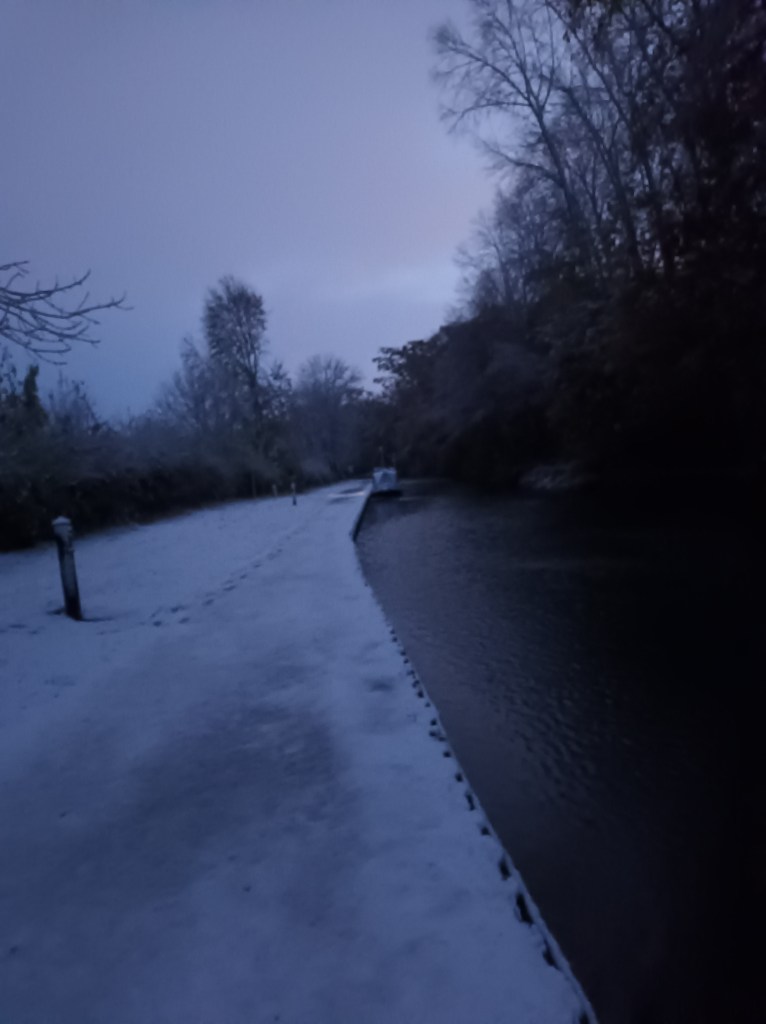
It continued on and off through the day – we made it to within a mile of parkrun before it was cancelled but we did a bit of shopping and exploring areas unknown to us before picking up a small crew member from a no-snow zone and bringing him back for the night. Delight was written large when we got back to the boat and found enough snow for a (very small) snowball or two. Next morning saw less snow but a crisp covering of ice. Puddles begged to be slid on, and the usual dog walk was a great adventure with ‘skating’ and snowballs. The woods were crisp but far from white.
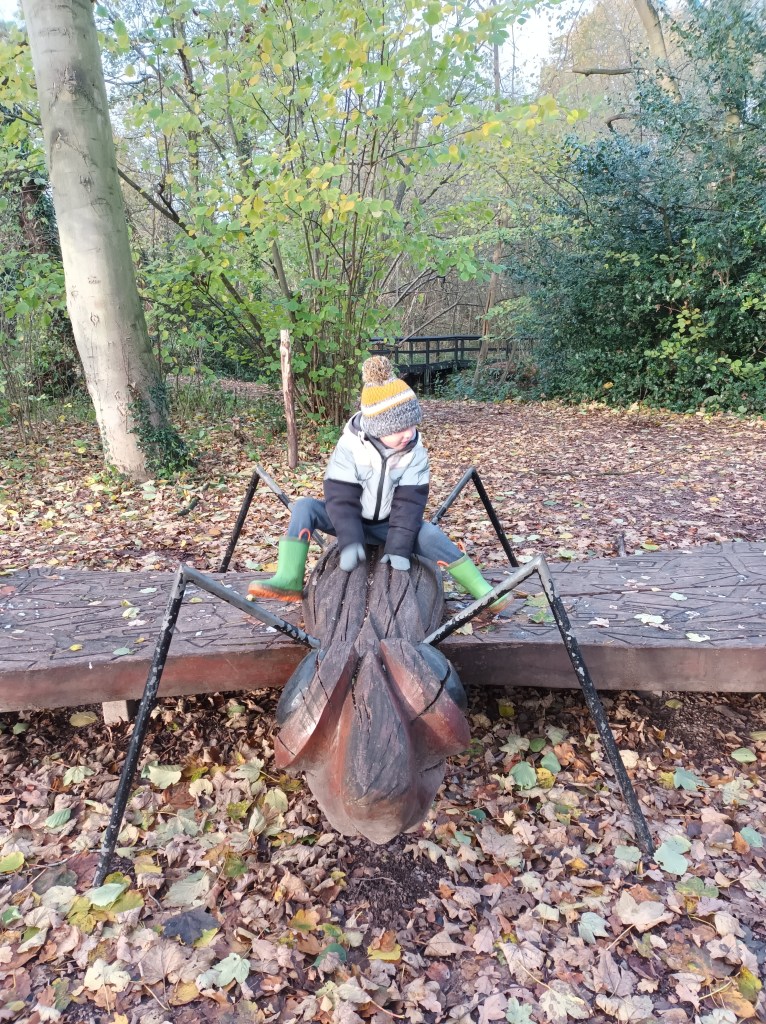

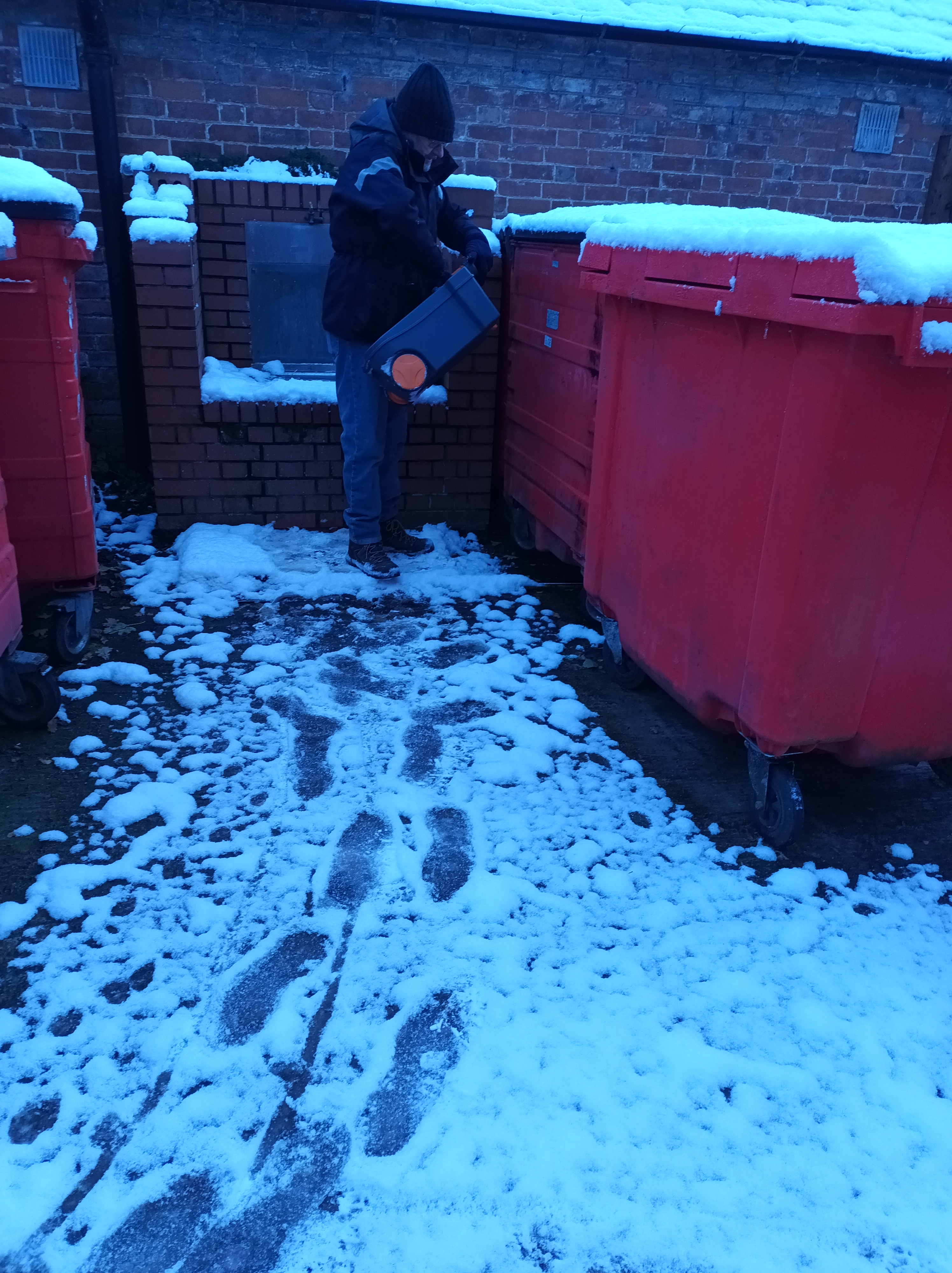
By Monday morning when we were back to normal crew numbers and aware we needed to head off from our two day mooring at Fradley Junction. There had been more snow overnight, with no sign of thawing. Emptying bins and loo cassettes was a chilly business – the water to wash out the latter had frozen by the Elsan point but we with the help of CRT staff we managed to find running water nearby.
They told us the snow was much heavier where we were heading, and that a tree down on the most southerly point of the Trent and Mersey Canal at Wood End had been cleared the day before. So forewarned, we prepared to set off.
Getting the boat from its mooring took numerous kettles from the stove to thaw the ropes enough to untie them! The fenders too needed thawing from the metal piling before we could leave.
The thin ice on the canal cracked and scrunched as the metal hull of the boat broke it up. Metal on bridges and locks stuck to my gloves, pulling the lining from one through existing rips, and the anti slip surfaces to cross the locks were covered in crunchy snow.
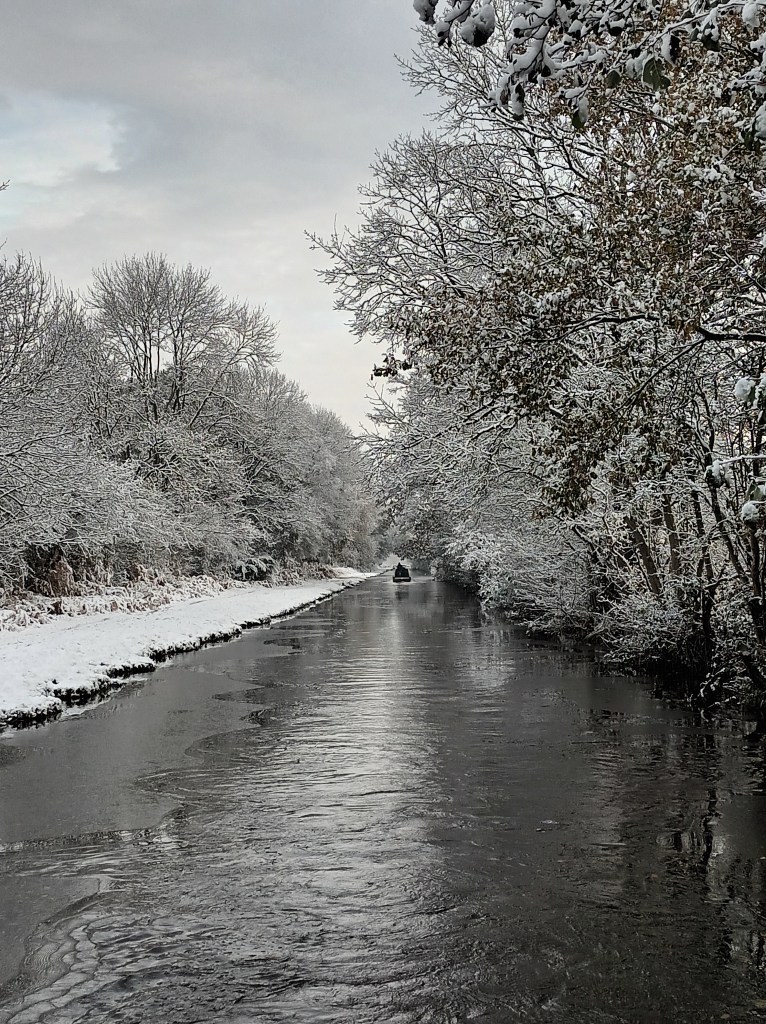
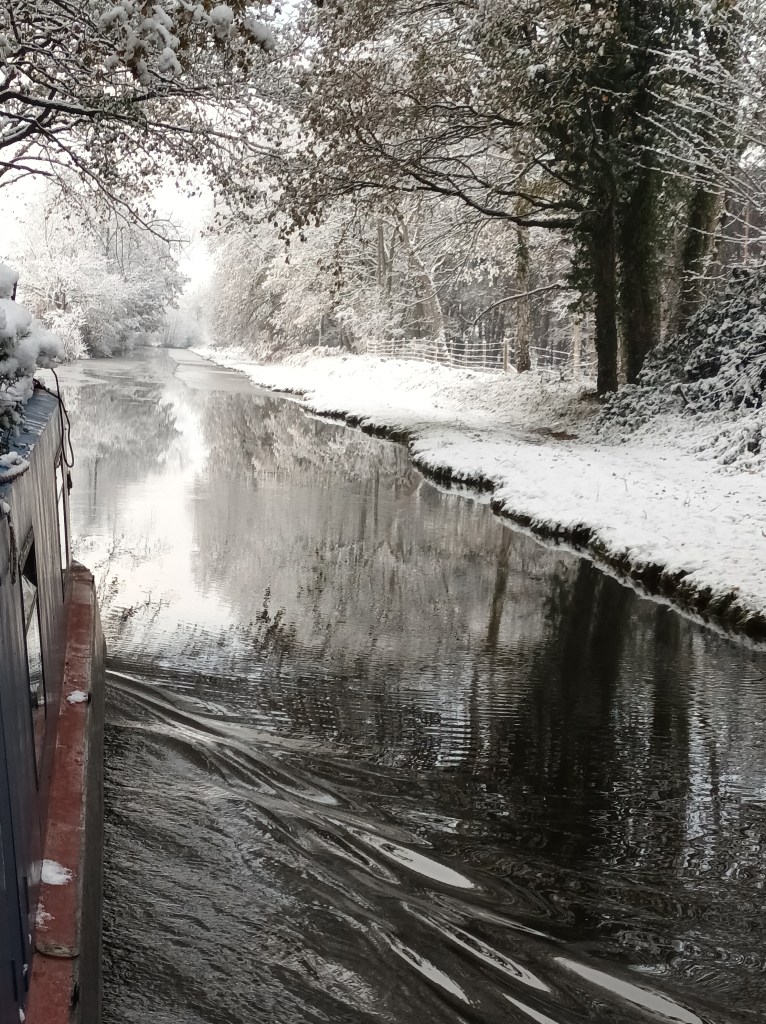

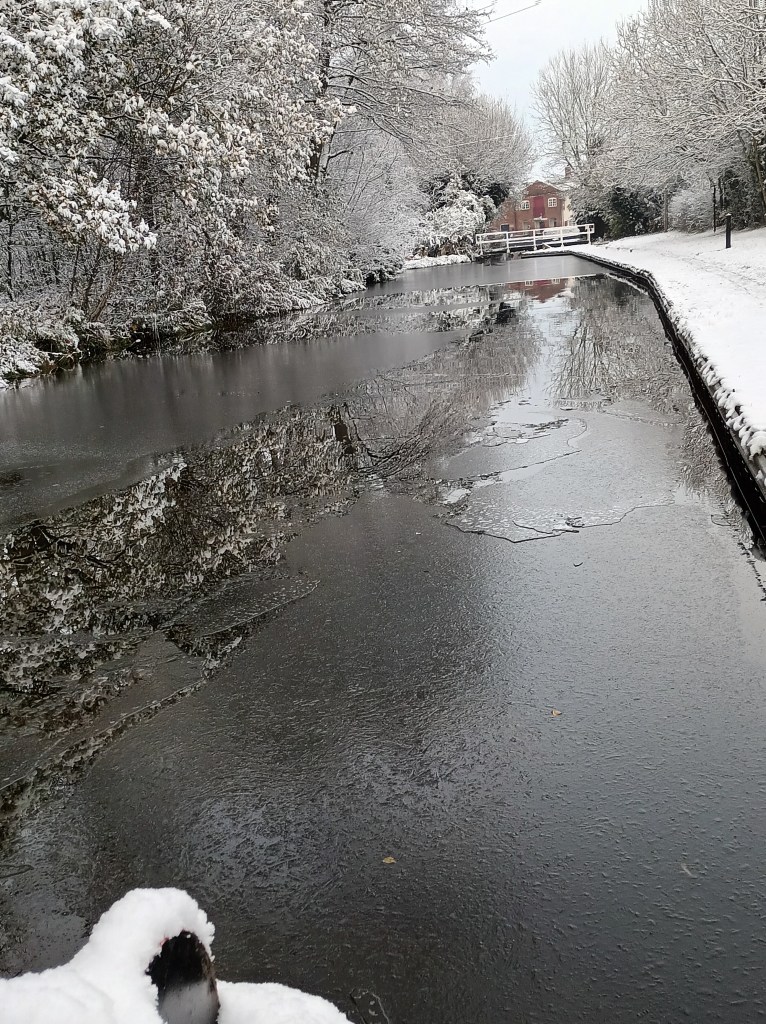
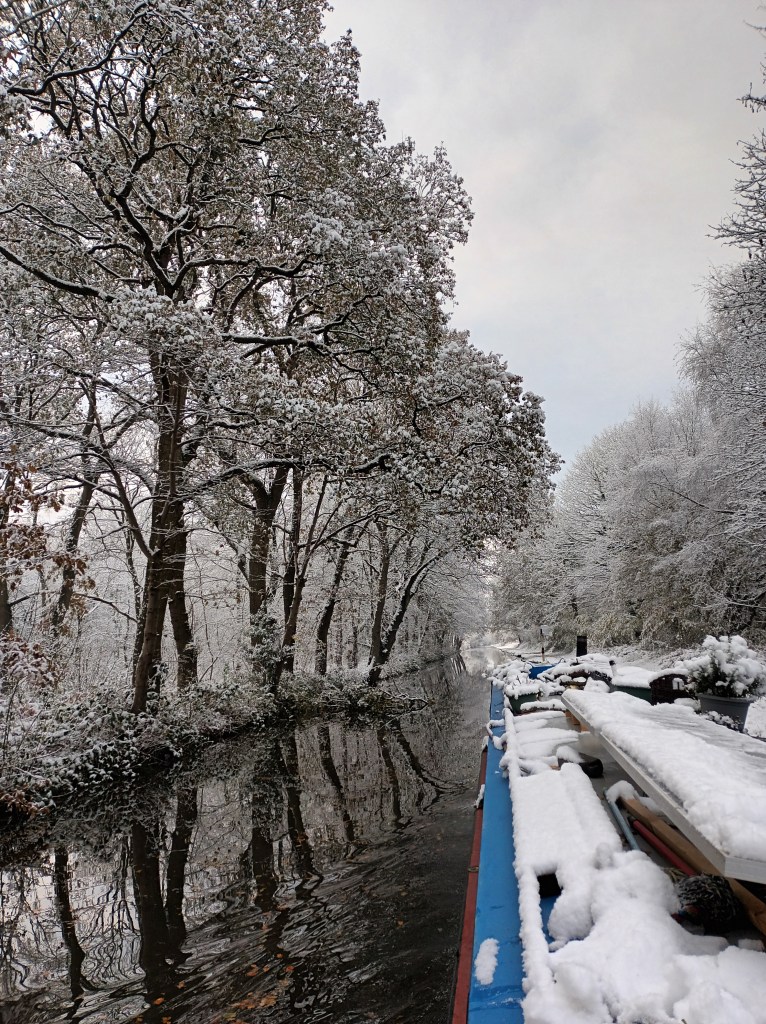
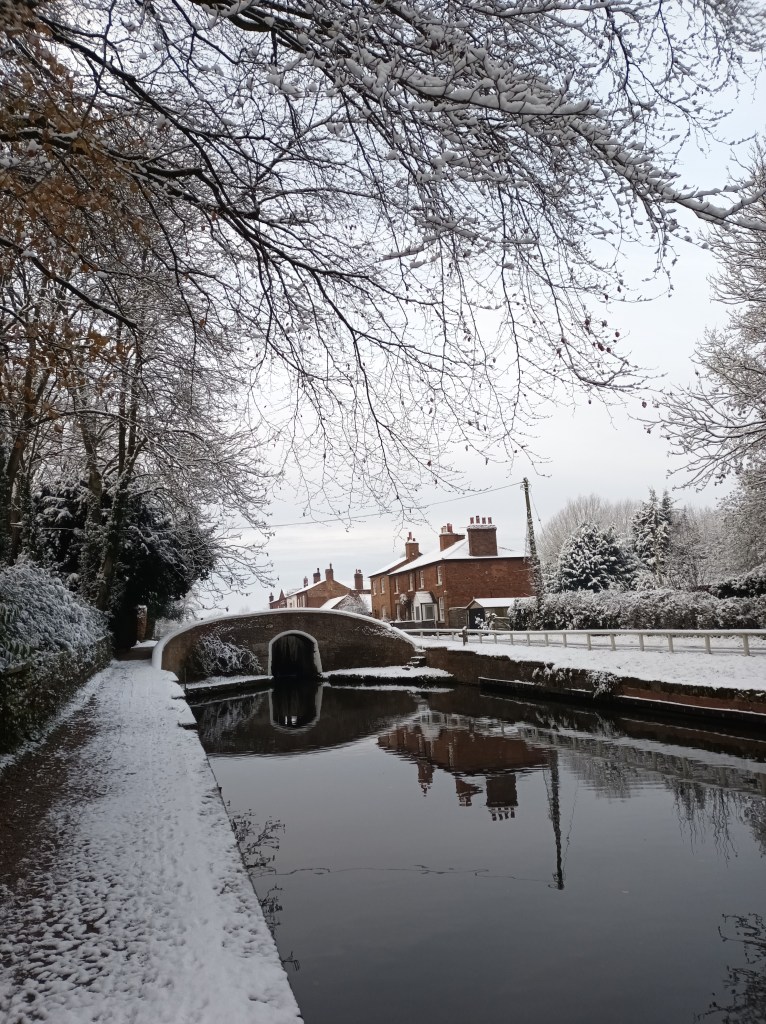
Travelling from Fradley Junction was magical at first. We seemed to be the only ones moving and we slowly made our way from the Coventry Canal through a swingbridge, onto the Trent and Mersey and through the first two locks. Thanks to CRT staff for thoughtfully setting the second lock for us before we got there.
We then encountered others on the move, and were reminded of the advantages of safety in numbers. Woodend Lock comes just after the most southerly point on the Trent and Mersey Canal. It used to sit, as you might expect in wooded isolation but now sits overshadowed by swathes of desolate land cleared for HS2 emblazoned with red and white trespassers keep out signs.
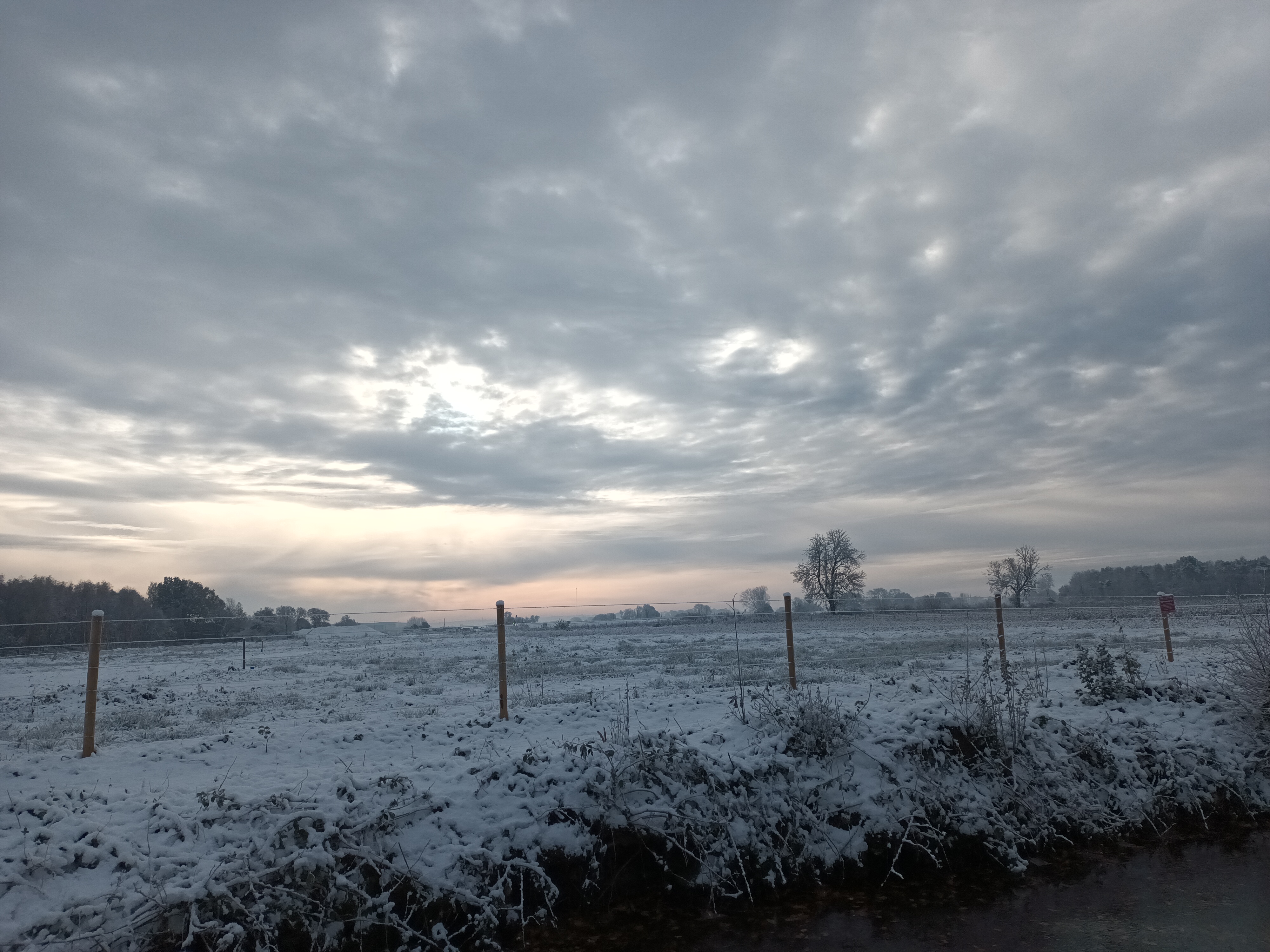
Last week the canal was shut above the lock after a tree came down and blocked the navigation. It was rapidly cleared (along with many others Storm Arwen brought down) but whilst the trunk and major branches were piled on the side, leaves, twigs, and the general detritus that falls from a large tree creates a floating ‘soup’ within the canal which takes time to dissipate and disintegrate.


It creates problems for navigation – it clogs the prop so the boat isn’t being moved through the water. Steering becomes a nightmare, and locks compound it. Locks allow boats to travel up and down hill by a series of gates. Open one, let the boat in, adjust the water level inside and then let the boat out. As you open the gates if this soup is around you let it in, it clogs the boat and there’s difficulty getting the boat to move out. Our net comes in handy for trying to fish some of it out.
At Woodend Lock we ended up moving 4 boats (including ours) in and out of the locks by hand using frozen ropes. It was much easier with more of us – had it just been the two of us we would only have had one boat to move, but it would have been hard. More hands made light work and also provided a chance for a chat. When you’re all in the same situation (can’t say same boat!) people rally round, united in a common understanding and goal.
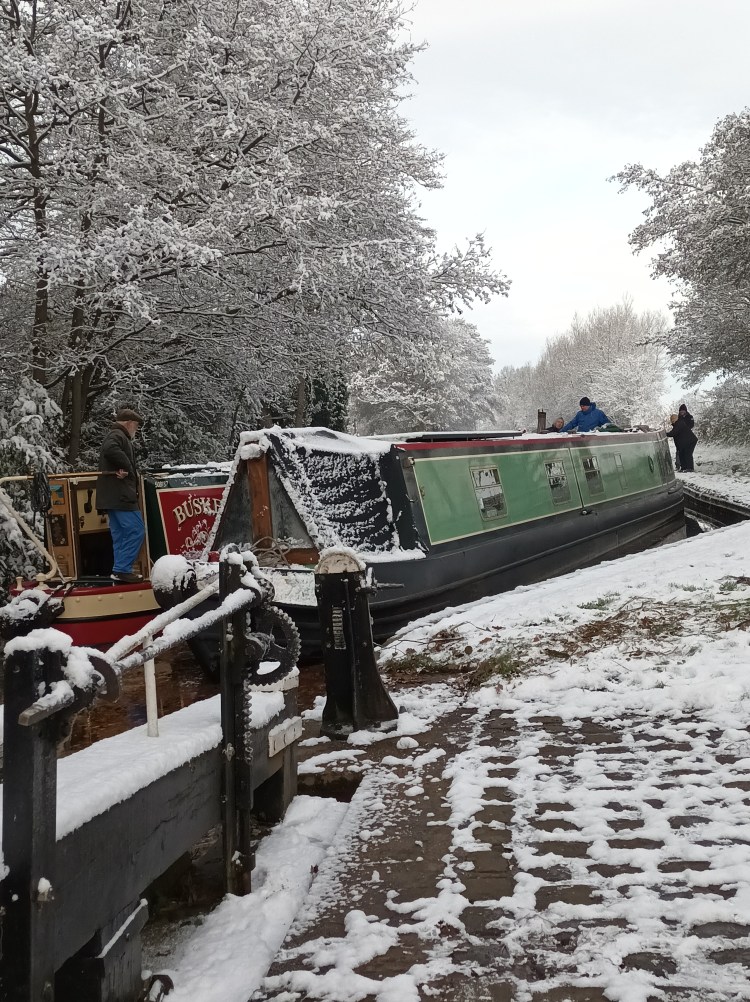
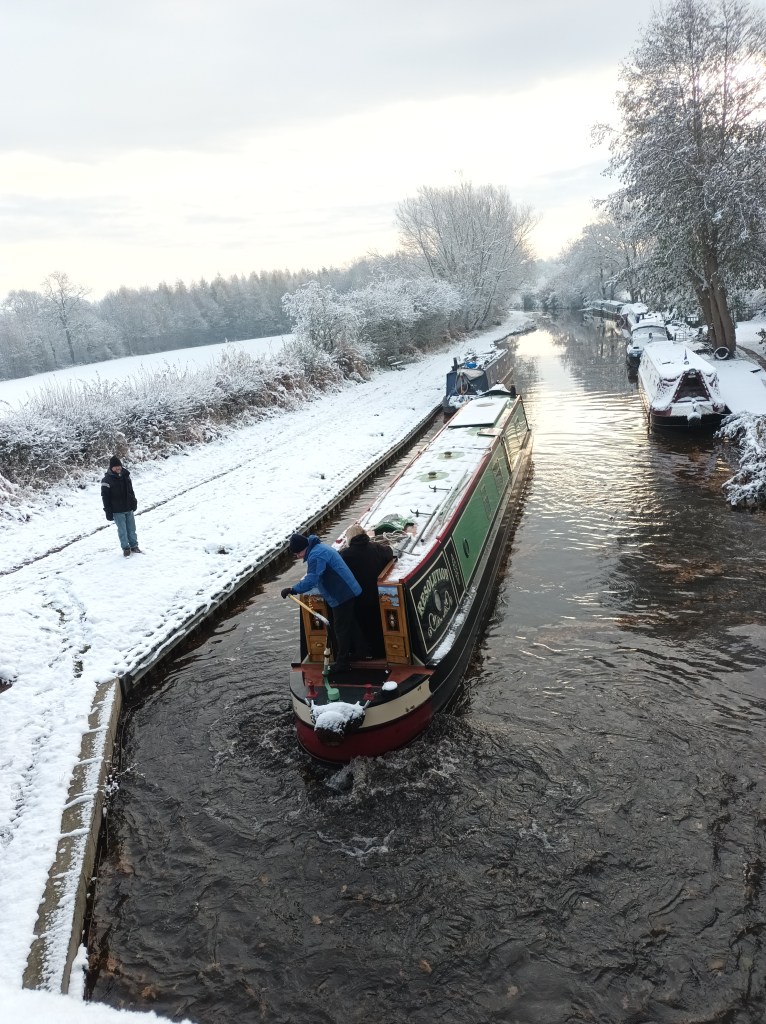
Once through the lock judicious use of reverse gear at times gradually dissipated the clogging soup, and we were able to move on. It was though a problem we encountered at our next four locks, although not as difficult to deal with as the Woodend one.
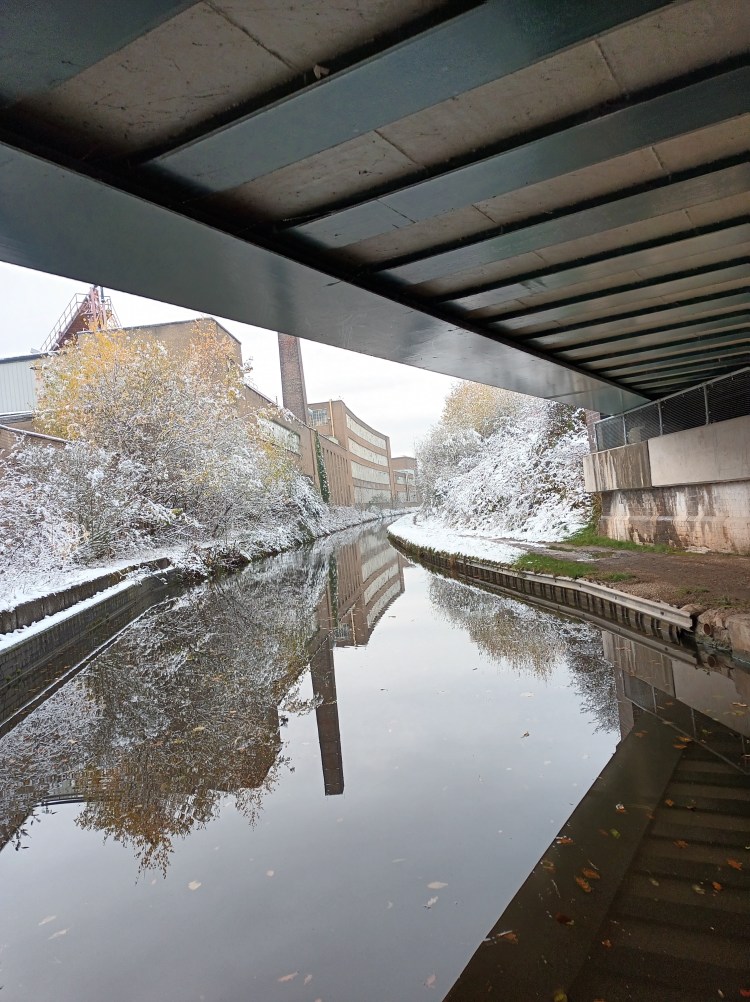
Steadily we made our way past the eyecatching Armitage Shanks/ Ideal Standard factory at Armitage, reflected in the glassy canal, through the narrow former Armitage Tunnel with me walking ahead of the boat to check no one was coming the other way, to moor at Rugeley conveniently between Morrisons and Tesco! Not the most beautiful mooring but undeniably useful.

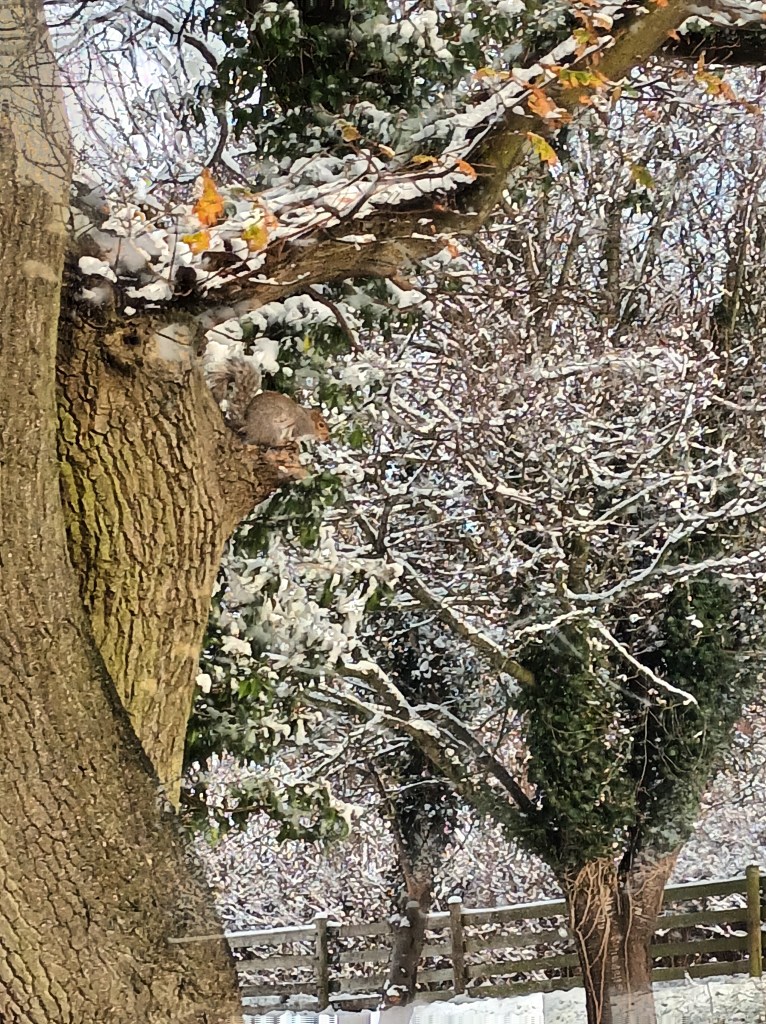
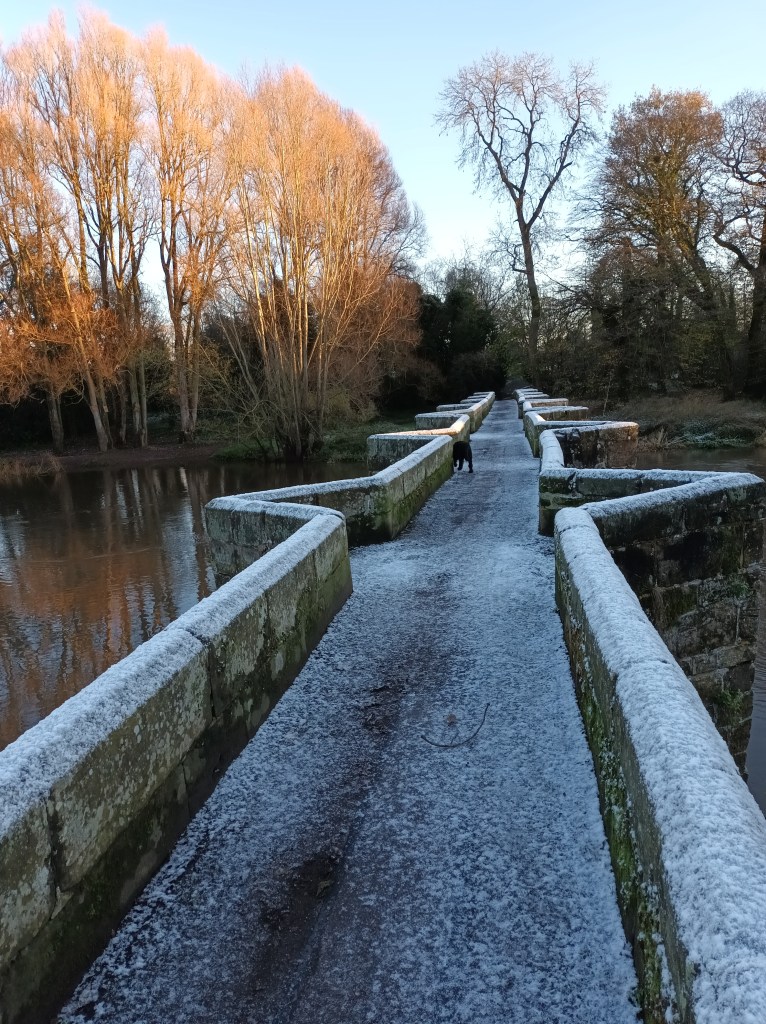
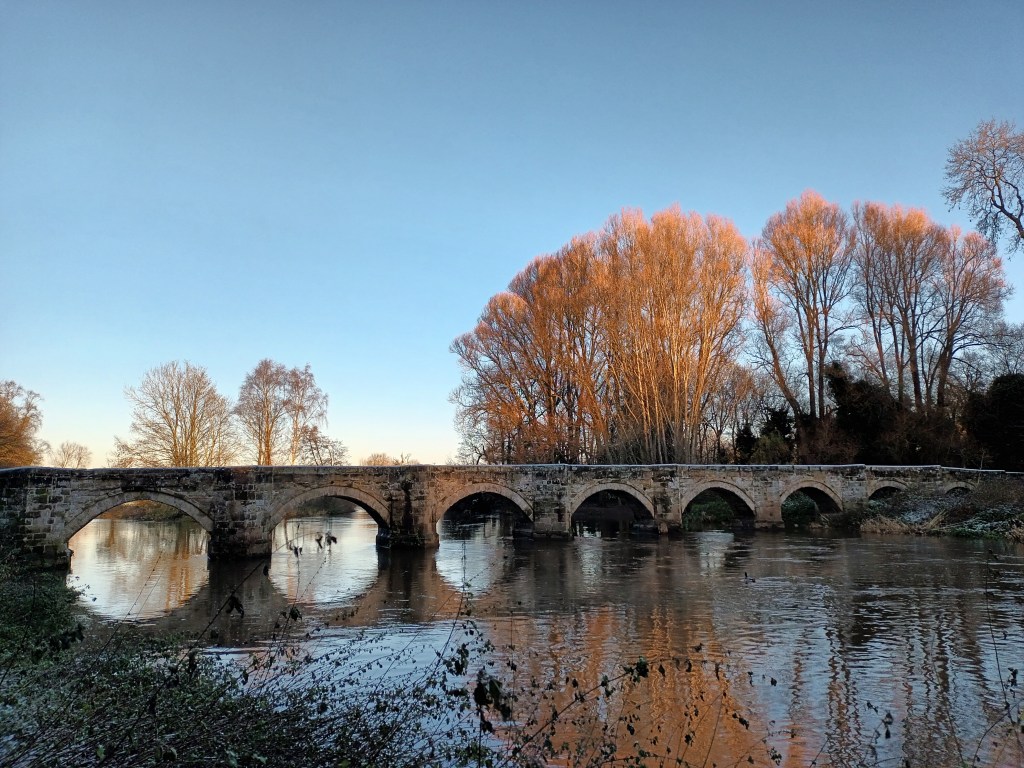
By the next morning there wasn’t a flake of snow or a frozen rope in sight as we made our way out to Great Haywood to moor alongside the neo-classical mansion of Shugborough Hall. From our mooring we can walk just across the famous Essex Bridge, across the River Trent which is joined by the River Sow just upstream. This is the longest remaining packhorse bridge in England with fourteen of its original forty round span arches left. It takes us straight into Shugborough Park much to the dog’s delight.
We did a very short early morning move before work to get improved internet signal and it proved a delight – kingfishers darting like vivid turquoise arrows above the dark waters, and posing in the trees but still I haven’t managed a decent shot of one despite their generosity in posing! There seem to be many around us but perhaps it is just that they are so vividly apparent against a wintery, often monotonal backdrop.
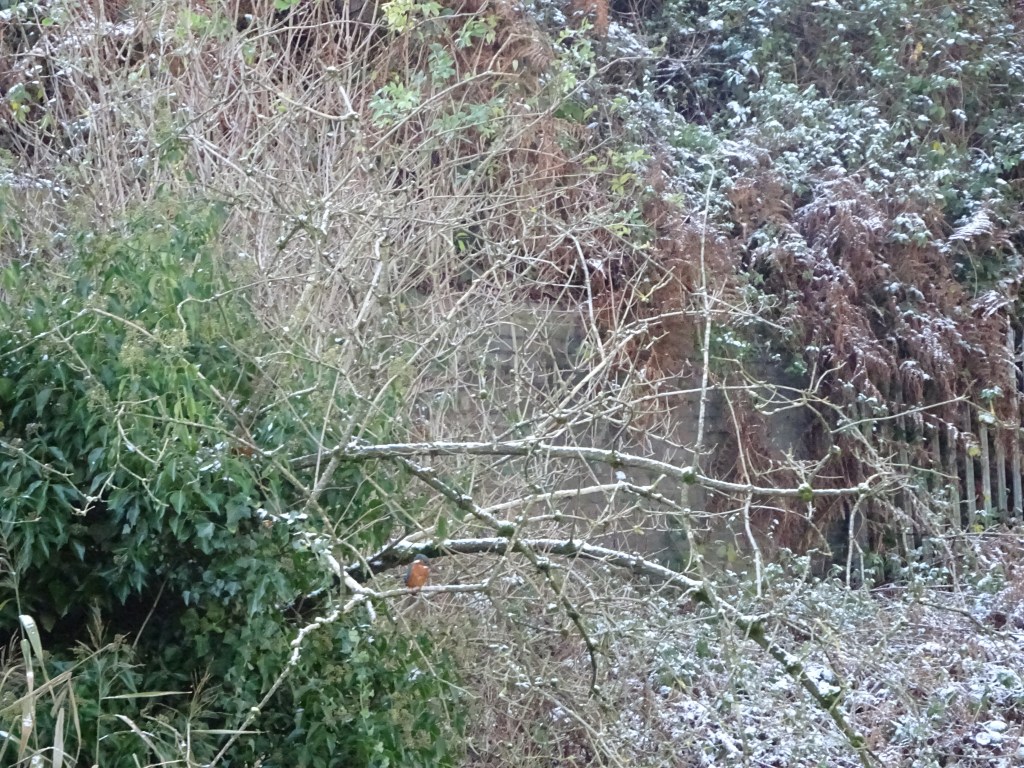
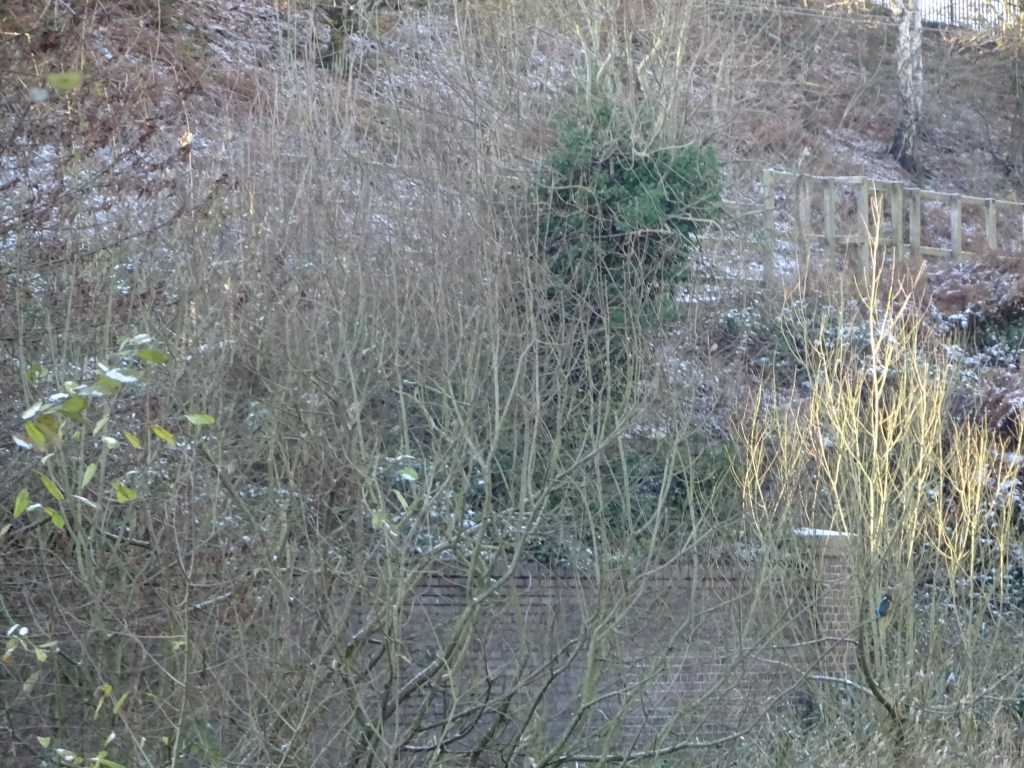
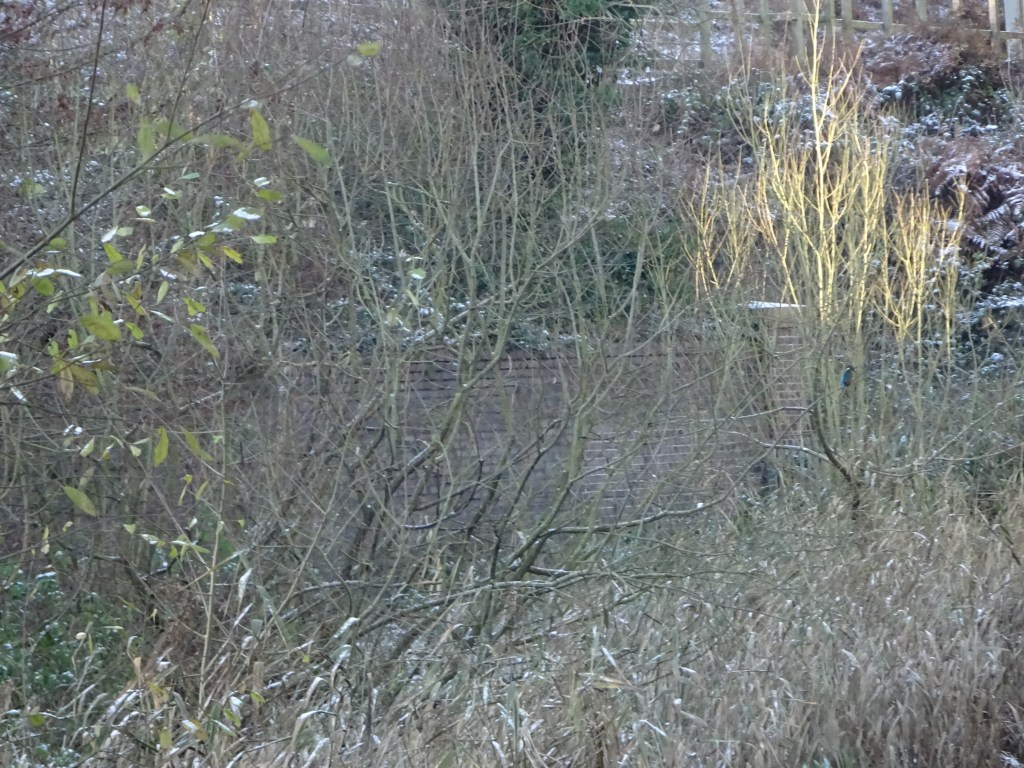
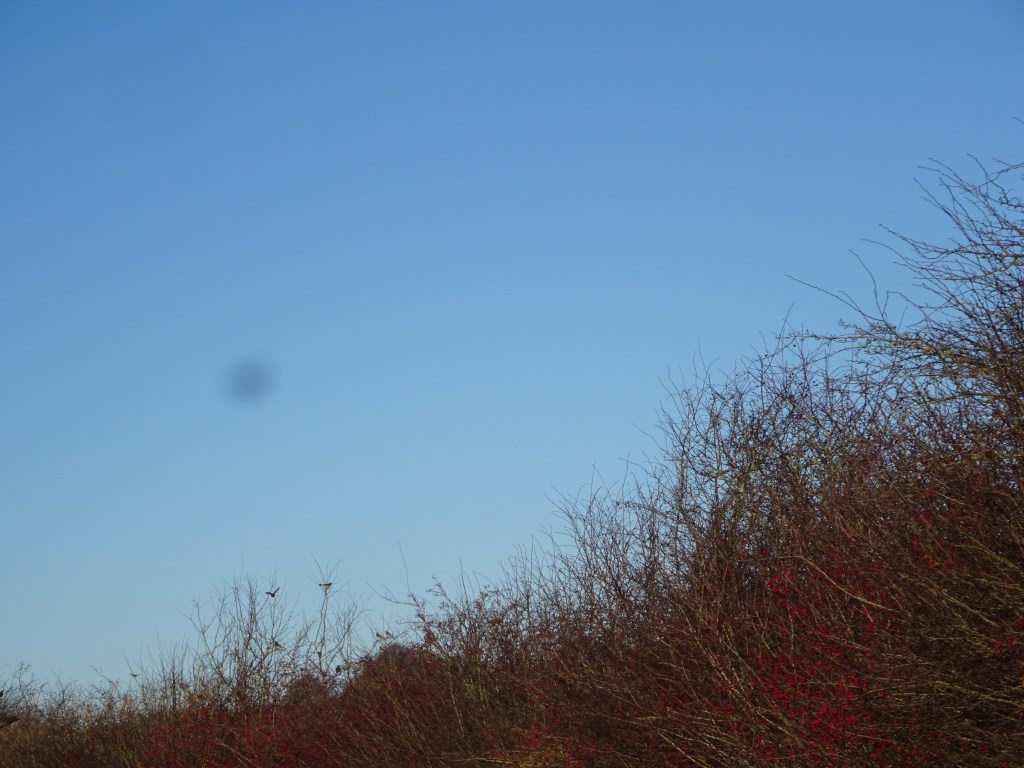
Between work the view from the side hatch is uplifting. I look up from the computer to trees and birds. As we walk or cruise it’s not only kingfishers that are so apparent but fieldfares, like large colourful spotty thrushes, rise in clouds from among the red berries of the hawthorn bushes alongside the canal.

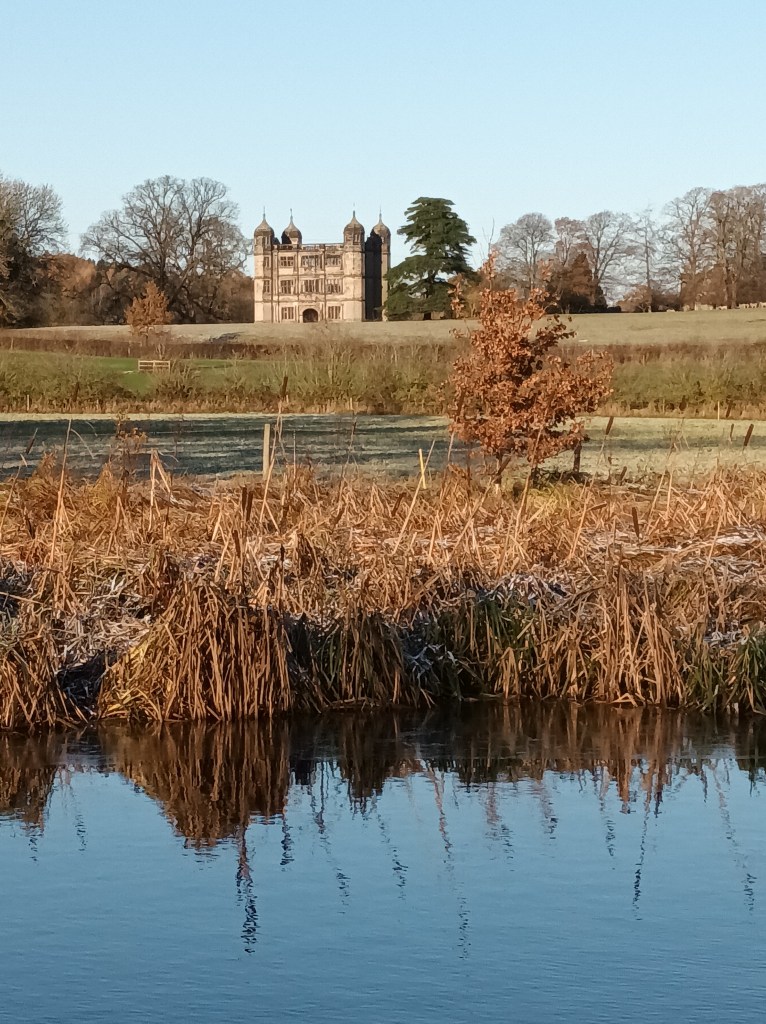
We’ve moved on again now, turning under the Haywood Bridge past the moored boats of the Anglo Welsh hire fleet, and out into Tixall Wide which lives up to its name. The Elizabethan gatehouse of the former Hall overlooks the Wide which was orginally created to provide a better view for the Hall owners. Now it creates a paradise for wildlife, even if it does feel as a boater that you’ve suddenly gone to sea!


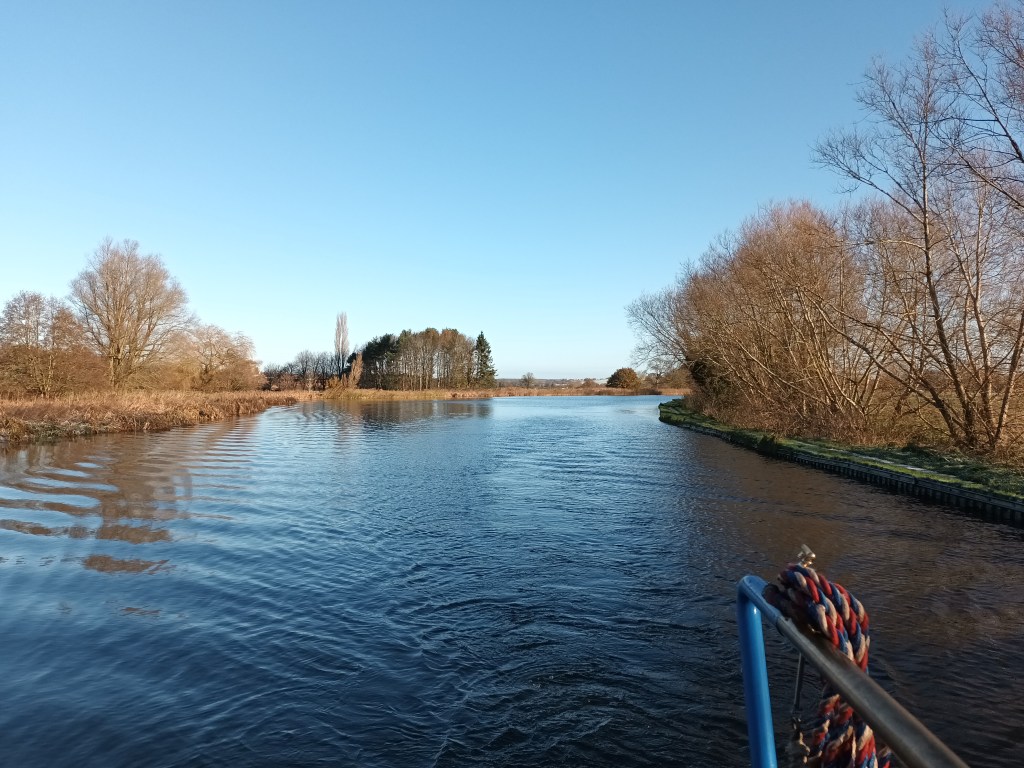
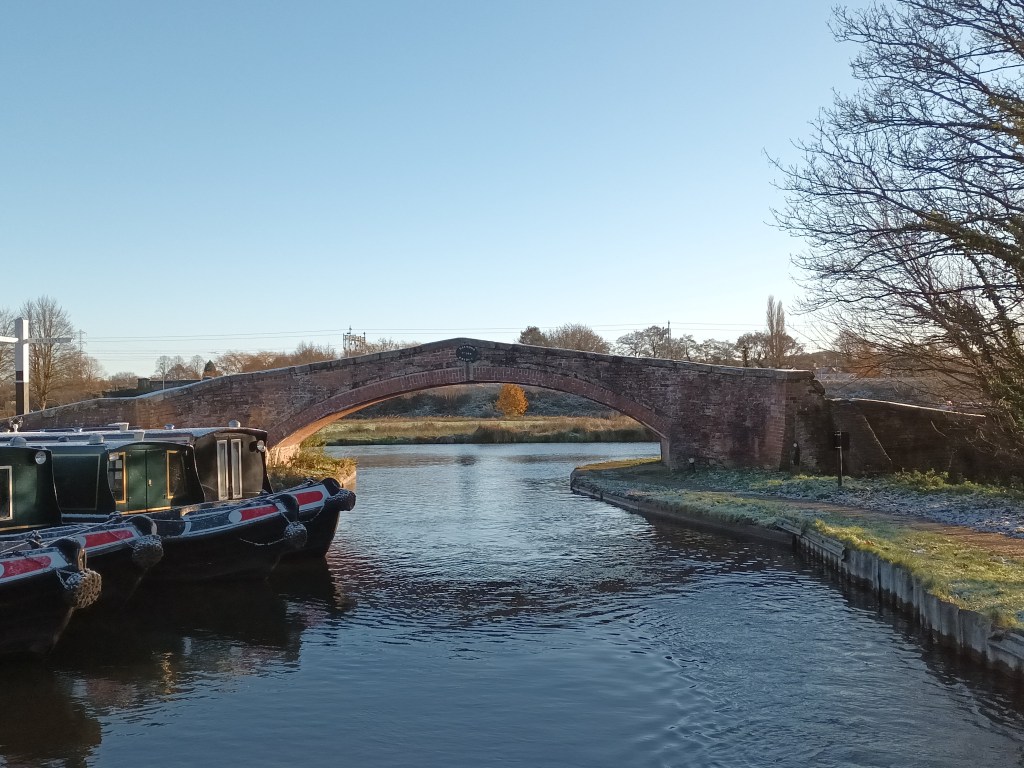
Living afloat allows us to discover and explore these remarkable places, to be closer to nature and the seasons, and to have a heightened awareness of their importance as a rich and vibrant backdrop to our lives and work. I work from my computer with ever changing views and alongside the comforting heat of the 24/7 working stove. This really is work-life-balanced.
Hope your week has been as memorable and beautiful as this one’s been for us.
 Pickingupducks
Its so easy to look at your photos each day Deena and think how beautiful everything is and how lucky you are, both of which are true! Even though the day to day reality is a bit different, your acceptance of the challenges presented and your resolving of them, has its own beauty……and such a wealth of learning opportunities!!
LikeLiked by 1 person
Thank you Suzanne – this life has its challenges and often involves sheer hard work which living in bricks and mortar does not. The rewards though are immeasurable.
LikeLike