There is little as rewarding for mind and body as a foraging stroll, ideally for me with a dog, along towpath hedgerows.
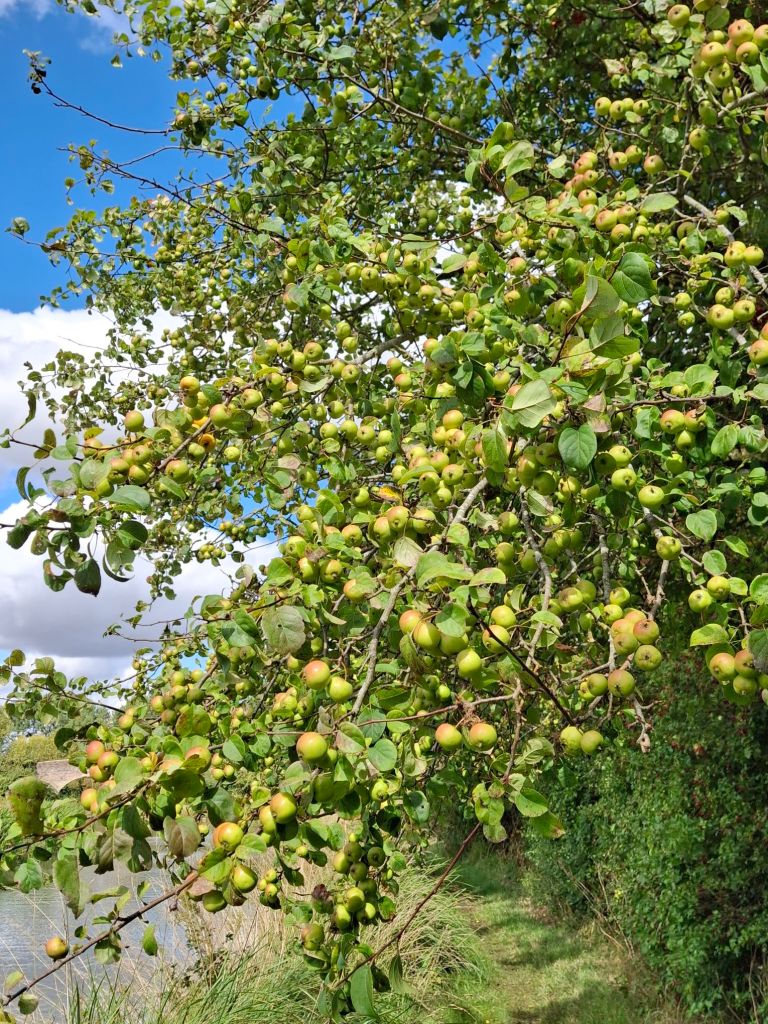
This year despite the drought, many fruits are early and so plentiful boughs are groaning under the weight and sweet scents accompany every walk. Gleams of orange, red and purply black signal ripeness and plenty ready for the taking.
It is easy this year to stick to the foraging code of only taking a maximum of a third of the available finds leaving plenty for wildlife and future propagation. Even so, the beautiful cupboards on the boat built for us by the brilliant Ben of Holm Oak Trading, are already brimming with delights. We are running out of bottles and jars, and still the fruits beckon us to use them every time we step outside.
So what have we found and what are we using already?
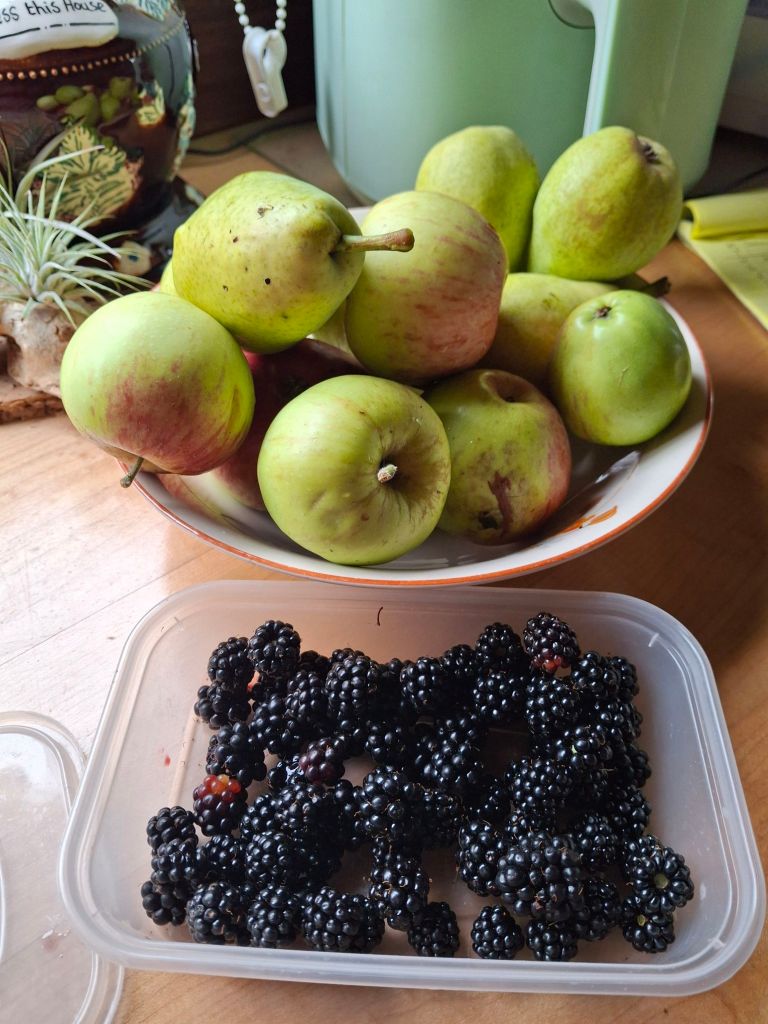
On our way back from Bath we picked green walnuts, blackberries, damsons, Mirabelle plums and bullace. Since then on our last three moorings we have found apples and pears and in the past couple of weeks at have been preserving rosehips, sloes, crab apples, elderberries and blackberries to see us through the winter and into next year. Jars, bottles, fridge and freezer have been commandeered to cope with the glut on offer. We have gorged ourselves on fruit crumbles and enjoyed fresh fruits on cereals, as desserts and just as treats.
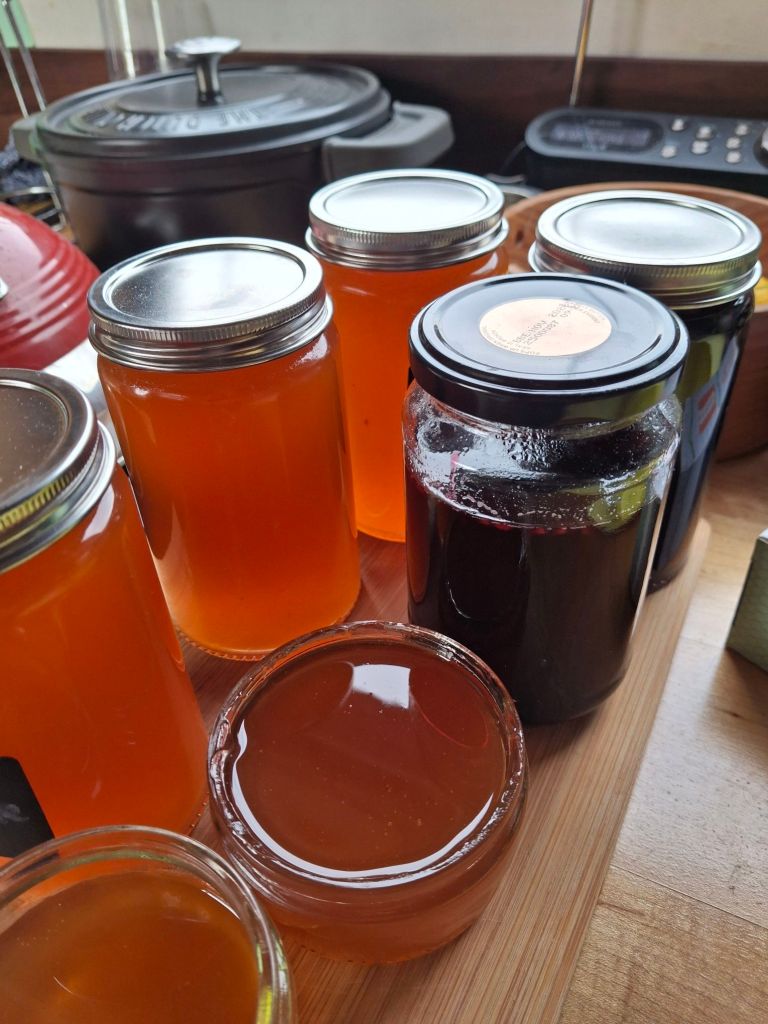
The satisfaction of simply walking the dog, collecting fruit as I go, returning laden with goodies and spending a few hours turning them into jams, jellies, gins and sauces is immeasurable. Every time I look at the labelled jars and bottles I feel a joy that exceeds the reduction in the shopping bill. It is something to do with returning to simplicity, being part of a centuries-old tradition and keeping skills going.
Living afloat means we live in an historic tradition in part. Our boats now have horsepower of a different type with mechanical engines, our boat interiors house modern floating homes carrying comfort not cargo, but the past is part of our daily lives. Knowing we walk the towpaths treading in the hoofprints of the horses which pulled the boats, passing the worn grooves in the metal rubbing strips saving bridge stones from the wear of the ropes, using the locks and swing bridges boaters have manipulated for centuries, brings us into direct daily contact with the past.
Making the most of the free harvest on offer along the towpaths is another thing we share with previous generations, whether they were boaters or not. I remember my grandmothers pantry in autumn, shelves groaning with bottles and jars. Each labelled in her spidery hand, telling of a makers’ pride. Some of the things she made I don’t, and wouldn’t have a clue about, the space for or the desire to eat – pickled eggs for one. But there are many things I have made this past week that have a strong connection to those laden shelves of my memories.

Rosehips, those vibrant orange-red oblongs scattered along the hedgerows, beloved of small boys for itching powder because of the tiny irritant hairs within them, were discovered to have 20 times the Vitamin C of an equivalent quantity of oranges. When citrus fruits were scarce in the Second World War, the Ministry of Food exhorted women in 1943 to collect them and bottle a rosehips syrup to keep them and their families healthy.
I have been collecting them this week and combining them with crab apples to create a luscious golden jelly that has a sweetness with a tart edge to it.
Crab apples are very versatile, which is good this year as they are everywhere. The round or oval fruits, sometimes green, sometimes flushed with red are ready when they start to fall, and quite frankly they are falling so thickly that they are ankle breakers for anyone running down the towpaths near us at the moment.
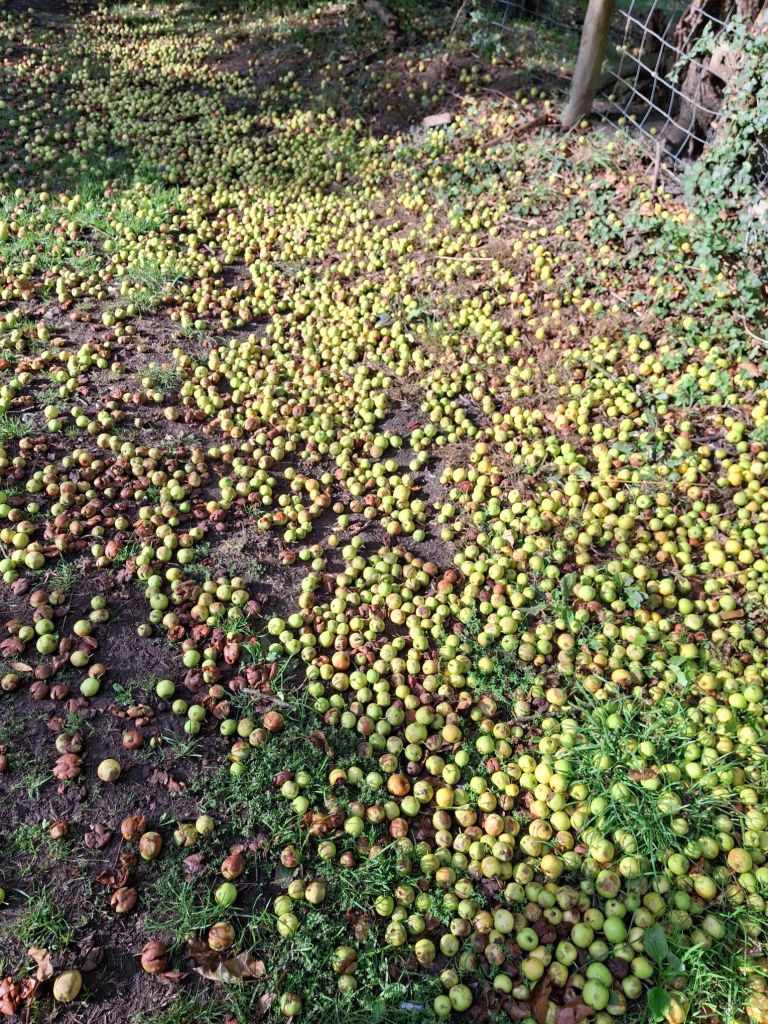
They have so many uses – for jellies, wine, apple butter, or as a tangy addition to crumbles when combined with ordinary apples.
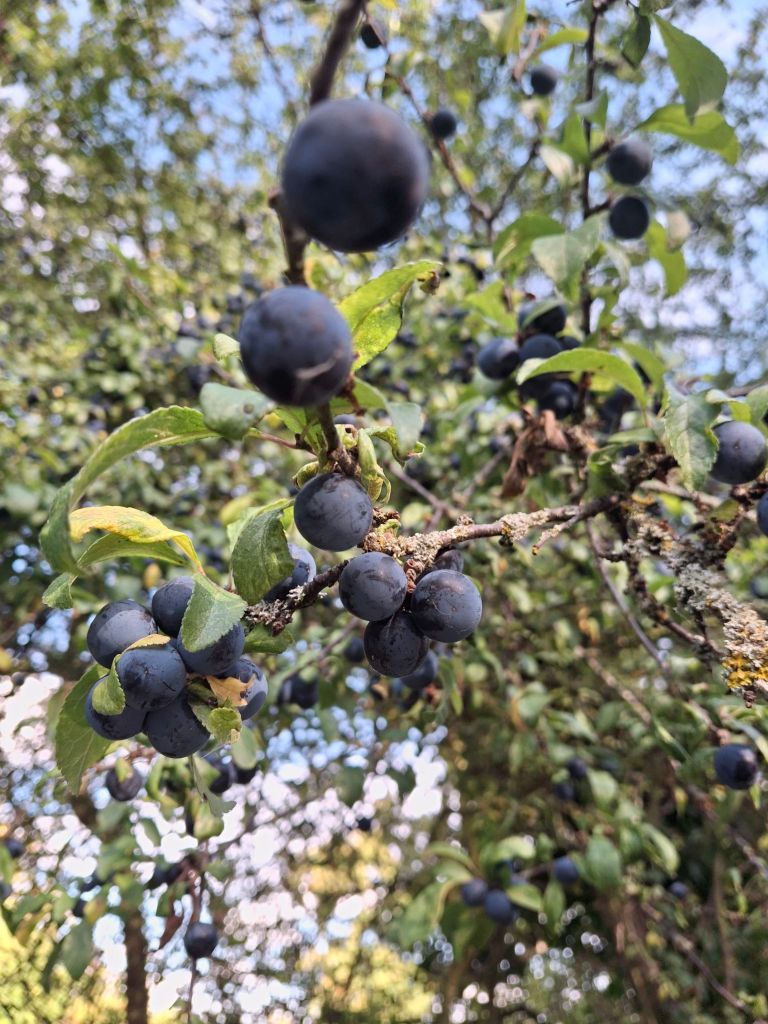
Sloes, the fruit of the blackthorn with their gleaming purple-black polished skins have found their punctured way into gin to make sloe gin that should be ready for Christmas and beyond (if the bottles last that long!). It is important to make sure they are sloes – and the thorns easily spotted on the older wood of the tree will help correct identification.
Blackberries and elderberries have merged into a hedgerow preserve, thst makes an absolutely delicious sauce for desserts, ice creams and cereals. Cutting or pinching the clusters of elderberries from the tree and then taking them from stems with a fork is a simple, repetitive and meditative process. Green or spoiled berries find their way through the swan hatch to the waiting ducks, swans or fish. Nothing is wasted.
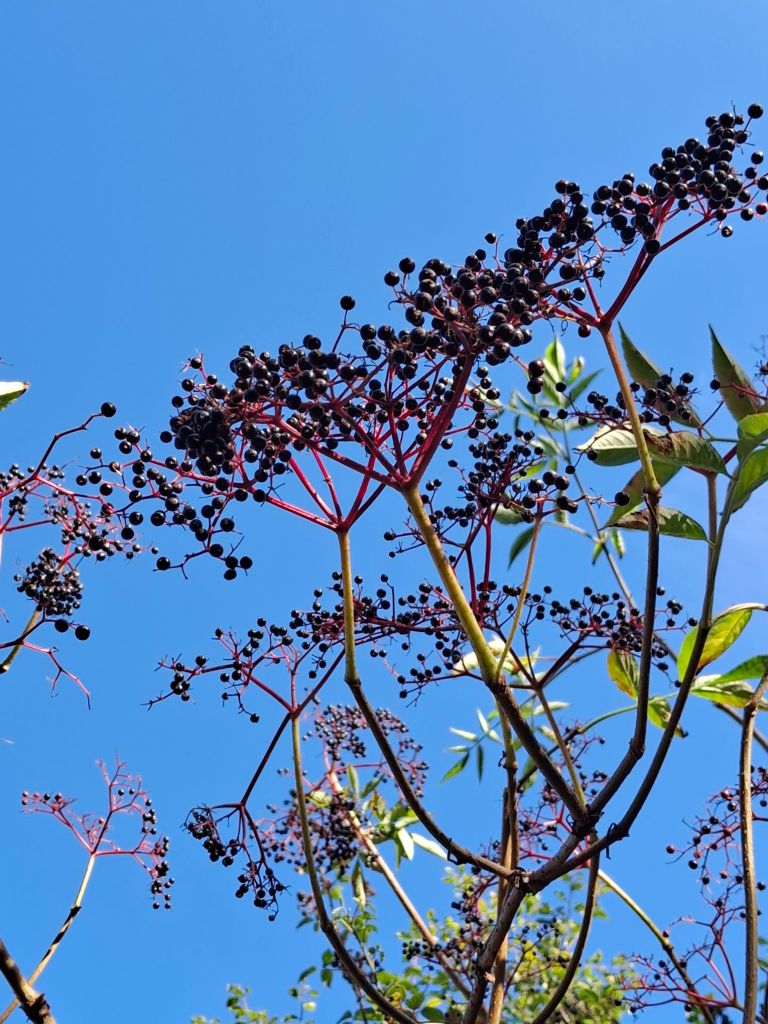
There don’t seem many elderberries near our current mooring this year. Perhaps there were so many flowers early in the season that many people were out gathering them for cordials and wines, resulting in fewer berries, but maybe the birds have taken more than their fair share too. On the offside of the canal are elderberries and the blue tits, coal tits, robins and blackbirds are feasting there every day. They are welcome to those – out of my reach and a pleasure to watch them all taking their turns at the sweet black berries.
If I have time next week , shall look forward to experimenting with fruit vinegars of blackberries and crab apples, and making some fruit leathers, another excellent way of preserving fruit. Any other ideas would be gratefully received.
I’ve always thought I don’t have the space to make wine, but if you make your own wine, do you find it takes up a lot of space? Is it something you would recommend, and if so, what foraged fruits do you use?
The satisfaction of foraging and of making are two separate delights, which are then added to by the joy of consuming or giving away the items made from the hedgerows. This week, the local dogwalker who pointed me in the direction of rosehips was delighted with a jar of rosehip and crab apple jelly. Giving is good, and when the fruit is free, it is really a gift of love and labour.
 Pickingupducks
Such a lovely reminder of how foraging connects us back to nature and boosts well-being truly inspiring! For a related take on how certain foods can influence energy with minimal calories, here’s a read: https://www.shemed.co.uk/blog/what-are-negative-calorie-foods
LikeLiked by 1 person
Thank you for your comment and this link
LikeLike
Love this! Foraging sounds so peaceful and rewarding, plus it’s amazing to see the jars of homemade jams and sauces at the end. Great tips for enjoying nature and fresh food at the same time. More like this at (https://www.shemed.co.uk/blog
LikeLike