It has been perfect weather for messing about in boats, but if you don’t have a boat as I haven’t this week being off house sitting, walking the canal towpaths is almost the next best thing.
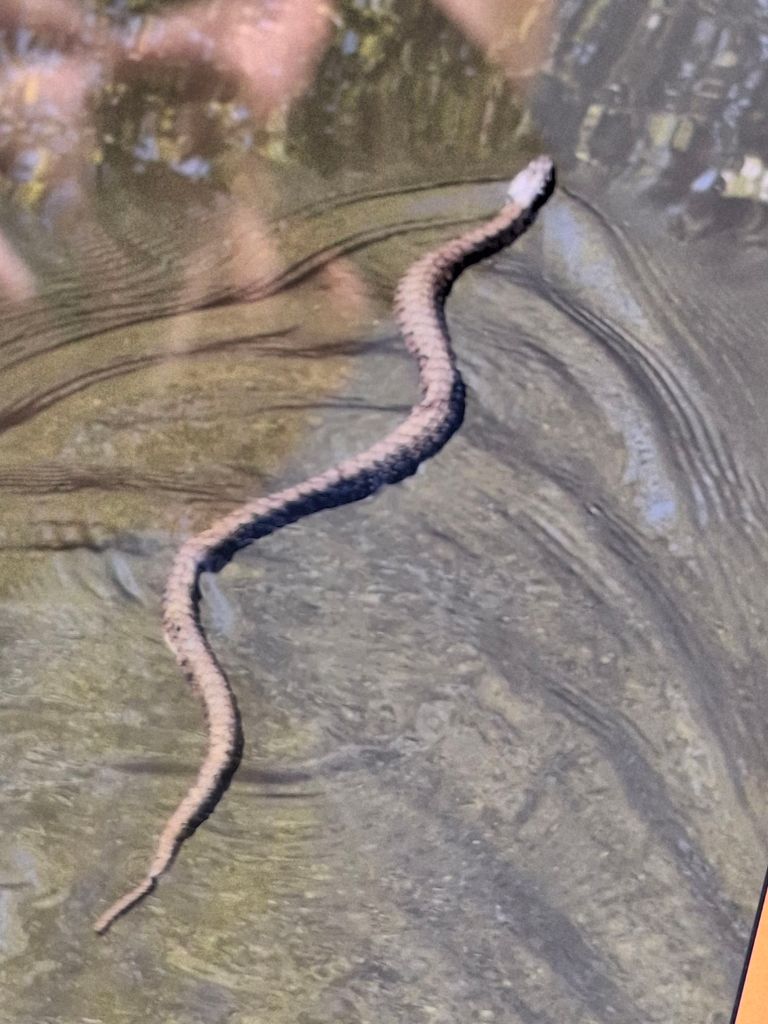
Boatdog, swans, ducks, Canada geese, moorhens and one of the largest grass snakes I have ever seen (must be a female according to ChatGPT) took to the water as I ambled along for 7 miles beside it. It wasn’t an area with many boats – exactly 2 to be precise, both trip boats – because this section of the canal is cut off from the part many boaters know. I did also spot a narrowboat in a garden – maybe waiting patiently…
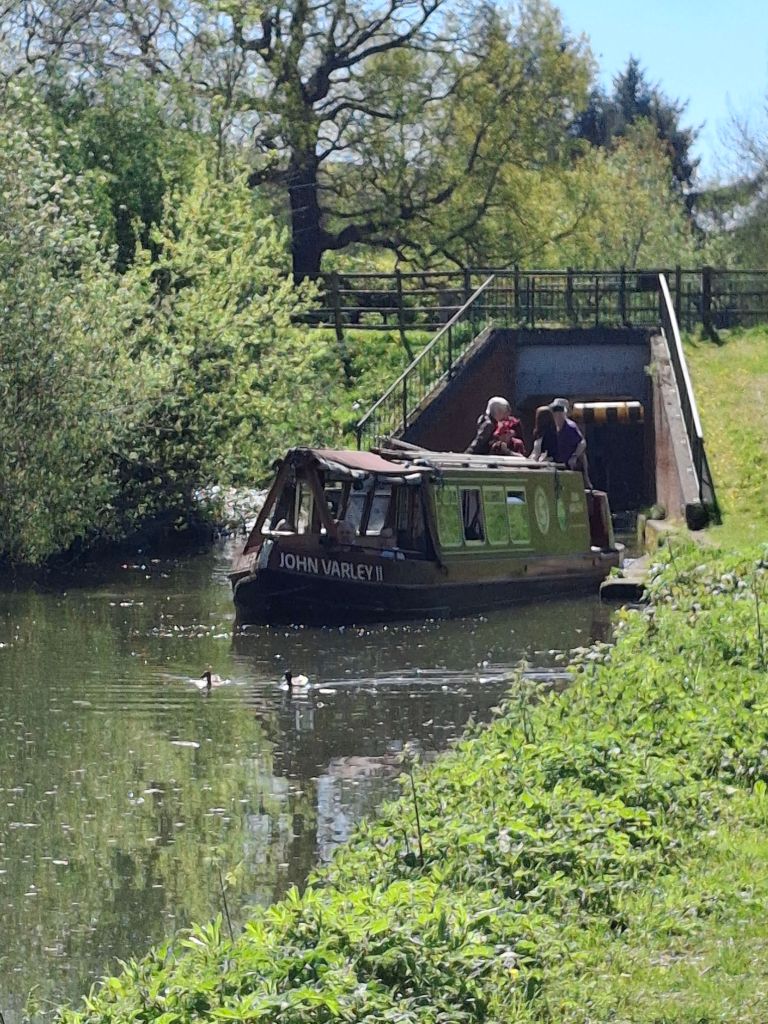
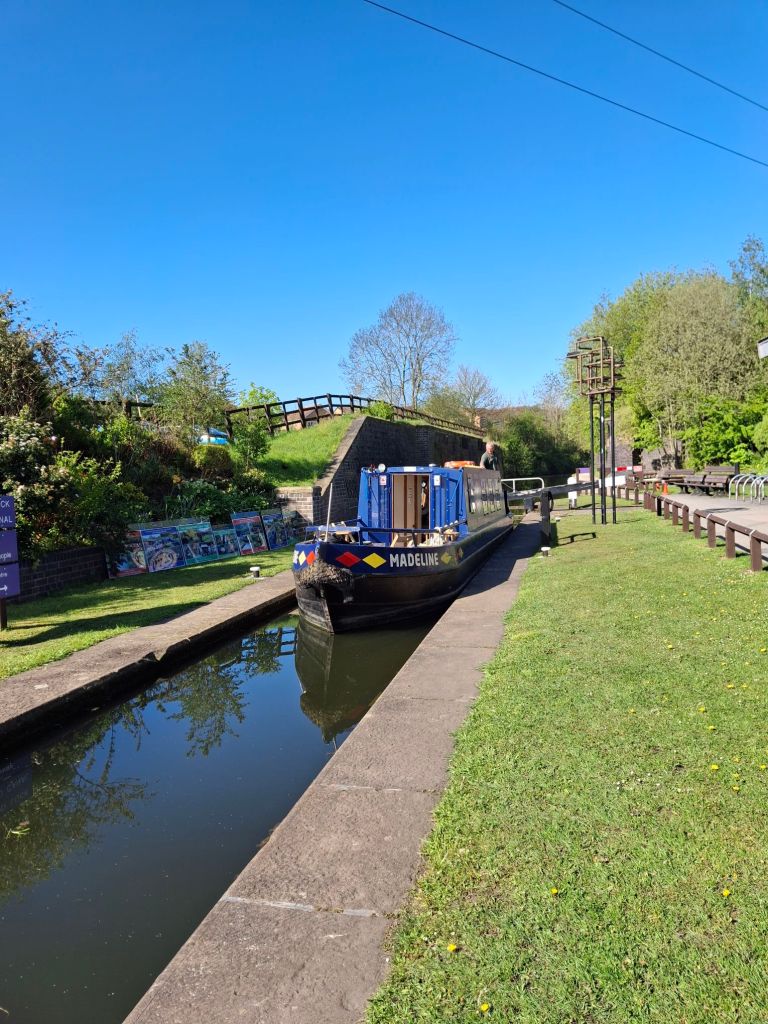
The Chesterfield Canal, or Cuckoo Dyke as it’s known locally, runs 46 miles from Chesterfield in Derbyshire to the River Trent at East Stockwith. Opening in 1777, it was a busy thoroughfare for carrying coal, pottery, iron, farm produce, timber and ale. The original Anston limestone for the Palace of Westminster began its journey south from South Yorkshire quarries via the Chesterfield Canal.
The waterway provided a vital conduit for goods but in 1907 subsidence from coal mining caused the Norwood Tunnel to collapse which effectively cut the canal in two. Trade continued in part, with the Chesterfield end being used to supply water to the iron industry and the other end from Worksop to the Trent still being used for commercial transport.
In the late 1950s commercial traffic ceased and the canal was formally closed in 1961 but the Worksop to West Stockwith section was kept navigable via the Transport act of 1968 that designated it a “cruiseway”.
The other end, at Chesterfield tells a very different story, one of the importance of the canal to local people, the value of having a waterway, and the determination of the community. The Chesterfield Canal Trust as it now is, was formed in 1978, and to date has spearheaded a remarkable restoration of the waterway, bringing together local authorities, companies, funding opportunities and thousands of volunteers. It is far from straight forward – new bridges, locks and a new route have to be constructed to compensate for a section where houses have been built across the former navigation.
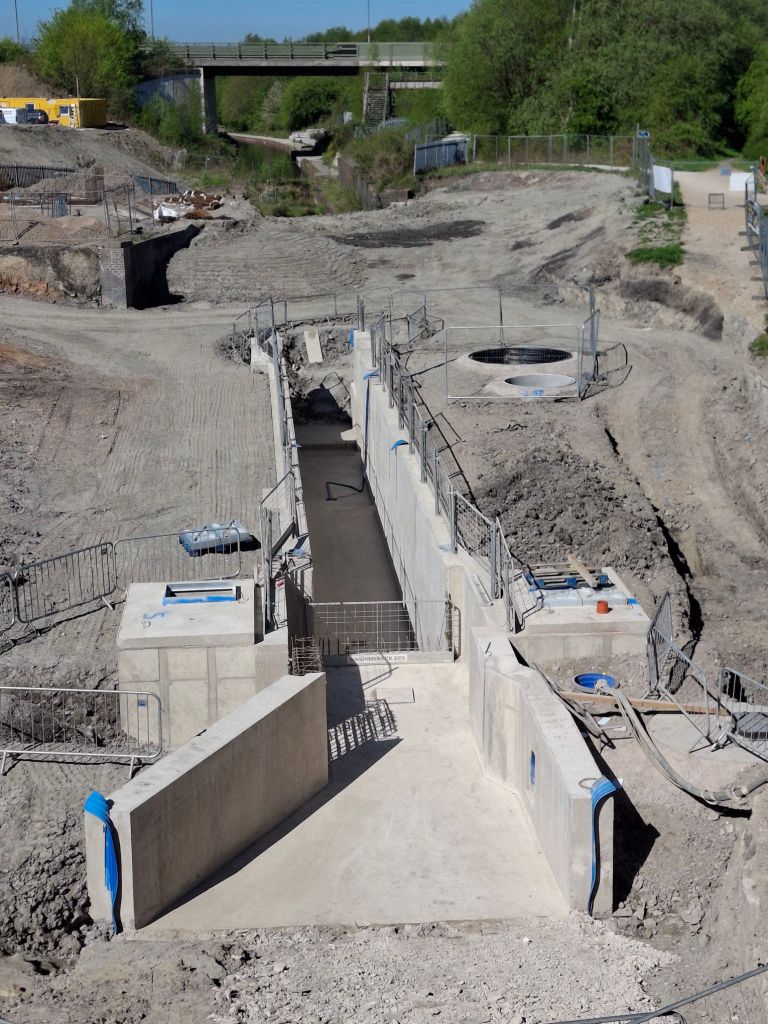
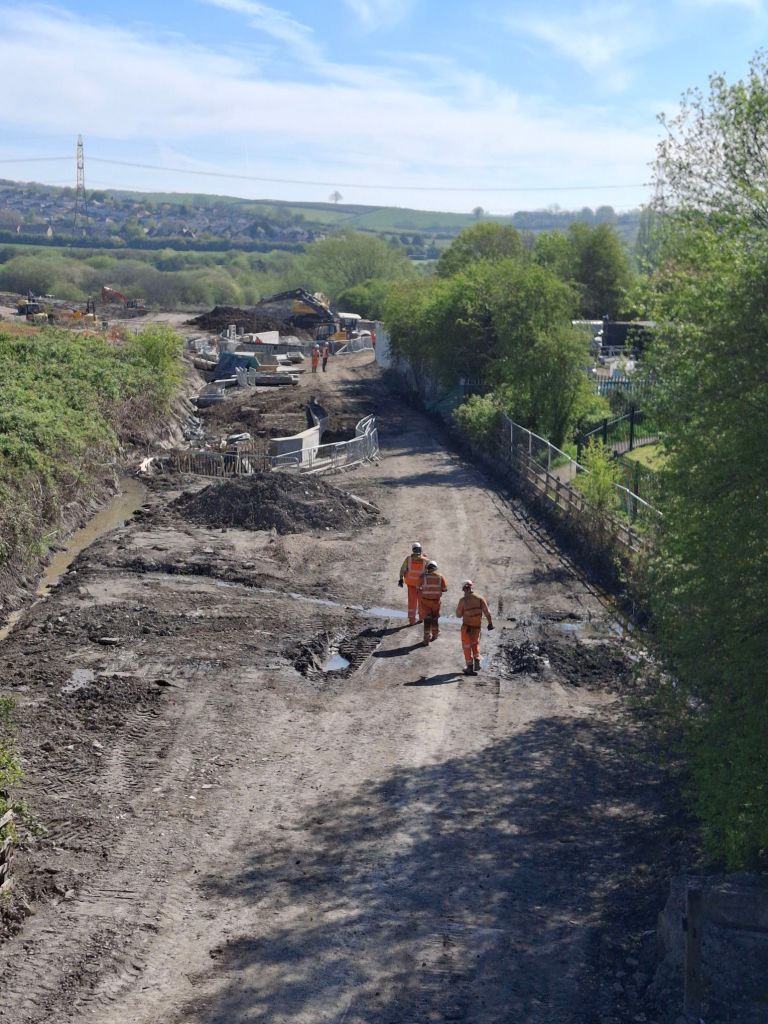
The restoration provides the opportunity for the Chesterfield to become a must-visit waterway for boaters with a unique boat lift being proposed to replace six locks of the Moorhouse flight, and the return to use of one of the earliest staircase locks at Norwood. The 13 Norwood lock are configured in four staircase sections, 3 three-rises and one four-rise.
Millions of pounds and millions of hours of volunteering are going into making the Chesterfield Canal navigable again. Next year the canal celebrates its 250th anniversary- I can’t wait to see how much further they have got by then. James Brindley would be applauding the efforts and innovation of all those behind this hugely ambitious plan.
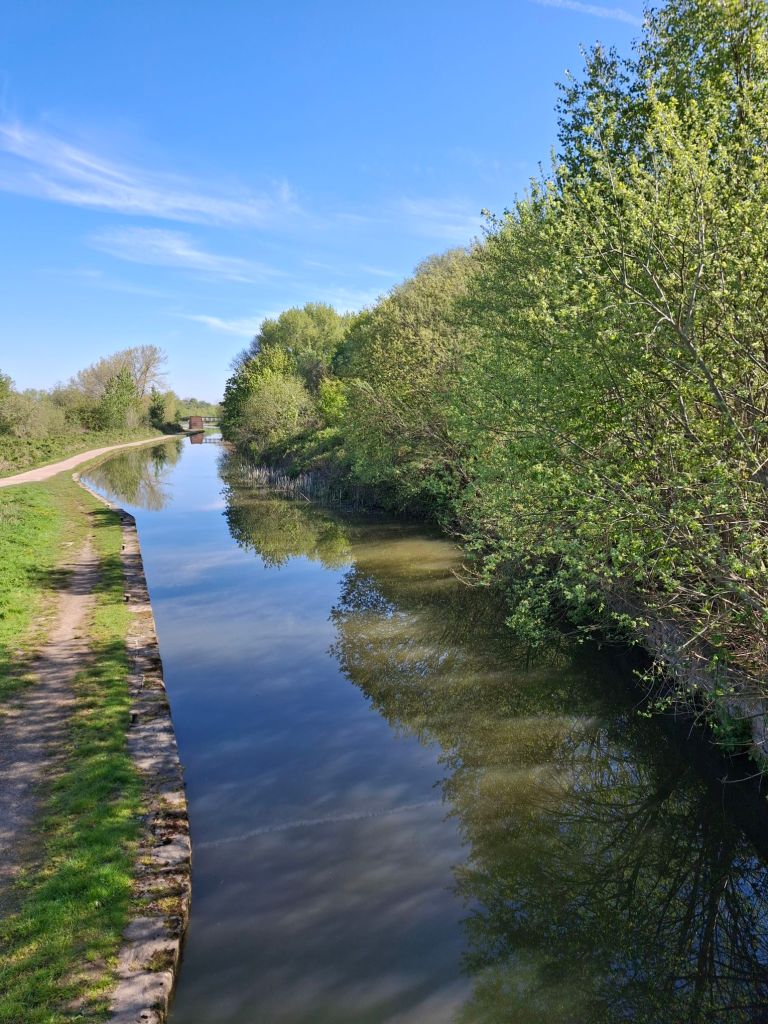
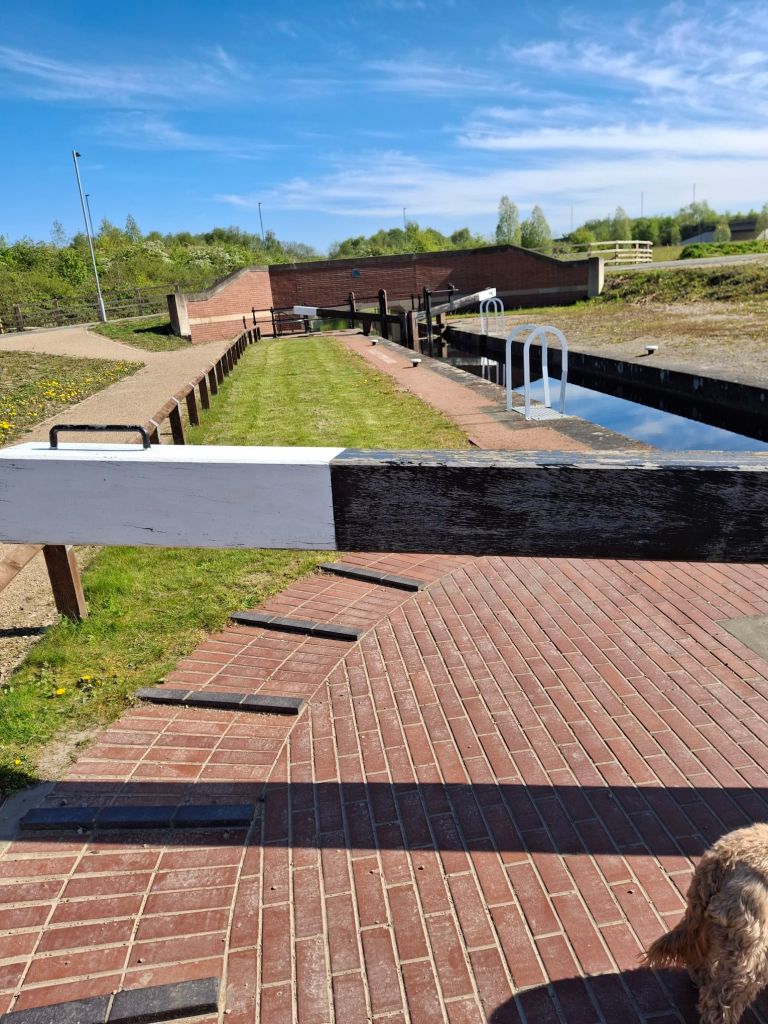
To walk along navigation without heading to do a lock or moor a boat is a novelty for me. At times it was totally deserted and at others busy with cyclists, runners, other walkers and dogs. The section from Chesterfield to just beyond Staveley and back on the Cuckoo Dyke was a route I enjoyed, even though I didn’t hear a single cuckoo!

