This is the particular time in the British year for remembering – remembering our debt of gratitude to those who gave their lives for our freedom; remembering those who fought, suffered and worked so we could live in peace today.
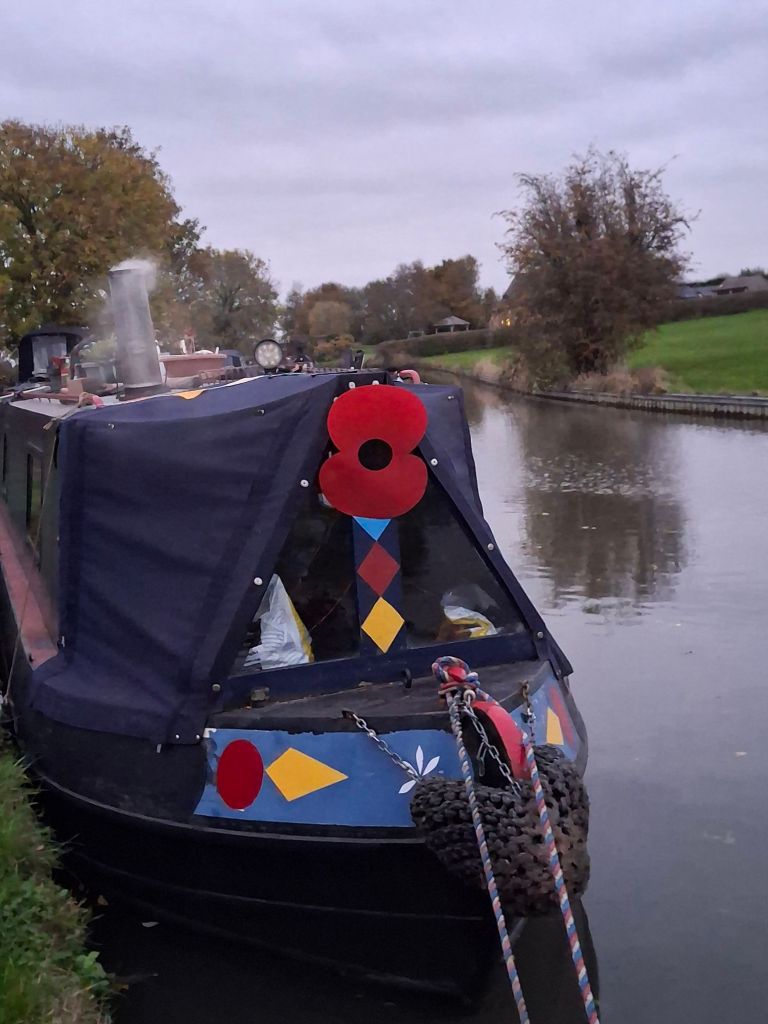
It is a time when we recognise the suffering of those are having to endure war and conflict today, and a time when we can raise our voices for peace. We may not agreebwith armed conflict but we cannot ignore it. It is a weekend when many of us remember with gratitude and sorrow, family members who fought in wars that changed them and changed their lives. We remember with gratitude those who continue to serve and sign up to protect us.
Weapons and violence are also involved in other historical remembering at this time. Britons remember politico- religious activists, among them Guy Fawkes, who sought to assassinate the then Protestant king, King James I of England and VI of Scotland by blowing him up at the State Opening of Parliament.
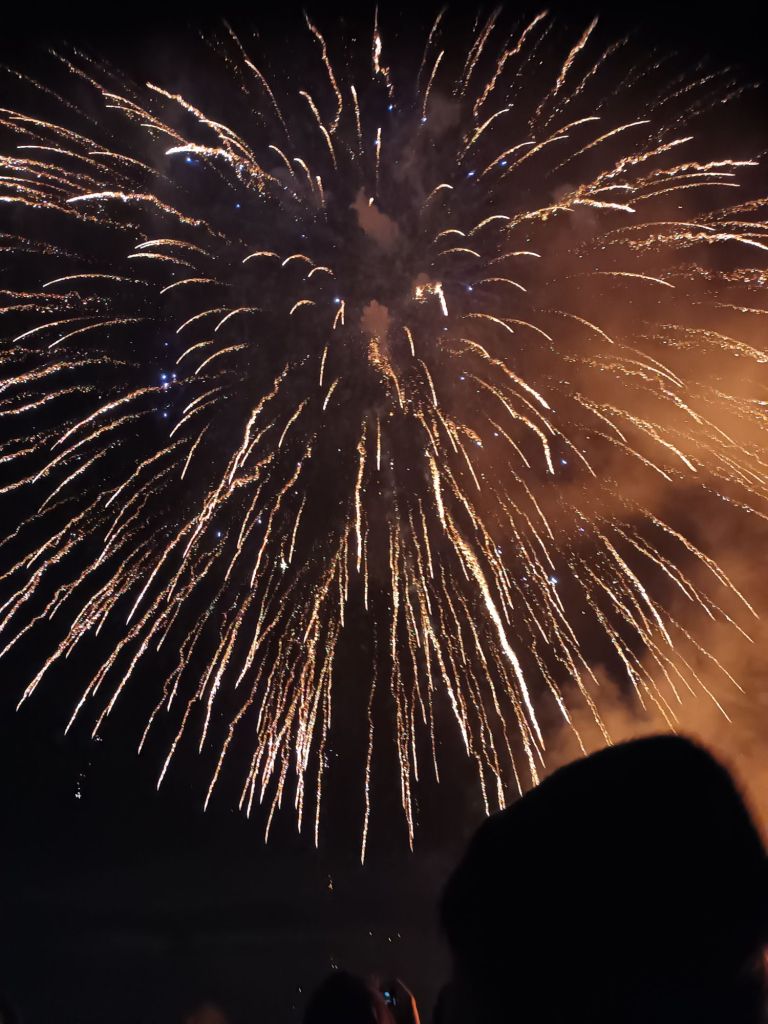
For us that particular remembrance and how it is so often marked with fireworks and explosives has caused us to move to the quietest mooring we can find, away from bonfires and celebrations, for the sake of Boatdog, who like many animals is terrified of the loud and sudden noises. Her reaction makes me even more aware how animals involved in war must have suffered and makes me grateful for their invaluable role and the purple poppies that remind us of them.
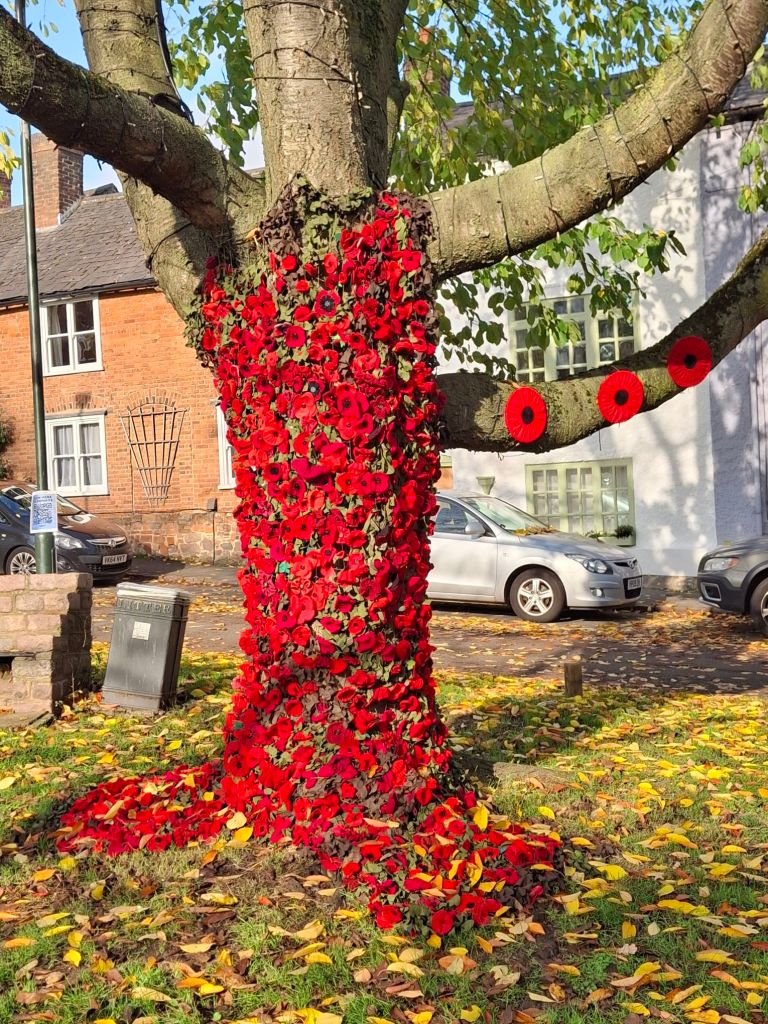
This year I have been so grateful to be able to be involved in creating a community poppy trail in Mountsorrel on the banks of the River Soar in Leicestershire. Many of us of all ages have been involved, knitting, crocheting, drawing and sewing poppies which we tied onto displays adorning railings, trees and standing proud in a memorial peace garden carrying the names of all from the village who have given their lives for others in armed conflicts across the decades. The displays are raising vital money for the work of the British Legion supporting servicemen and women and their families.
Being on the water when we stand in silence at 11am on November 11th this week we will also remember those women who took over the hard work for the Inland Waterways in World War II. They kept the transport barges moving along the waterways despite the blackouts and the bombs. Nicknamed the Idle Women, after the IW badges that identified them, they were anything but idle. They loaded steel and coal by hand. Some 45 women were involved in this hard and dangerous work, and most came from totally different walks of life – an artist, a debutant and a ballet dancer among those who wore the IW badge with pride. There is a plaque to them at Stoke Bruerne by the Museum there.
We also remember those who are involved in Forces Veterans Afloat a charity which refurbishes donated narrowboats as homes for veterans who can benefit from living afloat amid the calm of the waterways.
This is a week of remembering, of remembrance and of showing we care for those who care and have cared for us. It is a sombre time but also a time of joy and gratitude, and a time of reflection.
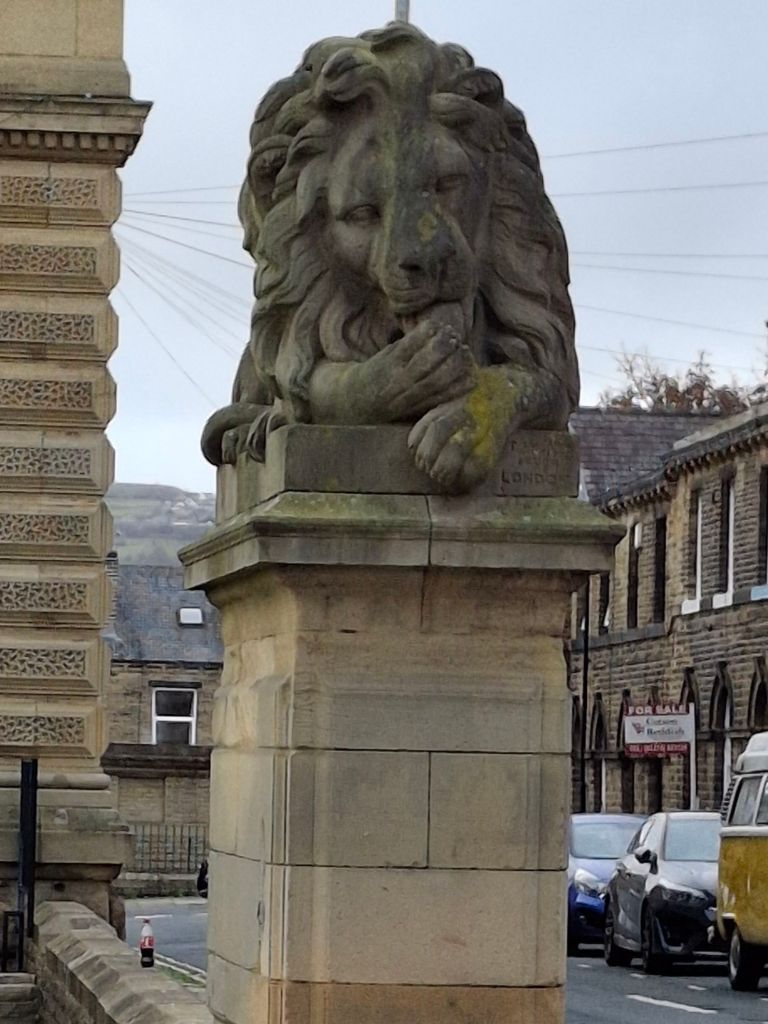
This is Peace, one of four huge sandstone lions carved by Thomas Milnes. They represent the four virtues – Peace, War, Vigilance and Determination. Originally sculpted for Trafalgar Square in London, they weren’t thought of as imposing enough and Landseer’s lions were installed there, so Sir Titus Salt bought the 4 for his model mill village of Saltaire.
These Saltaire lions at 8 feet long and 5 feet high are spellbinding, and for me, the most impressive is Peace. He is licking his right paw, as if he has known the pain of combat and would rather not repeat the experience. He is not cowering or passive in his pursuit of peace, but poised, pensive and looking right into the eyes of his enemy. His message, set in stone, a mere stone’s throw from the Leeds Liverpool Canal, is one we could all do with remembering this week.

